13 Concepts
11 Concepts
9 Concepts
8 Concepts
13 Concepts
16 Concepts
9 Concepts
11 Concepts
15 Concepts
11 Concepts
14 Concepts
20 Concepts
11 Concepts
7 Concepts
5 Concepts
7 Concepts
10 Concepts
7 Concepts
7 Concepts
5 Concepts
9 Concepts
7 Concepts
7 Concepts
7 Concepts
10 Concepts
4 Concepts
7 Concepts
6 Concepts
8 Concepts
9 Concepts
7 Concepts
5 Concepts
5 Concepts
This introduction to signals and systems provides essential signal processing fundamentals through comprehensive analysis of data representation and system behavior. Students explore continuous and discrete signal classification, energy and power analysis, and fundamental system properties including linearity and time-invariance. From analyzing speech patterns in telecommunications to understanding medical imaging systems used in US hospitals, this course establishes critical foundations for engineering applications. JoVE Coach guides students through mathematical modeling and real-world implementations.
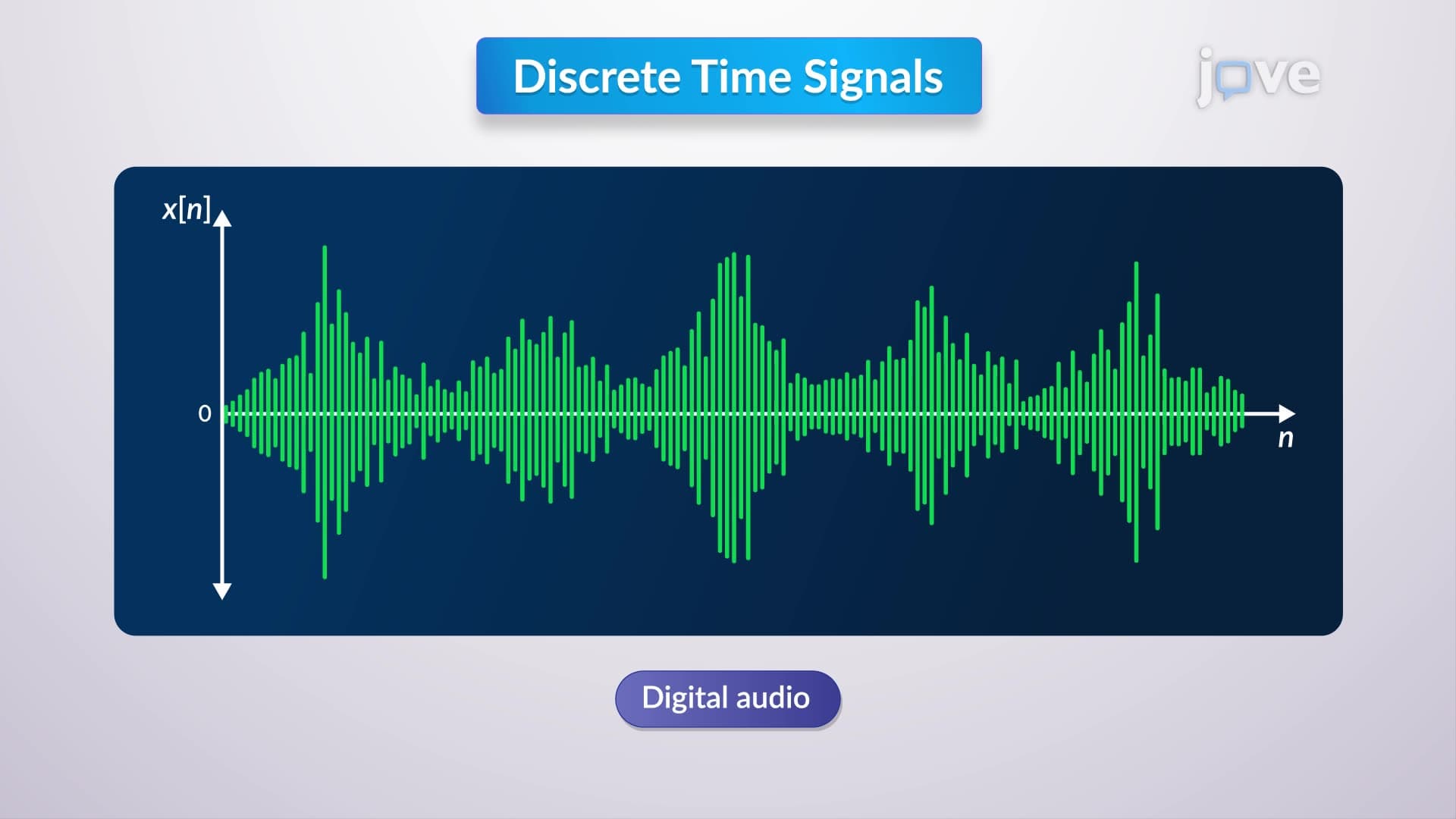
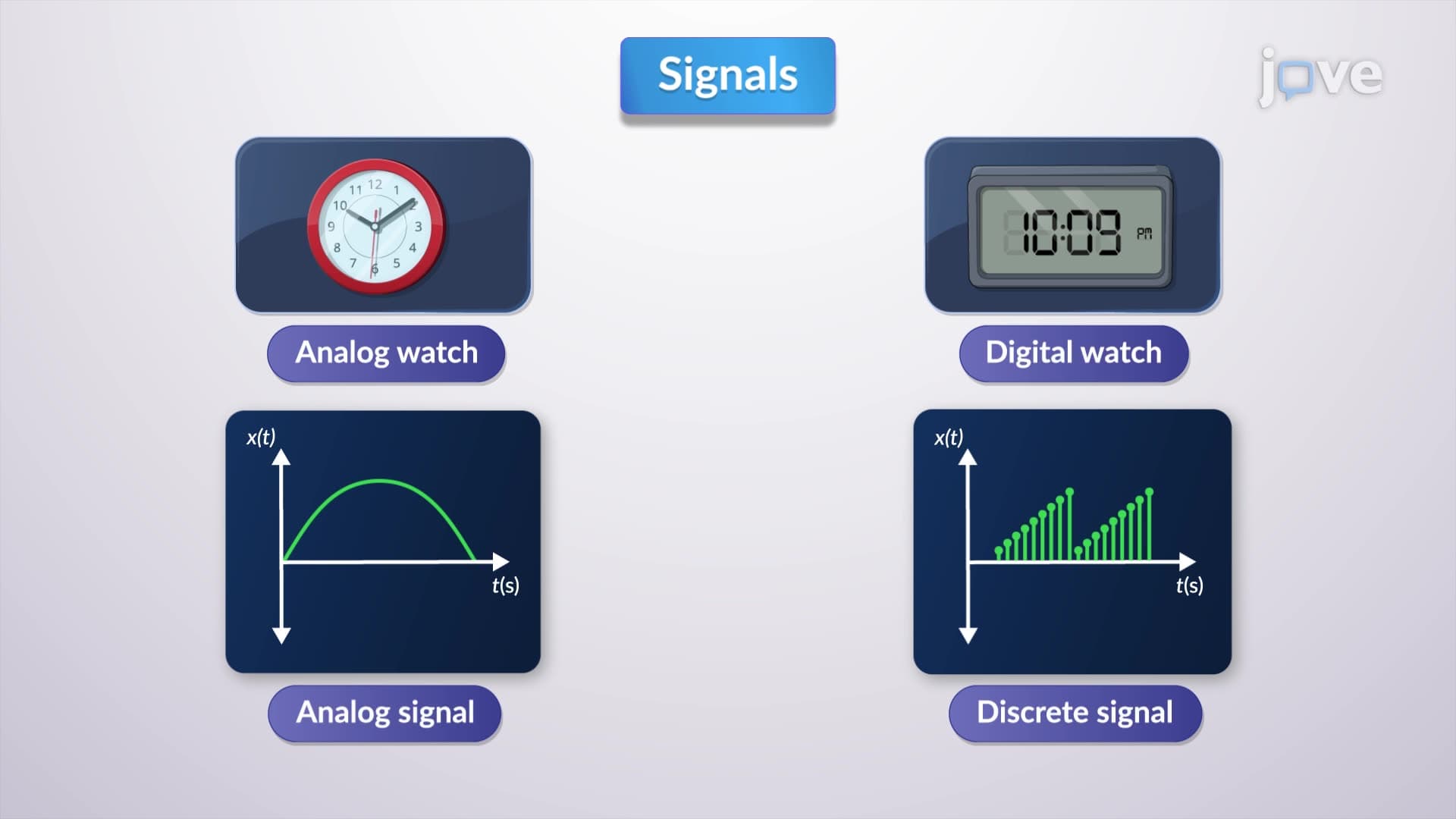
1. Signal Classification and Types Signals represent information as functions of time, from simple audio waveforms to complex biomedical data. Continuous-time signals exist at every time instant, like the electrical activity recorded in an EKG at US cardiac centers. Discrete-time signals exist only at specific intervals, such as digital samples in smartphone audio processing. Analog signals have continuously varying amplitudes, while digital signals use finite discrete levels. Understanding these distinctions enables proper analysis of everything from radio broadcasts to medical monitoring equipment used in American healthcare facilities.
2. Periodic and Aperiodic Signal Analysis Periodic signals repeat at regular intervals, following mathematical relationships that govern their behavior. A 60-Hz electrical signal powering US homes demonstrates perfect periodicity, completing identical cycles every 1/60 second. Sinusoidal signals form the basis for AC power distribution across American electrical grids. Aperiodic signals lack repetitive patterns, like speech waveforms or seismic data recorded by the US Geological Survey. Fourier analysis reveals how complex periodic signals decompose into simpler sinusoidal components, enabling efficient processing in communication systems and audio equipment manufactured by US technology companies.
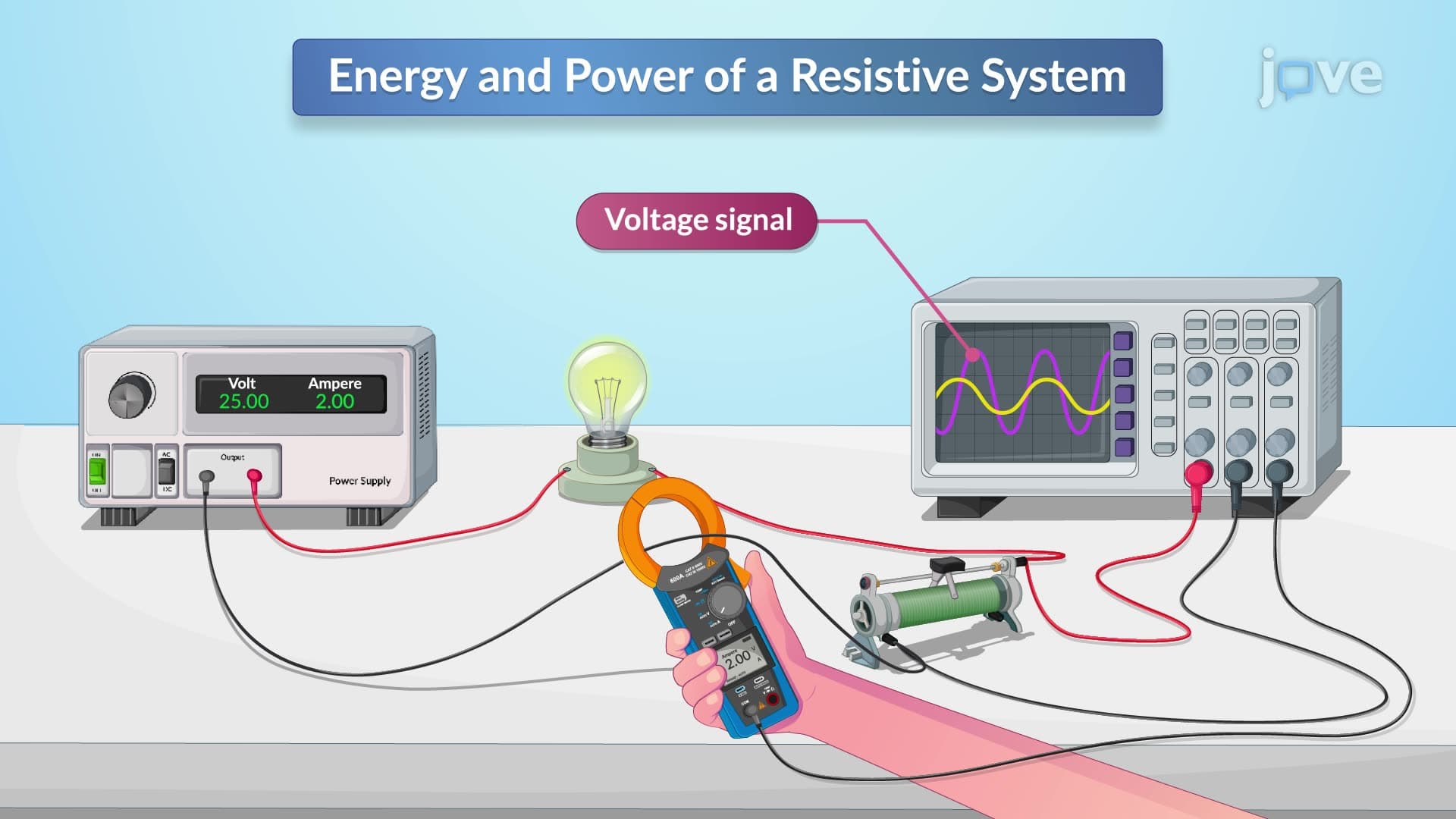
3. Energy and Power Signal Characteristics Energy and power calculations determine signal strength and system requirements in practical applications. Energy signals have finite total energy but zero average power, like brief electrical pulses in computer processors. Power signals maintain finite average power with infinite energy, such as continuous sinusoidal voltages in US electrical systems. These calculations guide design decisions for everything from smartphone batteries to power grid infrastructure. Understanding energy-power relationships helps engineers optimize signal processing algorithms used in American telecommunications networks and medical diagnostic equipment.
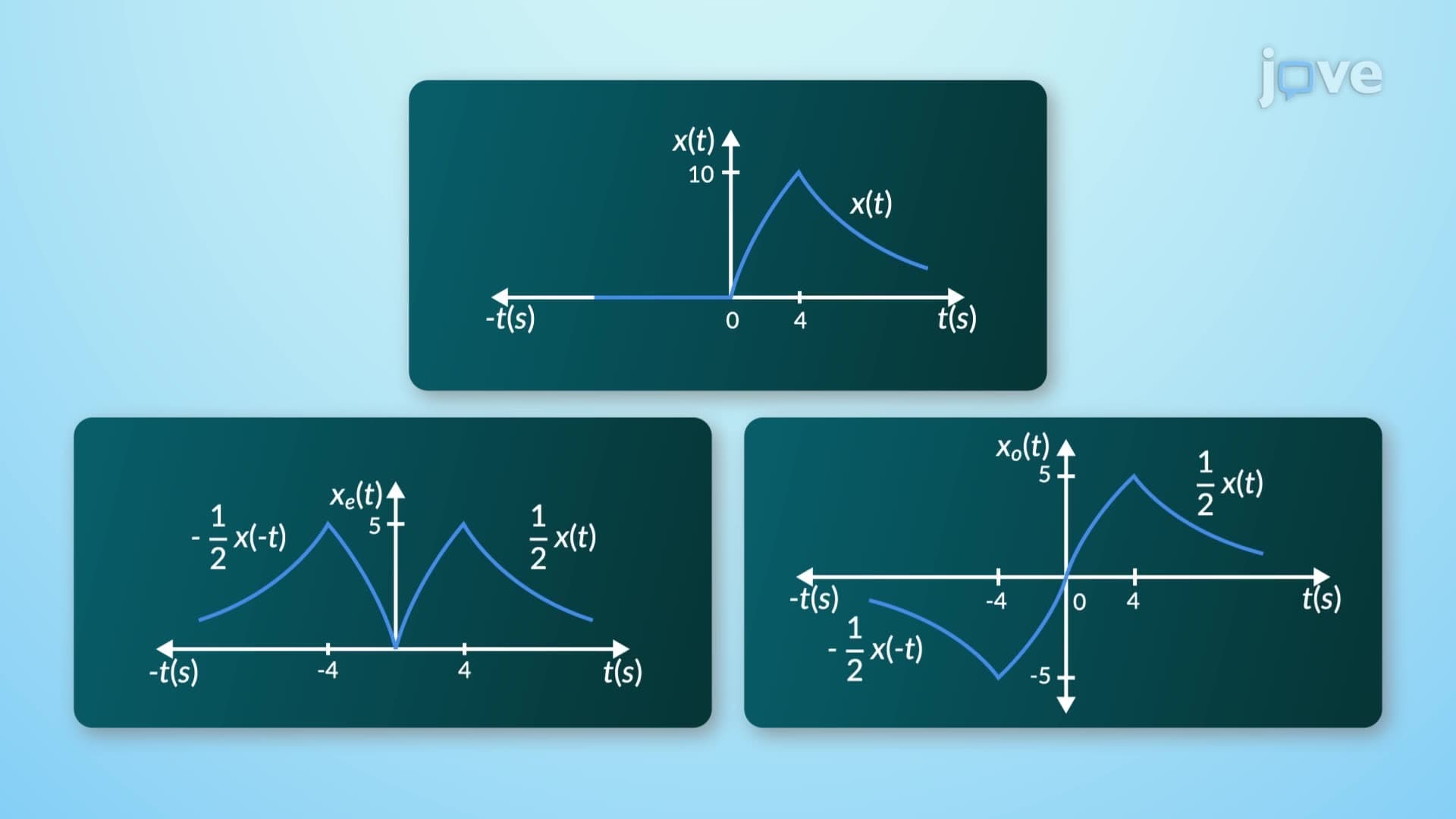
4. Even and Odd Signal Decomposition Any signal decomposes into even and odd components using mathematical symmetry principles. Even signals exhibit mirror symmetry about the vertical axis, like the voltage waveform across a resistor in symmetric AC circuits. Odd signals show antisymmetric behavior, appearing in differential amplifier outputs used in American audio equipment. This decomposition simplifies signal analysis and enables efficient processing algorithms. Applications include image processing systems used by US defense contractors and audio enhancement technologies in consumer electronics manufactured by American companies.
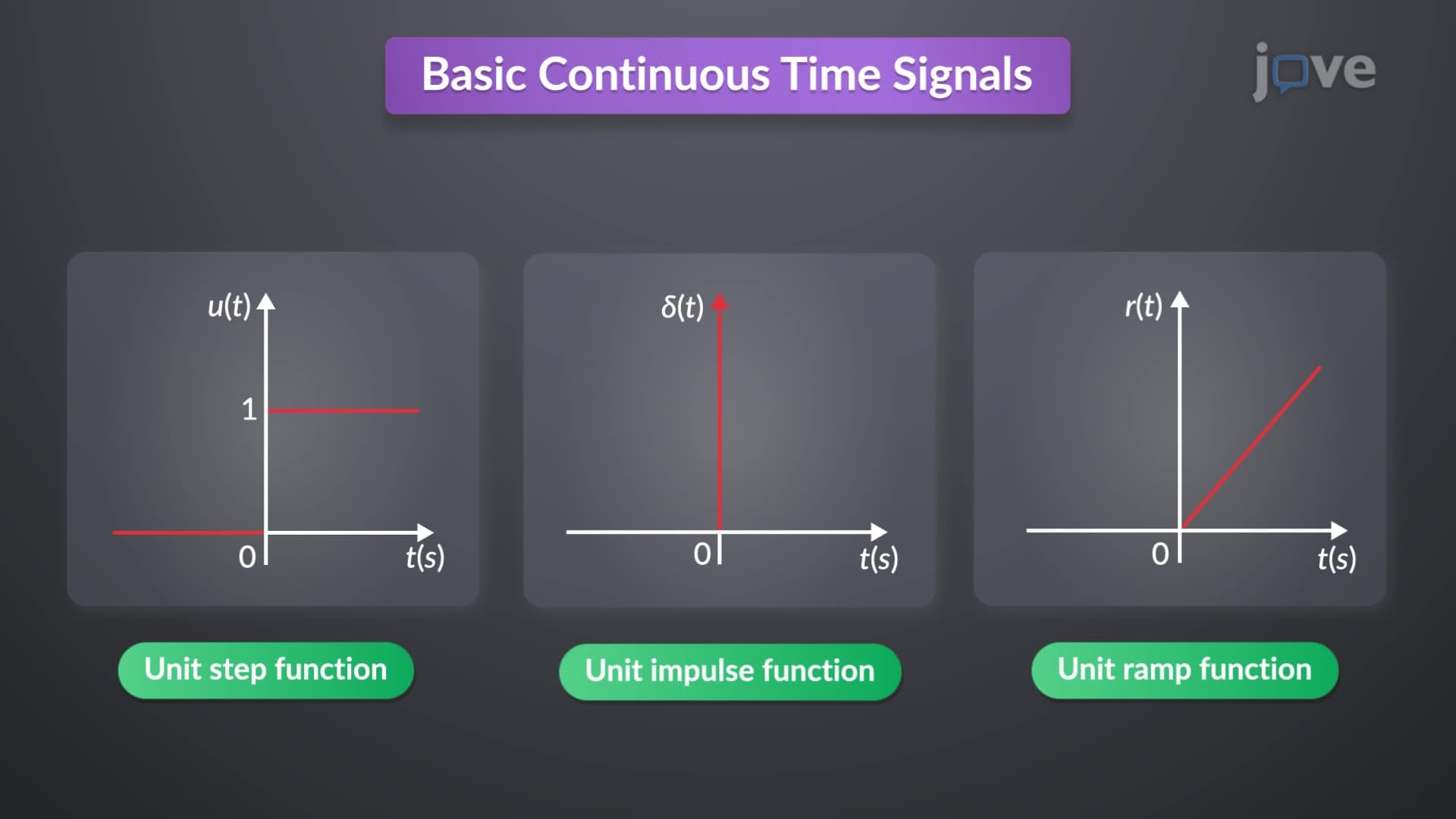
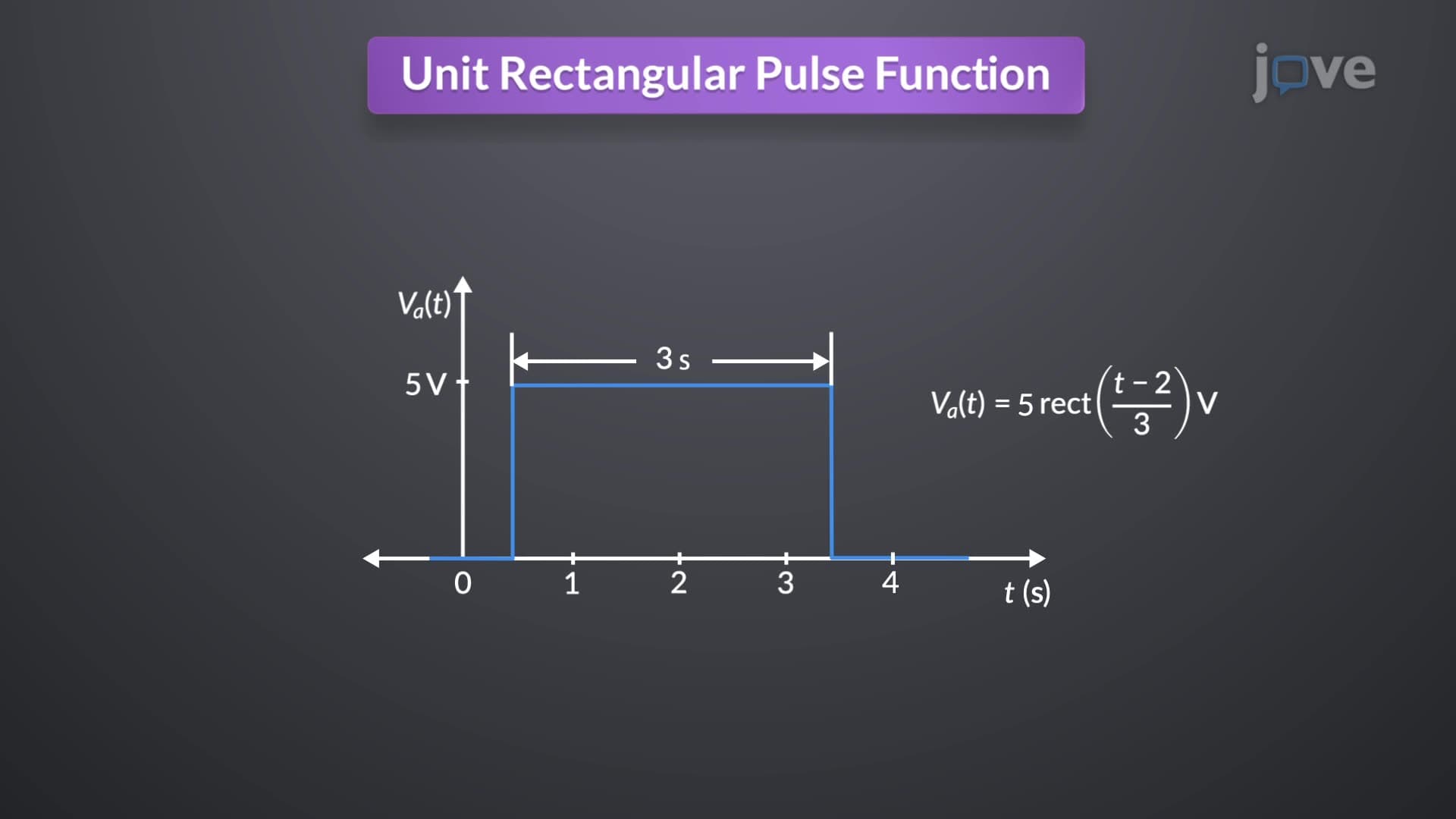
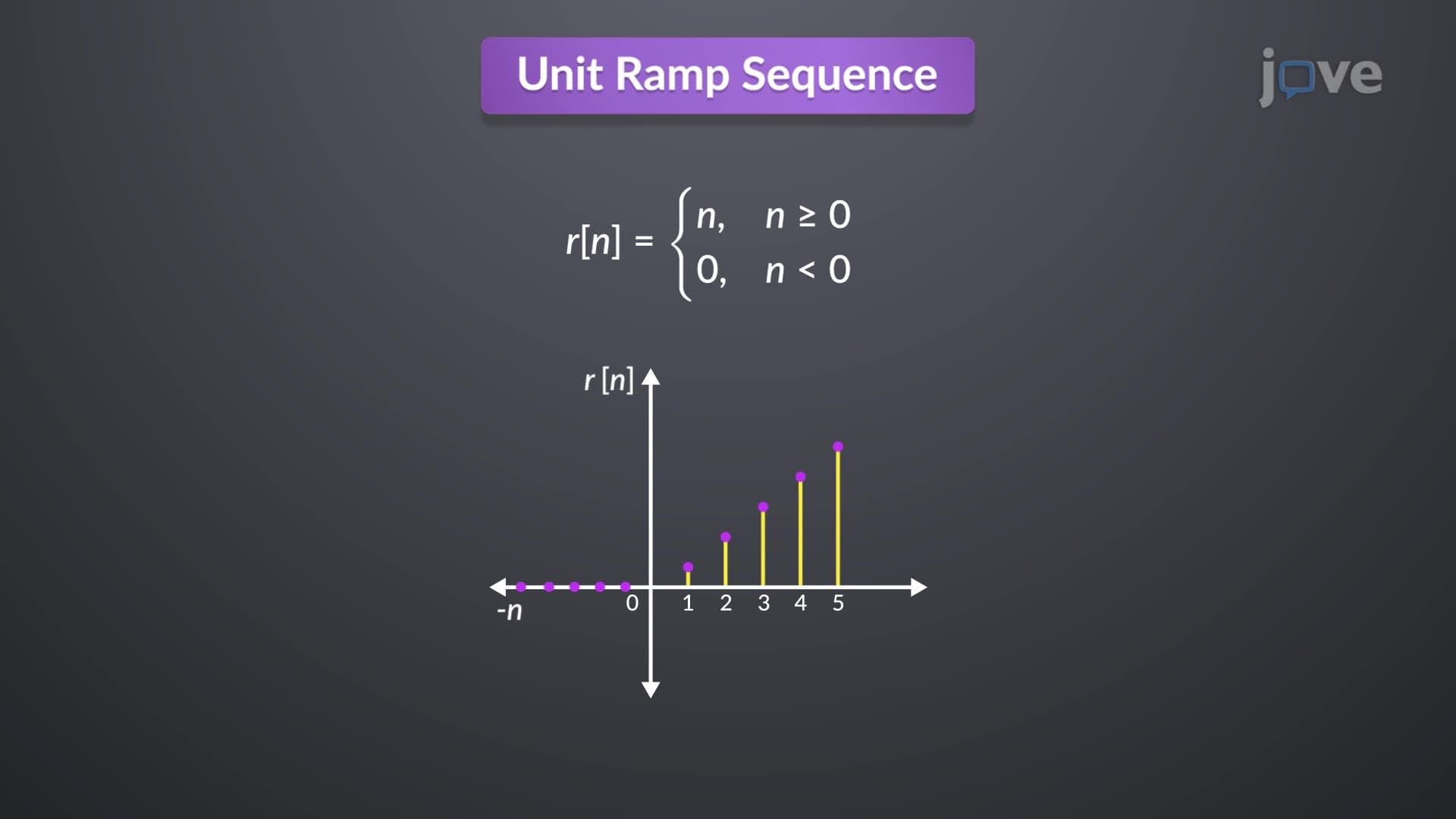
5. Basic Continuous-Time Signals Singularity functions including unit step, impulse, and ramp signals model real-world phenomena. The unit step function represents sudden changes, like voltage transitions when starting a car ignition system. Unit impulse functions model brief, intense events such as impact forces measured in automotive crash testing facilities operated by US manufacturers. Unit ramp functions describe steadily changing quantities like temperature variations recorded by weather monitoring stations across America. These mathematical tools enable precise modeling of physical systems in aerospace, automotive, and manufacturing industries.
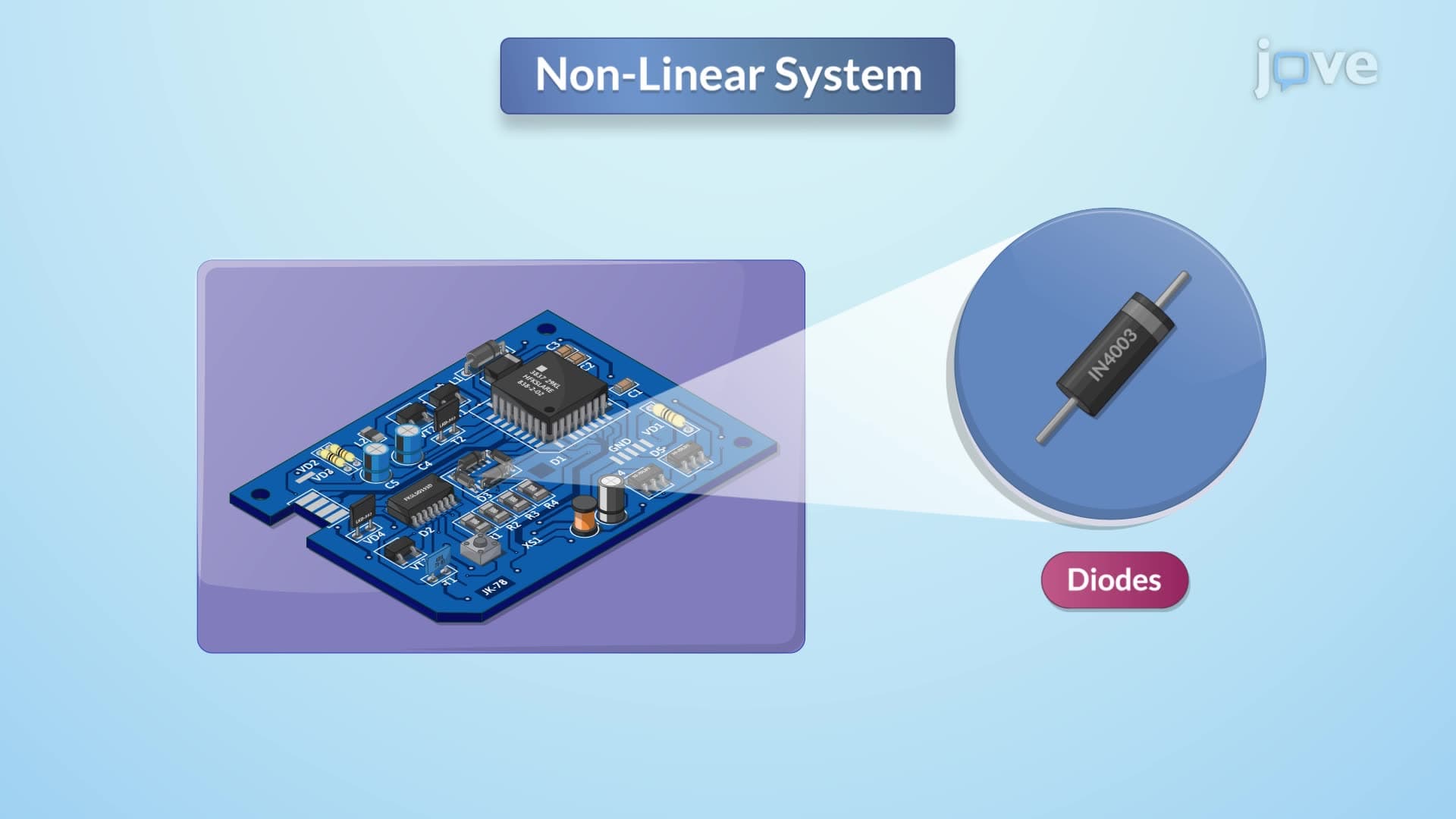
6. System Properties and Classification Systems process input signals to produce desired outputs, with properties determining their behavior and applications. Linear systems obey superposition principles, enabling predictable responses in electrical circuits used throughout American infrastructure. Time-invariant systems maintain consistent characteristics regardless of when inputs occur, like the RC circuits in electronic devices. Causal systems respond only to past and present inputs, reflecting physical realizability constraints in real-world applications. These properties guide system design for everything from smartphone processors to industrial control systems used in US manufacturing facilities.