13 Concepts
11 Concepts
9 Concepts
8 Concepts
13 Concepts
16 Concepts
9 Concepts
11 Concepts
15 Concepts
11 Concepts
14 Concepts
20 Concepts
11 Concepts
7 Concepts
5 Concepts
7 Concepts
10 Concepts
7 Concepts
7 Concepts
5 Concepts
9 Concepts
7 Concepts
7 Concepts
7 Concepts
10 Concepts
4 Concepts
7 Concepts
6 Concepts
8 Concepts
9 Concepts
7 Concepts
5 Concepts
5 Concepts
The Fourier transform is a mathematical technique that decomposes signals into their frequency components, converting time-domain data into frequency domain analysis. This fundamental tool enables engineers and scientists to analyze everything from audio processing in Spotify's algorithms to medical imaging in MRI machines. JoVE Coach guides students through continuous and discrete transforms, essential properties, and real-world applications in American technology and research.
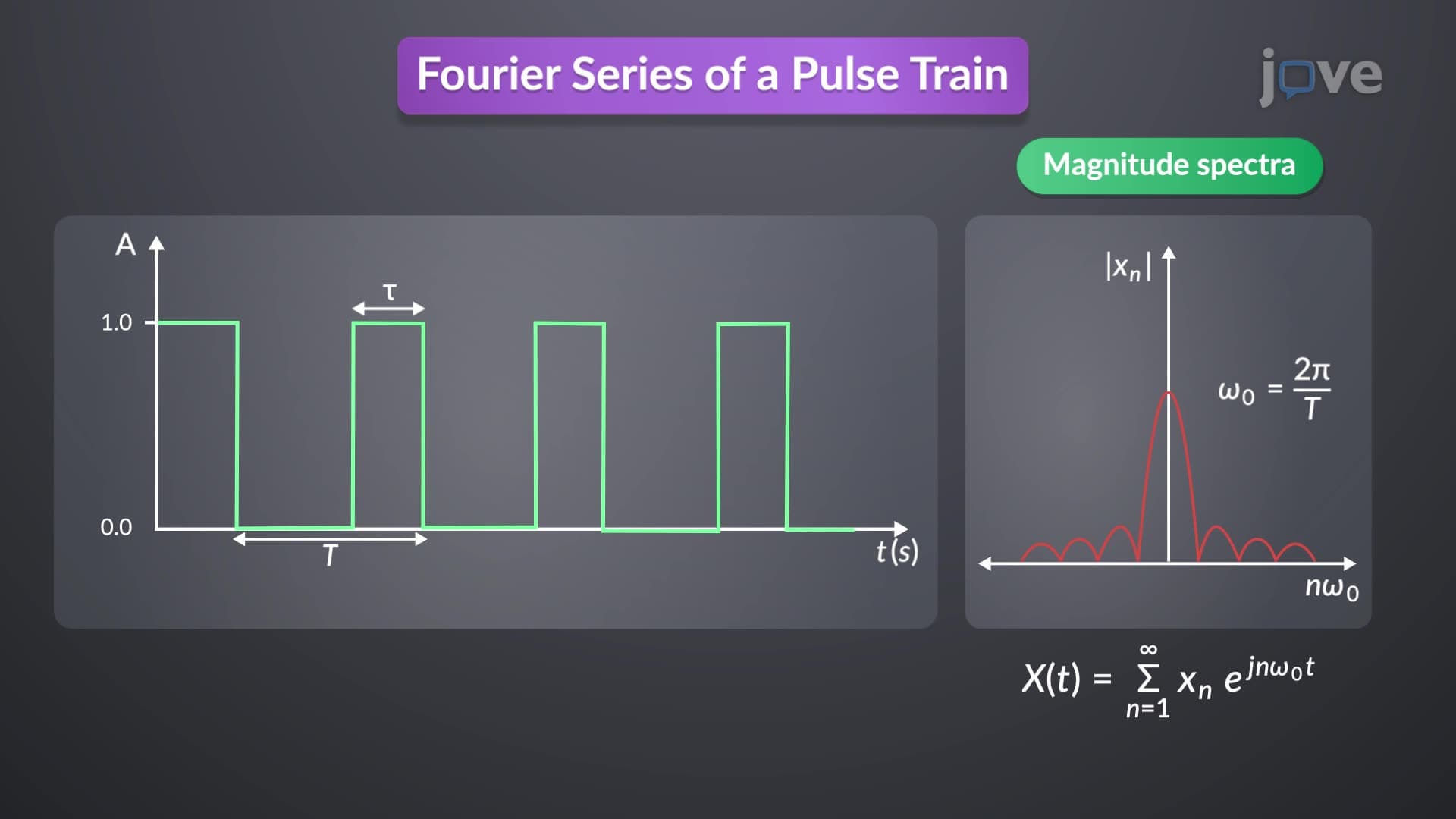
1. Continuous-Time Fourier Transform Fundamentals The continuous-time Fourier transform extends Fourier series analysis to non-periodic signals, transforming time-domain functions into frequency-domain representations. When analyzing a single pulse (like a radar ping), the transform reveals how energy distributes across frequencies. American radar systems at airports use this principle to detect aircraft positions. The mathematical foundation relies on Dirichlet conditions ensuring signal integrability. Students learn that as pulse periods approach infinity, discrete frequency lines become continuous spectra, enabling analysis of transient signals in telecommunications and medical devices.
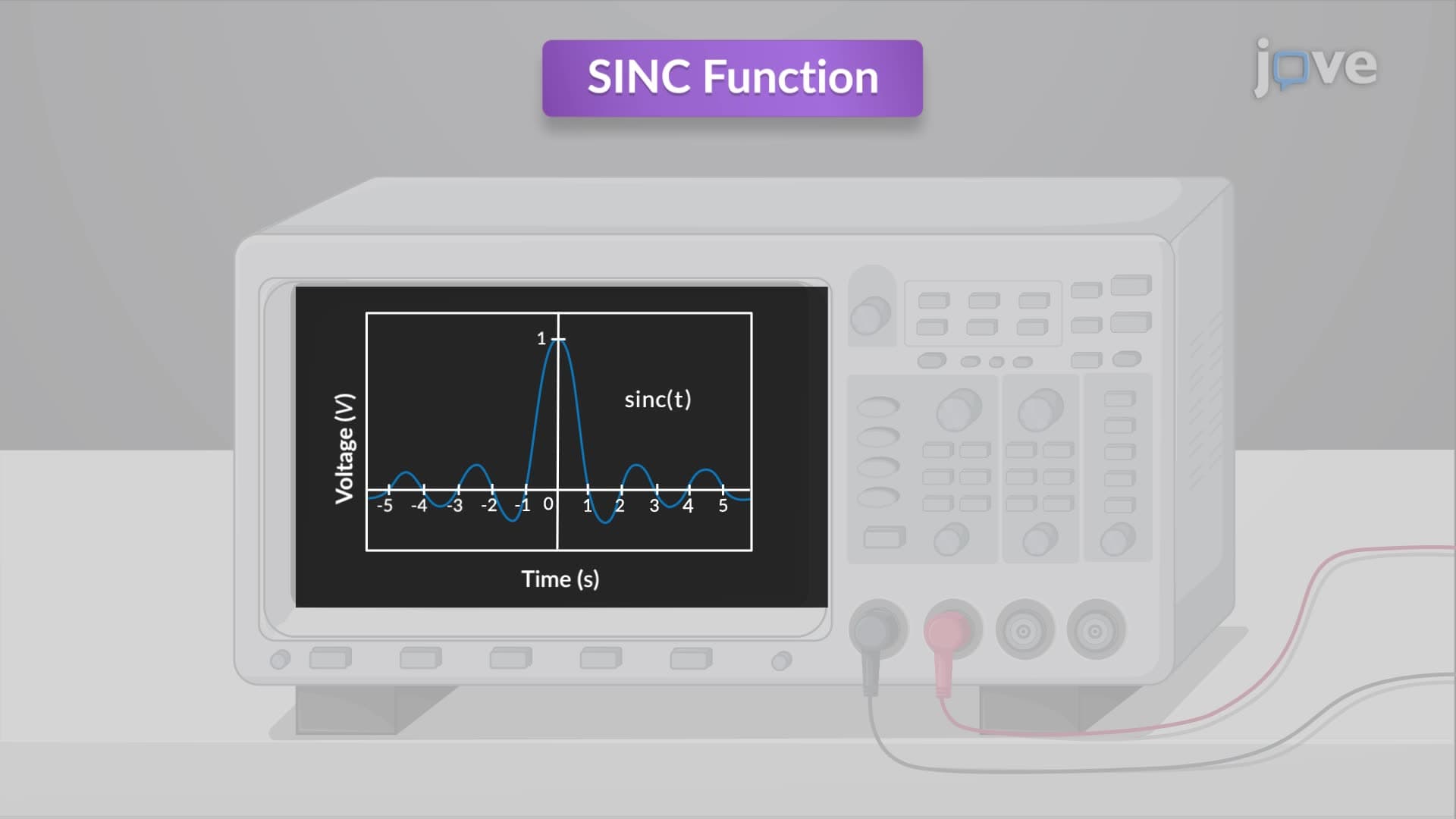
2. Essential Signal Types and Transform Pairs Key signals include the sinc function, exponential signals, and delta functions, each with distinct frequency domain characteristics. The rectangular pulse transforms into a sinc function, demonstrating how sharp time boundaries create wide frequency spreads. NASA's communication systems utilize these principles when transmitting data from space missions. Delta functions contain all frequencies equally, explaining why impulse responses characterize system behavior. Understanding these fundamental pairs helps students analyze everything from smartphone audio compression to earthquake detection systems used by the United States Geological Survey.
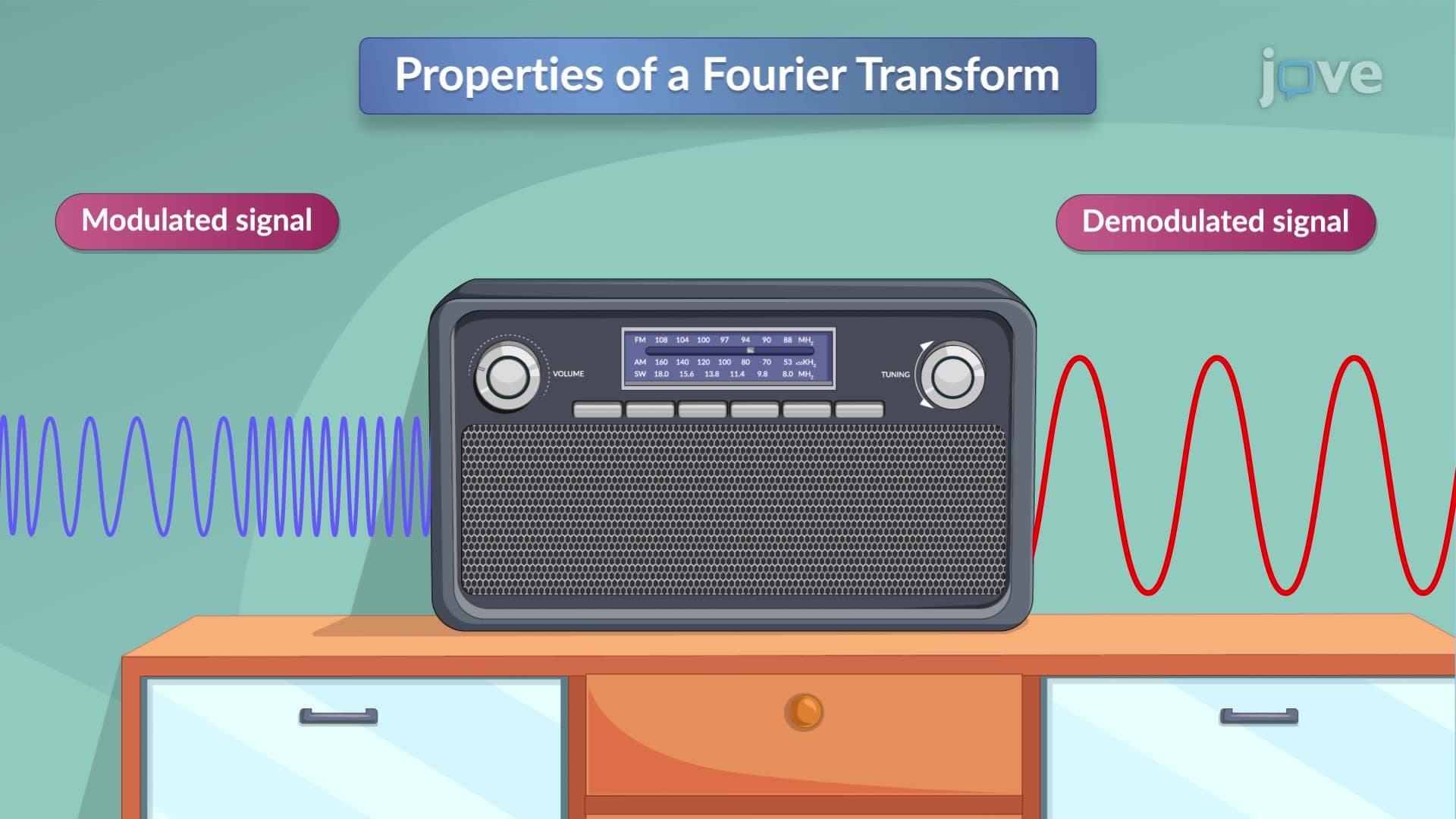
3. Transform Properties for Signal Manipulation Linearity, time-shifting, frequency-shifting, and scaling properties enable practical signal processing applications. American radio stations use frequency-shifting to broadcast multiple channels simultaneously without interference. Time-shifting properties explain how Netflix can synchronize audio and video streams across different devices. The differentiation property connects signal rates of change to frequency content, crucial for analyzing stock market data fluctuations. These mathematical relationships form the foundation for digital signal processing algorithms used in everything from hearing aids to satellite communications.
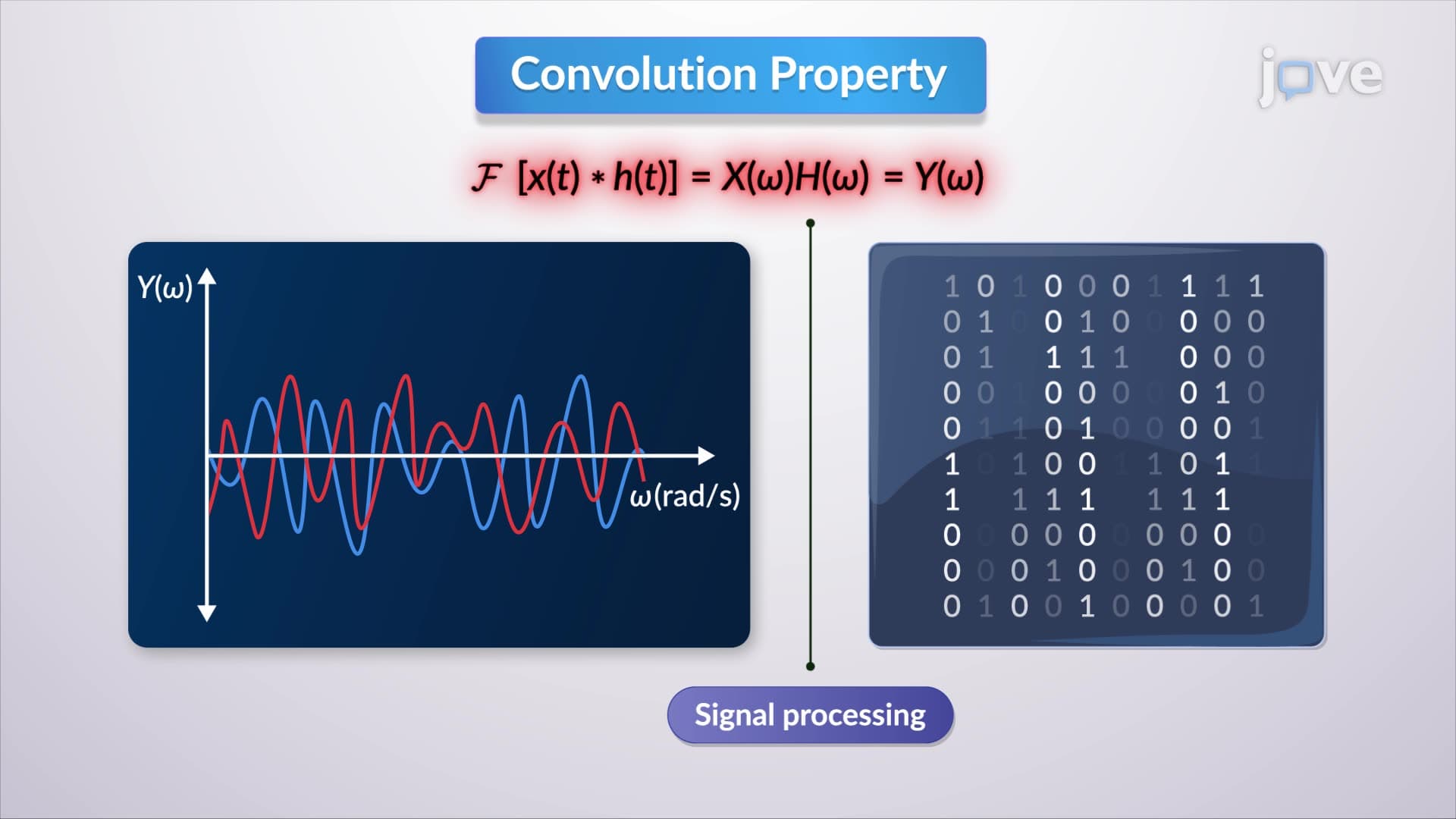
4. Convolution and System Analysis The convolution property states that multiplication in frequency domain equals convolution in time domain, simplifying complex system analysis. American telecommunications companies use this principle to design filters removing noise from cell phone signals. Convolution helps engineers understand how systems respond to various inputs, from audio equalizers in recording studios to image sharpening algorithms in digital cameras. Students learn that system output equals input convolved with impulse response, enabling prediction of system behavior for any input signal through frequency domain multiplication.
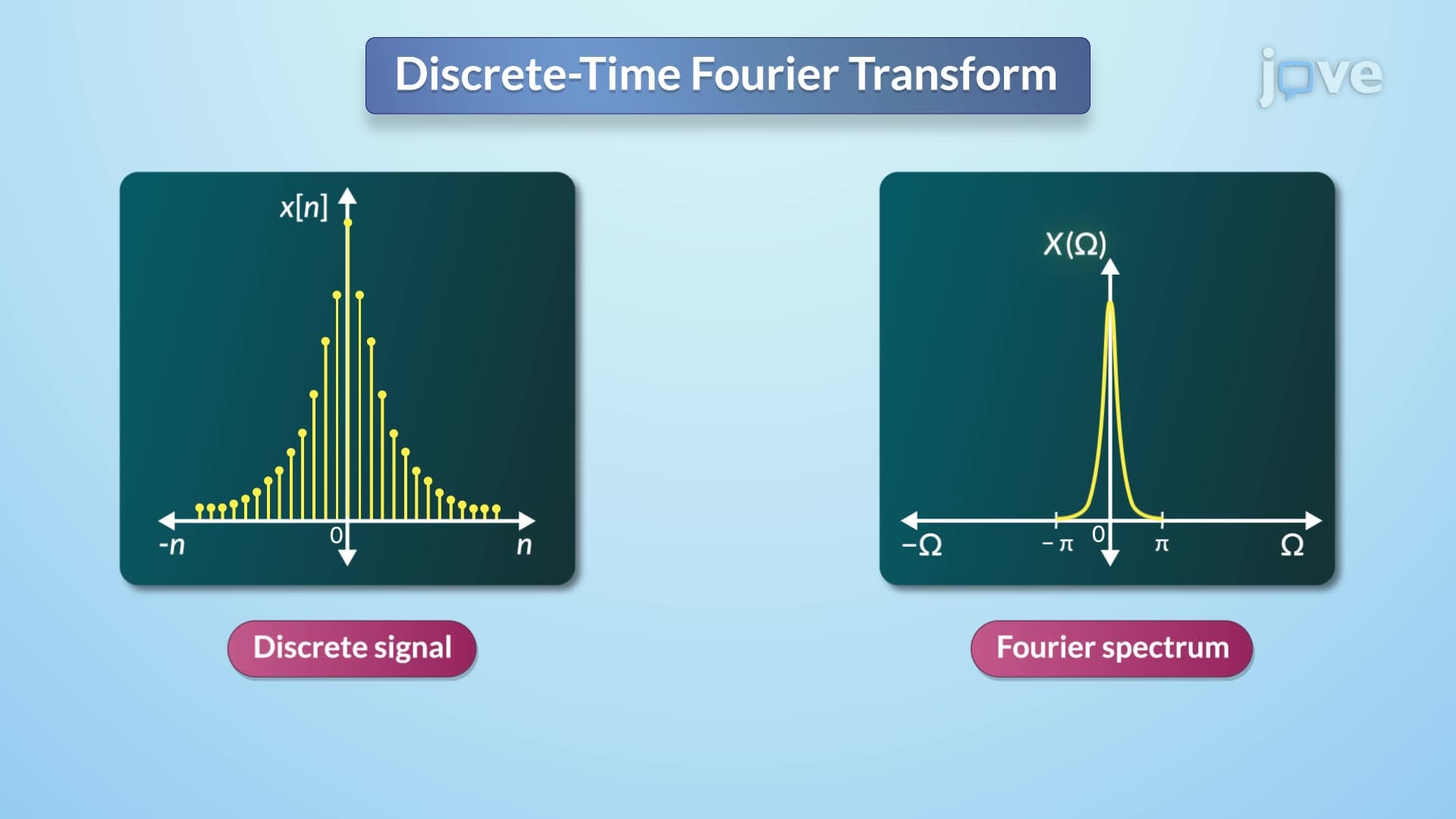
5. Discrete-Time Fourier Transform (DTFT) DTFT extends Fourier analysis to discrete-time signals, replacing continuous integrals with summations while maintaining frequency domain continuity. Digital audio systems in American music streaming services use DTFT principles to process sampled music files. The periodic nature of DTFT spectra reflects sampling's effect on frequency representation. Properties mirror continuous transforms but accommodate discrete time samples. Students explore how digital filters in smartphones use DTFT concepts to enhance call quality and reduce background noise in applications like FaceTime and Zoom.
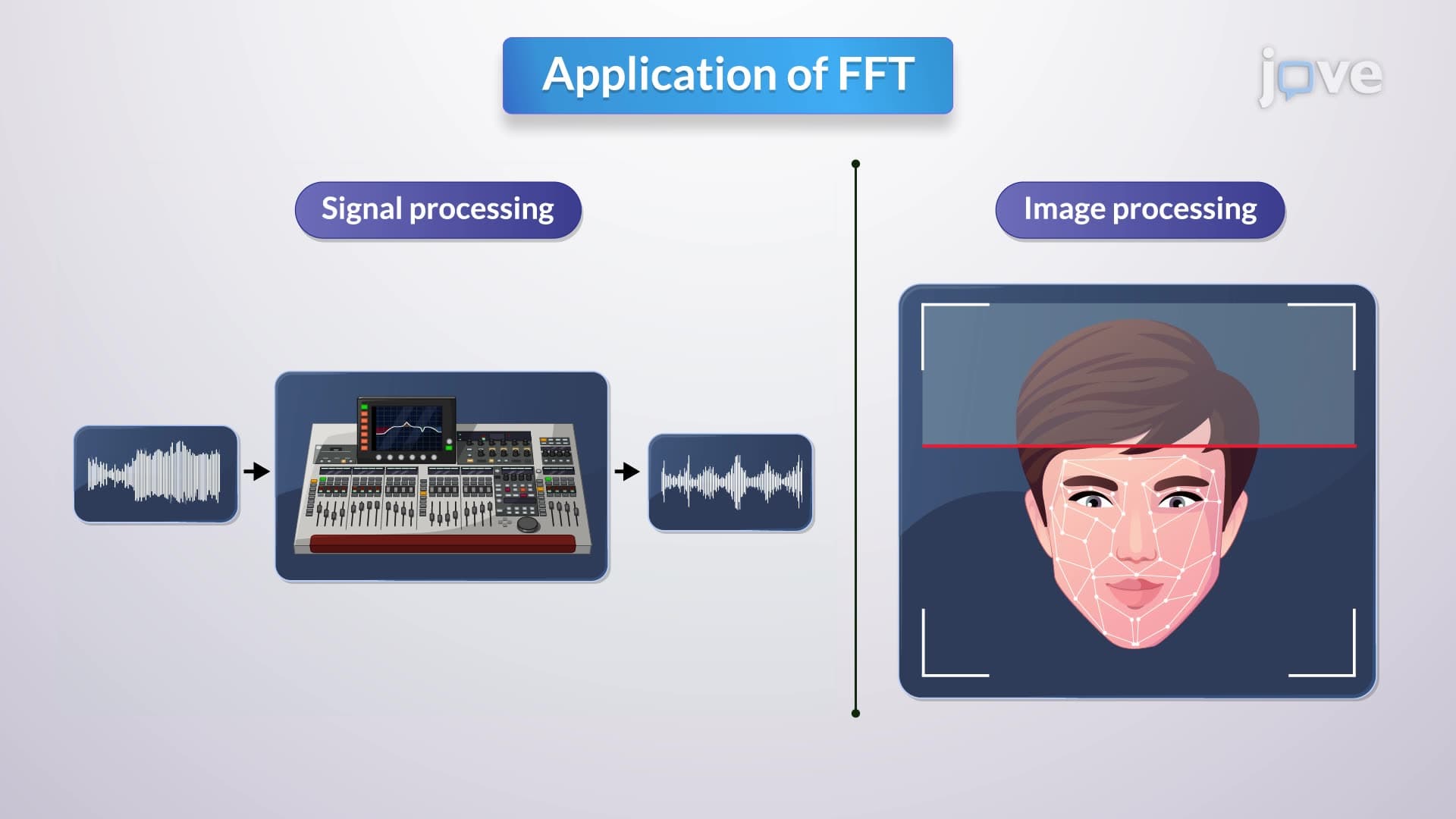
6. Discrete Fourier Transform and FFT Implementation DFT analyzes finite-length discrete signals, making it practical for digital computers and real-world data processing. American earthquake monitoring systems use DFT to analyze seismic vibrations recorded by digital sensors. The Fast Fourier Transform algorithm reduces computational complexity from N² to N log N operations, enabling real-time processing in applications from medical imaging to financial analysis. Students learn how FFT efficiency makes possible everything from MRI image reconstruction in hospitals to real-time audio processing in live concert venues across the United States.