Loading video…


 10 Concepts
 6.5K views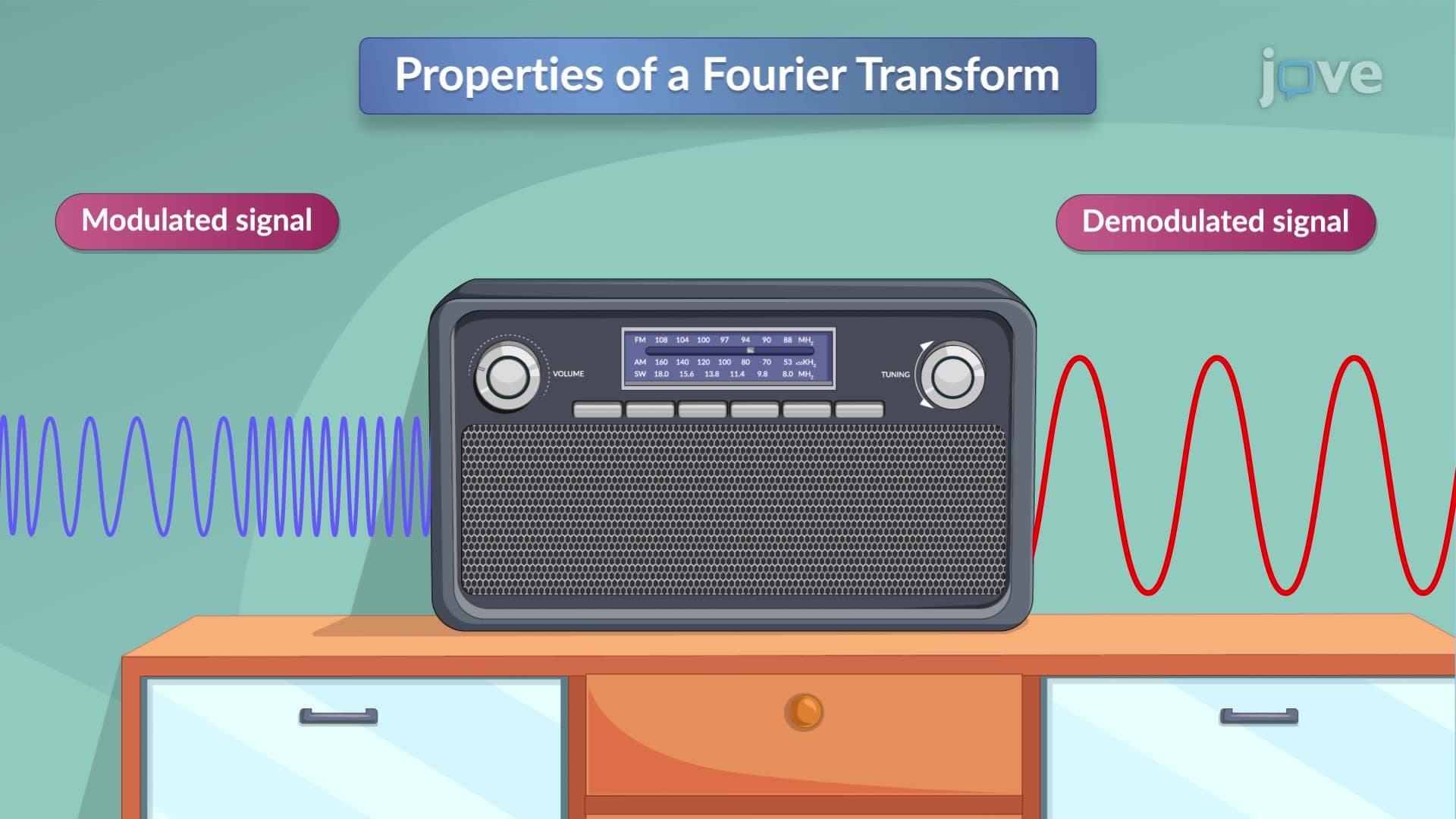

Video Summary: Properties of Fourier Transform I Explained
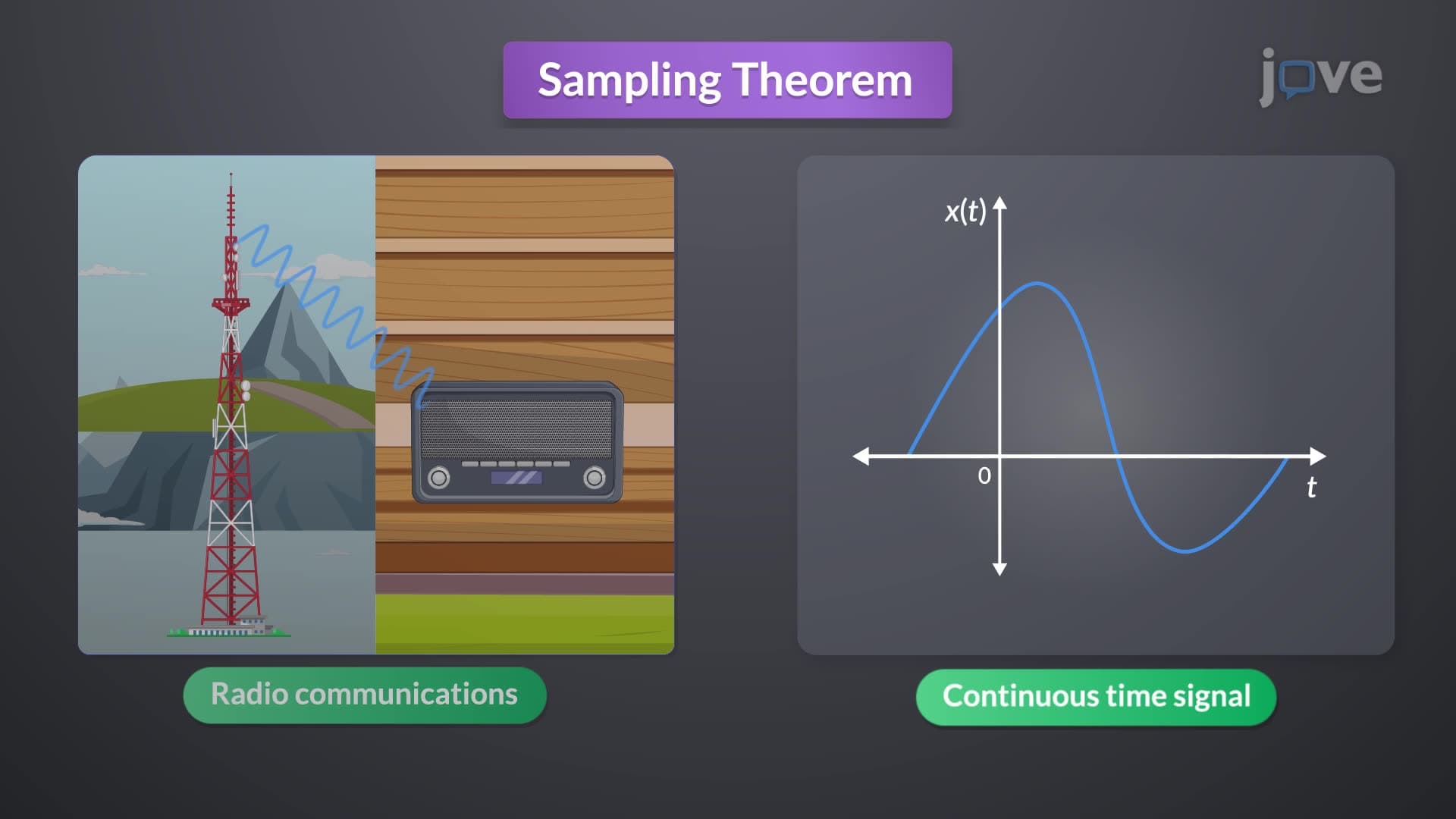
Did you know that when you stream music on Spotify, the properties of Fourier transform enable your device to process multiple audio channels simultaneously while adjusting playback speeds in real-time? The Properties of Fourier Transform I Explained reveals how mathematical operations like time scaling, shifting, differentiation, and integration translate directly into frequency domain transformations. Radio stations across America rely on these principles to broadcast multiple channels and adjust transmission delays for different time zones. Watch the full video on JoVE Coach to master this concept with expert-led visuals and step-by-step explanations.
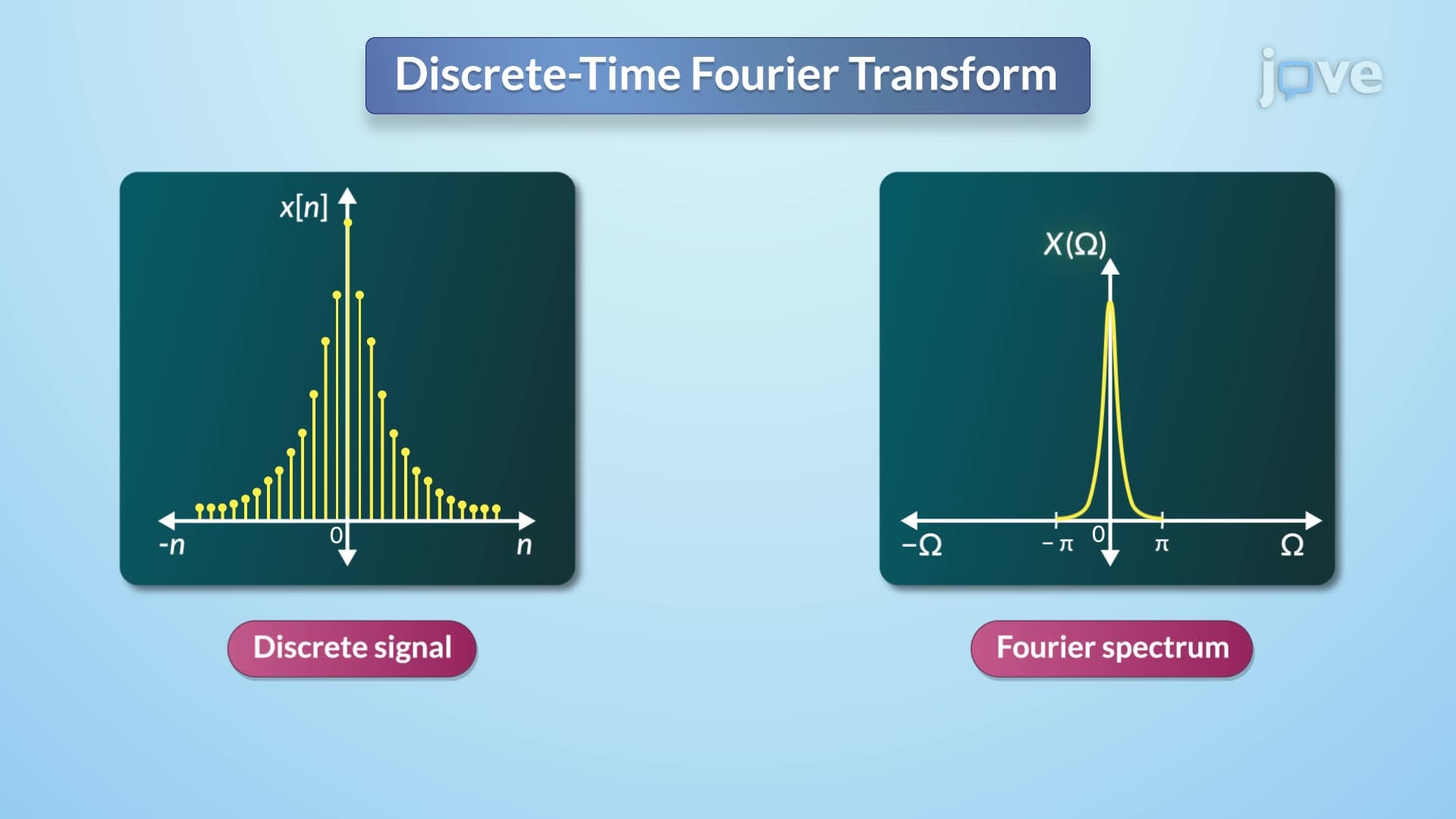
The properties of Fourier transform form the mathematical foundation for modern signal processing, from the cellular networks connecting millions of Americans to the digital audio systems in every smartphone. These properties create predictable relationships between operations performed in the time domain and their corresponding effects in the frequency domain, enabling engineers to solve complex problems with elegant mathematical tools.
The linearity property stands as perhaps the most powerful tool in Fourier analysis, allowing engineers to decompose complex signals into simpler components. When multiple audio signals combine-such as voice, music, and sound effects in a live television broadcast-the Fourier transform of the combined signal equals the sum of individual transforms. This principle enables NBC, CBS, and other major networks to process multiple audio channels simultaneously while maintaining signal integrity across their transmission systems.
Students preparing for AP Physics C or college-level engineering courses frequently encounter problems requiring linearity applications. For instance, analyzing the composite signal from multiple radio stations broadcasting in the same geographic area becomes manageable when applying superposition principles to individual Fourier transforms.
Time scaling demonstrates one of the most counterintuitive properties of fourier transform ii-when a signal compresses in time by factor 'a', its frequency spectrum expands by factor '1/a'. This inverse relationship explains why high-speed audio playback (like 2x speed podcast listening) shifts frequency content upward, while slow-motion video analysis spreads frequencies across a wider range.
American broadcasting engineers apply time scaling when converting between different transmission standards or adjusting content for various playback speeds. Students taking the MCAT or preparing for biomedical engineering programs often see this principle in medical imaging applications, where temporal resolution trades off against frequency resolution in diagnostic equipment.
Time shifting properties reveal why satellite communications maintain audio quality despite transmission delays. When a signal shifts by time constant 't₀', the frequency domain magnitude remains unchanged while phase shifts linearly with frequency. This explains how GPS systems across the United States maintain synchronization despite varying signal travel times from satellites to receivers.
The differentiation and integration properties complete the fundamental toolkit, transforming calculus operations into simple algebraic manipulations in the frequency domain, essential for students tackling advanced STEM coursework.
Related Micro-courses