Loading video…


 10 Concepts
 6.5K views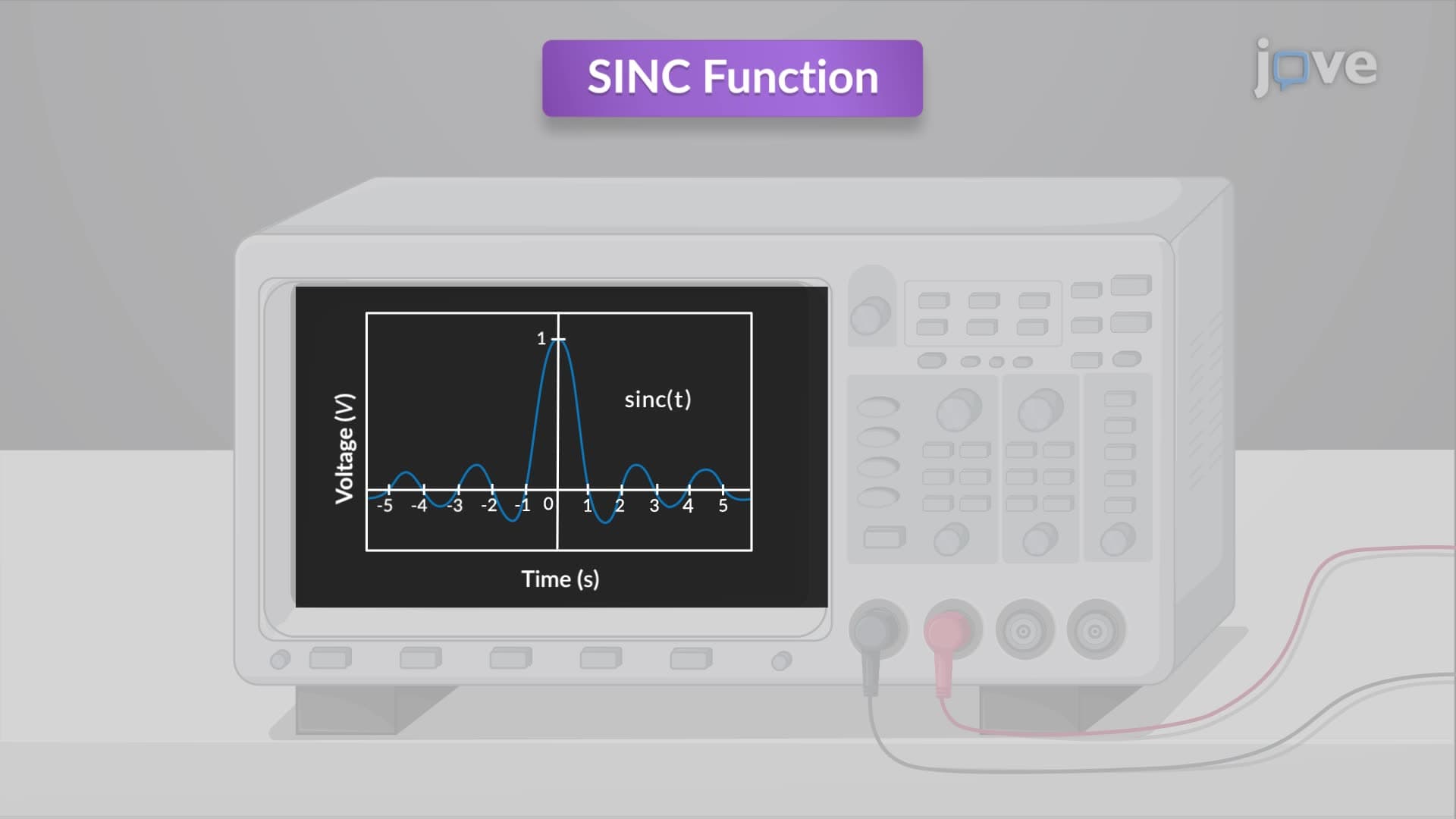

Video Summary: Basic Signals of Fourier Transform Explained
Ever wondered how your smartphone's noise-canceling headphones isolate specific frequencies from background chatter? The properties of fourier transform i make this digital magic possible through mathematical relationships between time and frequency domains. Understanding Basic Signals of Fourier Transform Explained reveals how sinc functions, exponential signals, and delta functions create the foundation for modern signal processing applications, from MRI machines at Johns Hopkins Hospital to GPS navigation systems. Watch the full video on JoVE Coach to master this concept with expert-led visuals and step-by-step explanations.
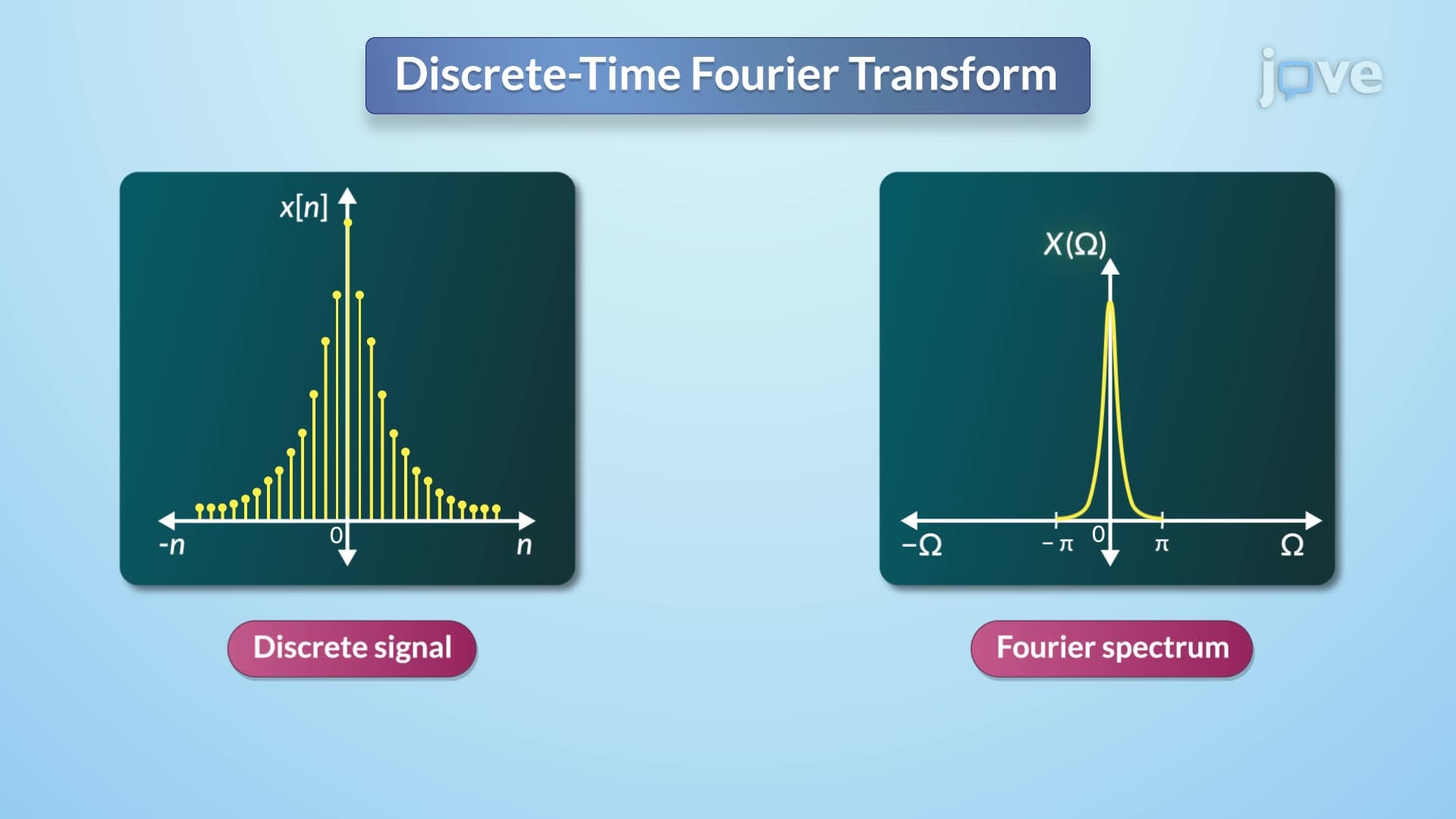
The properties of fourier transform i form the mathematical backbone of modern signal processing, from the audio compression algorithms in Spotify to the image enhancement systems used in NASA's Mars rover cameras. These fundamental relationships between time-domain signals and their frequency-domain representations enable engineers to analyze, filter, and manipulate signals across countless applications.
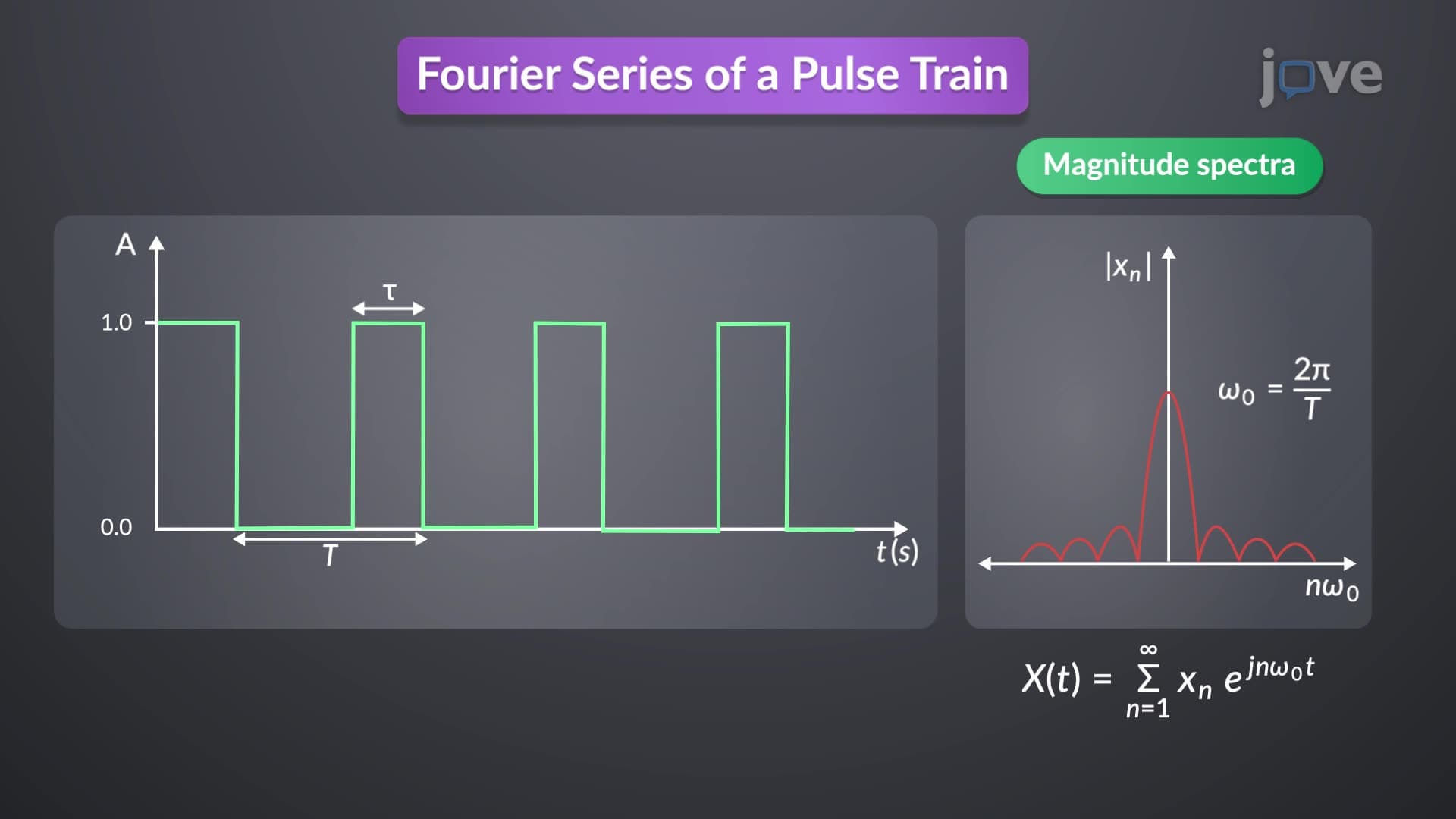
The sinc function represents one of the most important properties of fourier transform i concepts. When a rectangular pulse-imagine the sharp on-off signal controlling traffic lights in New York City-undergoes Fourier transformation, it produces a sinc function characterized by a central peak at zero frequency with progressively smaller oscillating lobes extending infinitely in both directions. This even symmetry property makes the sinc function predictable and mathematically elegant.
Students preparing for AP Physics C or college-level signals and systems courses should recognize that the sinc function's formula, sinc(x) = sin(πx)/(πx), equals exactly 1 when x = 0. This behavior explains why digital communication systems, like those used by Verizon's 5G networks, must carefully manage bandwidth to prevent signal interference between adjacent frequency channels.
Exponential signals in the time domain, expressed as complex-valued functions e^(jωt), transform into single impulses at specific frequencies. This properties of fourier transform i tutorial concept explains how pure tones-like the 440 Hz note produced by a concert A tuning fork used by the Boston Symphony Orchestra-appear as sharp spikes in frequency analysis software.
The mathematical elegance emerges from the transform's linearity: a sinusoidal oscillation at one frequency creates exactly one frequency component. This principle underlies how radio stations like WBUR (90.9 FM) can broadcast distinct signals without interfering with neighboring frequencies, and how properties of fourier transform i works in practical wireless communication systems.
The delta function, zero everywhere except at a single point where it approaches infinity, transforms into a constant across all frequencies. This counterintuitive properties of fourier transform i overview reveals that an infinitely brief impulse contains every possible frequency with equal strength. Medical imaging systems at Massachusetts General Hospital exploit this property when processing ultrasound signals, where brief acoustic pulses generate the broad frequency content necessary for high-resolution tissue imaging.
Related Micro-courses