Loading video…


 10 Concepts
 6.5K views

Video Summary: What are Properties of Dtft Ii
Ever wonder how Spotify's algorithms analyze your music preferences or how noise-canceling headphones work? The discrete Fourier transform makes these technologies possible by converting digital signals between time and frequency domains. Understanding what are Properties of DTFT II reveals advanced mathematical relationships like frequency differentiation, convolution properties, and Parseval's relation that engineers use in signal processing applications from telecommunications to medical imaging devices used in US hospitals. Watch the full video on JoVE Coach to master this concept with expert-led visuals and step-by-step explanations.
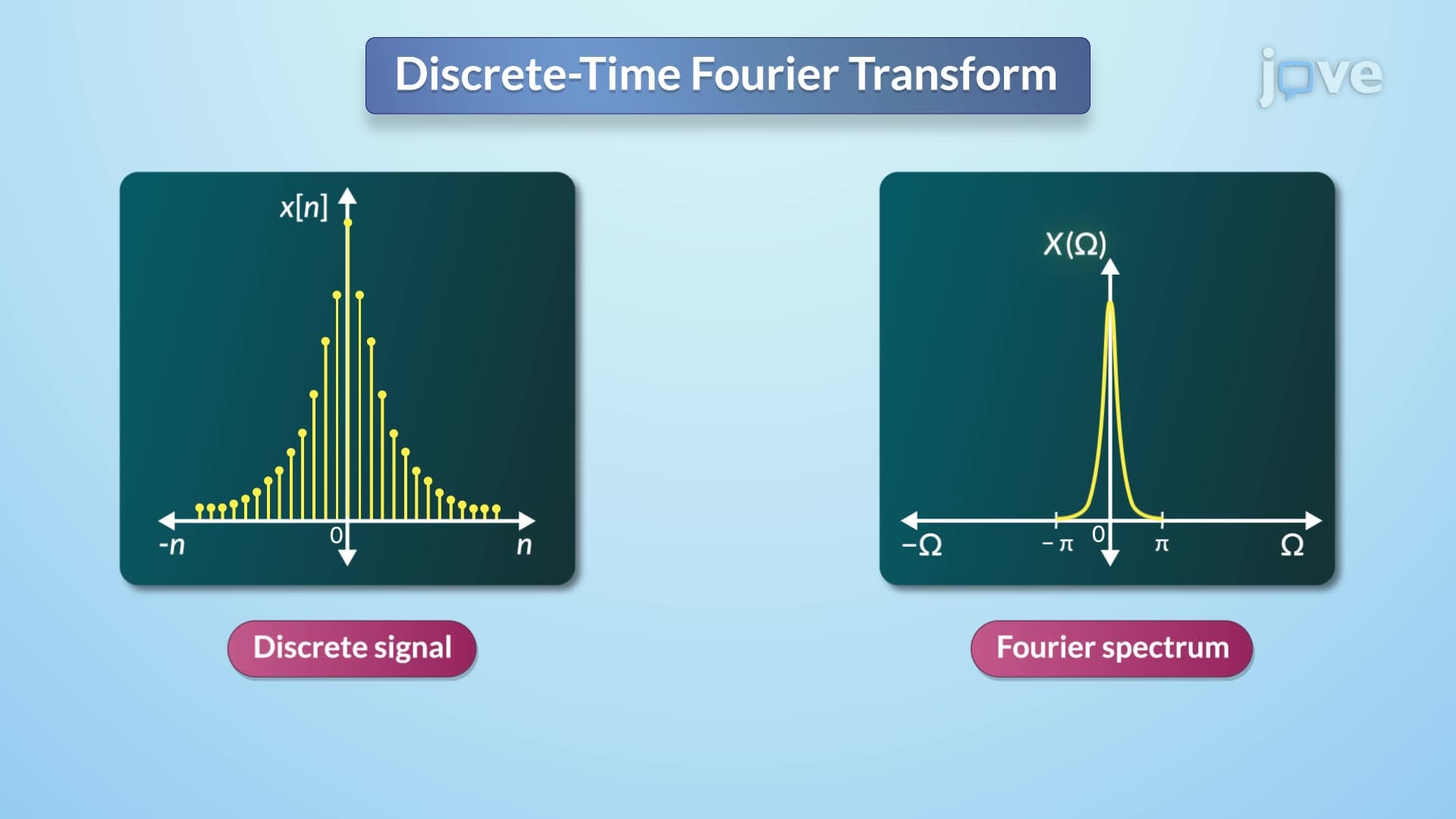
The discrete Fourier transform definition encompasses fundamental mathematical operations, but advanced DTFT properties reveal deeper relationships between time and frequency domains. These properties form the theoretical foundation for modern digital signal processing systems used in everything from cell phone communications to medical diagnostic equipment in US hospitals.
The frequency differentiation property demonstrates a crucial relationship: when you multiply a discrete-time signal x[n] by n (the time index), the frequency domain representation becomes the derivative of the original DTFT multiplied by j. This property proves essential in analyzing systems where signal characteristics change over time, such as radar systems used by US air traffic control or seismic monitoring equipment.
In practical terms, this means engineers can analyze how signals evolve by examining their frequency domain derivatives. For students preparing for AP Physics or college-level signals and systems courses, understanding this property helps solve problems involving time-varying signals and provides insight into why certain mathematical operations preserve or modify signal characteristics.
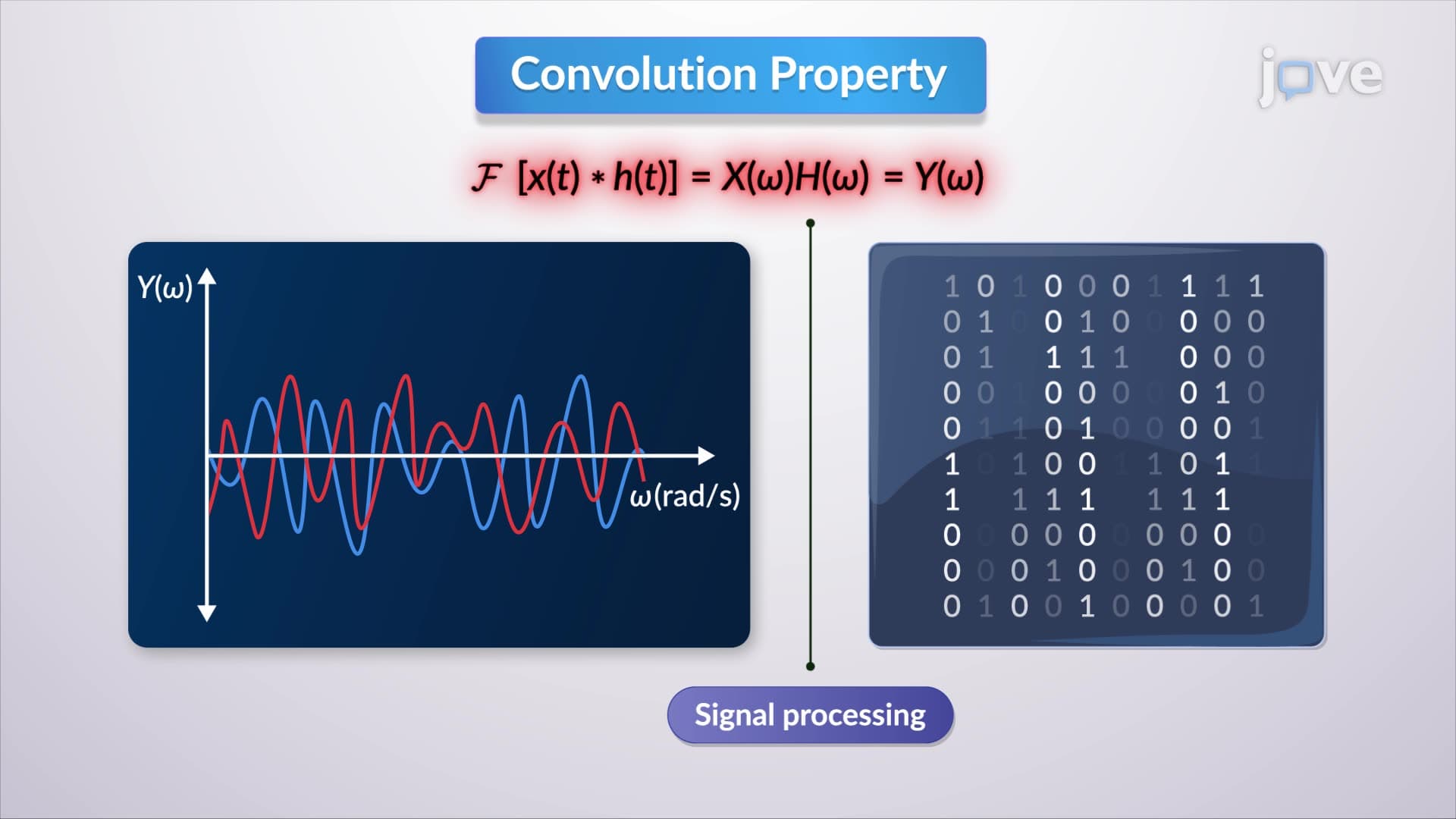
What is discrete Fourier transform in detail becomes clearer when examining convolution properties. Time domain convolution corresponds to frequency domain multiplication, while time domain multiplication results in frequency domain convolution scaled by 1/(2π). These dual relationships form the mathematical basis for filter design used in audio processing equipment and digital communications systems.
US engineering students encounter these concepts in courses like ECE 301 (Signals and Systems) where they learn to design digital filters for applications ranging from noise reduction in hearing aids to signal processing in satellite communications. The convolution properties allow engineers to choose whether to perform computationally intensive operations in time or frequency domains depending on efficiency requirements.
The accumulation property shows how signal summation creates periodic components in the frequency domain, appearing as delta functions at multiples of 2π. This property helps analyze cumulative processes in engineering systems, such as charge accumulation in capacitors or data buffering in computer networks.
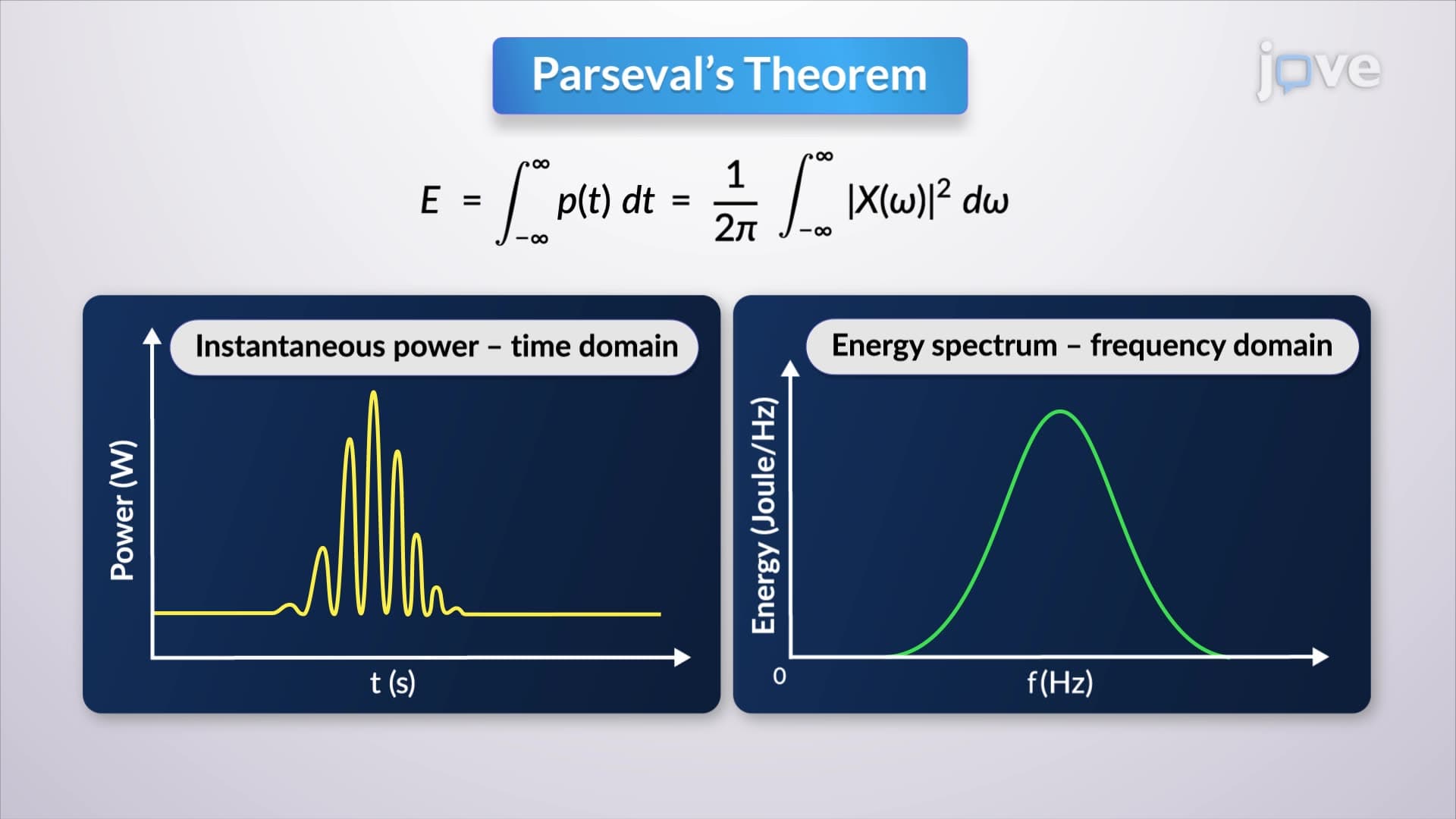
Parseval's relation demonstrates energy conservation between domains, stating that the total energy in the time domain equals the integral of the squared magnitude spectrum in the frequency domain. This fundamental principle ensures that no information is lost during transform operations and provides a verification method for signal processing calculations that students will use throughout their engineering careers.
Related Micro-courses