Loading video…


 10 Concepts
 6.5K views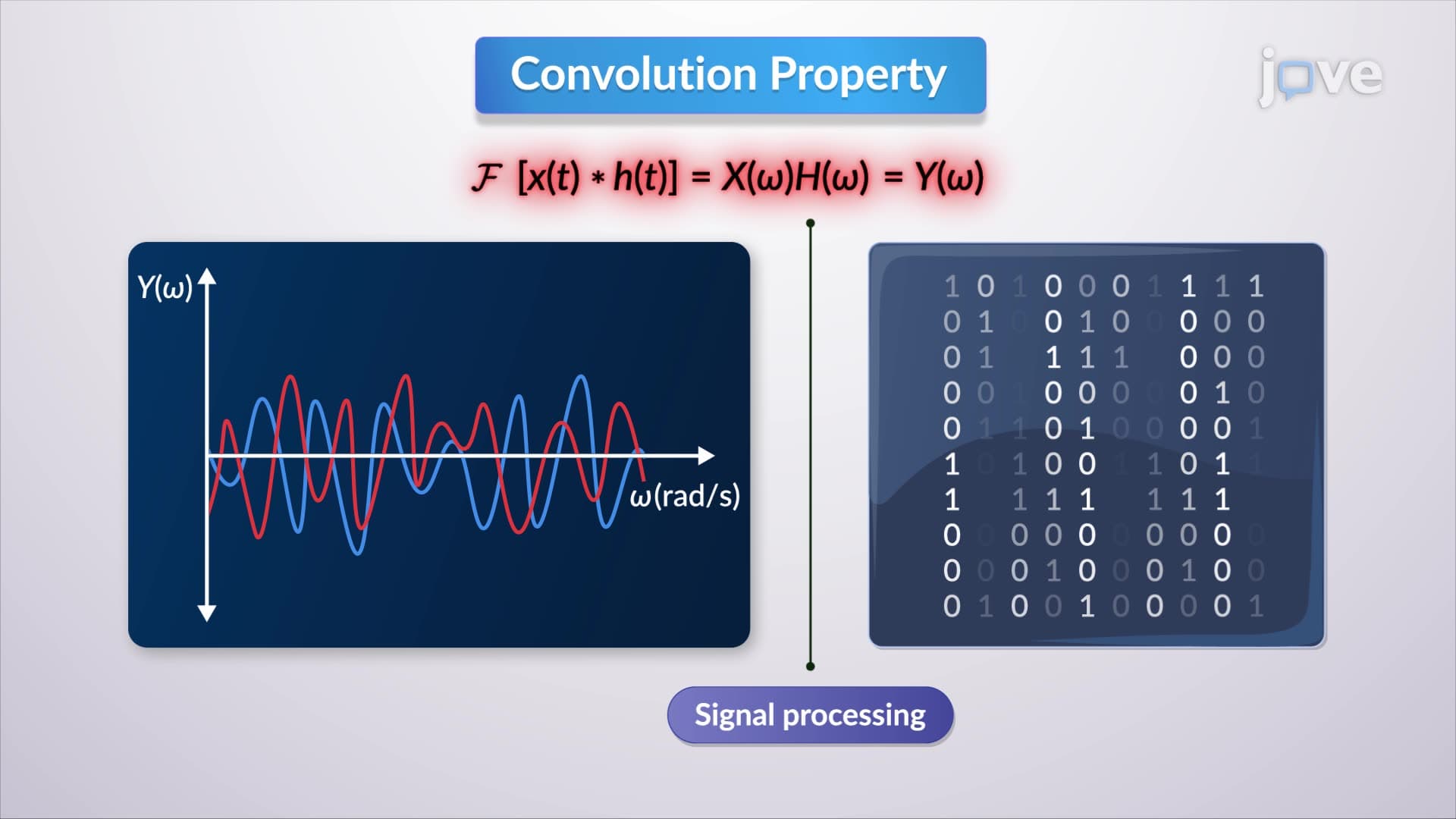

Video Summary: Properties of Fourier Transform Ii Explained
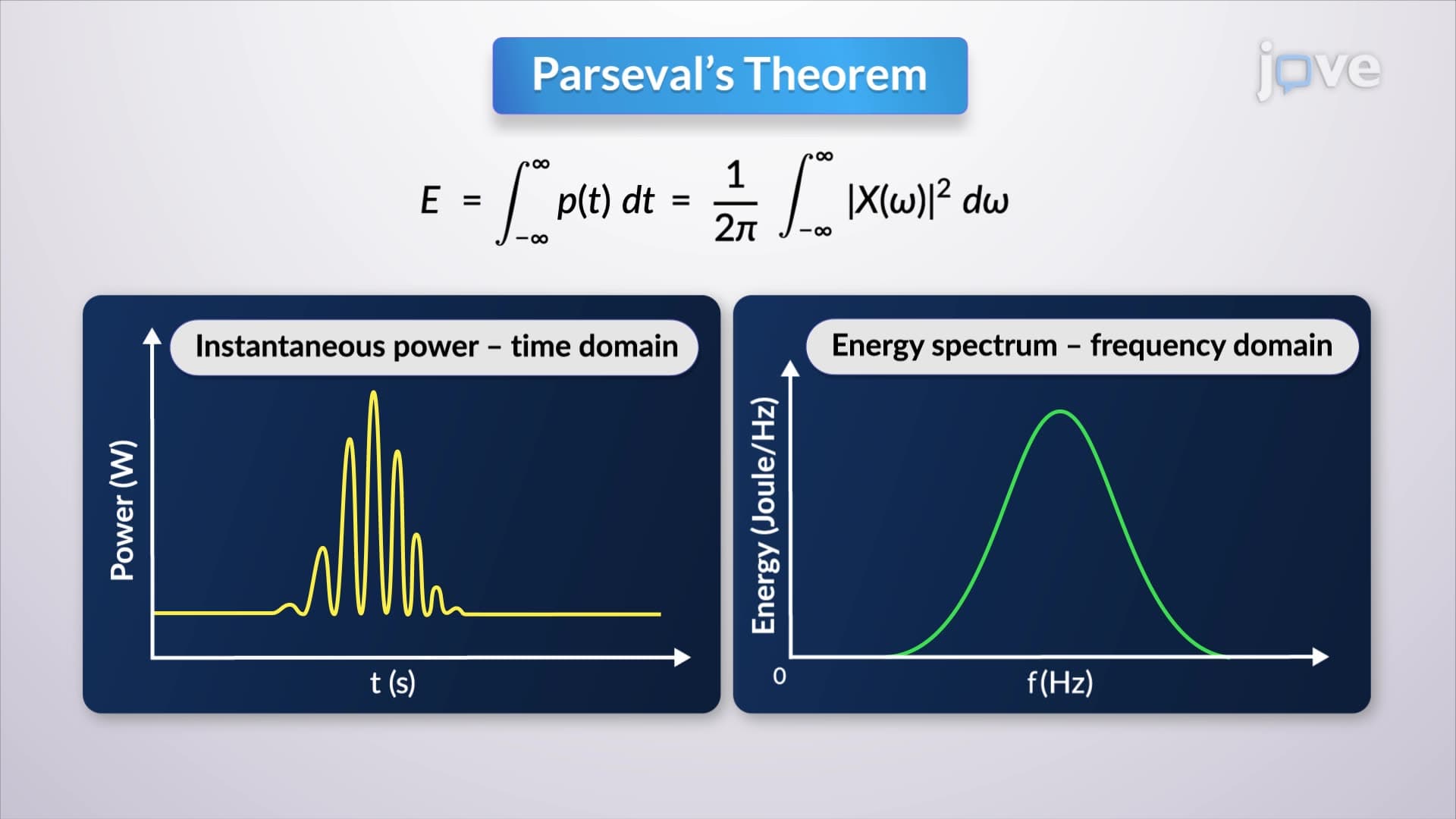
Did you know that Parseval's theorem for Fourier transform proves energy conservation between time and frequency domains? This fundamental principle demonstrates that signal energy remains constant whether measured in time or frequency space. Properties of Fourier Transform II Explained reveals how frequency shifting, time differentiation, and convolution properties work together in applications like NASA's radio telescope arrays, where multiple signals must be processed simultaneously without energy loss. Watch the full video on JoVE Coach to master this concept with expert-led visuals and step-by-step explanations.
The advanced properties of Fourier transforms reveal profound mathematical relationships that govern signal processing across engineering disciplines. These properties extend beyond basic transform pairs to demonstrate how operations in one domain translate to specific operations in the conjugate domain.
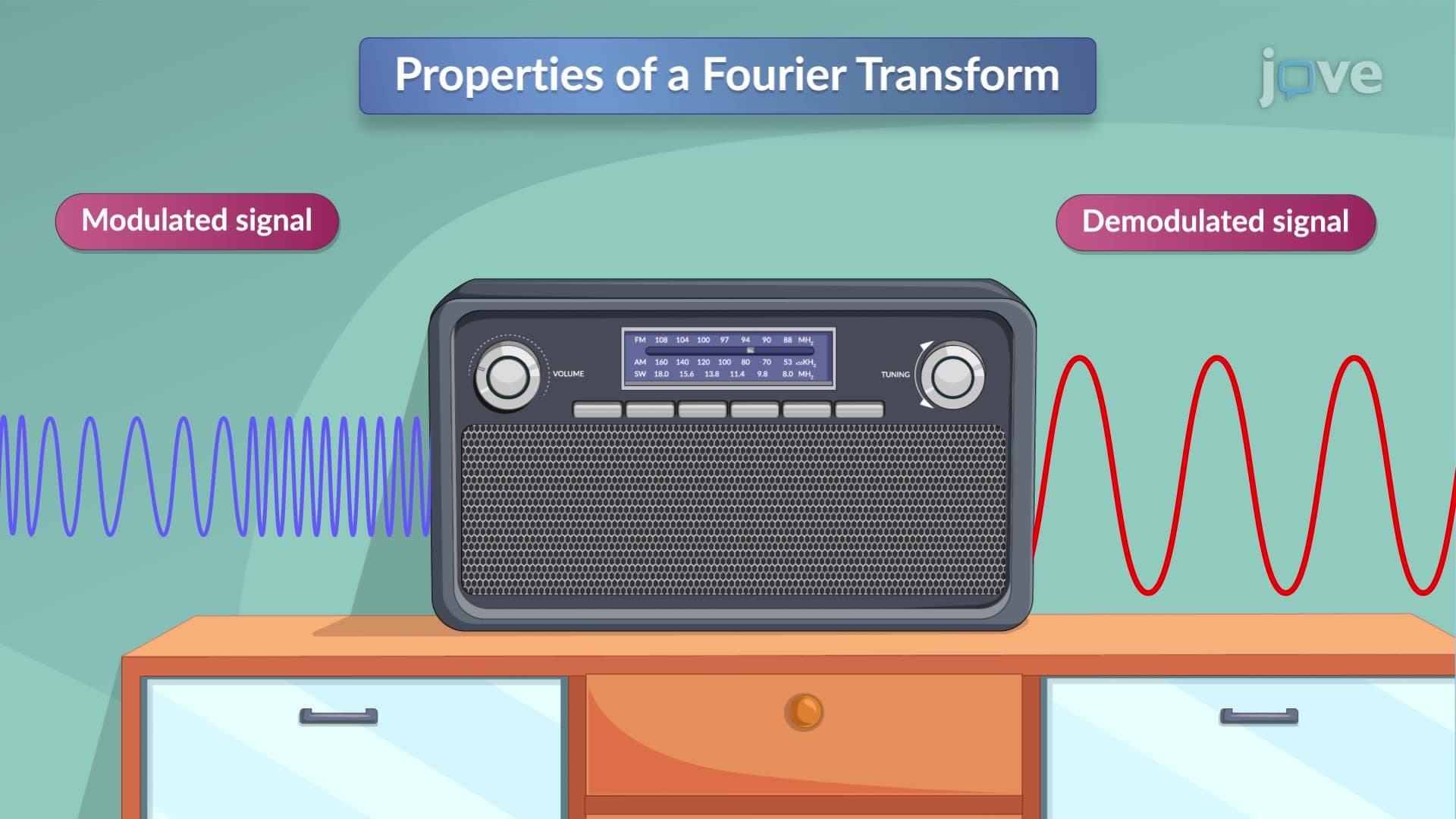
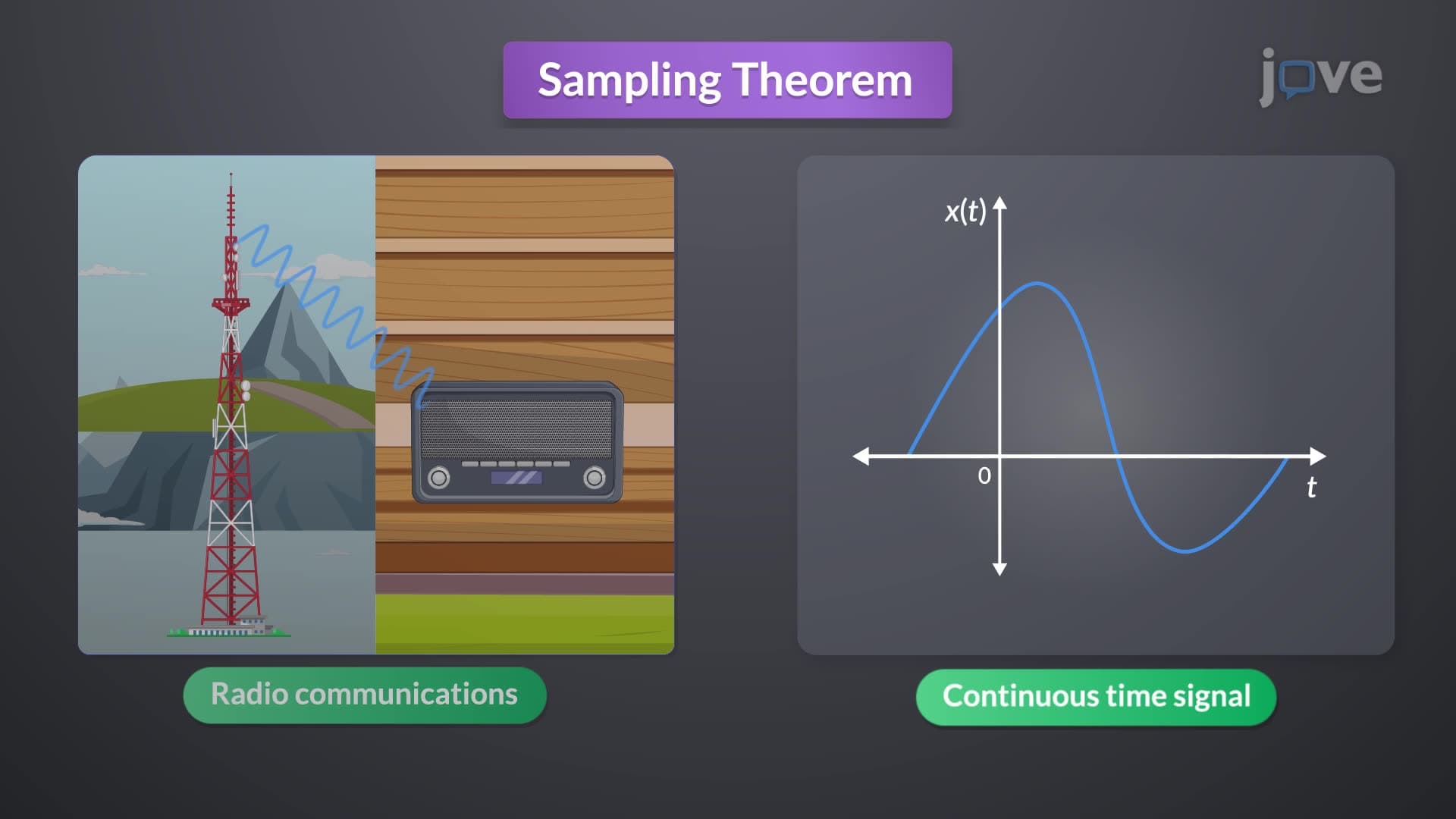
Frequency shifting property states that multiplying a time function by e^(jω₀t) shifts its Fourier transform by ω₀. This principle underlies amplitude modulation (AM) and frequency modulation (FM) broadcasting used by US radio stations. When WXYZ 101.1 FM broadcasts music, the station multiplies the audio signal by a carrier frequency of 101.1 MHz, effectively shifting the audio spectrum to that frequency band. This allows the FCC to allocate specific frequency ranges to different stations without interference.
The differentiation properties reveal elegant mathematical relationships. Time differentiation transforms d/dt[f(t)] into jωF(ω), where F(ω) is the original function's Fourier transform. This property proves invaluable in solving differential equations encountered in AP Physics C and college-level electrical engineering courses. For frequency differentiation, taking the derivative of F(ω) with respect to ω corresponds to multiplying the time function by (-jt). These properties appear frequently on MCAT physics sections and college midterm examinations.
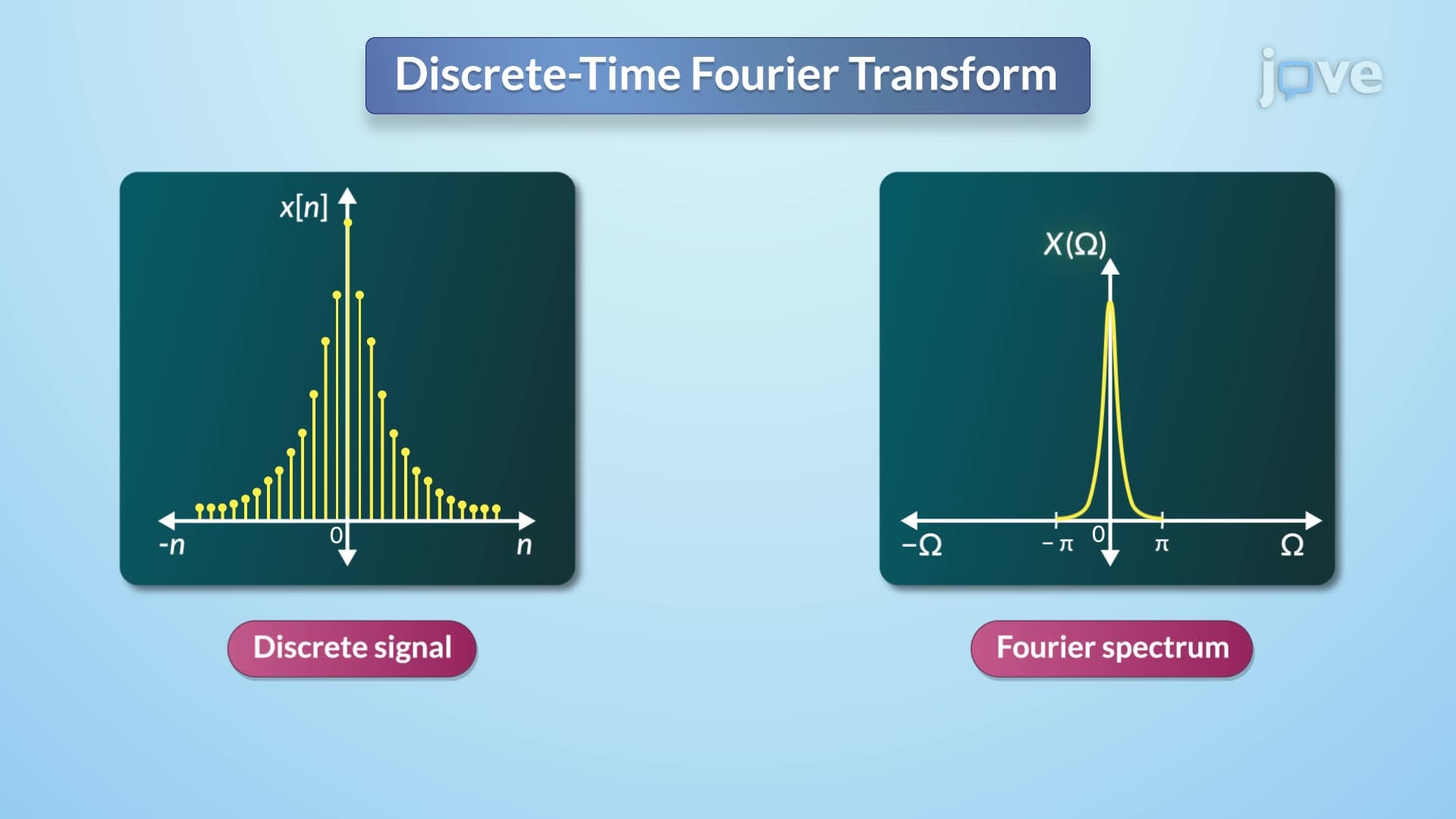
The duality property demonstrates remarkable symmetry: if f(t) transforms to F(ω), then F(t) transforms to 2πf(-ω). This reciprocal relationship helps students understand why narrow time pulses create wide frequency spectra, explaining why GPS satellites use brief, precisely-timed signals for accurate positioning.
Convolution property proves that convolving two time functions equals multiplying their individual Fourier transforms. This principle enables efficient digital signal processing in applications ranging from Spotify's audio compression algorithms to medical imaging systems used in US hospitals. Understanding these properties prepares students for advanced coursework in electrical engineering, biomedical engineering, and applied mathematics programs at institutions like MIT, Stanford, and UC Berkeley.
Related Micro-courses