Loading video…


 10 Concepts
 6.5K views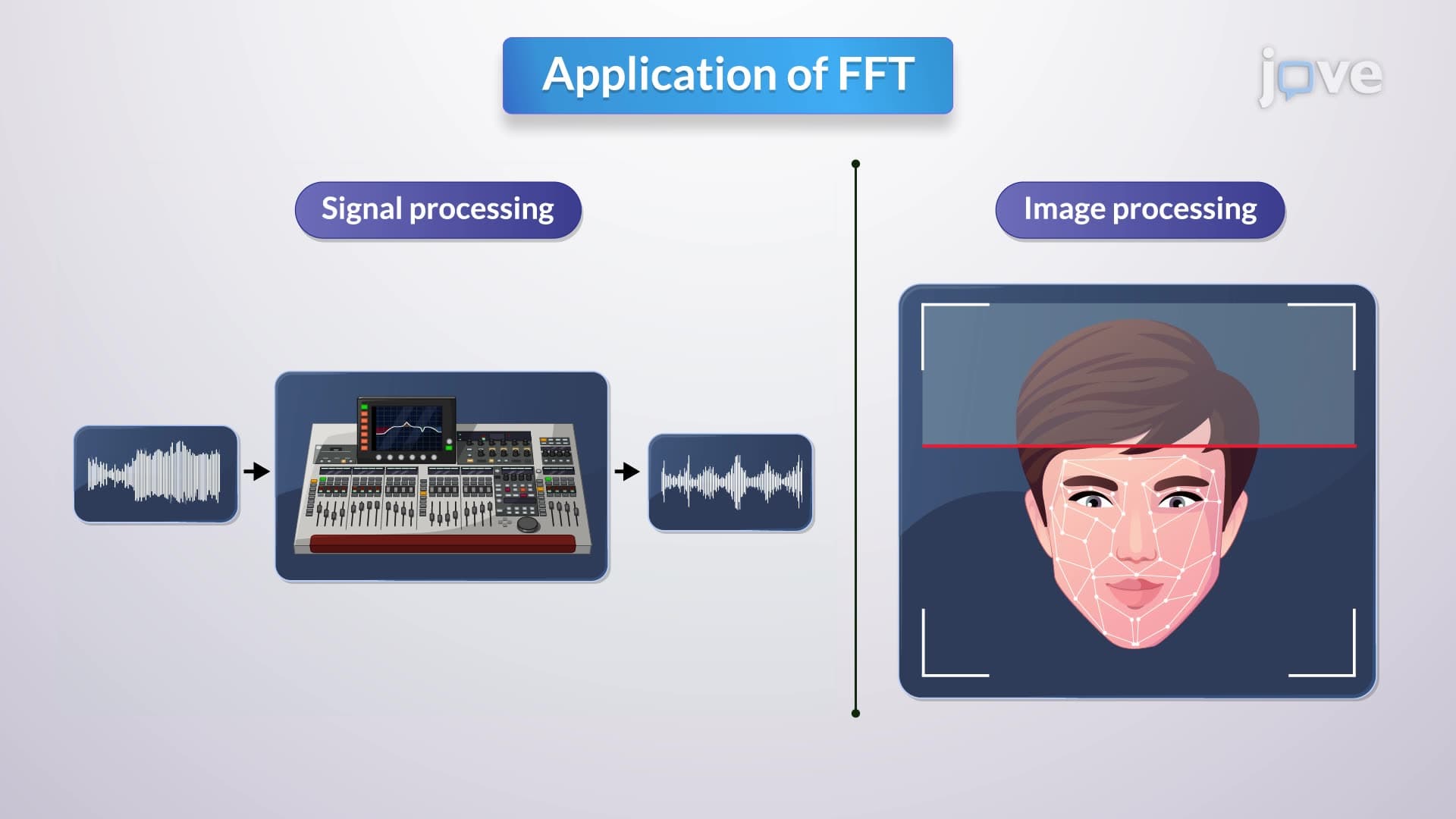

Video Summary: What Is Fast Fourier Transform
Ever wondered how your smartphone processes voice calls instantly or how Netflix streams HD video without lag? The sampling theorem ensures digital systems capture analog signals accurately, while the Fast Fourier Transform makes real-time processing possible. This revolutionary algorithm reduces complex mathematical operations from millions to thousands, enabling everything from MRI scans at Johns Hopkins Hospital to radar systems protecting US airspace. Watch the full video on JoVE Coach to master this concept with expert-led visuals and step-by-step explanations.
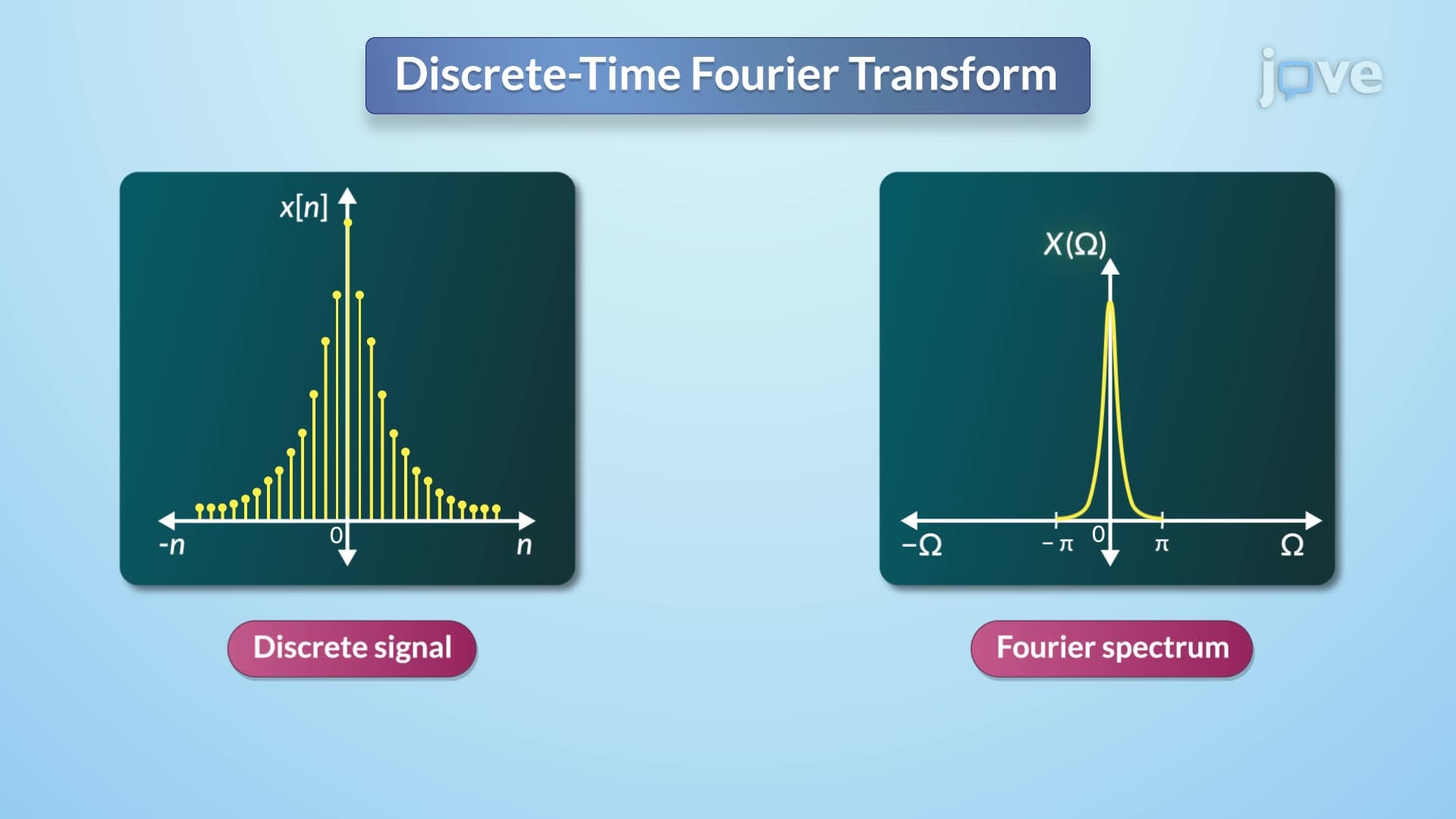
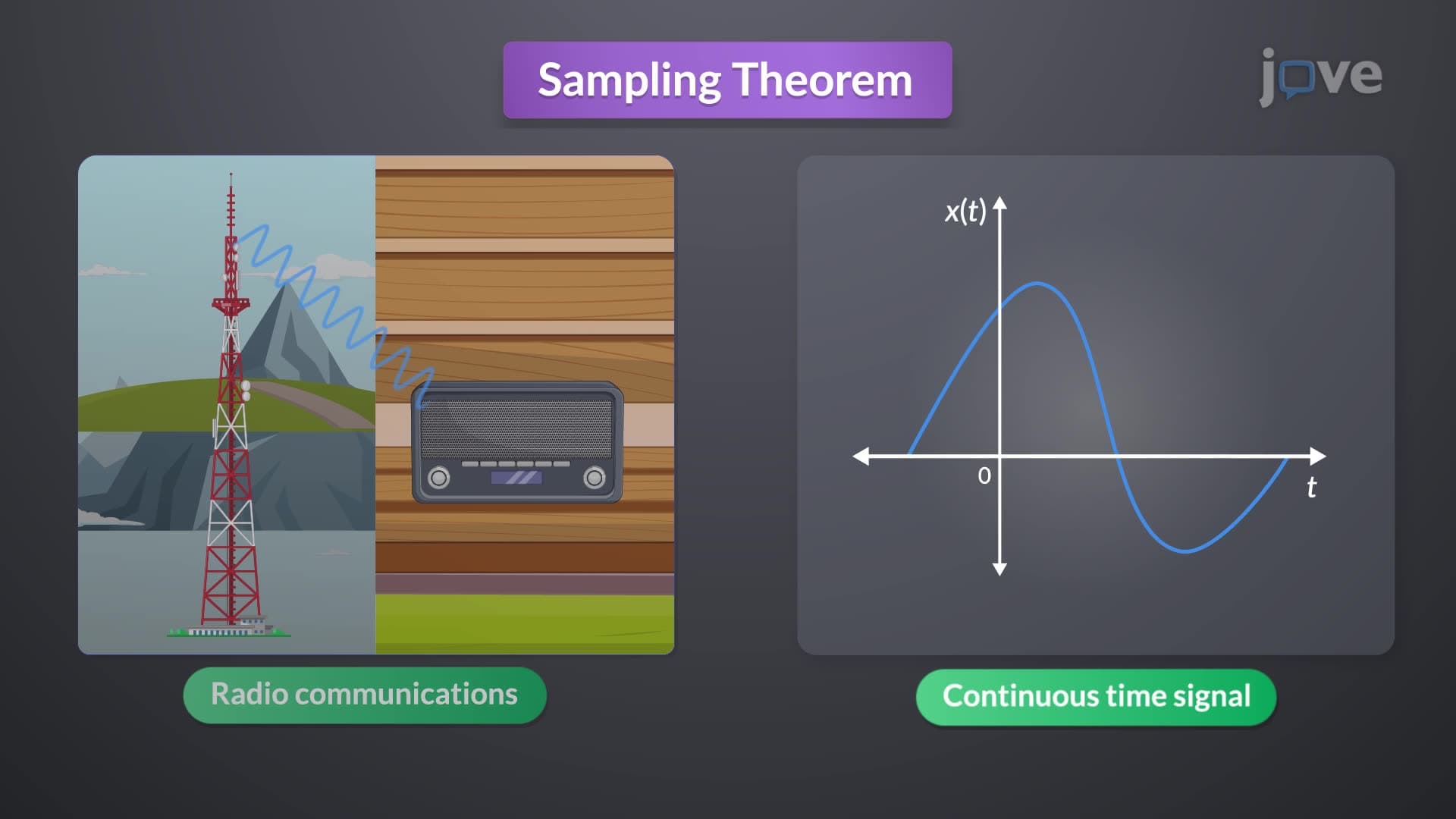
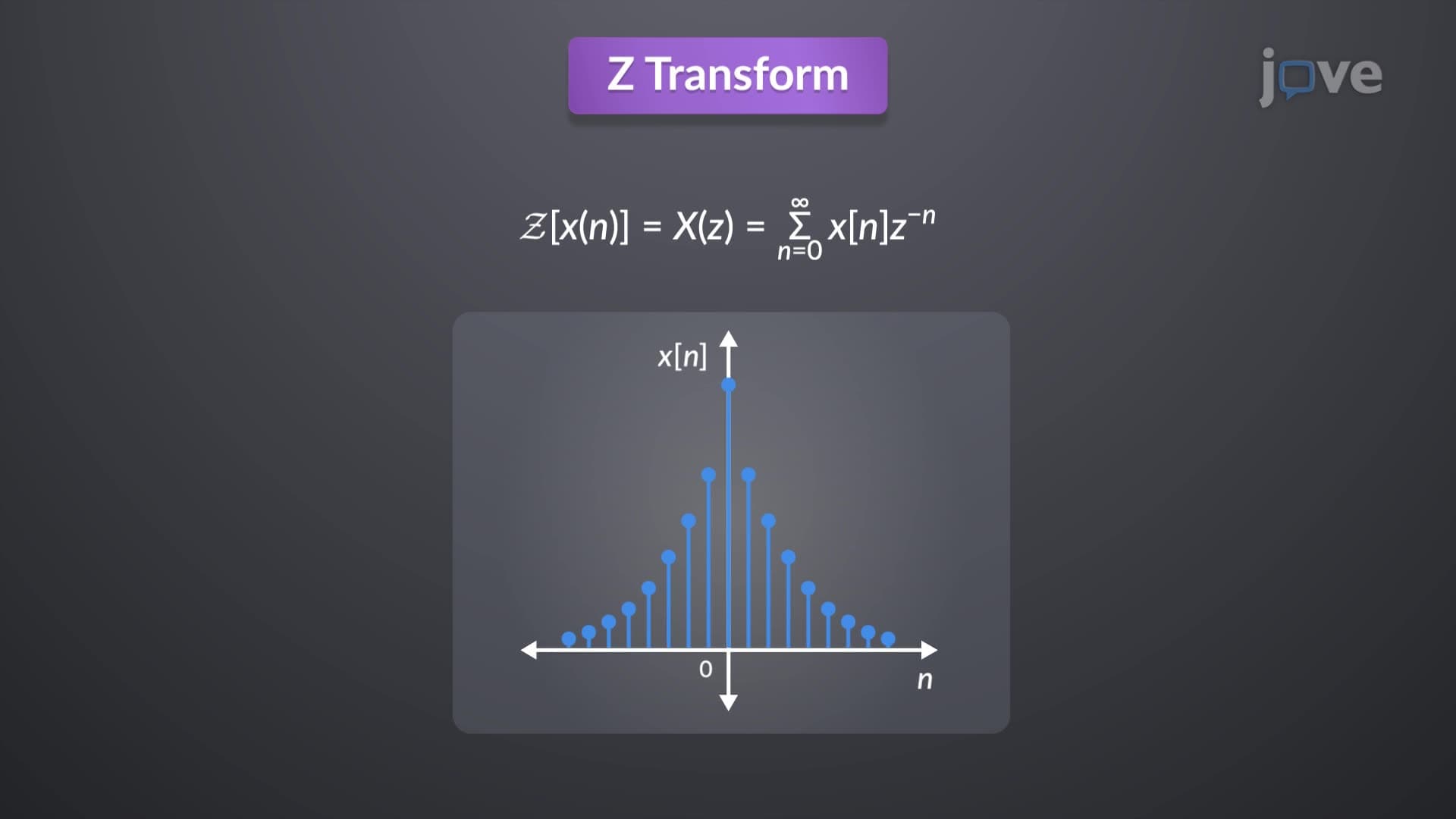
The Fast Fourier Transform represents one of the most significant algorithmic breakthroughs in computational mathematics, transforming how we process digital information. While the sampling theorem establishes that we can perfectly reconstruct continuous signals from discrete samples (when sampled at twice the highest frequency), the FFT makes this process computationally feasible for real-time applications.
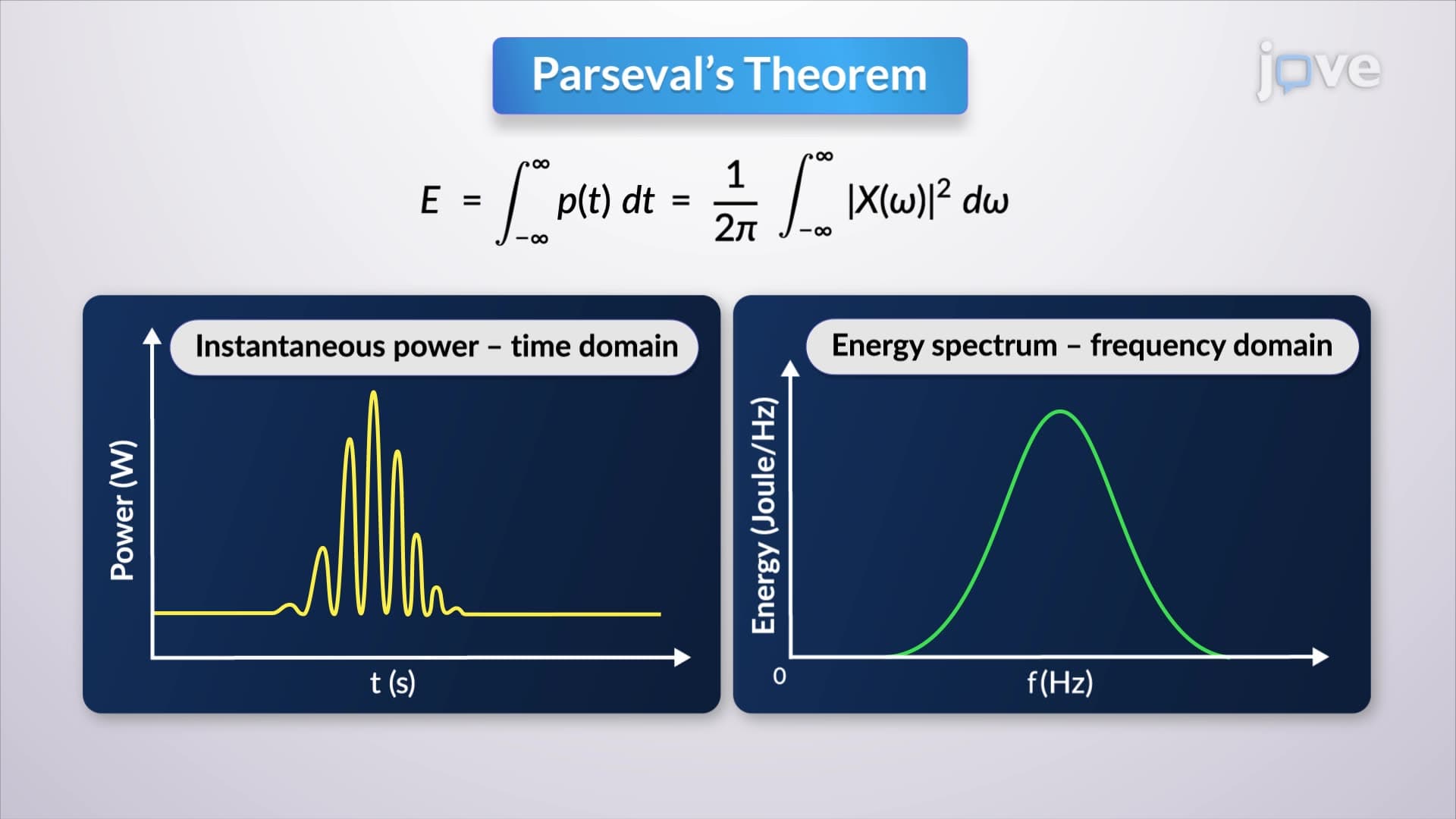
Traditional Discrete Fourier Transform (DFT) calculations require N² complex multiplications for N data points, creating a computational bottleneck as data size increases. The FFT algorithm ingeniously reduces this to N log₂(N) operations by exploiting mathematical symmetries. For a typical 1024-point transform, this means reducing 1,048,576 operations to just 10,240-a 99% reduction that enables real-time processing in everything from Spotify's audio compression to Tesla's autopilot radar systems.
The sampling theorem overview becomes tangible when examining FFT applications across American industries. At Mayo Clinic, MRI machines use FFT algorithms to convert radio frequency signals into detailed brain images within seconds. NASA's Deep Space Network relies on FFT processing to extract weak signals from Mars rovers amid cosmic noise. Even Wall Street trading firms employ FFT analysis to identify patterns in millisecond-level market data, where the sampling theorem concept ensures accurate price signal reconstruction.
Students encounter FFT concepts across multiple educational levels. AP Physics students analyze wave interference using frequency domain principles, while college engineering majors tackle FFT problems in signals and systems courses. The MCAT includes questions on medical imaging physics where understanding sampling theorem connects to diagnostic technology. Graduate programs like those at MIT and Stanford require deep FFT knowledge for advanced signal processing research, making this a foundational concept for STEM careers.
Related Micro-courses