Loading concepts…


13 Concepts
11 Concepts
9 Concepts
8 Concepts
13 Concepts
16 Concepts
9 Concepts
11 Concepts
15 Concepts
11 Concepts
14 Concepts
20 Concepts
11 Concepts
7 Concepts
5 Concepts
7 Concepts
10 Concepts
7 Concepts
7 Concepts
5 Concepts
9 Concepts
7 Concepts
7 Concepts
7 Concepts
10 Concepts
4 Concepts
7 Concepts
6 Concepts
8 Concepts
9 Concepts
7 Concepts
5 Concepts
5 Concepts
 10 Concepts
 3K Views
 Popular topics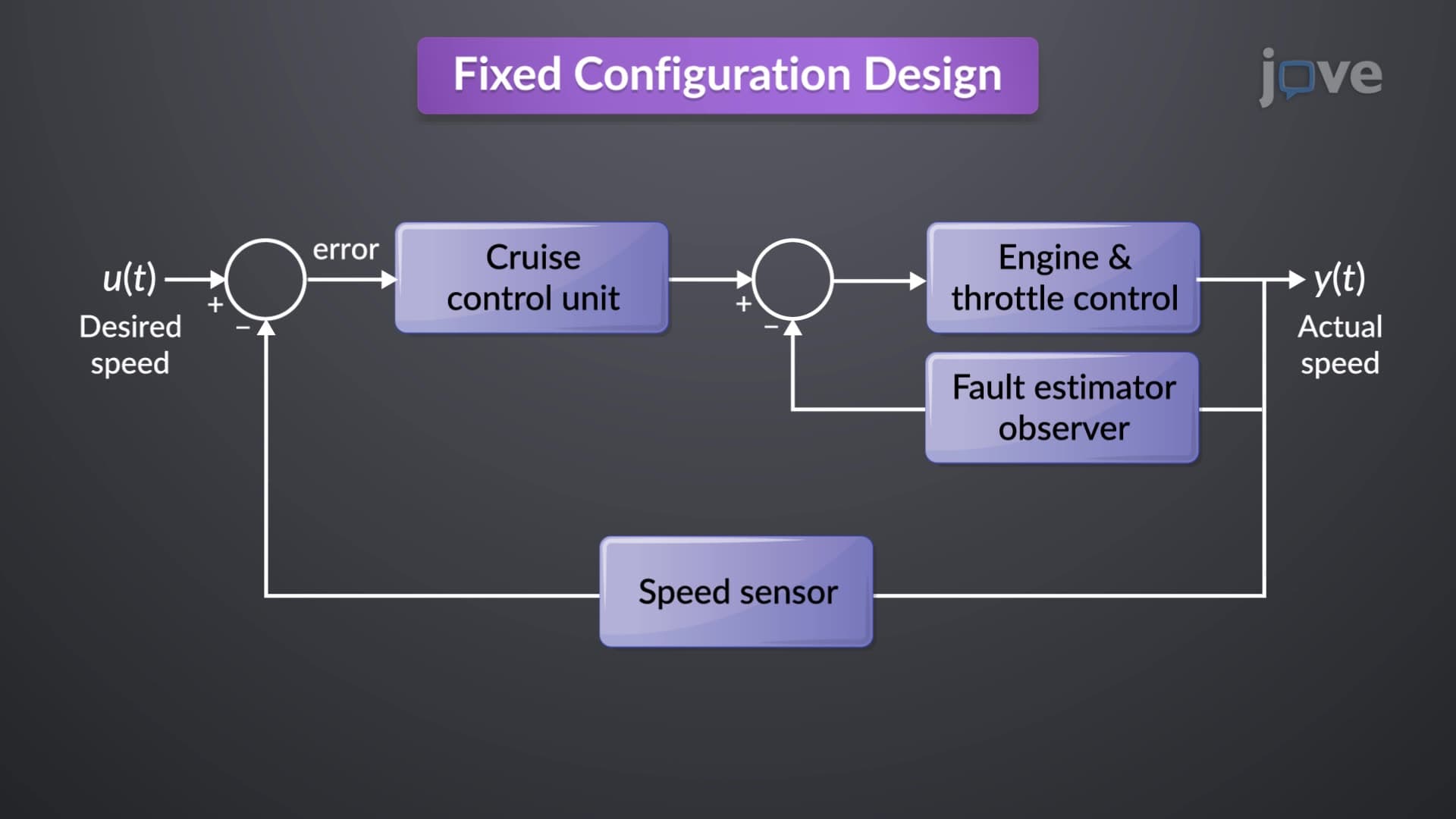

Control systems design encompasses the strategic development and optimization of controllers that regulate system behavior across various engineering applications. From automotive cruise control maintaining highway speeds to smartphone brightness adjustment responding to ambient light, mastering PID controller design and compensation methods ensures reliable performance. This comprehensive exploration covers time-domain and frequency-domain design approaches, equipping students with essential skills for modern engineering challenges. JoVE Coach provides structured learning for these fundamental concepts.
1. Controller Configurations and Compensation Methods: Control systems design employs various architectural approaches including cascade compensation, feedback compensation, and state-feedback control. Traditional automotive cruise control systems demonstrate cascade compensation where controllers align directly with the process, maintaining consistent highway speeds while monitoring traffic conditions. Feedback compensation positions controllers in minor feedback paths, exemplified by modern vehicle stability systems that continuously adjust brake pressure. Two-degrees-of-freedom configurations provide enhanced flexibility over single-degree systems, allowing independent optimization of tracking performance and disturbance rejection in applications like aircraft autopilot systems used in commercial aviation throughout the United States.
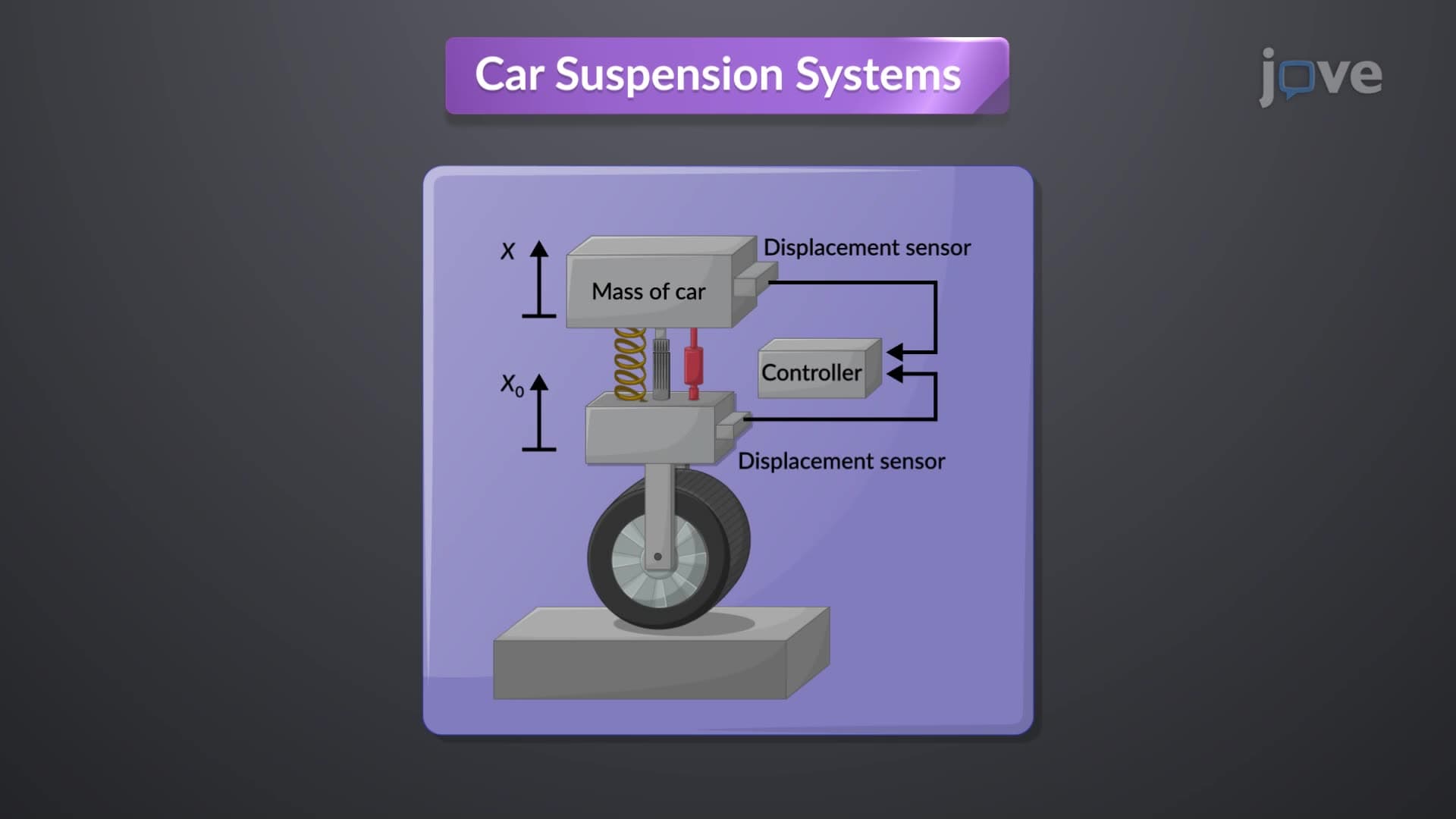
2. PD Controller Design and Implementation: Proportional-Derivative controllers combine immediate error response with predictive error rate correction, effectively managing dynamic systems like automotive suspension damping. Electronic implementation utilizes operational amplifier circuits with carefully selected resistor and capacitor values to achieve independent control of proportional and derivative gains. The forward-path transfer function modification through zero addition counteracts system poles, enhancing stability margins. PD control reduces maximum overshoot and oscillation in motor control systems by providing anticipatory correction based on error signal slopes, making it ideal for applications requiring rapid response without steady-state accuracy requirements, such as robotic arm positioning systems used in manufacturing facilities across American industrial centers.
3. Time-Domain Analysis of PD Control: Time-domain interpretation reveals how PD controllers modify system transient response through error signal and error rate processing. Motor control systems demonstrate this principle where positive error signals and excessive torque create overshoot conditions that PD control mitigates through derivative action. The mechanism acts as an anticipatory system, using error signal slopes to predict and correct trajectory deviations before they become excessive. This approach proves particularly effective in applications like computer hard drive head positioning, where rapid settling without overshoot ensures data accuracy. PD control impact on steady-state error occurs only when errors vary continuously over time, distinguishing it from constant steady-state error scenarios common in DC motor speed control applications.
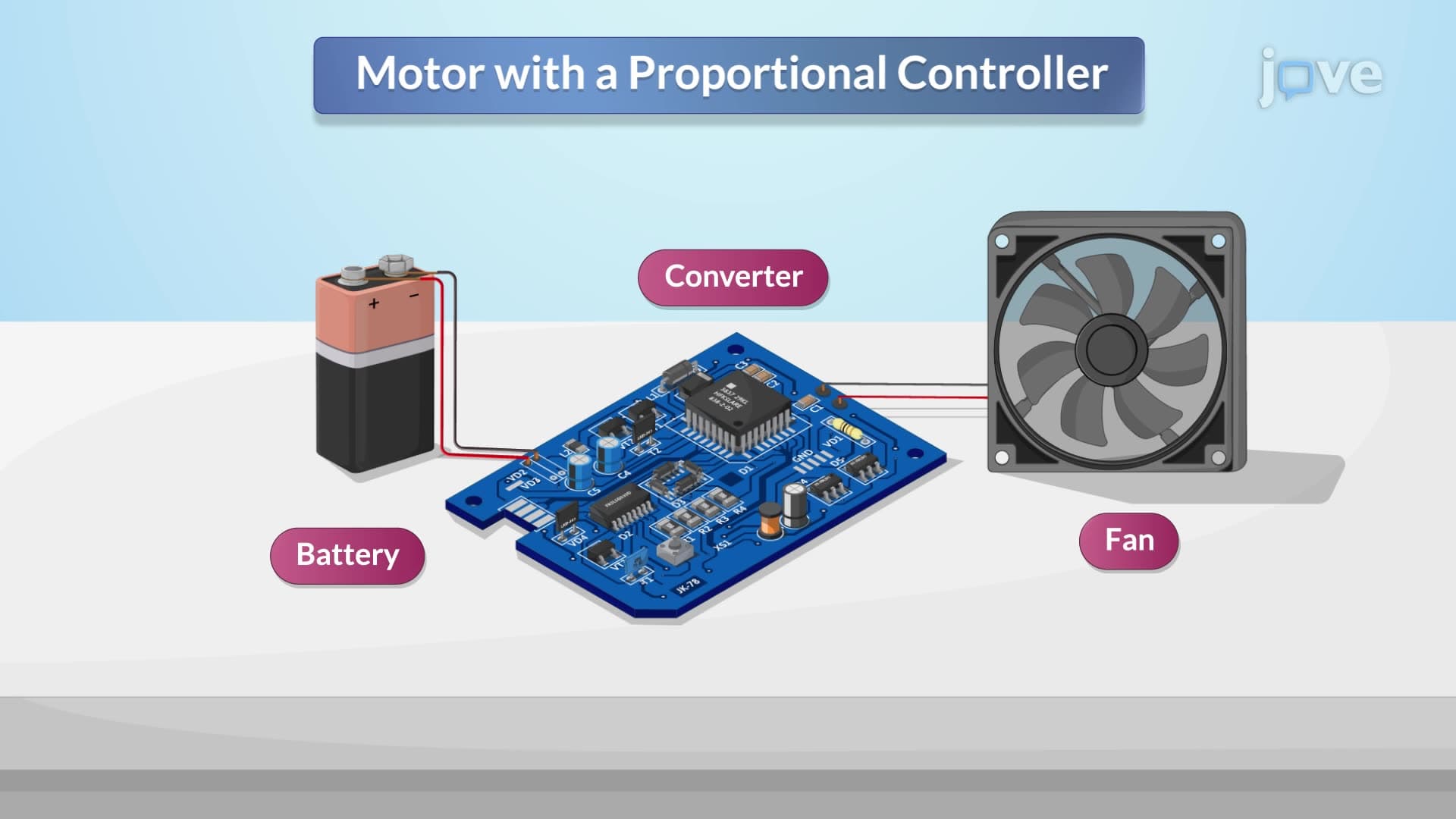
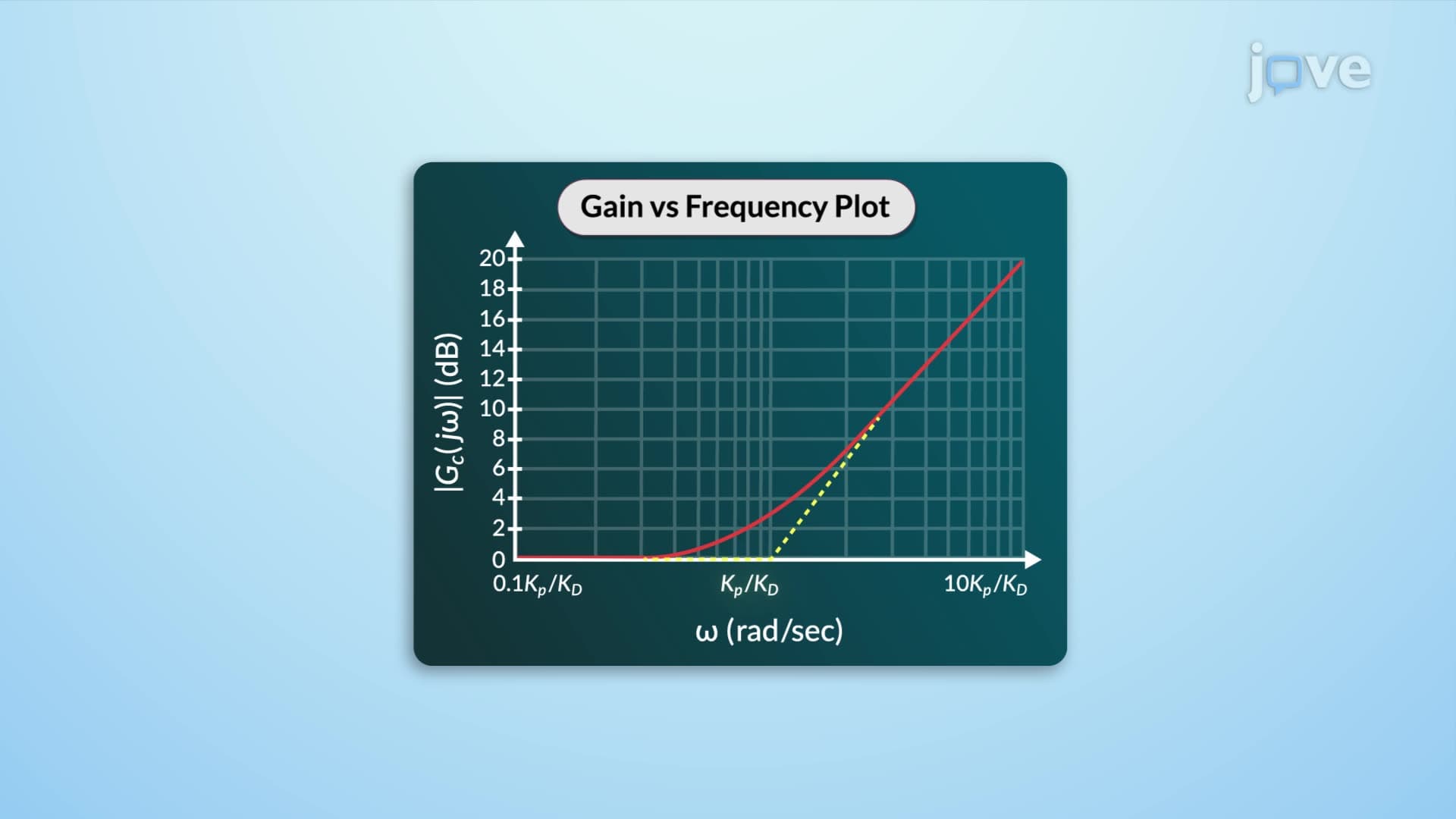
4. Frequency-Domain PD Control Analysis: Bode plot analysis reveals PD controllers function as high-pass filters, amplifying high-frequency error components while attenuating low-frequency signals. The proportional gain couples with system series gain to normalize zero-frequency response, while derivative action elevates gain-crossover frequency for improved phase margins. Corner frequency placement becomes critical for achieving desired stability margins in applications like cooling fan speed control, where improved damping reduces oscillations and shortens settling time. However, high-frequency noise amplification presents challenges in smooth control applications, requiring careful consideration of implementation costs including large capacitor requirements that increase system size and expense in consumer electronics manufacturing.
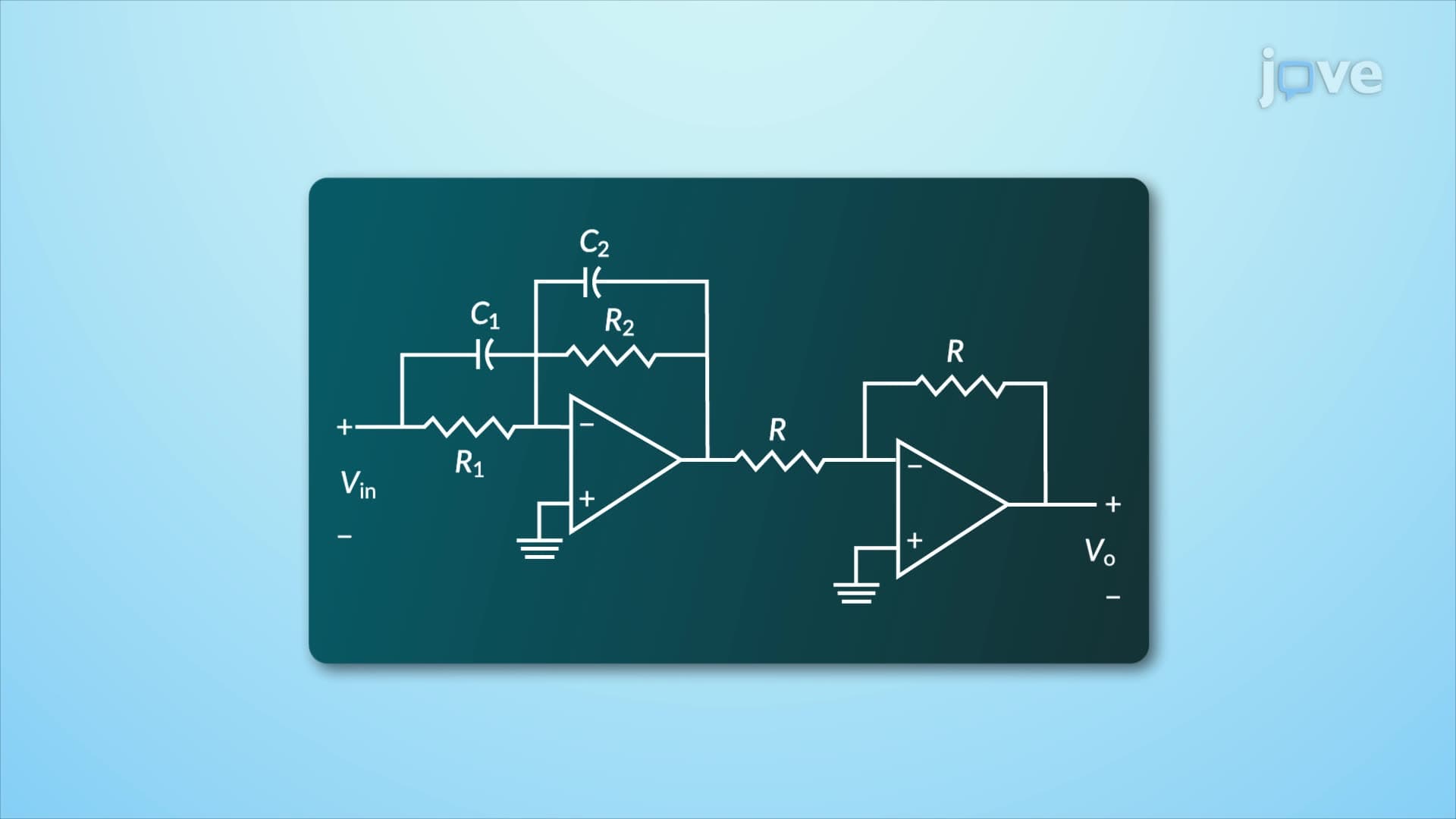
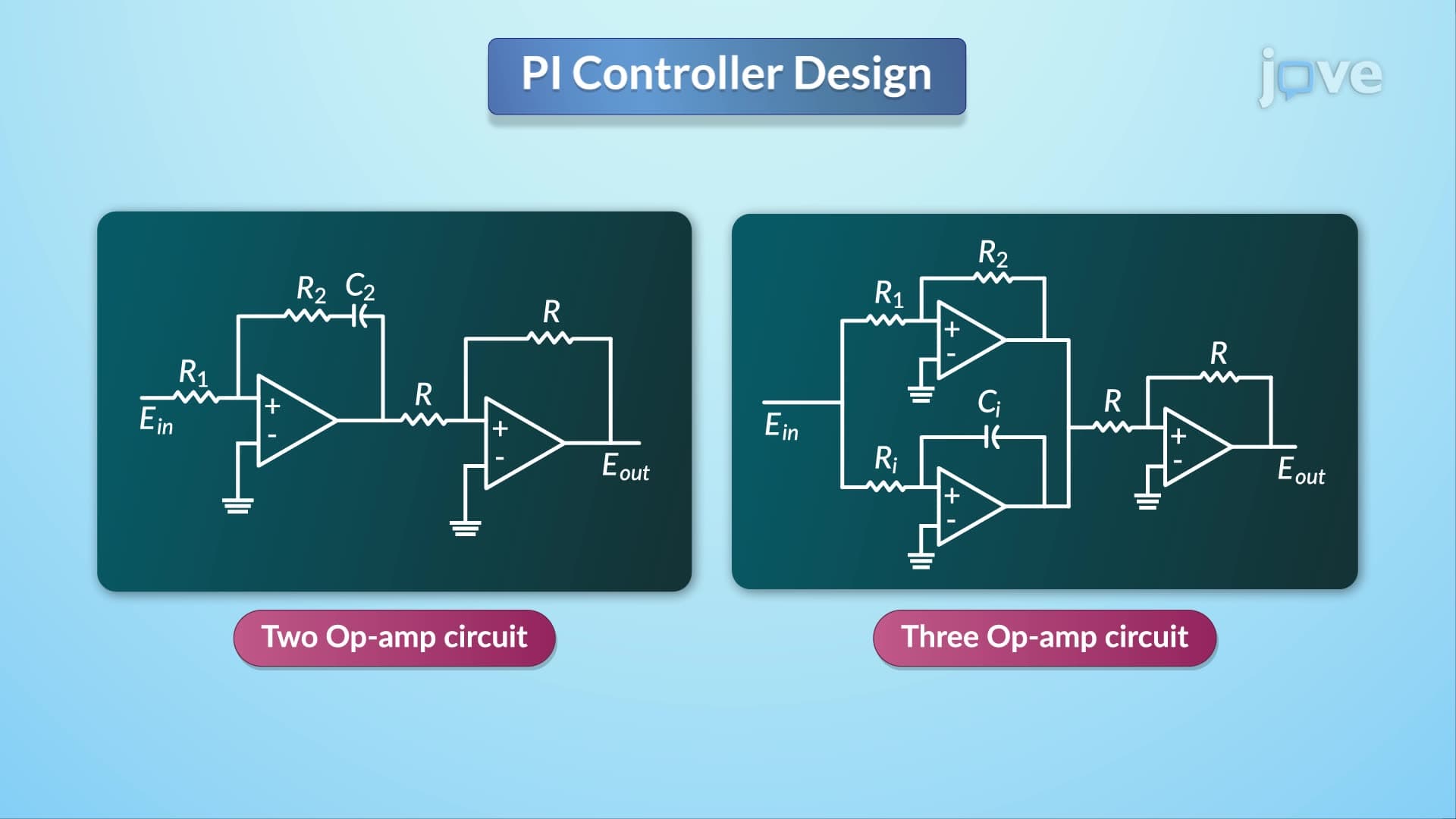
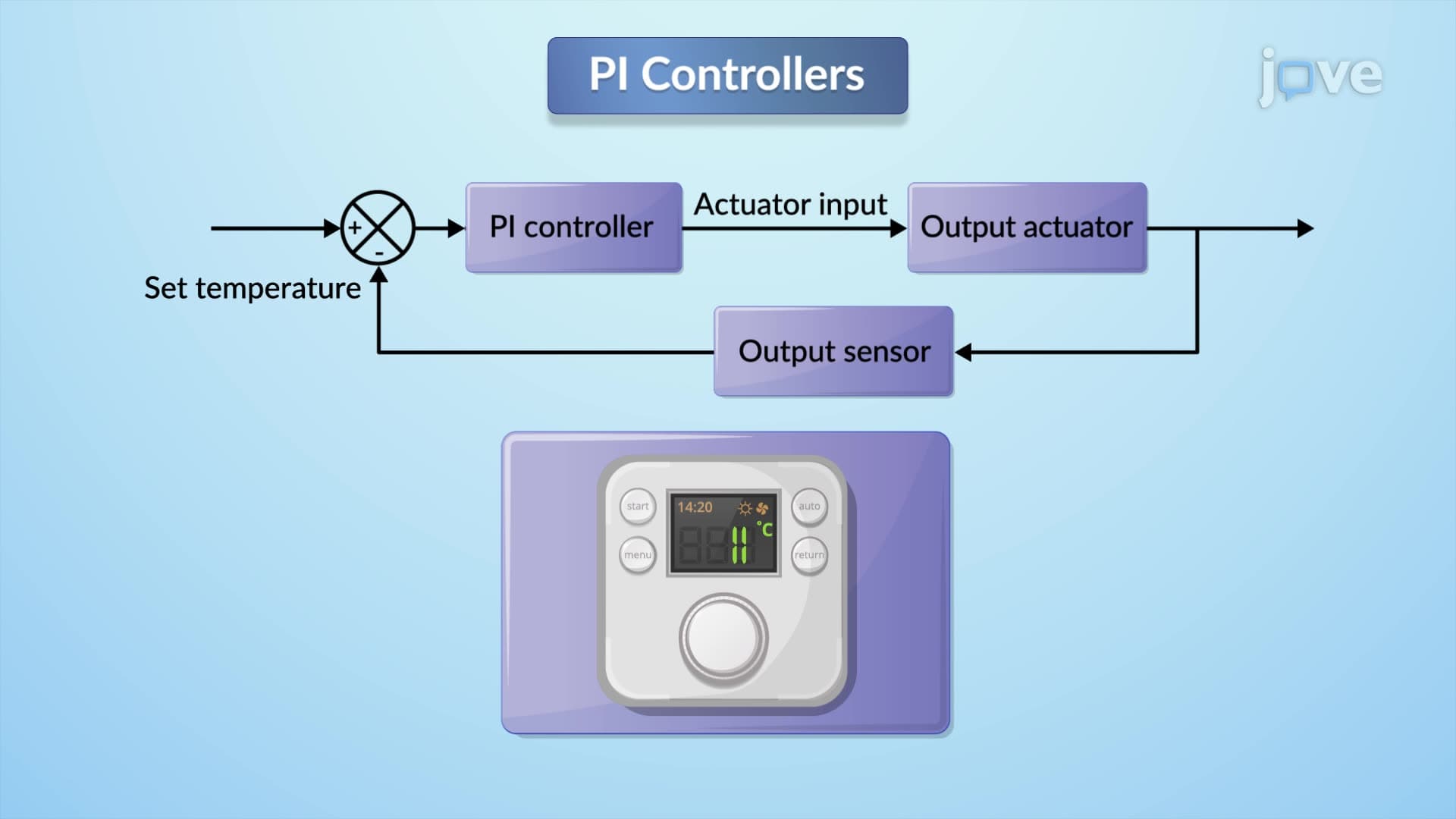
5. PI Controller Design for Steady-State Performance: Proportional-Integral controllers excel at eliminating steady-state errors in step-function applications like smartphone automatic brightness adjustment systems. The integral component accumulates past errors to drive steady-state error toward zero, complementing proportional action that responds to instantaneous error signals. Op-amp implementation circuits utilize resistor-capacitor combinations with transfer functions linking PI parameters to circuit characteristics, where integral gain maintains inverse proportionality to capacitance values. Three op-amp configurations provide independent control of proportional and integral gains, though effective designs may require large capacitance values. Forward-path transfer function modification through pole and zero addition reduces steady-state error by one order, achieving zero error for constant inputs provided system stability maintenance.
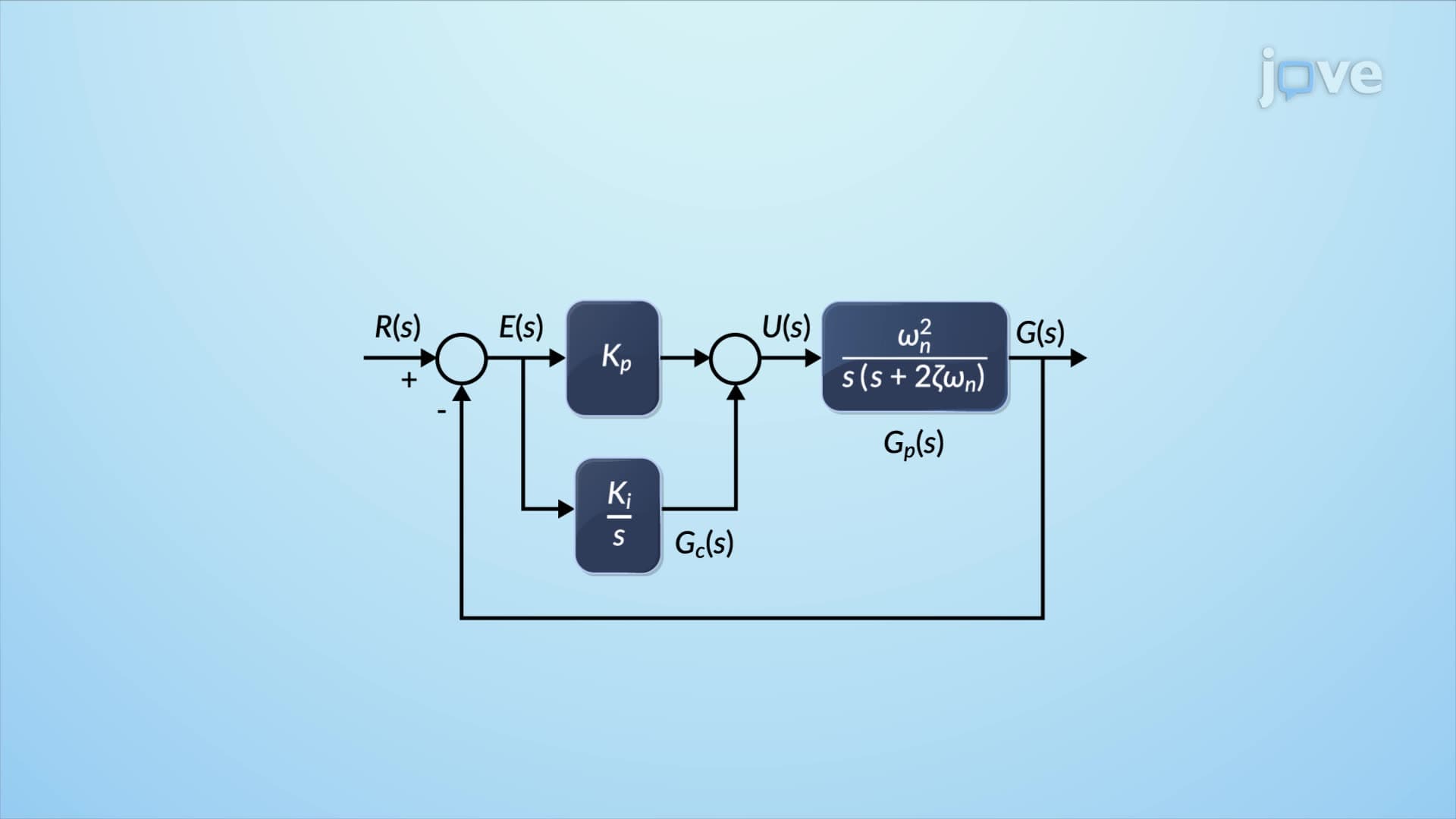
6. Comprehensive PID Controller Integration: PID controllers merge PD and PI capabilities, offsetting individual limitations through systematic design approaches treating the controller as cascaded PI and PD components. Design methodology involves initially activating only PD components, selecting derivative gain values to achieve desired stability through maximum overshoot constraints and phase margin requirements. Subsequently, integral and proportional gains for the PI section meet overall relative stability requirements. Thermostat applications demonstrate PID effectiveness, adjusting heating and cooling based on temperature deviations while maintaining precise set-point regulation. This comprehensive approach enables applications ranging from industrial process control to consumer appliance automation throughout American manufacturing and residential sectors.
7. Phase-Lead and Phase-Lag Compensation: Phase-lead controllers function as high-pass filters introducing positive phase shifts over specific frequency ranges, analogous to bass adjustment on stereo equalizers. Phase-lag controllers operate as low-pass filters introducing negative phase shifts, similar to treble control mechanisms. Single transfer functions represent both controllers through parameter relationships, with op-amp circuit realizations enabling practical implementation. Design involves strategic pole and zero placement to maintain steady-state accuracy while enhancing stability. Phase-lead control improves system damping and response speed without affecting steady-state error, while phase-lag control influences error constants through gain factor amplification, enabling steady-state performance optimization in applications like television brightness control systems common in American households.