Loading video…


 10 Concepts
 3K views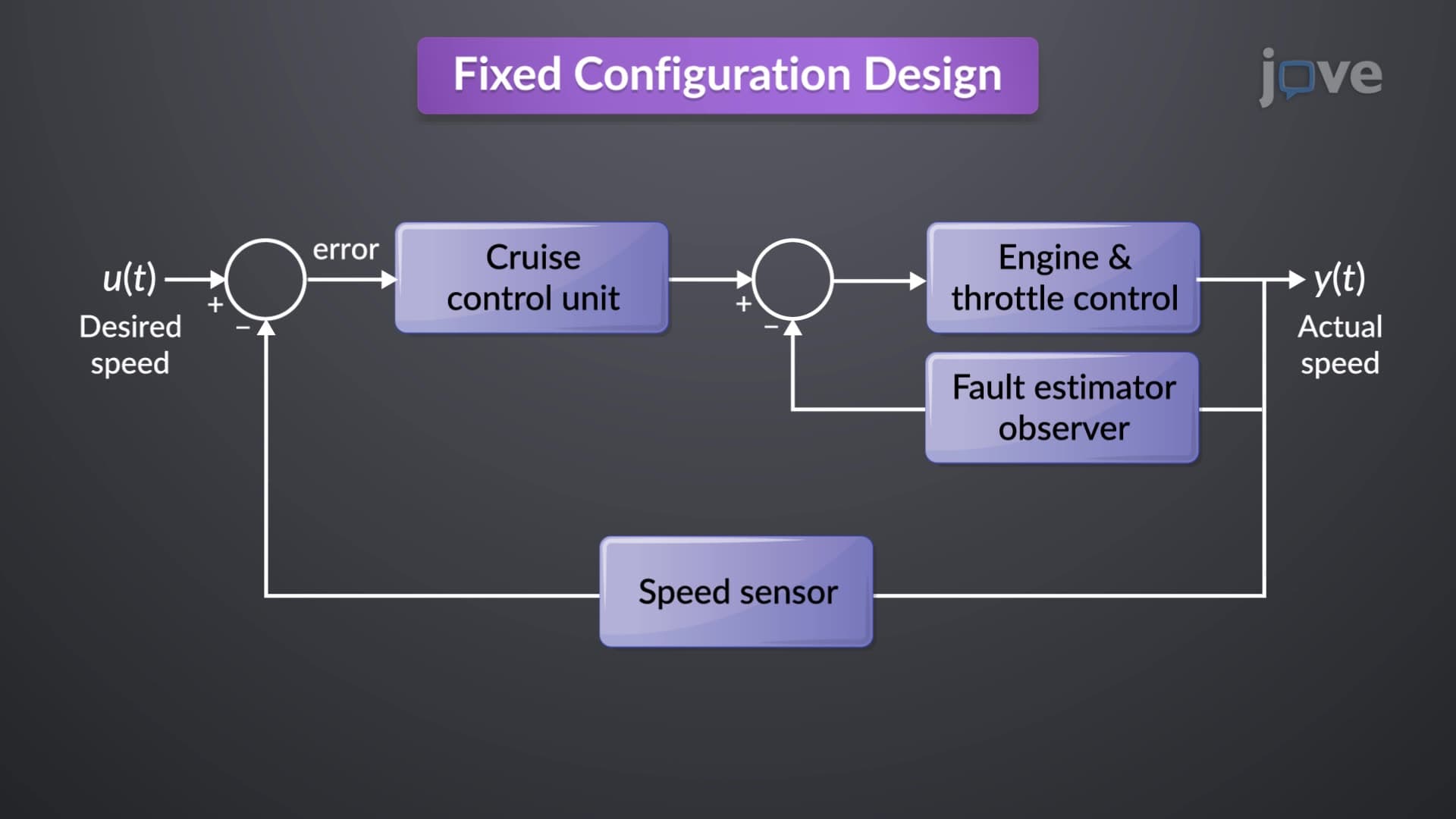

Video Summary: What Is Controller Configurations
Have you ever wondered how your car's cruise control maintains exactly 65 mph on Interstate 95 without constant pedal adjustments? PD controller design forms the foundation of these automated systems, determining how controllers respond to errors and maintain stability. Modern vehicles use sophisticated controller configurations ranging from simple feedback loops to advanced two-degrees-of-freedom systems that monitor speed, traffic conditions, and driver behavior simultaneously. Understanding what is controller configurations reveals the engineering principles behind everything from Tesla's Autopilot to Boeing's flight management systems. Watch the full video on JoVE Coach to master this concept with expert-led visuals and step-by-step explanations.
Controller configurations represent the architectural framework that determines how control systems process input signals, generate corrective actions, and maintain desired system performance. In PD controller design, the configuration directly influences how the proportional and derivative components interact to minimize error and optimize response characteristics. These configurations serve as the blueprint for everything from the anti-lock braking systems in Ford vehicles to the precision control systems used in SpaceX rocket guidance.
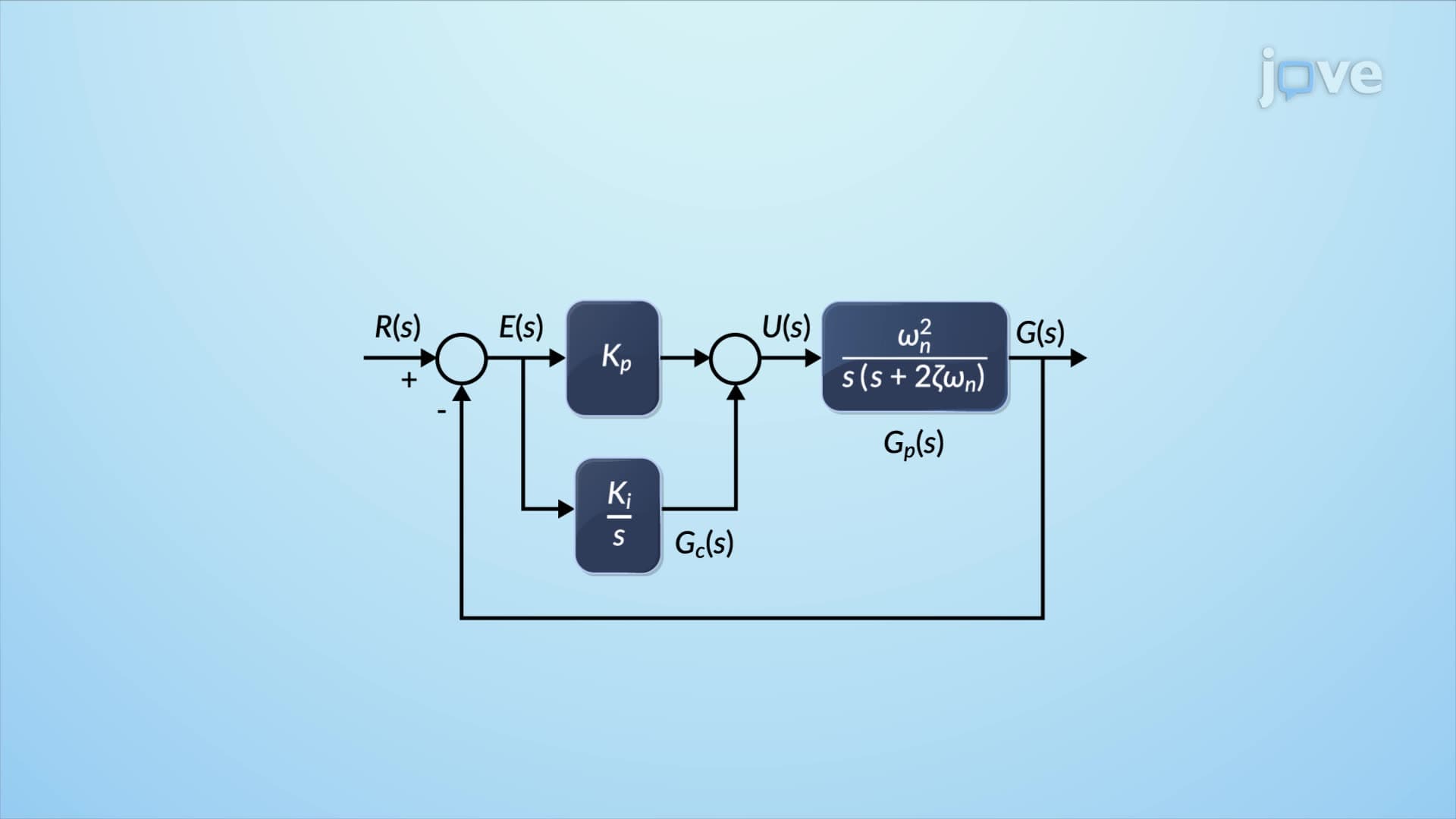
The PD controller design definition encompasses both the mathematical relationships between system components and the physical arrangement of control elements. Unlike simple on-off controllers, PD configurations provide nuanced responses that account for both current error magnitude (proportional term) and the rate of error change (derivative term). This dual-response capability makes PD controller design particularly effective in applications requiring smooth, stable performance without excessive oscillation.
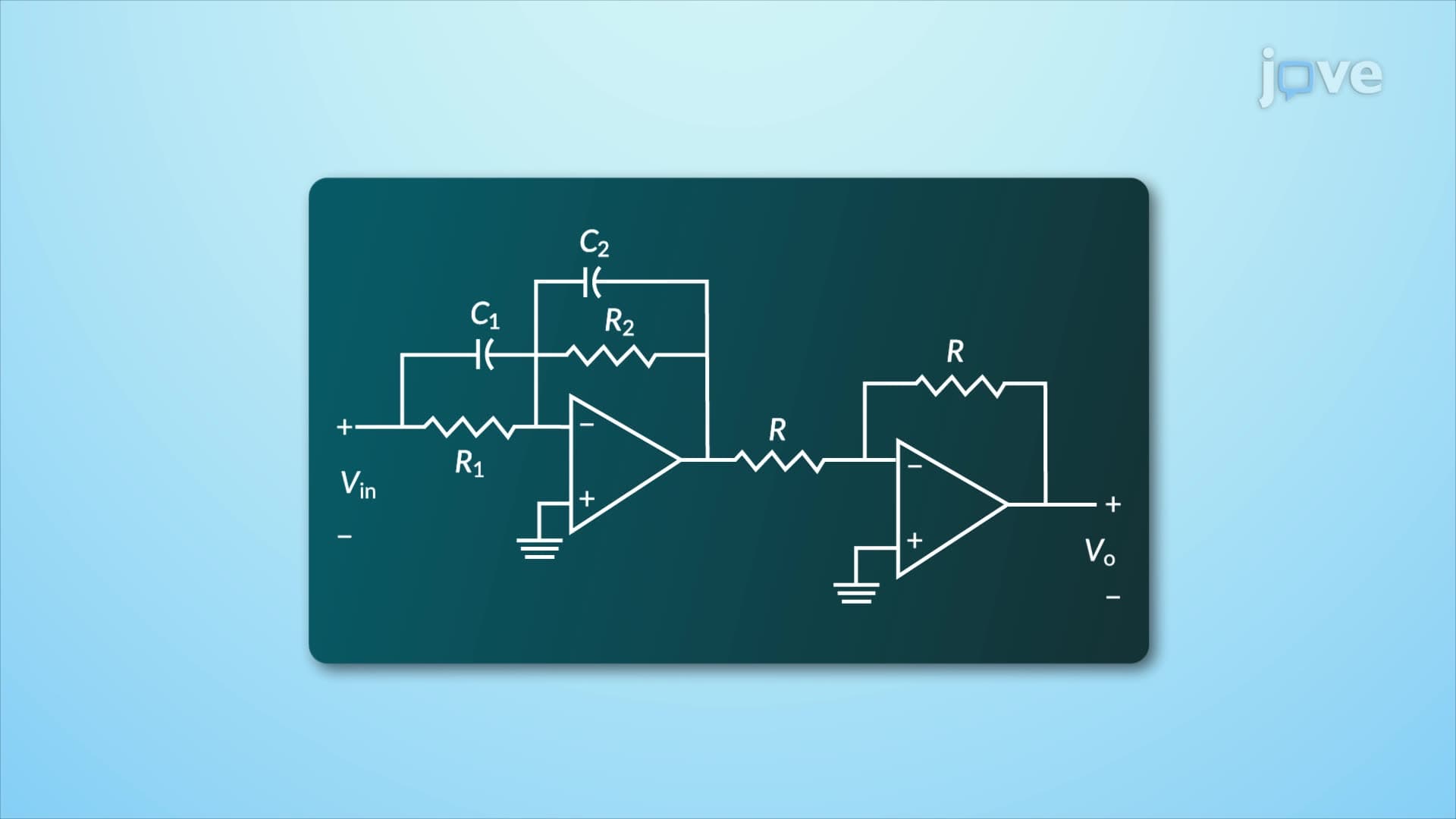
Traditional control systems employ fixed-configuration designs where controller placement and performance characteristics are predetermined during the design phase. This approach utilizes compensation techniques to modify system behavior without altering the fundamental controller structure. Cascade compensation, the most common configuration, positions the controller in series with the controlled process, creating a straightforward signal flow that's easily analyzed and implemented.
Students preparing for AP Physics or college-level control systems courses should understand that compensation serves as the primary tool for achieving desired performance in fixed configurations. For example, NASA's Space Shuttle program relied heavily on cascade compensation in its reaction control systems, where predetermined controller parameters ensured reliable performance across various flight conditions. This approach proves particularly valuable in safety-critical applications where predictable, well-tested responses are essential.
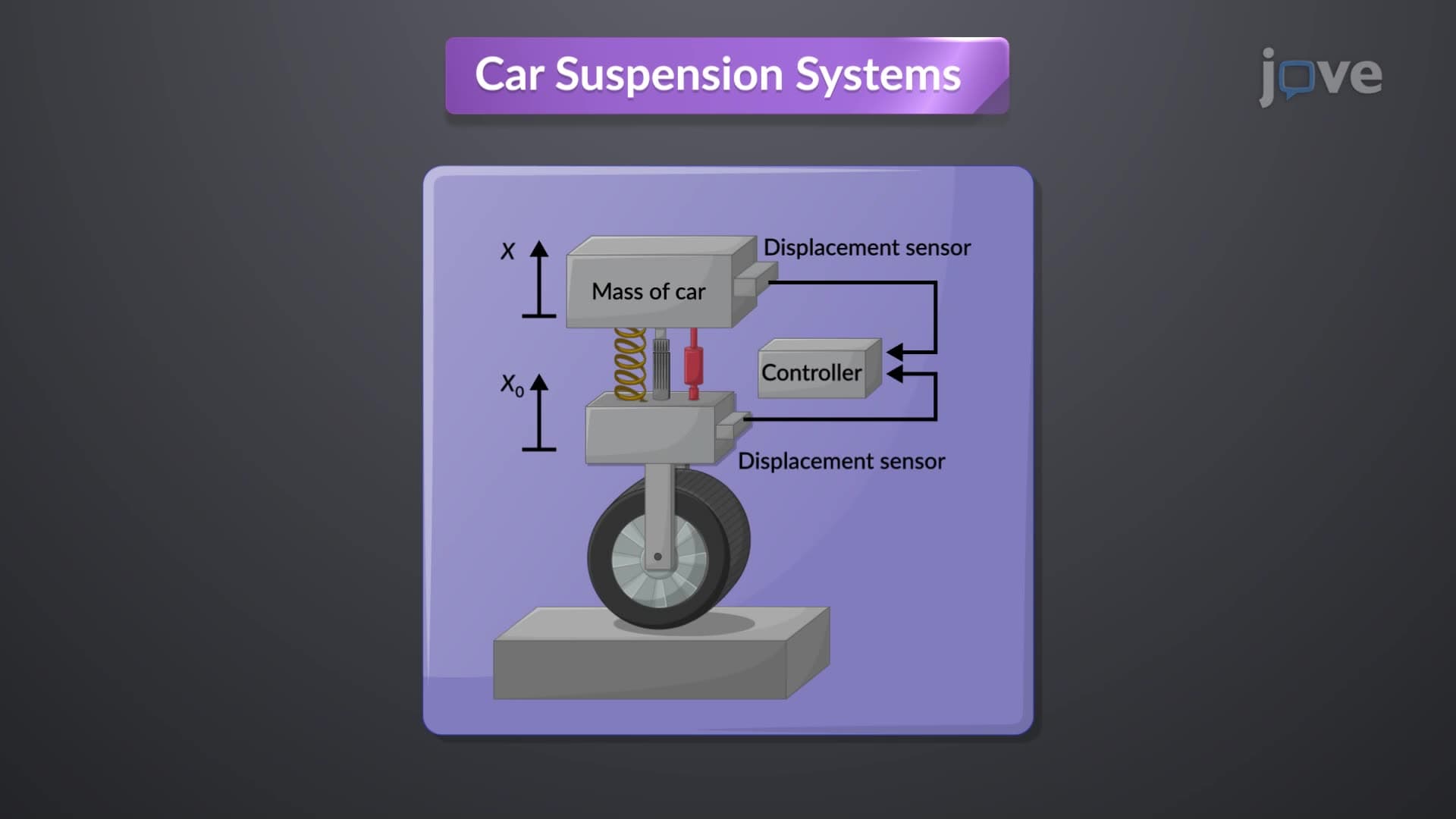
Feedback compensation places controllers within minor feedback loops, creating more sophisticated response characteristics than simple cascade designs. This configuration appears frequently in automotive applications, such as General Motors' electronic stability control systems, where multiple feedback loops monitor wheel speed, steering angle, and vehicle dynamics simultaneously. The resulting system provides enhanced performance compared to single-loop designs.
State-feedback control represents a more advanced approach, feeding back multiple system variables through constant real gains to generate control signals. While theoretically powerful, this configuration becomes impractical for high-order systems due to complexity and computational requirements. Boeing's 787 Dreamliner flight control system demonstrates practical state-feedback implementation, using advanced processors to manage the numerous variables involved in modern aircraft control.
The limitations of one-degree-of-freedom configurations-including series-feedback, basic feedback, and simple state-feedback designs-become apparent when systems require exceptional performance across varying conditions. These configurations often exhibit poor sensitivity to parameter variations, limiting their effectiveness in dynamic environments. Two-degrees-of-freedom configurations address these limitations by providing additional flexibility in achieving desired performance criteria.
Modern automotive applications increasingly utilize two-degrees-of-freedom designs. Tesla's Autopilot system exemplifies this approach, simultaneously managing steering response (one degree of freedom) and speed control (second degree of freedom) while maintaining optimal performance across diverse driving conditions. This configuration enables the sophisticated behavior necessary for semi-autonomous vehicle operation, demonstrating how advanced controller configurations translate theoretical concepts into practical innovations that impact daily life.
Related Micro-courses