Loading video…


 10 Concepts
 3K views

Video Summary: Phase Lag Control Time and Frequency Domain Analysis
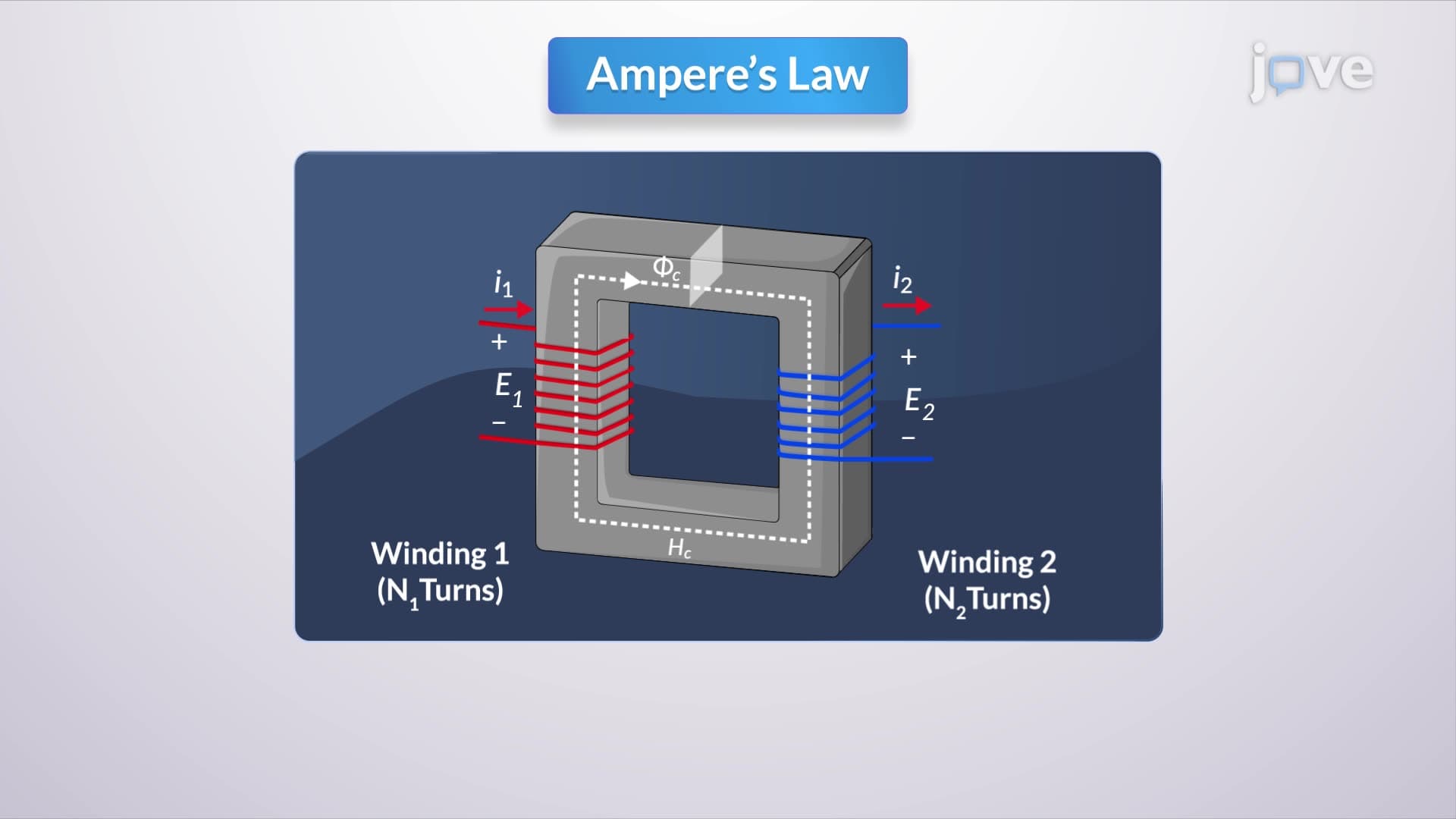
Ever wondered how a dimmer switch smoothly adjusts light brightness without sudden jumps? The ideal transformer principles apply similarly in phase lag control systems, where gradual adjustments create stable performance. Phase Lag Control: Time- and Frequency-Domain Analysis demonstrates how engineers design controllers that improve system stability by strategically placing poles and zeros. Consider how Tesla's autopilot system gradually adjusts steering rather than making sharp corrections-this exemplifies phase lag control in action. Watch the full video on JoVE Coach to master this concept with expert-led visuals and step-by-step explanations.
Phase lag control represents a cornerstone technique in control systems engineering, essential for students preparing for AP Physics C, college-level control systems courses, and engineering fundamentals exams. Unlike simple proportional controllers, phase lag controllers introduce sophisticated frequency-dependent behavior that enhances system stability and reduces steady-state errors.
The mathematical foundation centers on the transfer function where the factor 'a' remains less than unity (a < 1). This constraint ensures the controller introduces phase lag rather than phase lead, creating a stabilizing effect particularly valuable in systems prone to oscillation. Students encountering this concept in university control systems courses should recognize that this differs fundamentally from integral controllers, as phase lag controllers don't place poles at the origin.
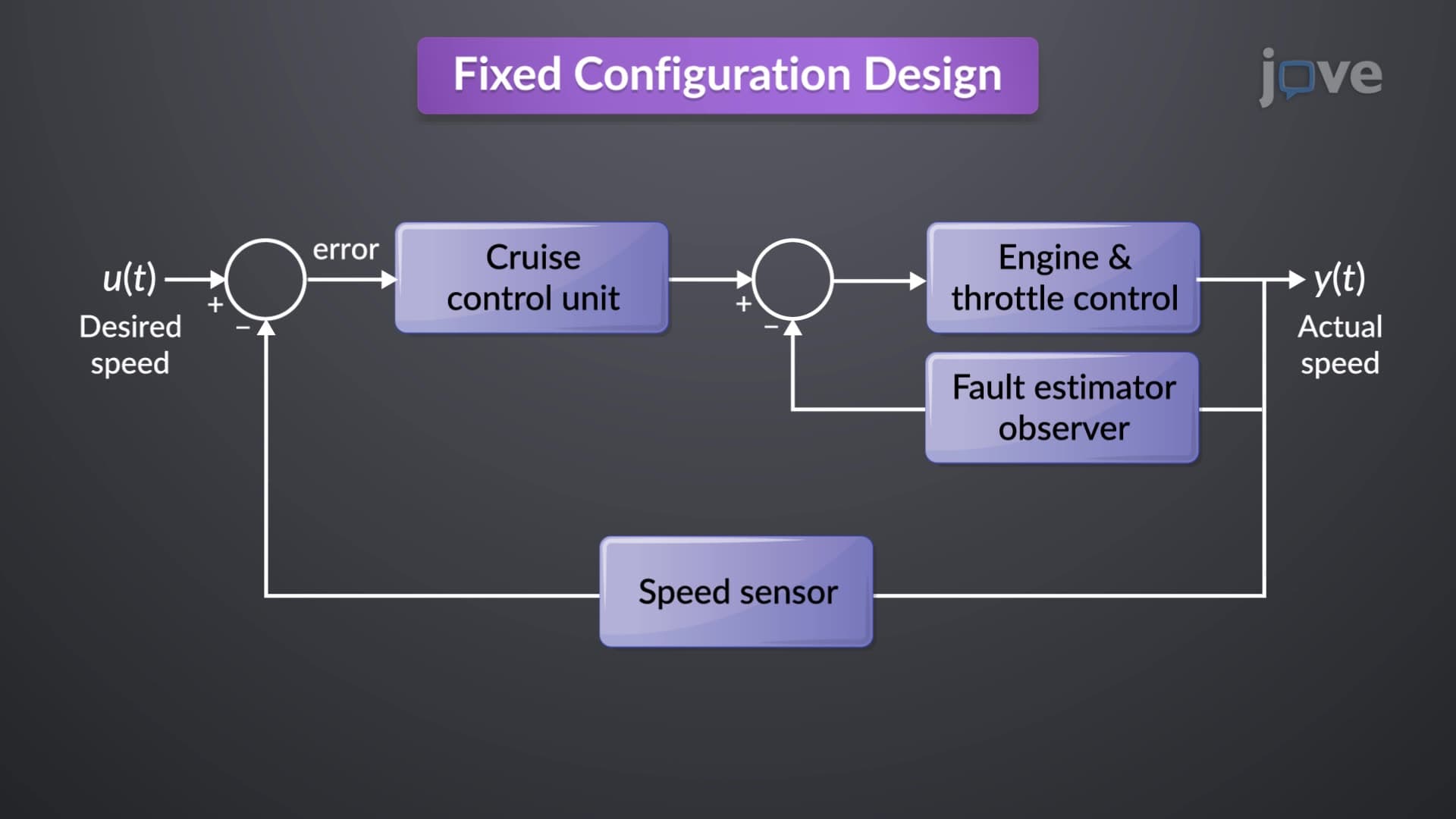
Consider General Motors' electronic throttle control systems or Boeing's flight control computers-both rely heavily on phase lag compensation principles. These systems require gradual, stable responses rather than aggressive corrections that could endanger safety. In academic settings, students often encounter similar design challenges in senior capstone projects or laboratory courses at institutions like MIT, Stanford, or Georgia Tech.
The design methodology follows a systematic approach beginning with Bode plot analysis of the uncompensated system. Engineers first establish the forward path gain, then extract critical performance metrics including phase margin and gain margin. The frequency at which desired phase margin occurs becomes the cornerstone for controller parameter selection. This process appears frequently in ABET-accredited engineering program assessments and graduate school entrance examinations.
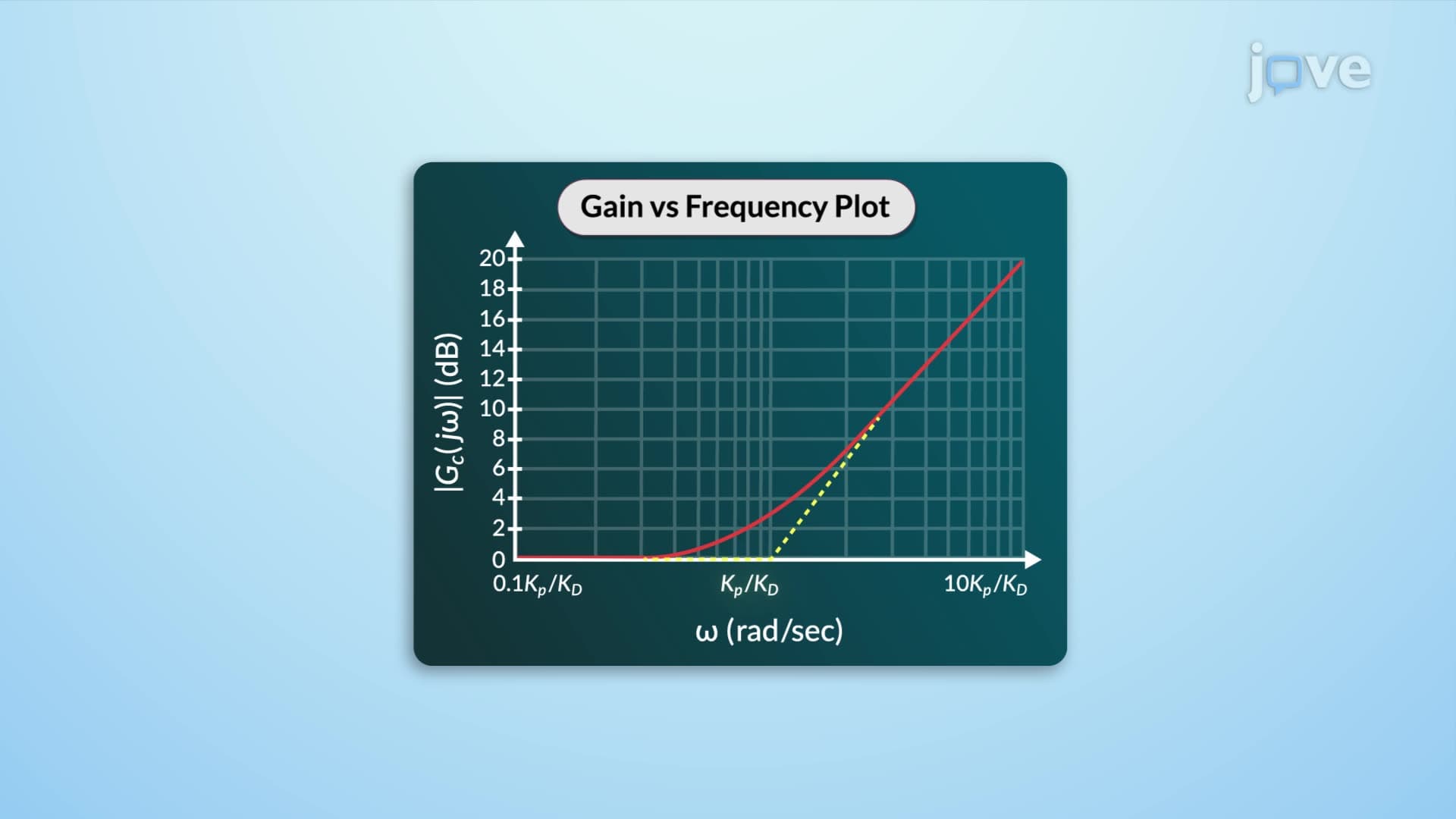
Bode diagrams reveal the controller's frequency-selective nature through distinct corner frequencies and high-frequency attenuation patterns. The phase lag controller's gain factor integrates directly into the forward path gain, enabling engineers to maintain desired transient response while improving steady-state accuracy. This dual benefit makes phase lag control particularly attractive in industrial applications where both stability and precision matter.
Students preparing for the Fundamentals of Engineering (FE) exam should understand how corner frequencies relate to pole-zero locations and how attenuation slopes indicate controller order. The relationship between time-domain settling time and frequency-domain bandwidth becomes especially important when analyzing system trade-offs between speed and stability.
Related Micro-courses