Loading video…


 10 Concepts
 3K views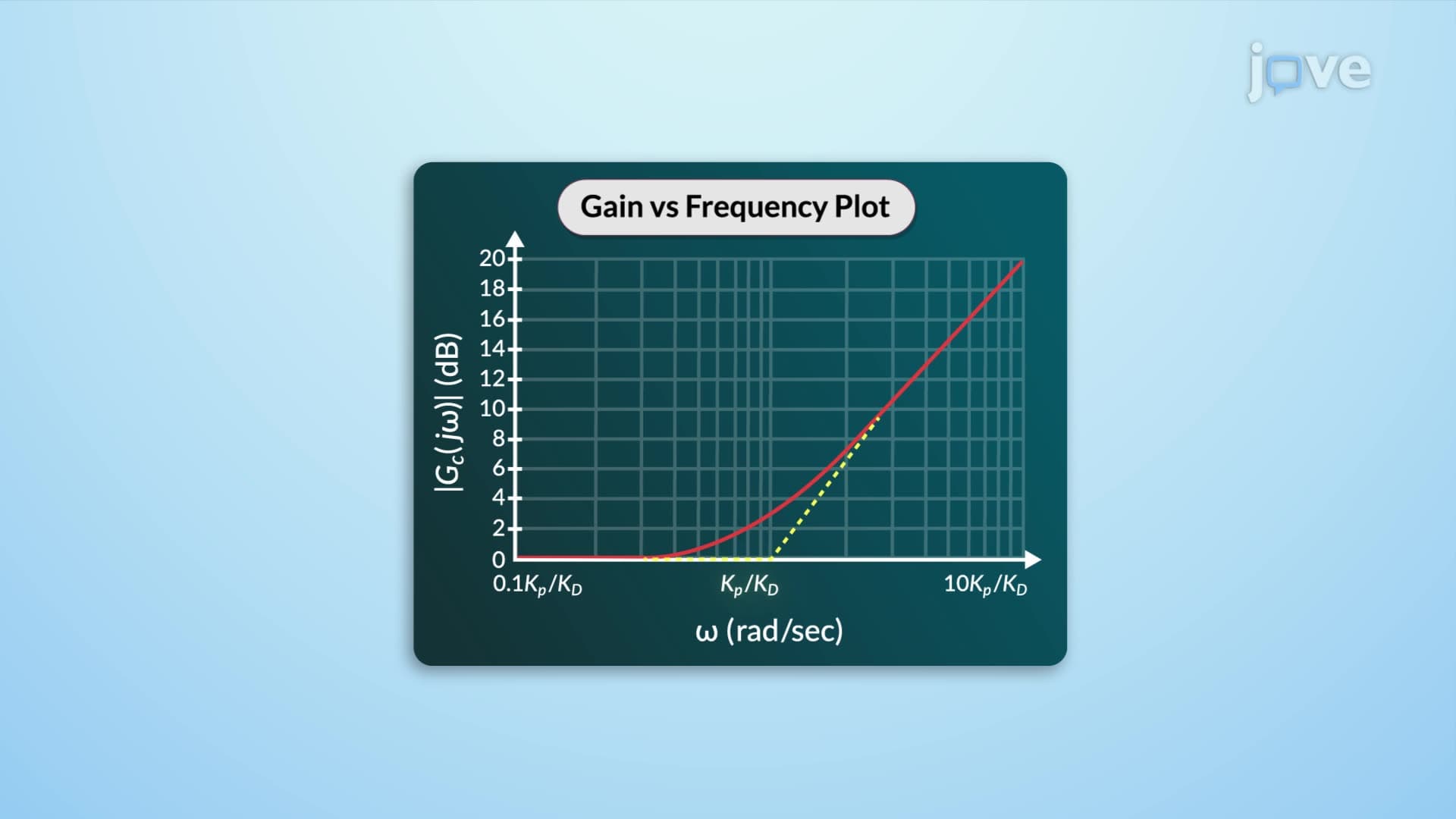

Video Summary: Frequency Domain Interpretation of Pd Control Explained
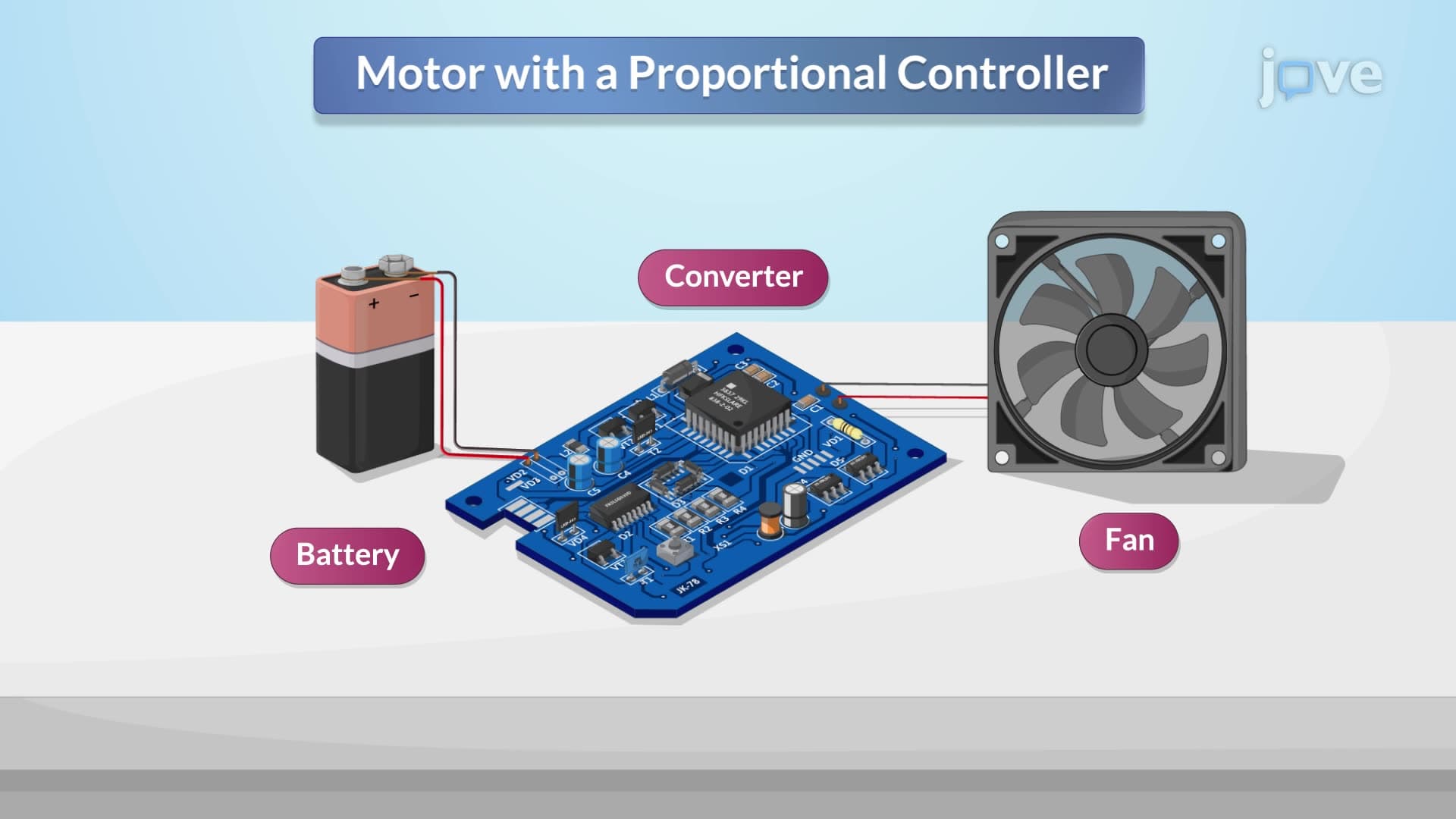
Ever wonder how NASA's Mars rover fans maintain precise speed control in extreme conditions? Pi controller design fundamentals help engineers optimize these critical systems through frequency domain analysis. The Frequency Domain Interpretation of Pd Control Explained demonstrates how PD controllers use Bode plots to enhance system performance, from automotive cooling fans in Ford vehicles to HVAC systems in skyscrapers. Watch the full video on JoVE Coach to master this concept with expert-led visuals and step-by-step explanations.
The frequency domain interpretation of PD control provides engineers with powerful visualization tools for analyzing and designing control systems. Unlike time-domain analysis that shows system behavior over time, frequency domain methods use Bode plots to reveal how controllers respond to different frequency components. This approach proves essential for pi controller design optimization, particularly in applications requiring precise speed or position control.
PD controllers exhibit distinctive high-pass filter behavior when analyzed through Bode plots. The magnitude plot shows increasing gain at higher frequencies, while the phase plot demonstrates lead compensation that improves system stability. For pi controller design definition purposes, understanding this frequency response helps engineers predict how the controller will handle various input signals. The proportional gain sets the low-frequency response, while the derivative term creates the high-frequency amplification characteristic of PD control.
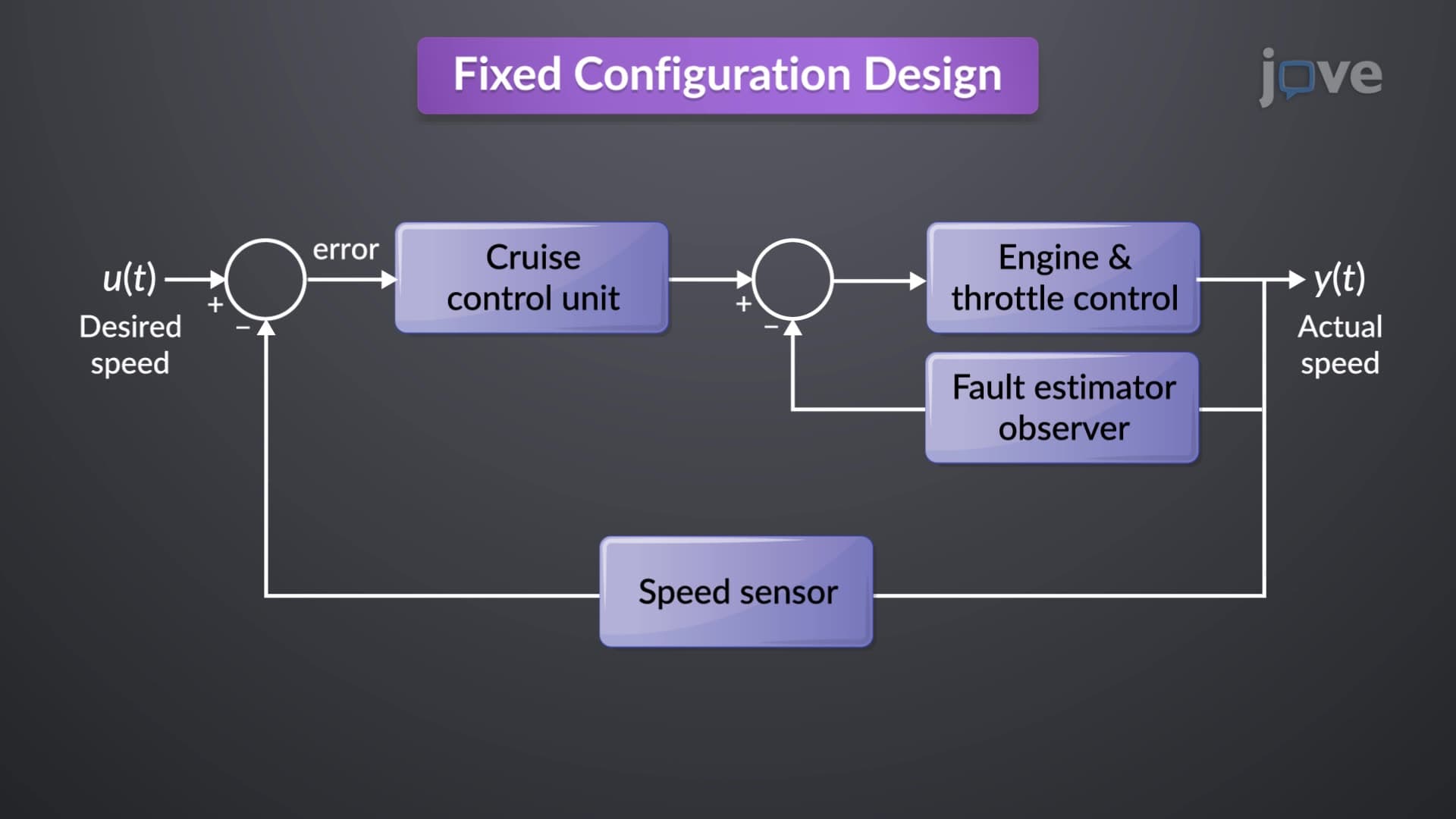
Strategic placement of the controller's corner frequency directly impacts system performance metrics. When engineers ask what is pi controller design in detail, they're often seeking to understand how frequency domain analysis guides parameter selection. The PD controller shifts the gain-crossover frequency higher, typically improving phase margin and reducing overshoot. This proves particularly valuable in applications like automotive cruise control systems used in Tesla vehicles or industrial motor drives in General Electric equipment.
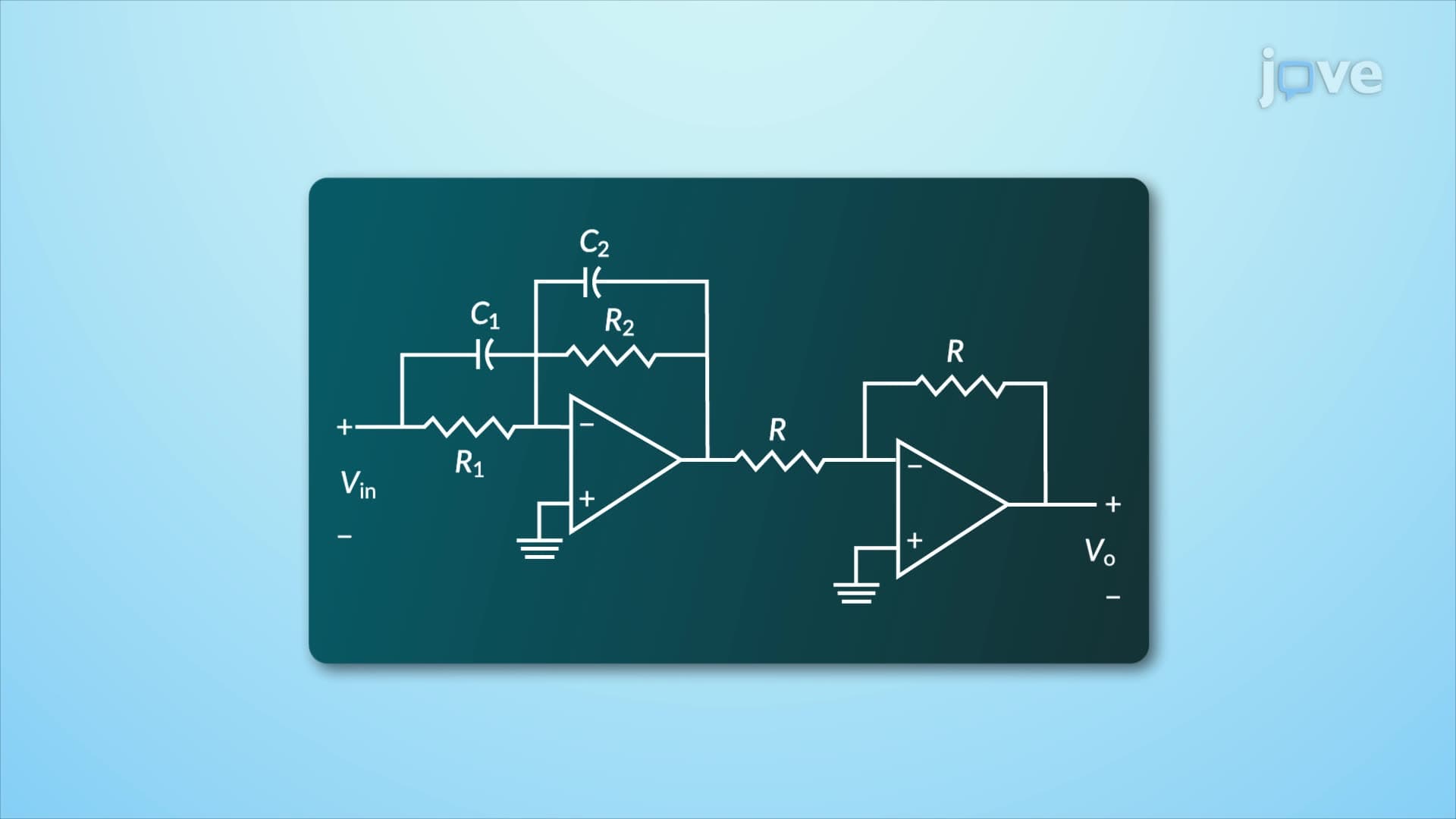
Real-world pi controller design overview must account for both benefits and limitations. While PD control enhances damping and reduces settling time, it amplifies high-frequency noise that can destabilize systems. Engineers at companies like Boeing address this through careful filter design and component selection. The pi controller design basics include understanding that physical implementation often requires large capacitors, increasing system cost and size. Students preparing for AP Physics exams or college-level control systems courses should recognize these trade-offs as fundamental design considerations.
Modern control systems in US manufacturing facilities demonstrate these principles daily, from precision CNC machines to pharmaceutical processing equipment where stability and accuracy remain paramount.
Related Micro-courses