Loading video…


 10 Concepts
 3K views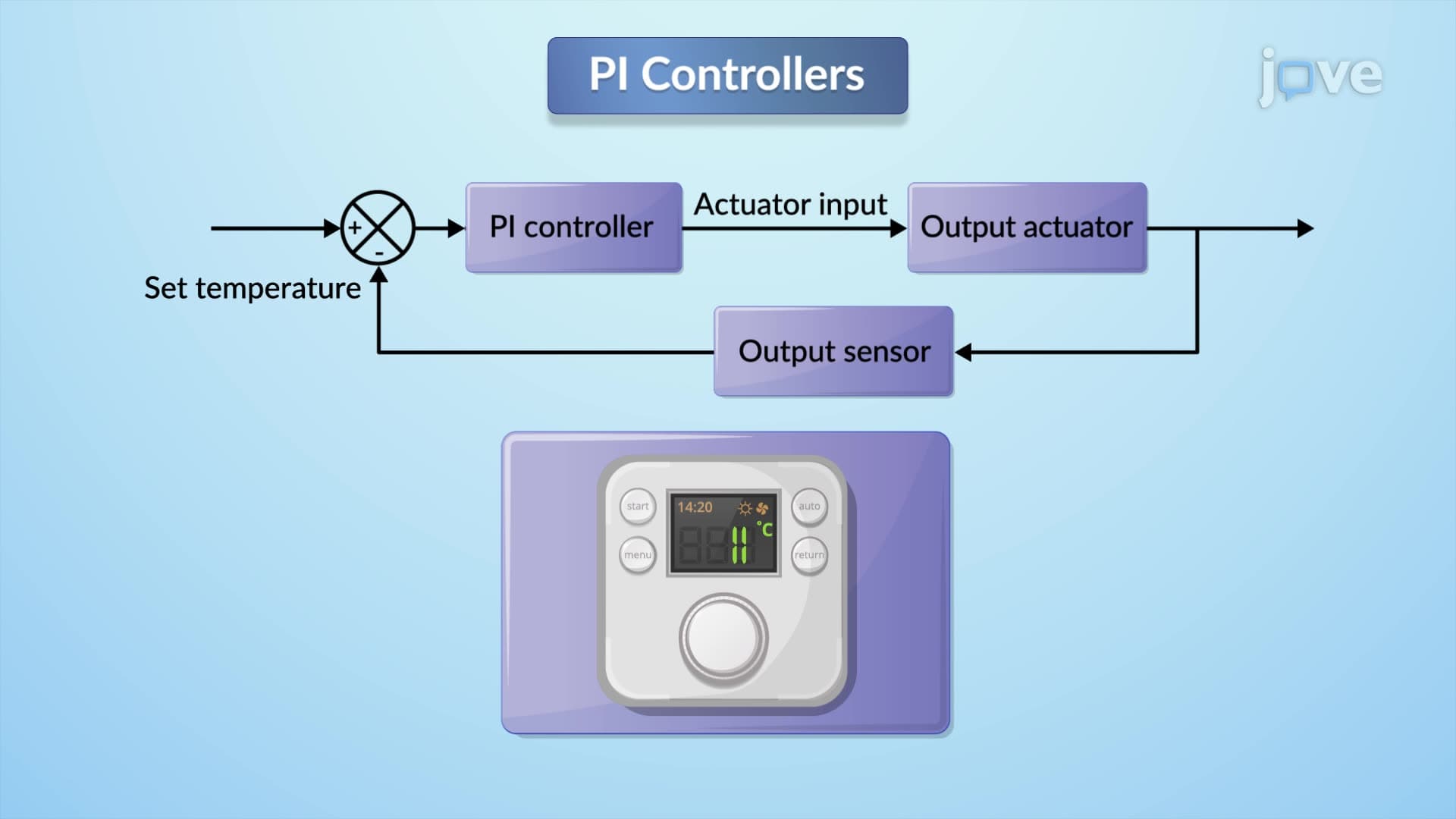

Video Summary: Analyzing Pi Controllers in Time and Frequency Domains
Ever wondered why your Tesla's autopilot maintains steady speed on highways without constant corrections? Analyzing PI controllers in time and frequency domains reveals the secret behind smooth, stable control systems. These controllers eliminate steady-state error while maintaining system stability-crucial for applications from Boeing 737 autopilot systems to pharmaceutical manufacturing processes across the United States. Watch the full video on JoVE Coach to master this concept with expert-led visuals and step-by-step explanations.
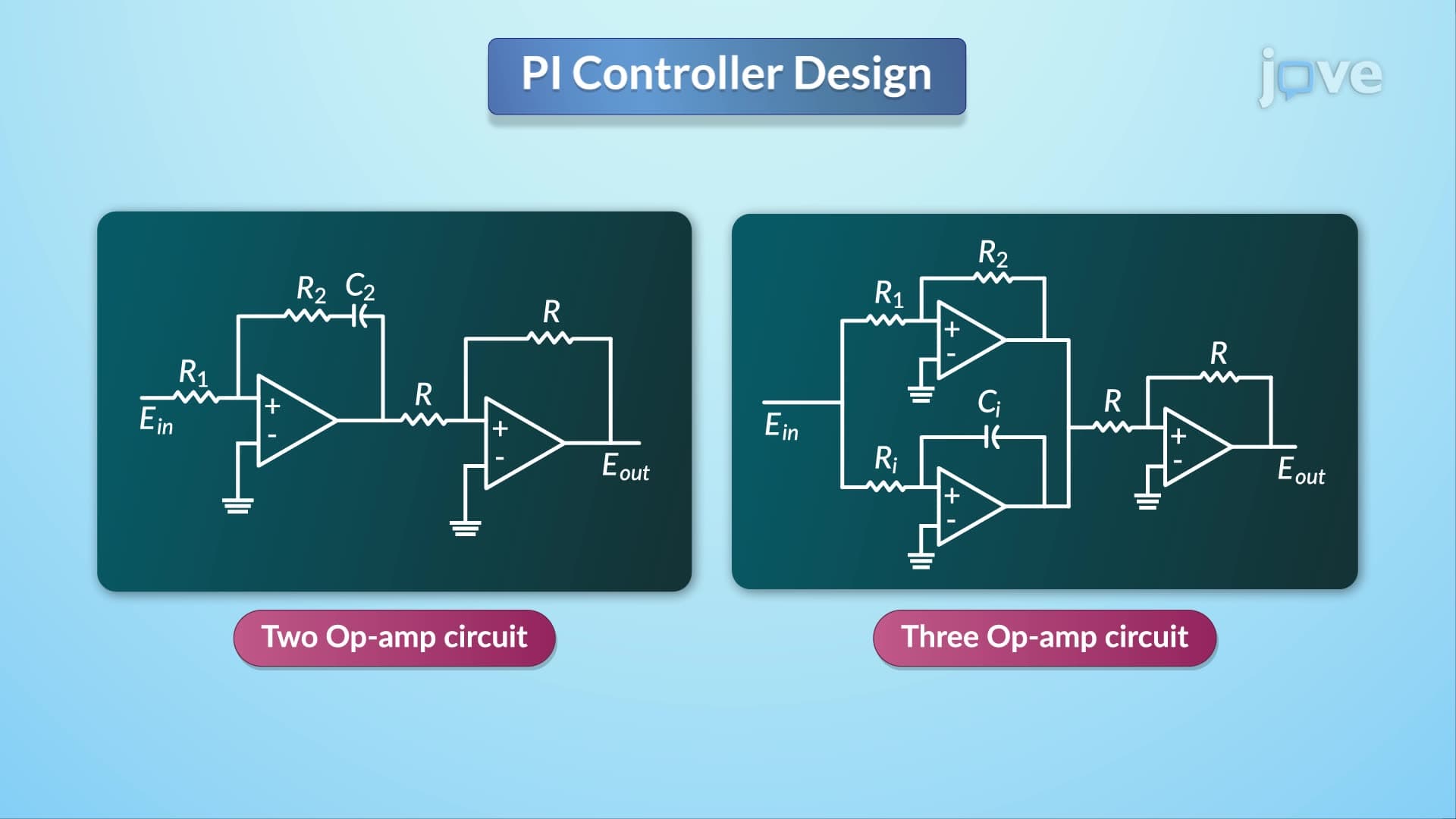
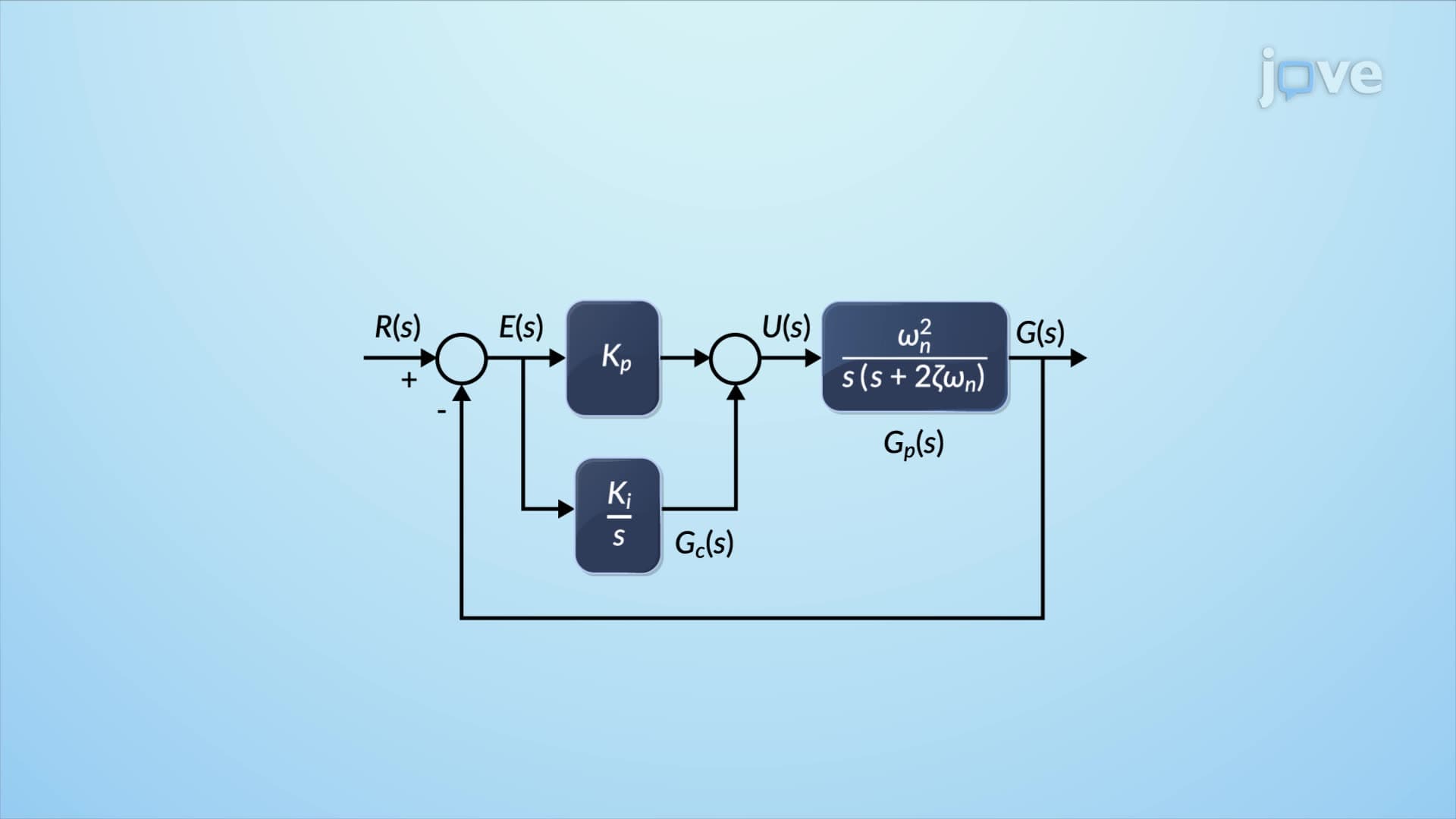
Analyzing PI controllers in time and frequency domains provides electrical engineering students with comprehensive insight into control system behavior. Unlike simple proportional controllers, PI controllers combine immediate proportional response with integral action that accumulates error over time, creating a powerful tool for eliminating steady-state error while maintaining acceptable transient performance.
In the time domain, PI controllers demonstrate unique step response characteristics. The proportional term provides immediate response to error signals, while the integral term continues to adjust the control output until steady-state error reaches zero. This dual action creates response curves with typically faster rise times than pure integral controllers but with potential overshoot concerns. Students preparing for AP Physics C or college-level control systems courses should recognize that proper gain selection (Kp and Ki values) directly influences settling time, overshoot percentage, and overall system stability.
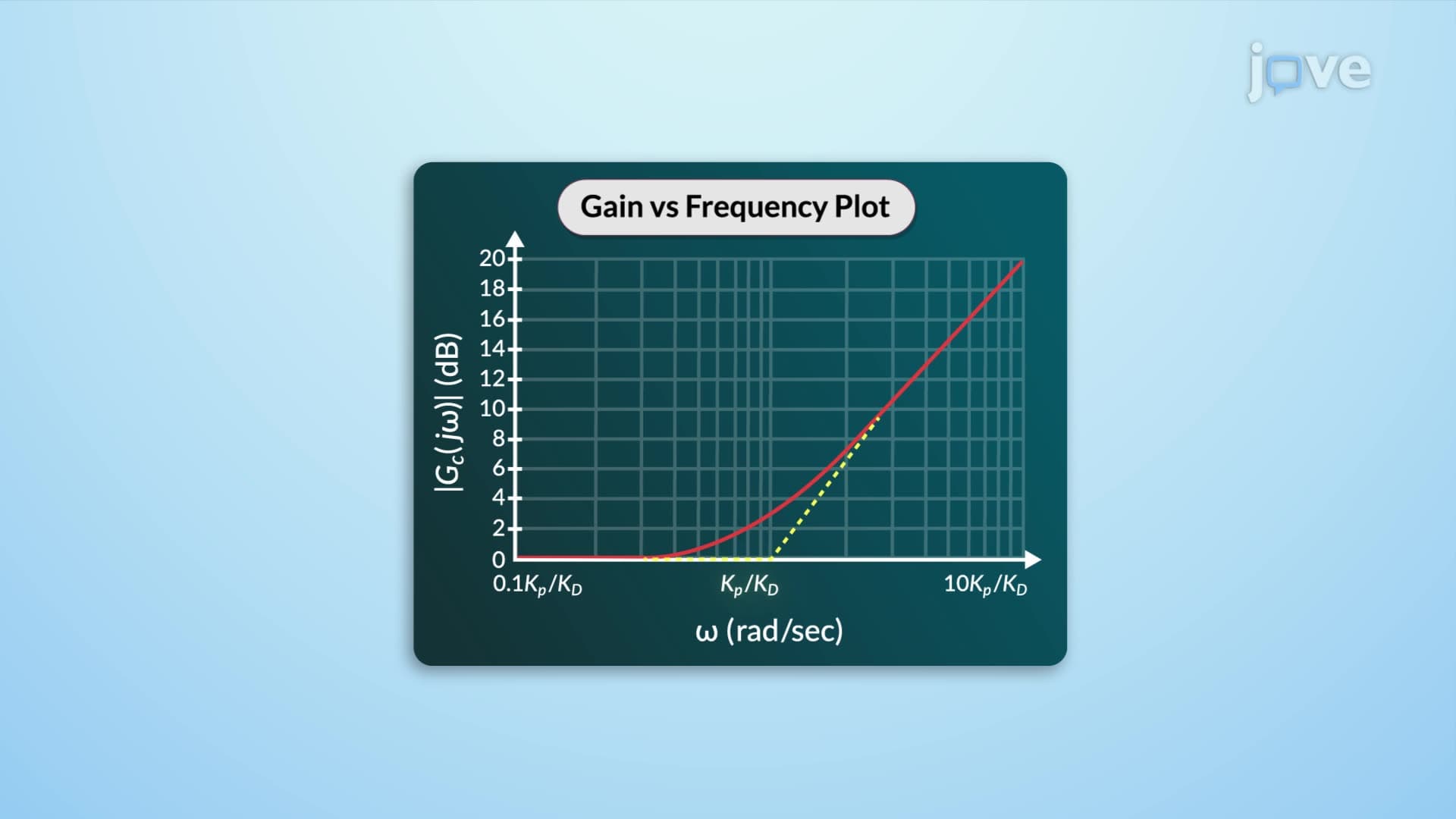
Frequency-domain analysis reveals PI controllers' impact on system stability margins through Bode plot examination. The integral component contributes a -90° phase shift and introduces a pole at the origin, fundamentally altering the system's frequency response. This negative phase contribution requires careful consideration during design, as it can reduce phase margin and potentially destabilize the closed-loop system. Engineering students at universities like MIT, Stanford, or Georgia Tech learn to balance this phase reduction against the steady-state performance benefits.
Real-world PI controller applications span from General Electric turbine control systems to pharmaceutical temperature regulation in companies like Pfizer and Johnson & Johnson. Design engineers must consider both domains simultaneously: time-domain specifications (settling time, overshoot) guide initial parameter selection, while frequency-domain analysis (gain margin, phase margin) ensures robust stability. Students should understand that modern control system design software like MATLAB/Simulink enables simultaneous optimization across both domains, making this dual-perspective approach essential for contemporary engineering practice.
Related Micro-courses