Loading video…


 7 Concepts
 4K views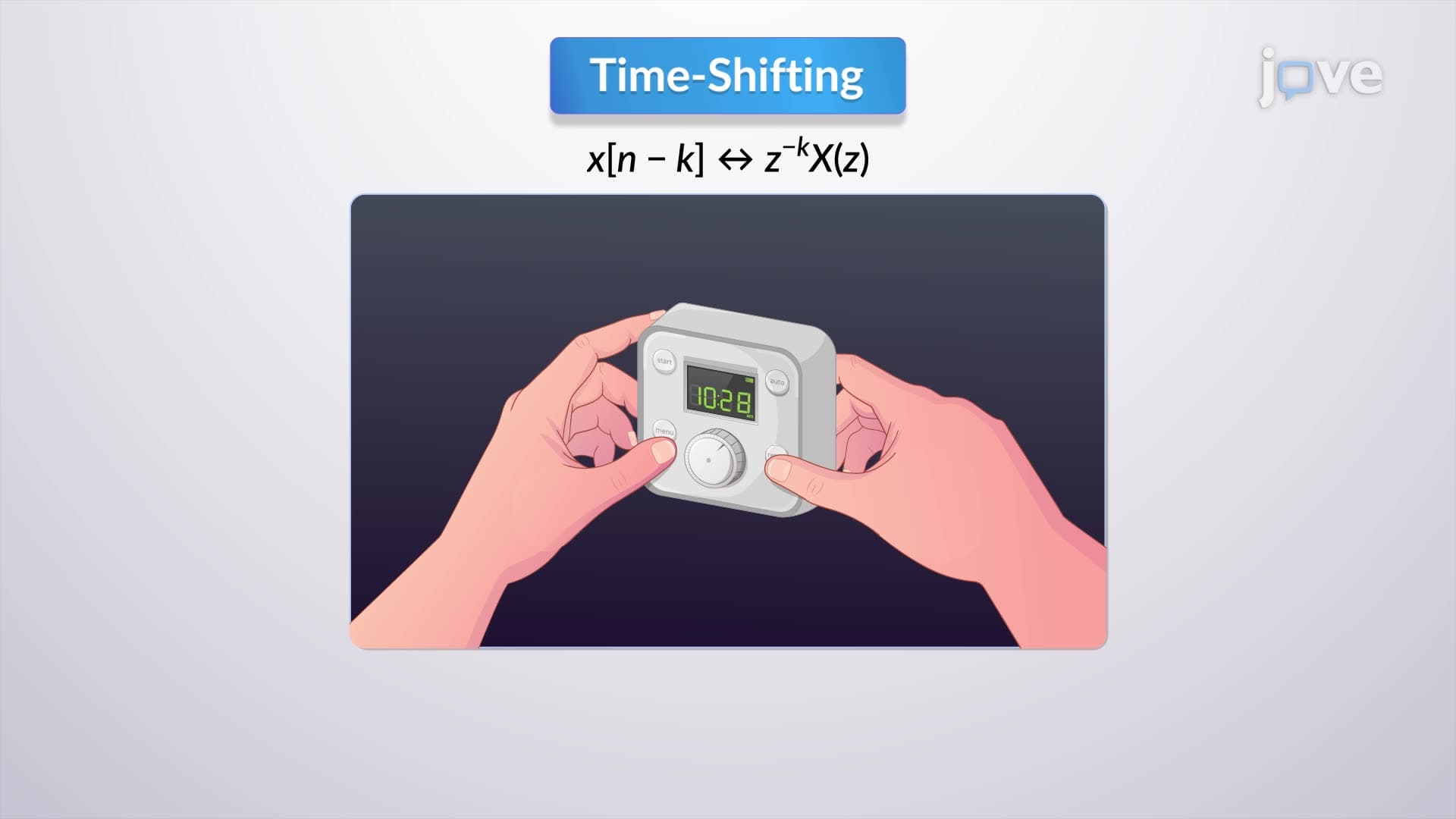

Video Summary: What are Properties Z Transform I
Ever wondered how NASA engineers analyze digital signals from Mars rovers in real-time? The properties z transform ii make this possible by providing mathematical tools that transform complex time-domain calculations into manageable frequency-domain operations. These fundamental properties-including linearity, time-shifting, frequency scaling, time reversal, and modulation-form the backbone of digital signal processing systems used in everything from smartphone audio compression to satellite communication networks. Understanding what are properties z transform ii is essential for mastering advanced signal analysis techniques. Watch the full video on JoVE Coach to master this concept with expert-led visuals and step-by-explanations.
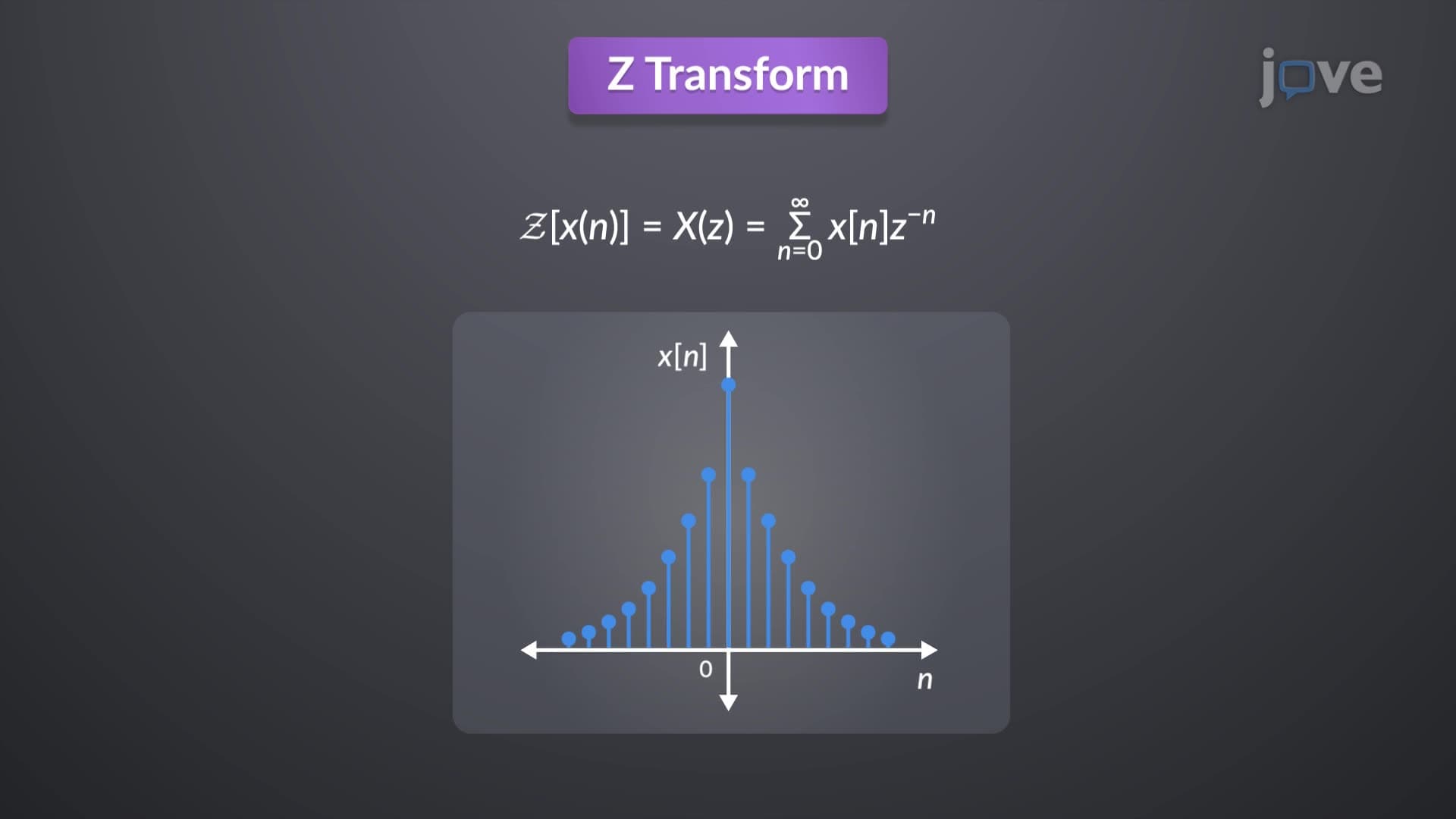
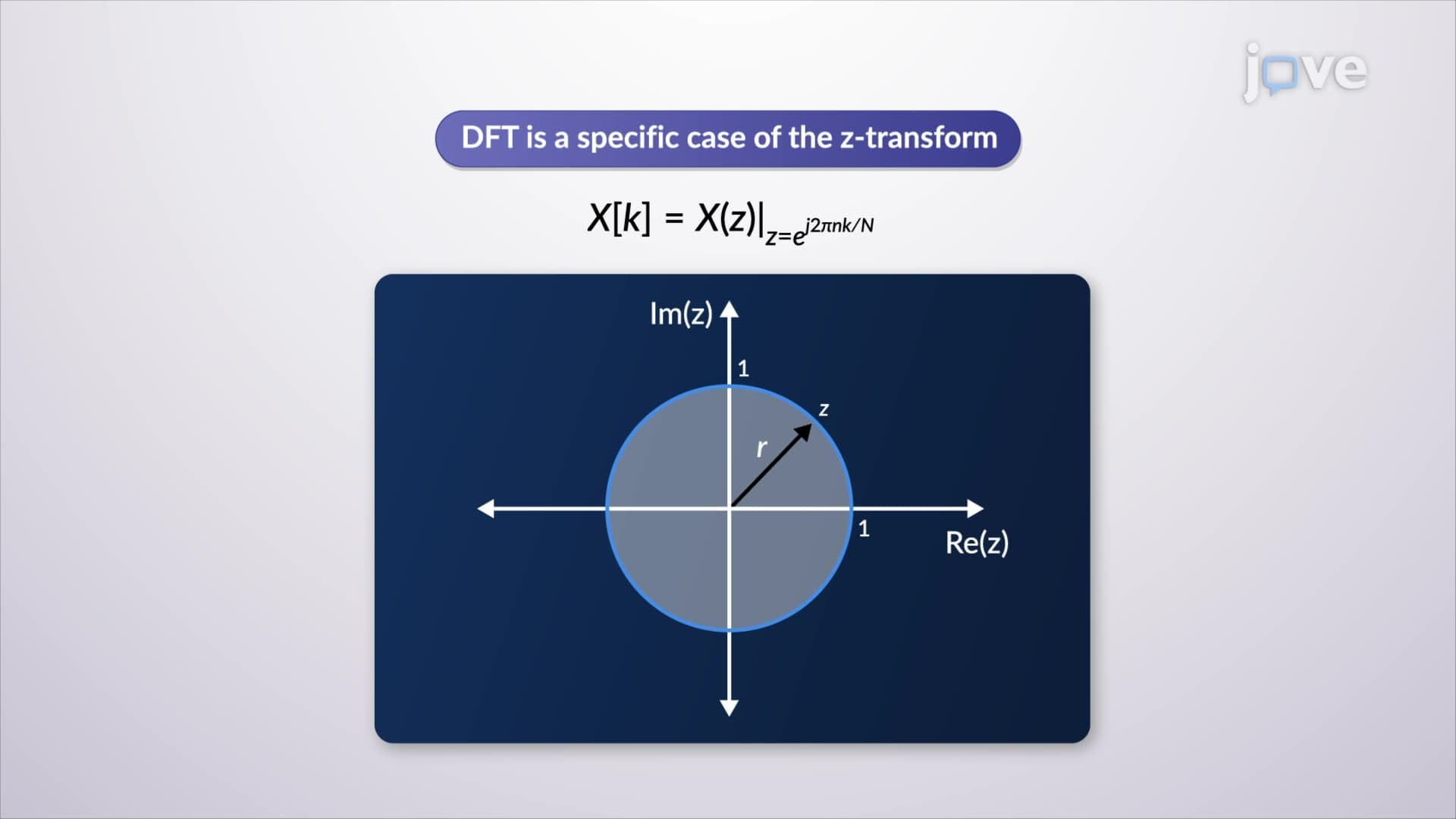
The properties z transform ii represent advanced mathematical relationships that extend beyond basic Z-transform definitions, providing engineers and students with powerful analytical tools for discrete-time system design. These properties form the theoretical foundation for digital signal processing applications ranging from audio compression algorithms used in Spotify to error correction systems in 5G cellular networks.
The linearity property stands as perhaps the most fundamental of all types of properties z transform ii. When analyzing composite signals-such as those found in modern telecommunications-this property allows engineers to decompose complex waveforms into simpler components. For instance, when designing digital filters for medical devices like ECG monitors used in US hospitals, engineers rely on linearity to predict how multiple heart rhythm components will behave after filtering. Mathematically, if signals x1[n] and x2[n] have Z-transforms X1(z) and X2(z) respectively, then the linear combination a*x1[n] + b*x2[n] transforms to a*X1(z) + b*X2(z).
Time-shifting properties prove crucial in delay-line applications, particularly in audio processing systems used by companies like Bose or Apple. When a discrete signal experiences a time delay of k samples, its Z-transform multiplies by z^(-k), enabling engineers to predict system behavior under various delay conditions. This principle directly applies to echo cancellation in VoIP systems and noise reduction in hearing aids manufactured in the United States.
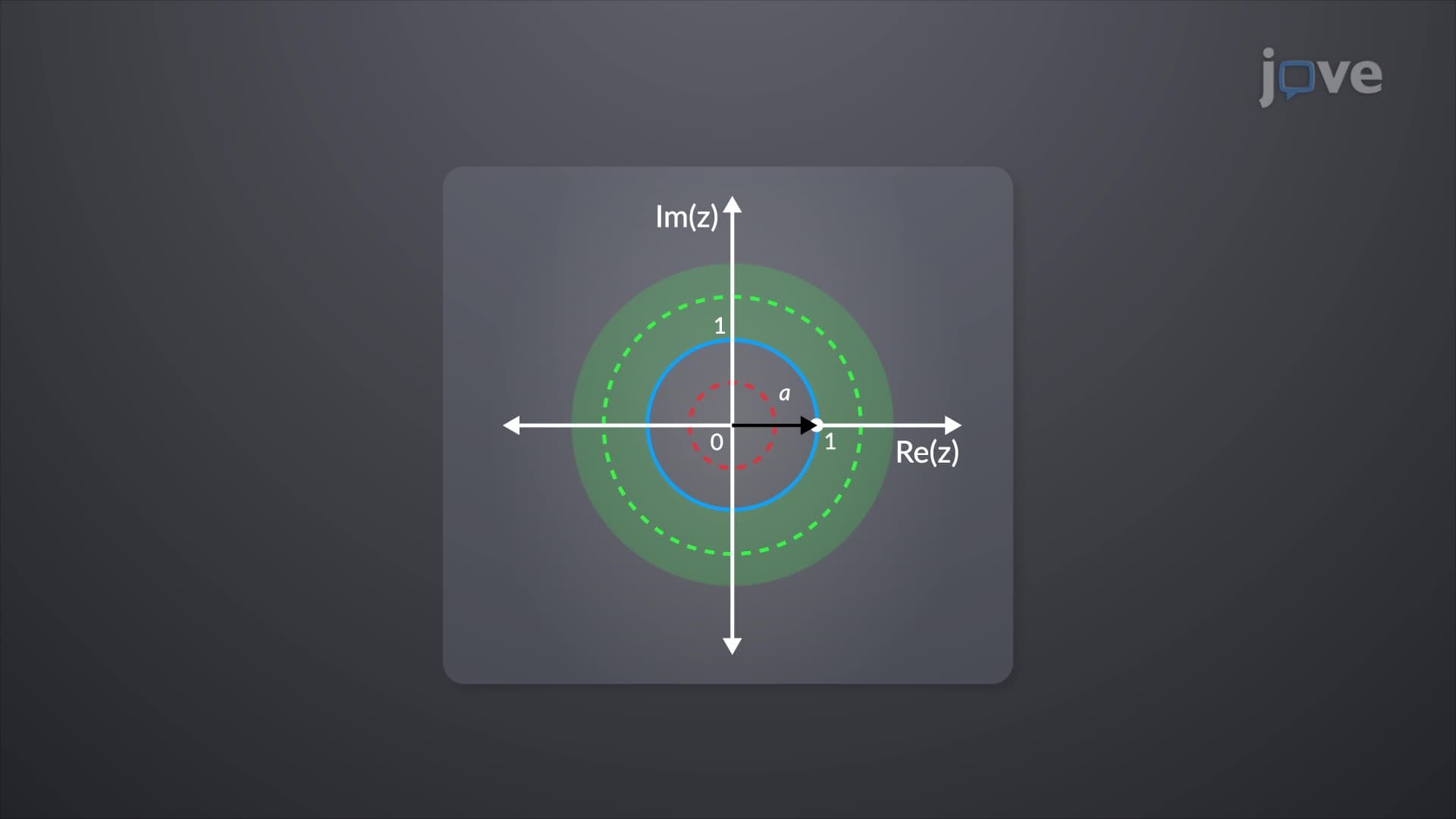
Frequency scaling, meanwhile, connects time-domain exponential multiplication with z-domain scaling operations. This property becomes essential when analyzing systems with exponentially growing or decaying responses, such as those found in financial modeling algorithms used by Wall Street trading platforms.
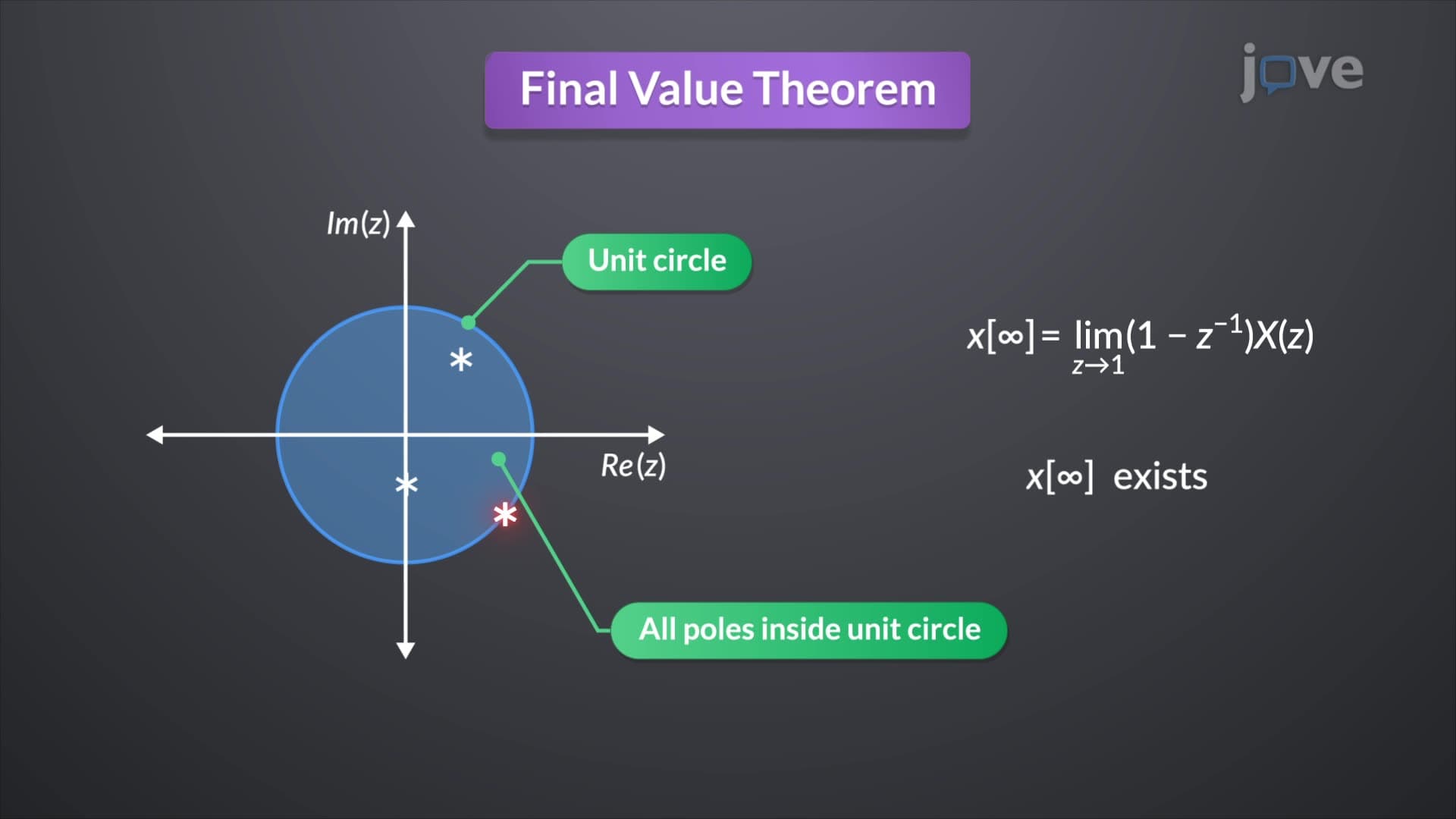
Time reversal and modulation properties complete the comprehensive toolkit for understanding properties z transform ii. Time reversal, which replaces z with 1/z in the transform domain, proves invaluable for analyzing anti-causal systems and understanding stability boundaries in control systems. Students preparing for AP Calculus BC or college-level differential equations courses will encounter these concepts when studying system stability and pole-zero analysis.
Related Micro-courses