Loading video…


 7 Concepts
 4K views

Video Summary: Difference Equation Solution Using Z Transform Explained
Ever wonder how Netflix's recommendation algorithm processes millions of user preferences in real-time? The relation of DFT to z transform forms the mathematical backbone of such digital systems. When engineers at companies like Apple design audio processing chips for AirPods, they rely on Difference Equation Solution Using Z Transform Explained techniques to convert complex time-domain problems into manageable algebraic equations. This powerful mathematical tool transforms discrete-time signals-like the digital audio streaming through Spotify-from time domain to frequency domain for efficient analysis. Watch the full video on JoVE Coach to master this concept with expert-led visuals and step-by-step explanations.
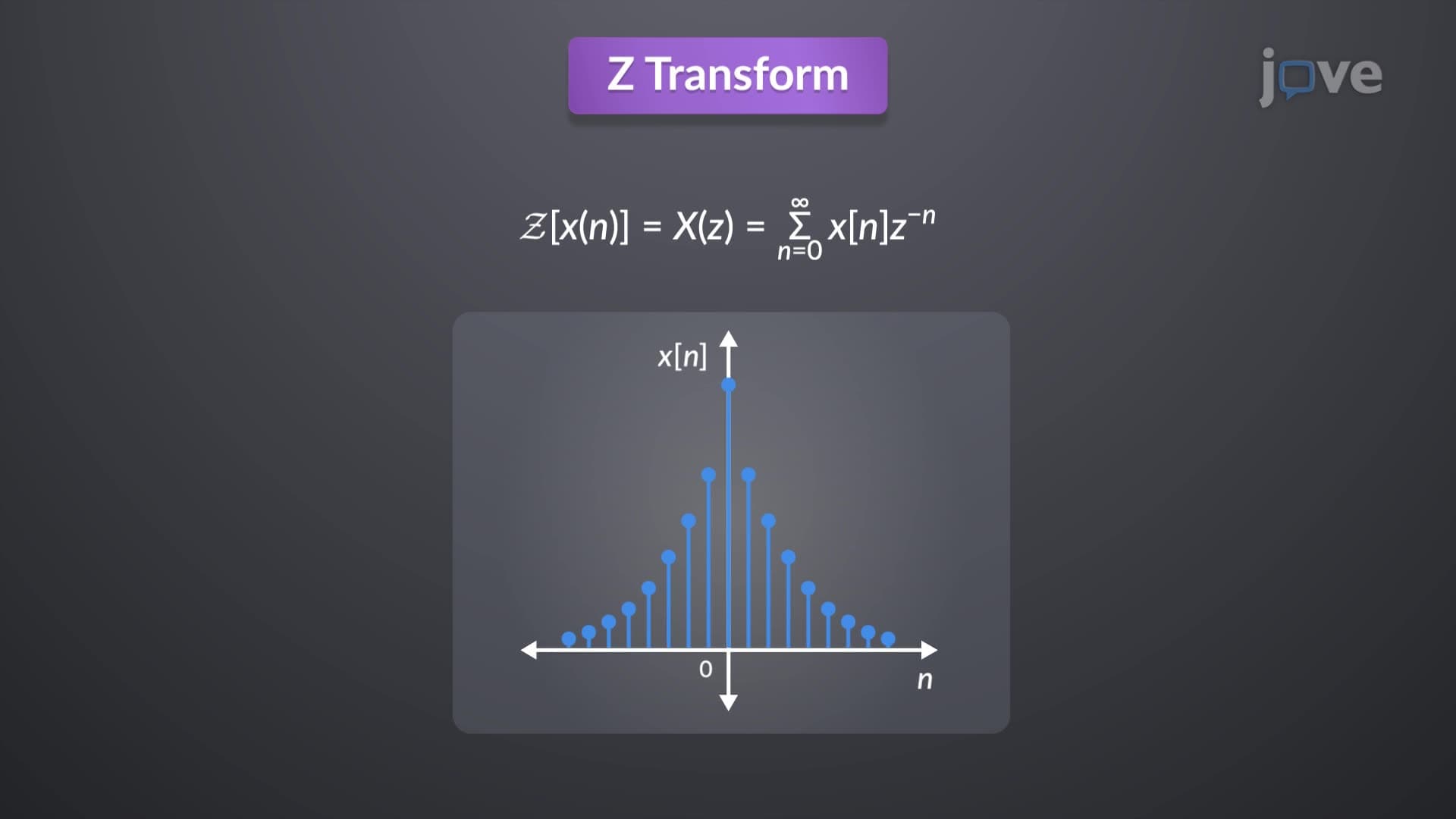
The z-transform serves as a powerful mathematical bridge between time-domain difference equations and frequency-domain analysis, revolutionizing how engineers approach discrete-time system design. Unlike continuous-time systems that use Laplace transforms, discrete-time systems-prevalent in all digital technologies-require z-transform analysis for effective problem-solving.
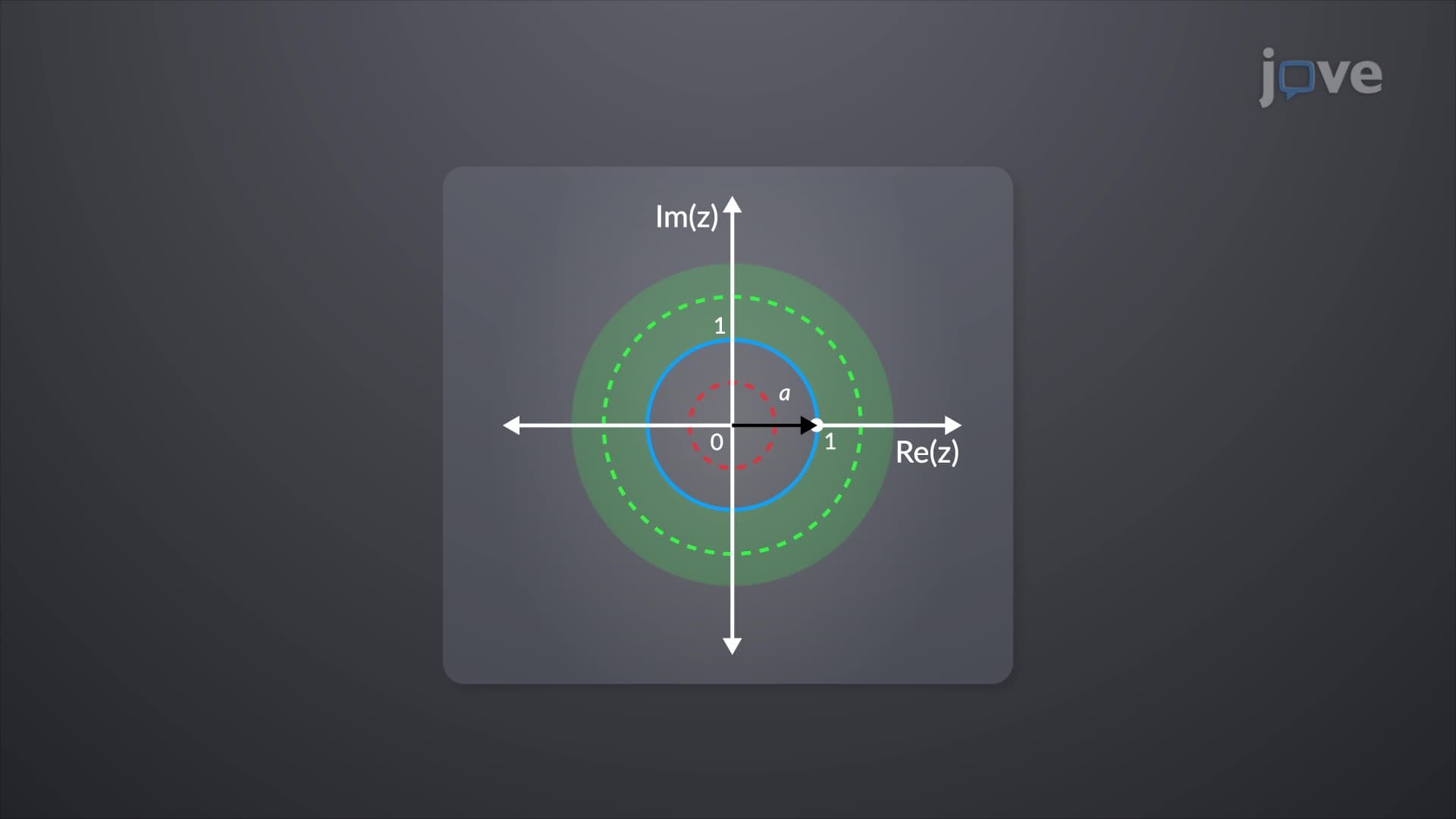
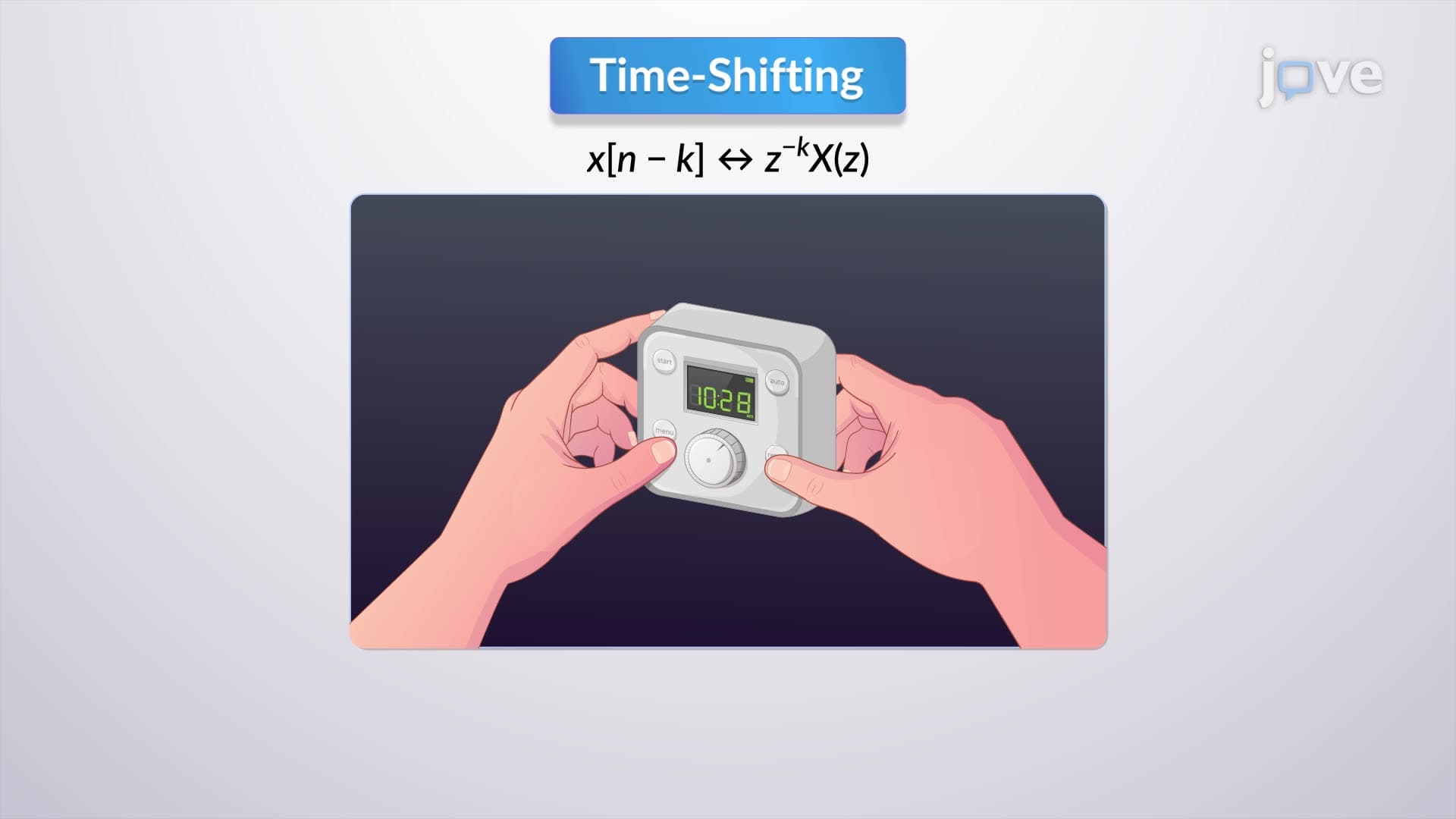
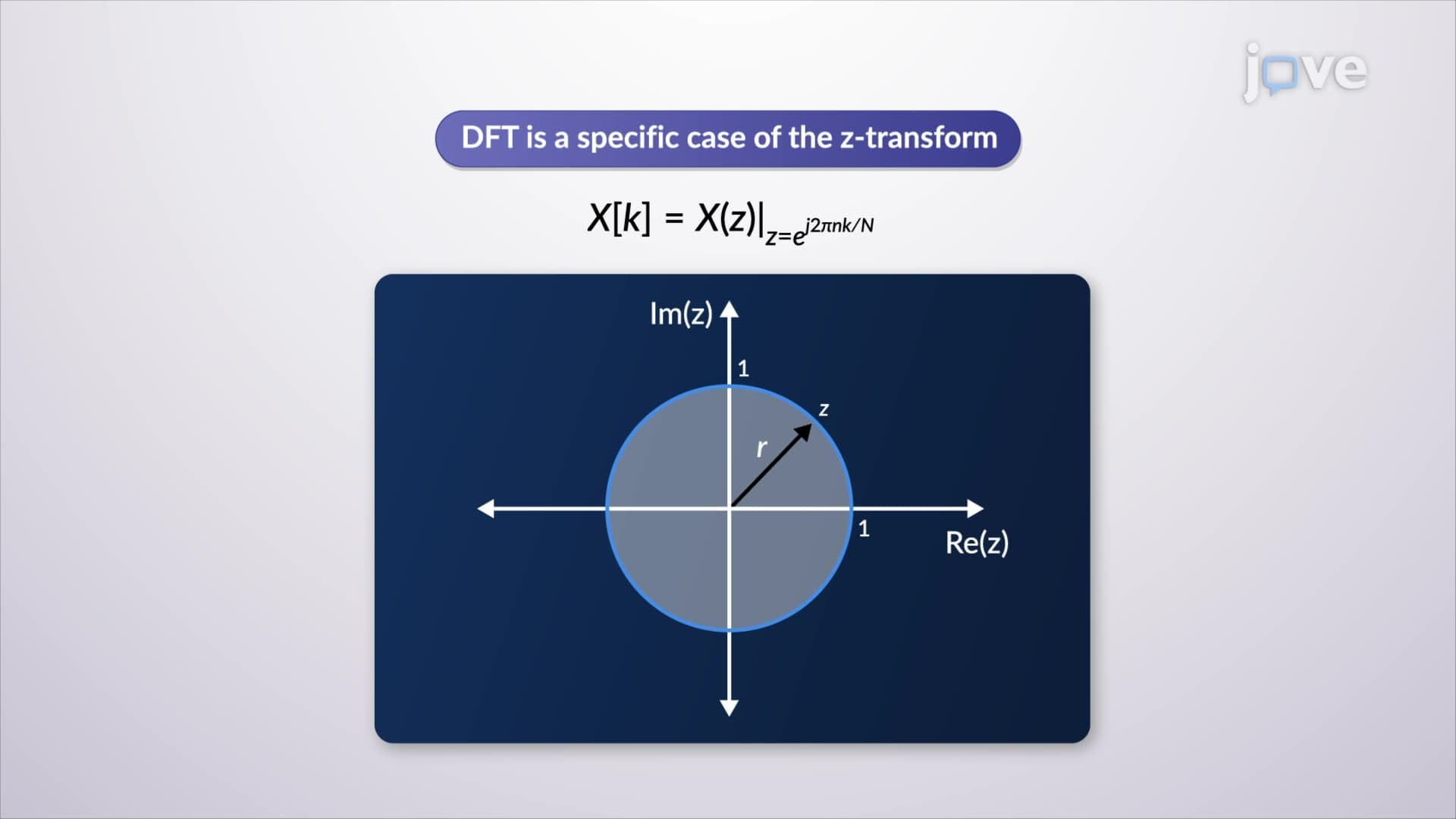
The relation of DFT to z transform becomes evident when examining how both tools handle discrete-time sequences. While the Discrete Fourier Transform (DFT) analyzes finite-length sequences for frequency content, the z-transform extends this concept to infinite sequences and system analysis. Consider a typical second-order difference equation: y[n] - 1.5y[n-1] + 0.5y[n-2] = x[n]. Taking the z-transform converts this into: Y(z) - 1.5z^(-1)Y(z) + 0.5z^(-2)Y(z) = X(z), where multiplication by z^(-1) represents unit delays.
This algebraic manipulation eliminates the recursive nature of difference equations, transforming them into straightforward algebraic problems. Students preparing for AP Calculus BC or college-level Digital Signal Processing courses will encounter this concept as a fundamental tool for system analysis.
Major US technology companies extensively utilize these mathematical principles. Google's speech recognition algorithms, Amazon's Alexa voice processing, and Tesla's autopilot sensor fusion systems all rely on z-transform analysis for real-time signal processing. When Apple engineers design noise-cancellation features for AirPods, they model acoustic systems using difference equations and solve them via z-transform methods.
The relation of dft to z transform tutorial approach proves invaluable in engineering education, as students can visualize how time-domain signals transform into manageable frequency-domain representations. This concept appears in standardized tests like the Fundamentals of Engineering (FE) exam, where engineering graduates must demonstrate competency in signal processing mathematics.
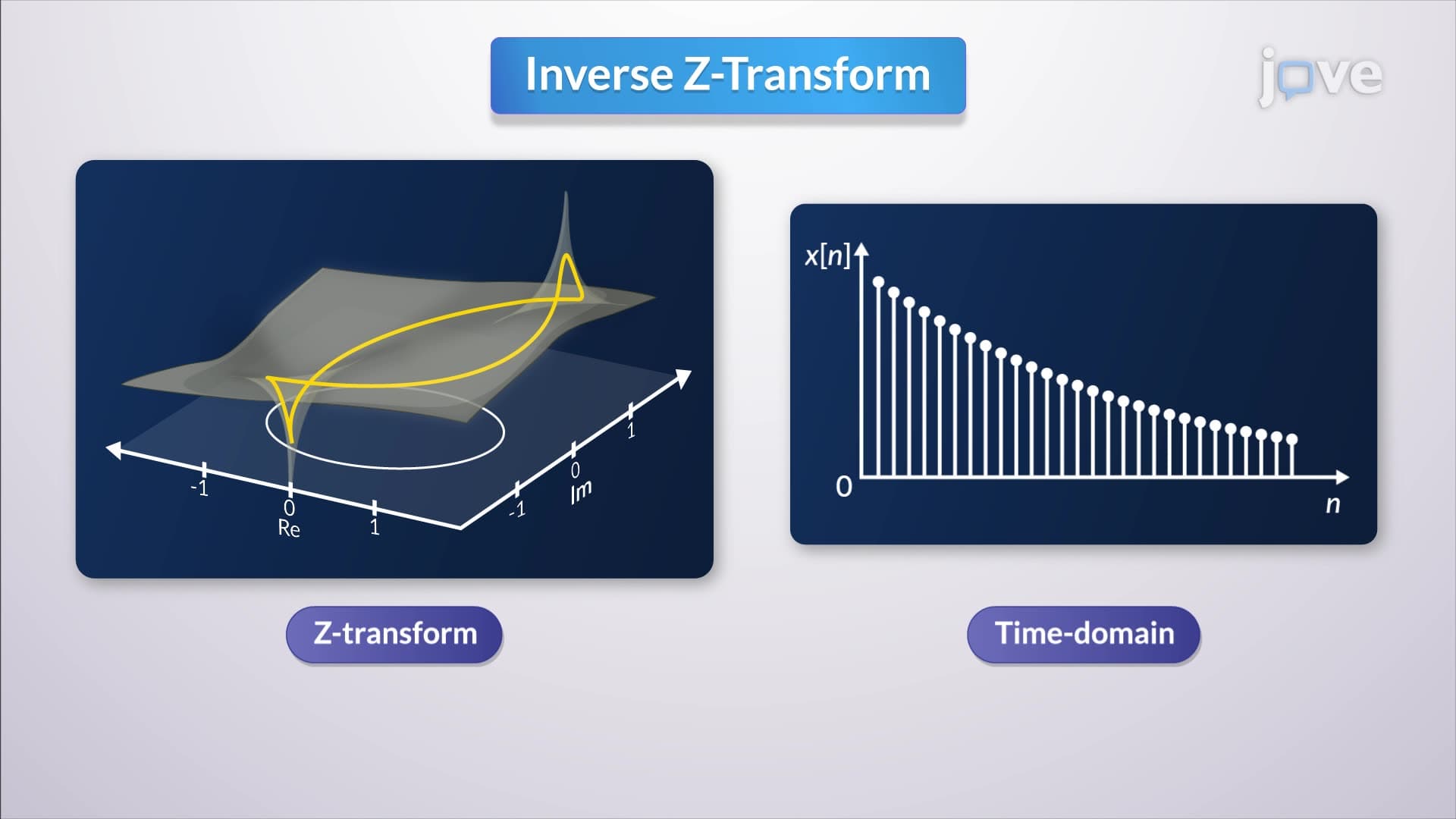
Partial fraction decomposition represents a critical skill when working with z-transform solutions. After algebraically solving for Y(z), engineers decompose complex rational functions into simpler terms, enabling straightforward inverse z-transform calculations. This technique directly applies to designing digital filters for applications ranging from medical devices (FDA-regulated systems) to aerospace navigation systems used by NASA and private companies like SpaceX.
Understanding how relation of dft to z transform works provides students with analytical tools essential for careers in electrical engineering, computer science, and applied mathematics, forming the foundation for advanced topics in machine learning, robotics, and telecommunications.
Related Micro-courses