Loading video…


 7 Concepts
 4K views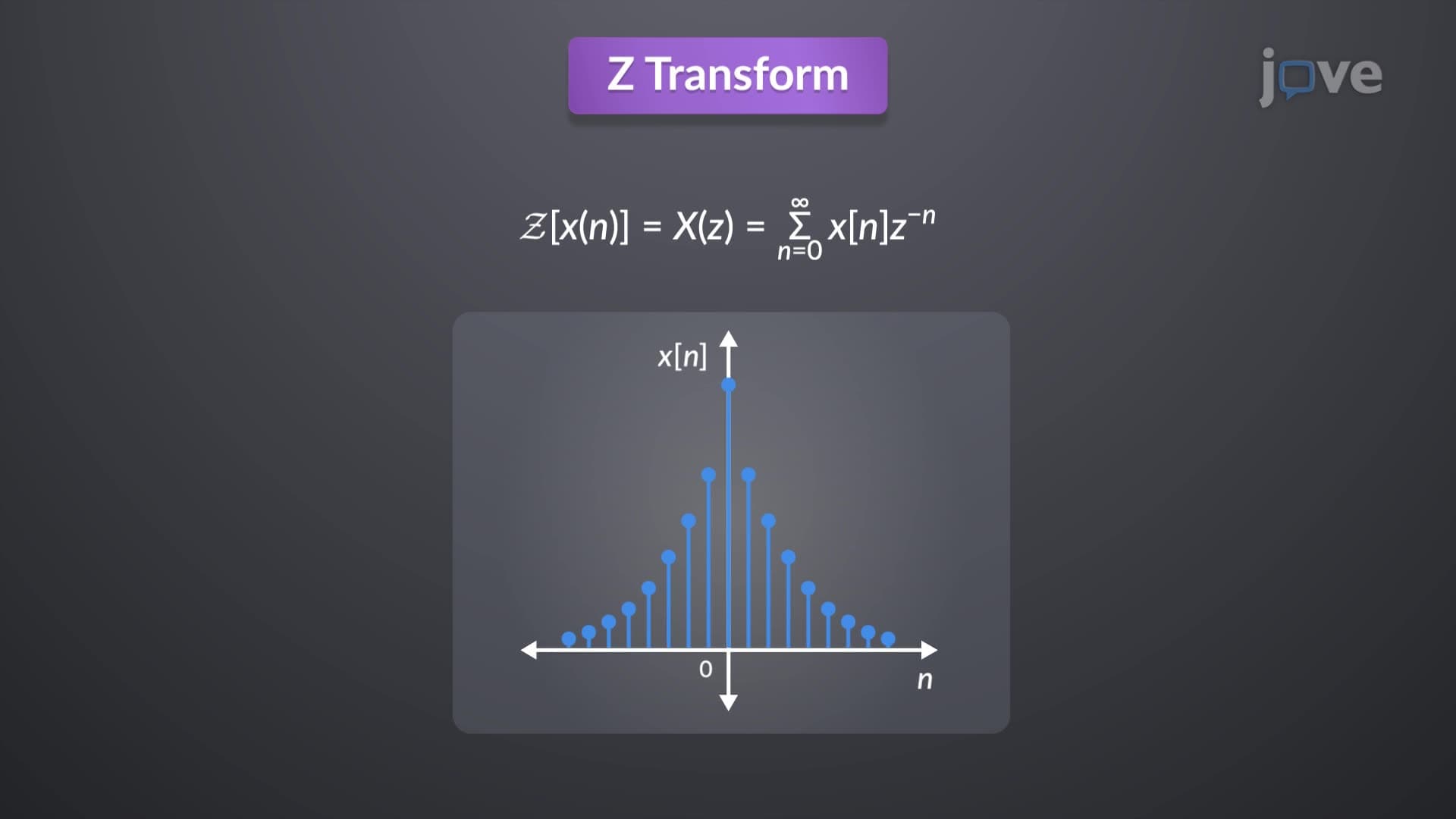

Video Summary: What Is Definition of Z Transform
Ever wonder how Netflix's recommendation algorithm processes your viewing history in real-time? The region of convergence is a critical mathematical boundary that determines when z-transform analysis remains stable and meaningful in digital signal processing systems. Just like how Spotify analyzes millions of discrete audio samples to compress music files, engineers rely on understanding the region of convergence to ensure their digital filters work properly. This concept forms the foundation for analyzing discrete-time systems used in everything from smartphone audio processing to GPS navigation. Watch the full video on JoVE Coach to master this concept with expert-led visuals and step-by-step explanations.
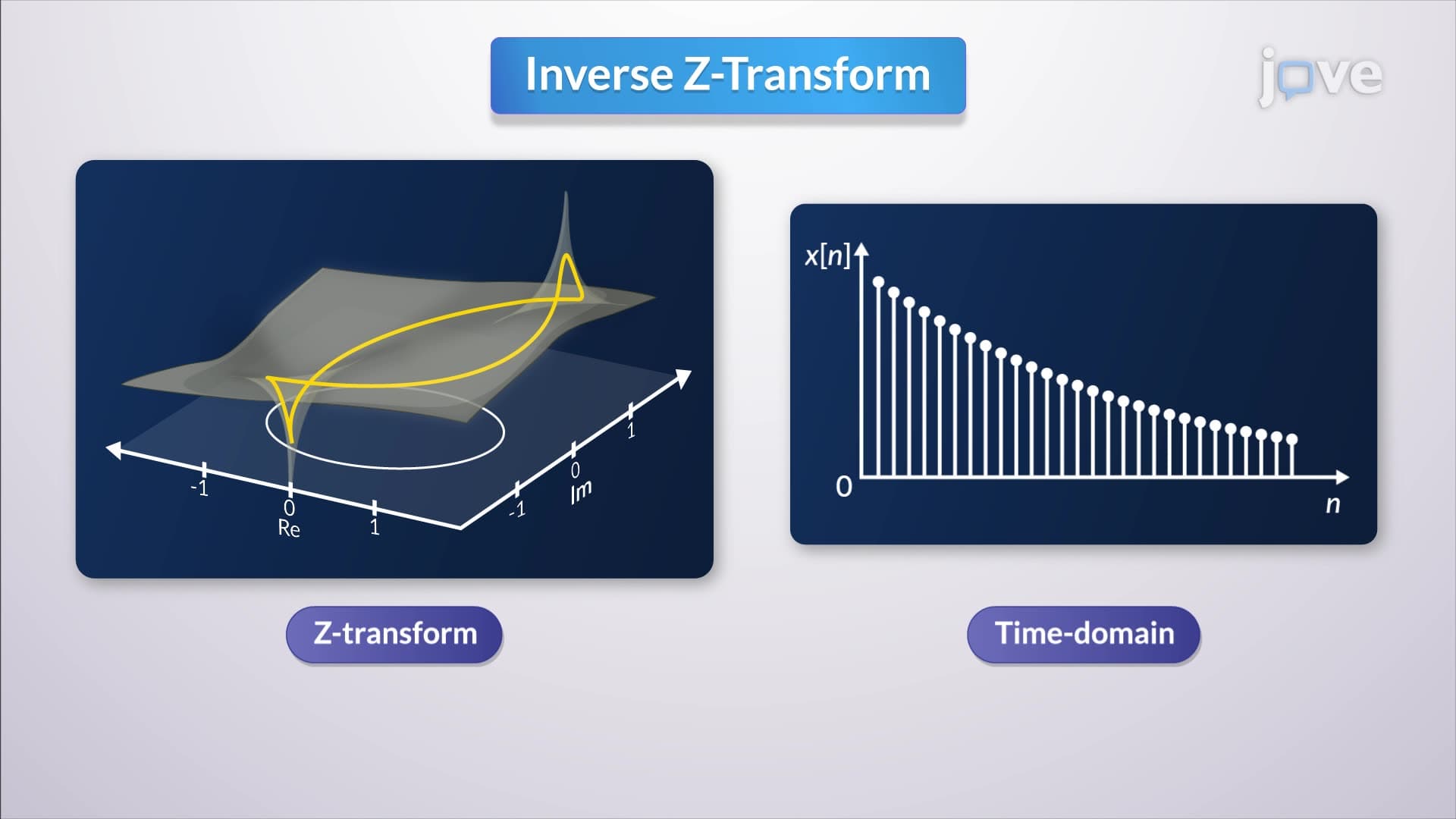
The z-transform serves as the discrete-time equivalent of the continuous Laplace transform, converting sequences of numbers into complex functions for easier mathematical manipulation. At its core, the region of convergence defines the set of complex values where the z-transform series actually adds up to a finite number rather than growing infinitely large.
Think of it like a mathematical "safe zone", just as a Wi-Fi signal only works within a certain range of your router, z-transforms only produce meaningful results within their convergence boundaries. This concept becomes crucial when analyzing digital systems used in modern technology, from the digital signal processors in your car's GPS to the algorithms powering streaming video compression.
The region of convergence definition involves examining where the infinite series sum converges in the complex z-plane. For a typical z-transform X(z) = Σ x[n]z^(-n), convergence depends on the magnitude |z| relative to the signal's characteristics.
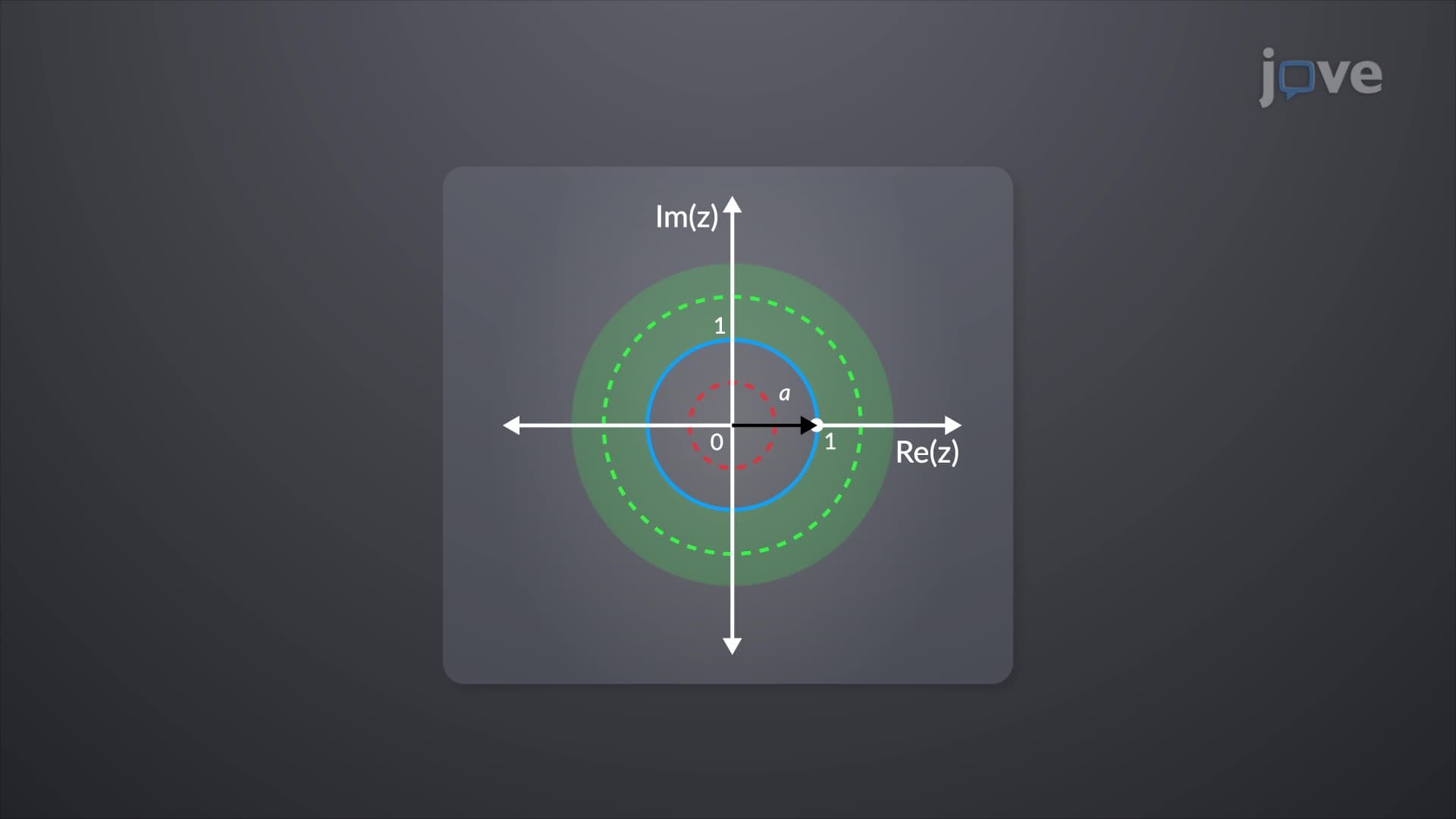
Students preparing for AP Calculus BC or college-level differential equations encounter similar convergence concepts with power series. The key difference lies in how discrete-time signals create annular (ring-shaped) convergence regions rather than simple circles. For example, a causal finite impulse response (FIR) filter used in digital audio processing typically converges for |z| > 0, meaning everywhere except the origin.
When engineering students at institutions like MIT or Stanford design digital filters for noise cancellation headphones, they must carefully analyze convergence regions to ensure stable operation. The region of convergence overview reveals that different signal types produce distinct convergence patterns:
This understanding region of convergence proves essential for ABET-accredited engineering programs, where students learn to design everything from smartphone camera autofocus systems to industrial robot control algorithms.
The region of convergence study guide approach emphasizes connecting mathematical theory with practical engineering applications. Students tackling problems on college midterms or preparing for the Fundamentals of Engineering (FE) exam benefit from visualizing the z-plane as a map where stability and instability regions are clearly marked.
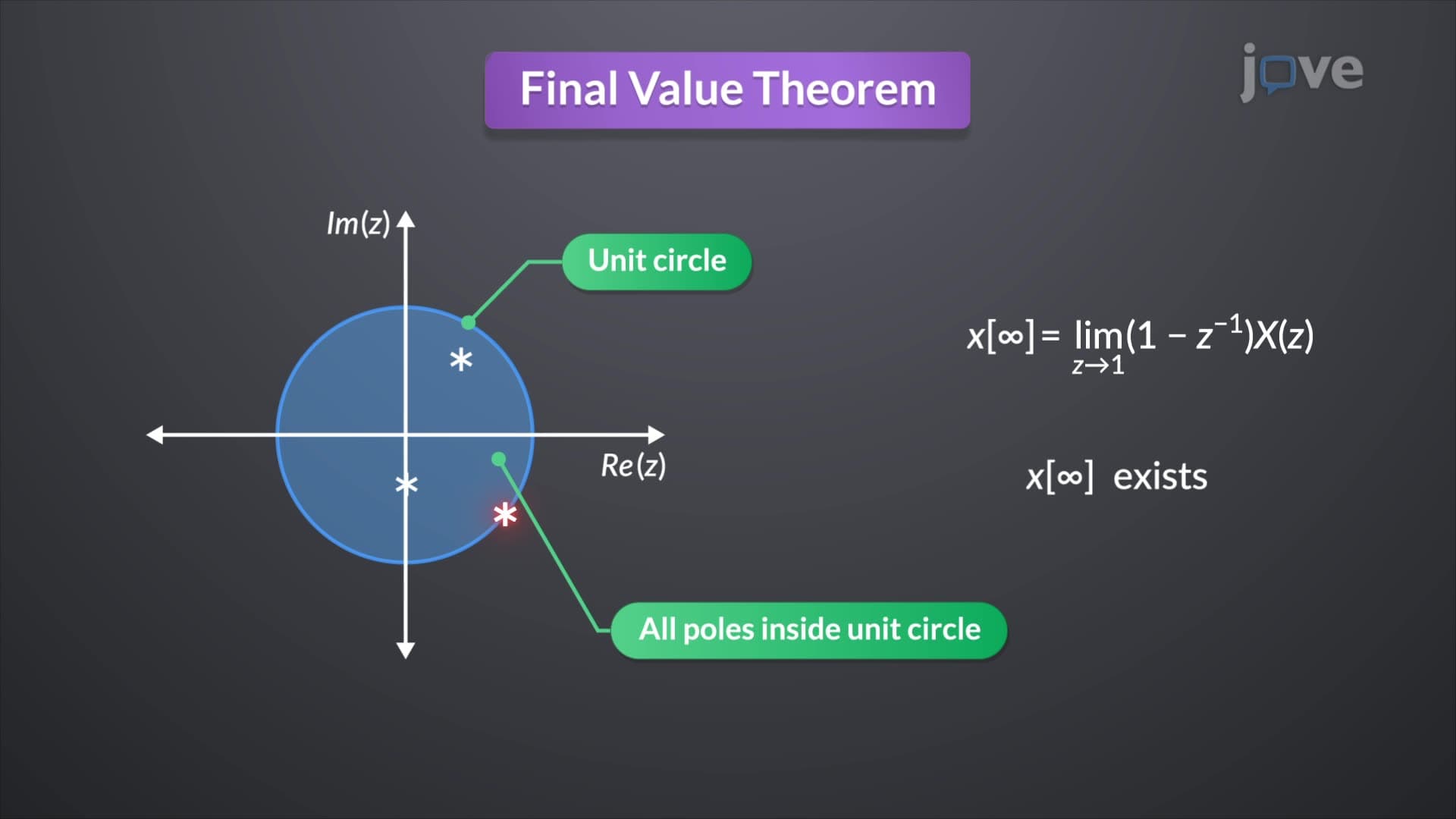
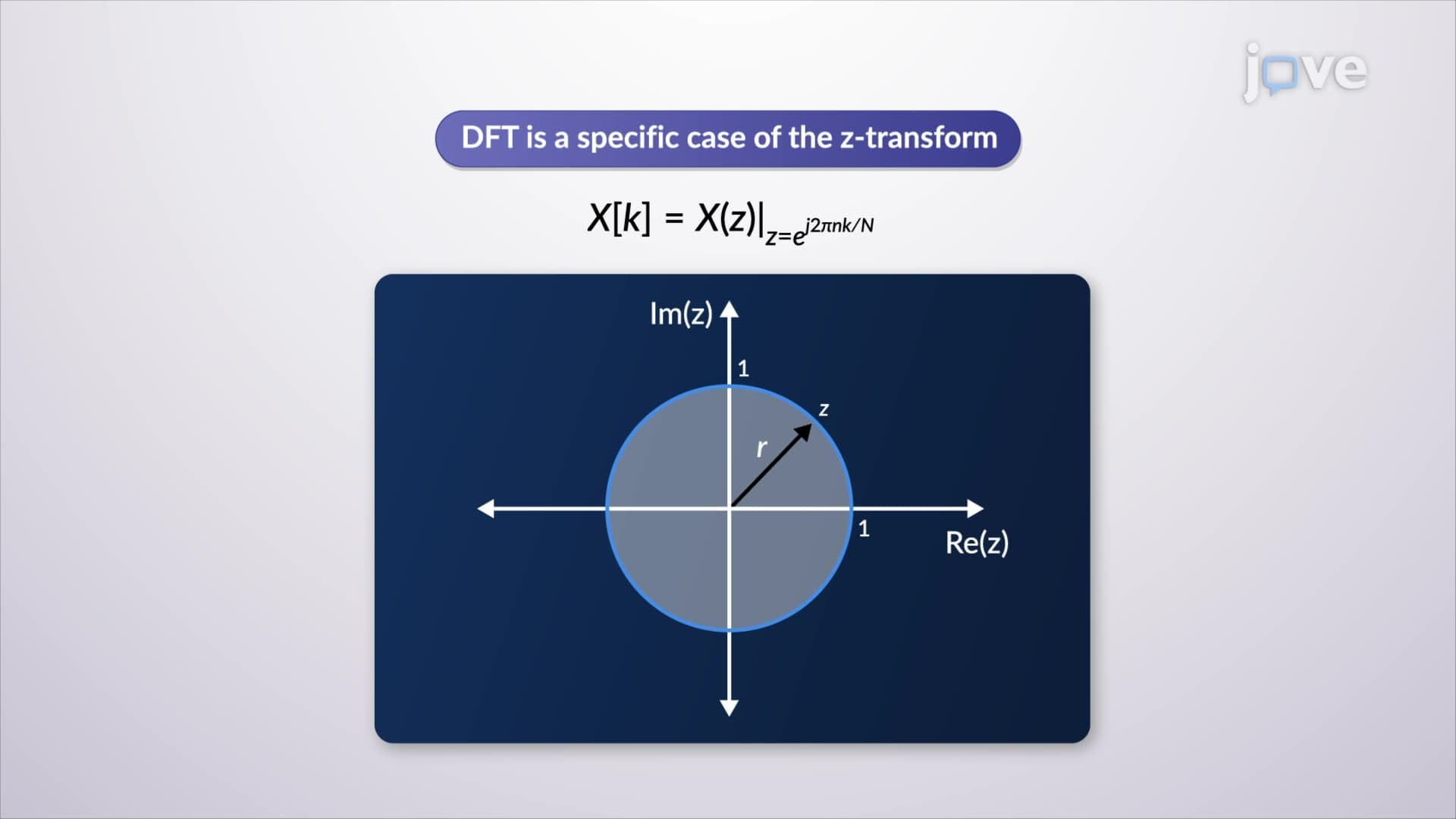
The unit circle (where |z| = 1) serves as a critical boundary, systems with poles inside this circle remain stable, while poles outside indicate potential instability. This region of convergence concept directly applies to designing digital controllers for manufacturing systems, medical devices, and aerospace applications throughout American industry.
Related Micro-courses