Loading video…


 7 Concepts
 4K views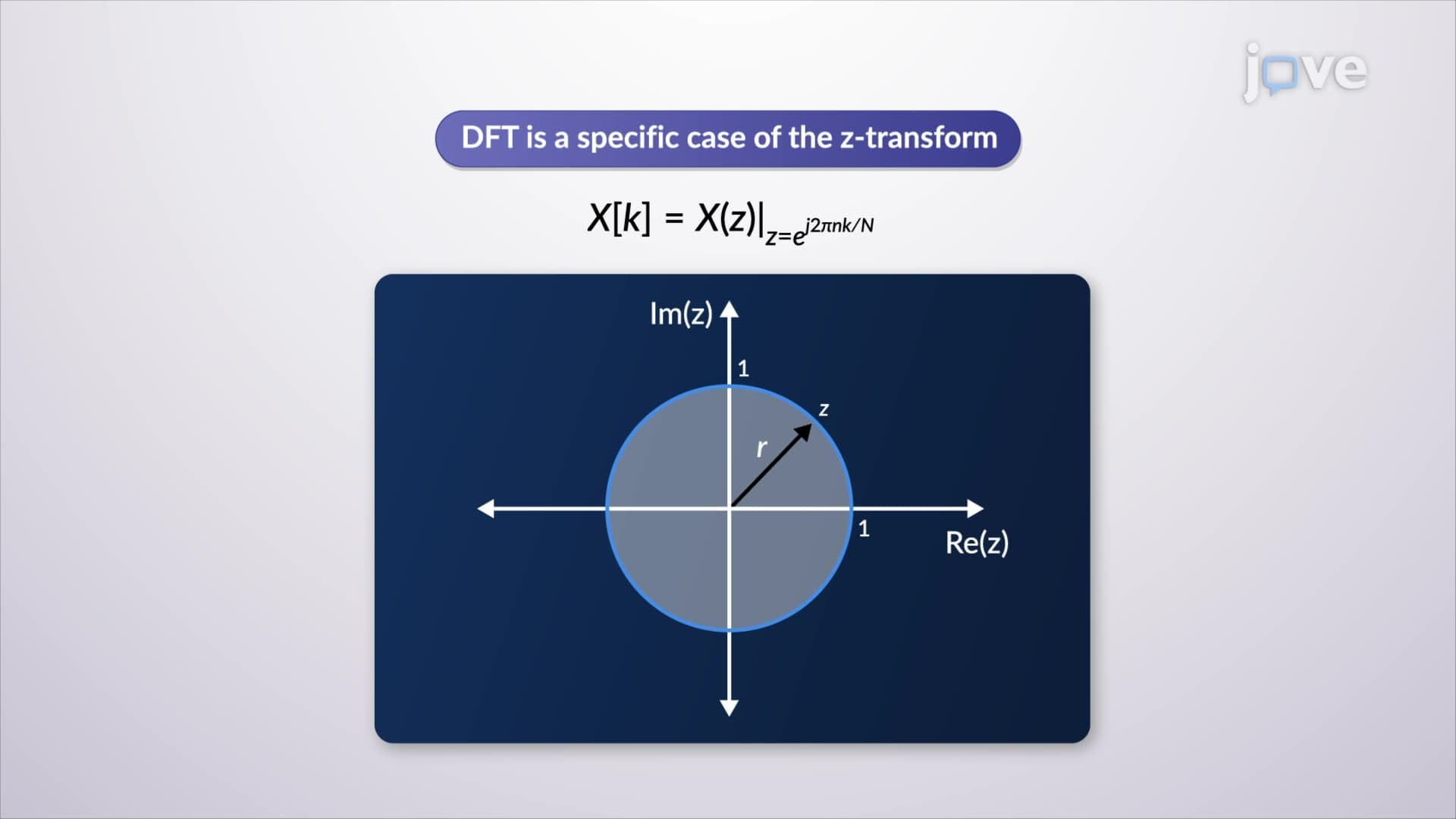

Video Summary: Relation of Dft to Z Transform Explained
Did you know that every digital audio filter in Spotify and Apple Music relies on the same mathematical relationship used in NASA's spacecraft communication systems? Control systems engineers use the Relation of DFT to Z Transform to convert between time and frequency domains, enabling precise signal analysis in everything from Tesla's autopilot sensors to iPhone's noise cancellation technology. Watch the full video on JoVE Coach to master this concept with expert-led visuals and step-by-step explanations.
The Relation of DFT to Z Transform represents one of the most elegant connections in digital signal processing and control systems. This relationship bridges the gap between two fundamental mathematical tools used extensively in engineering applications, from designing anti-lock braking systems in Ford vehicles to developing noise reduction algorithms for Bose headphones.
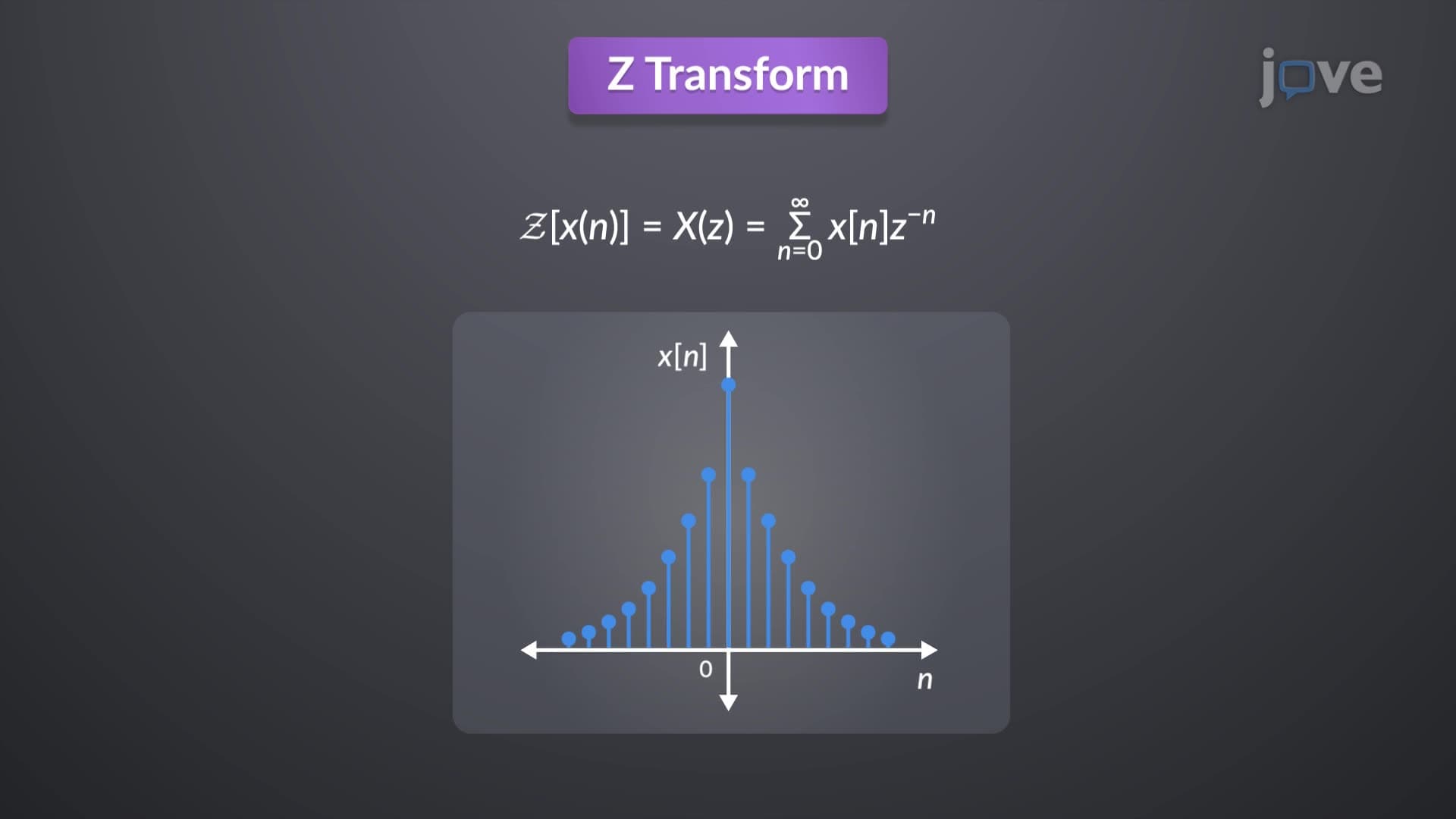
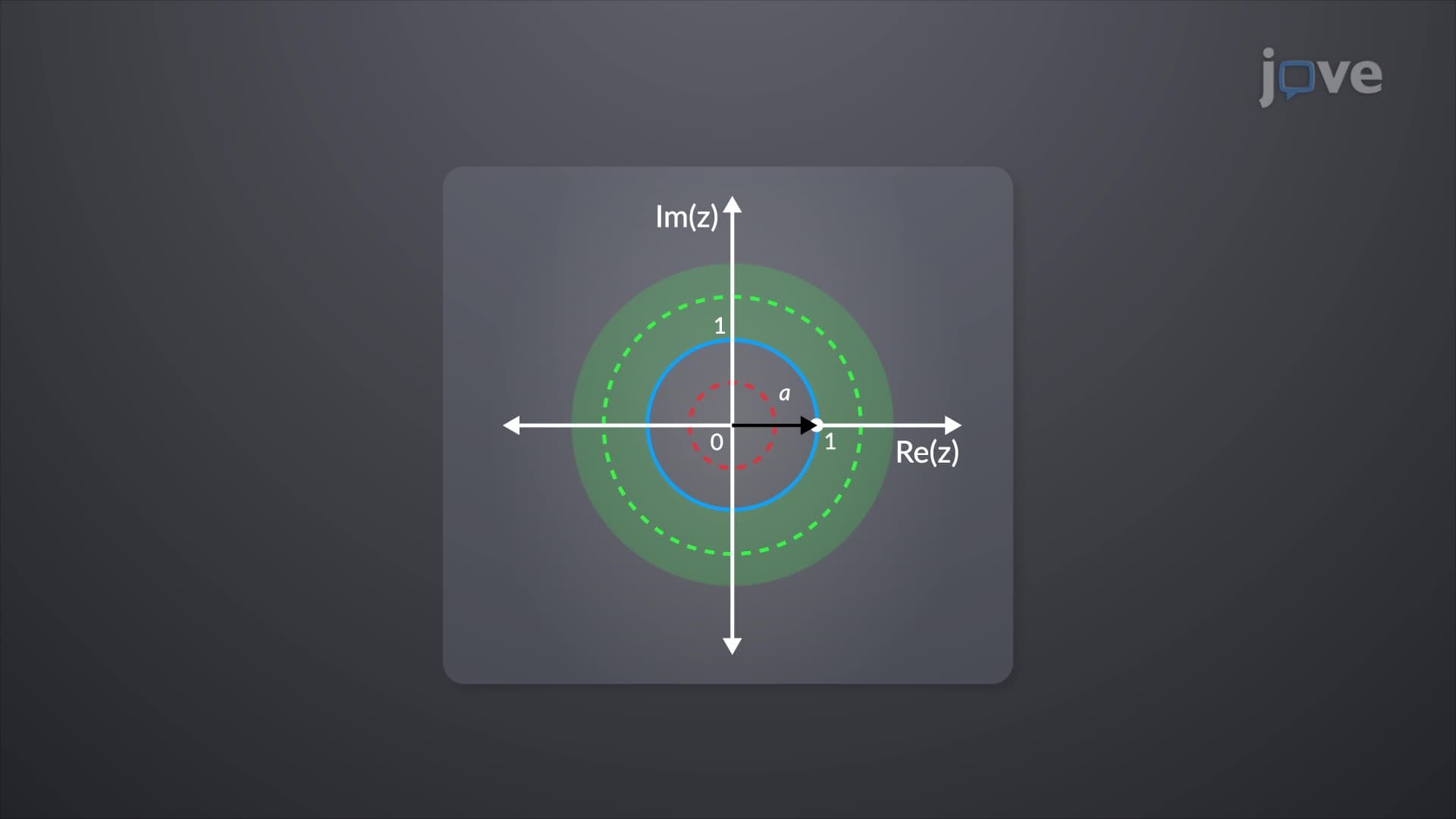
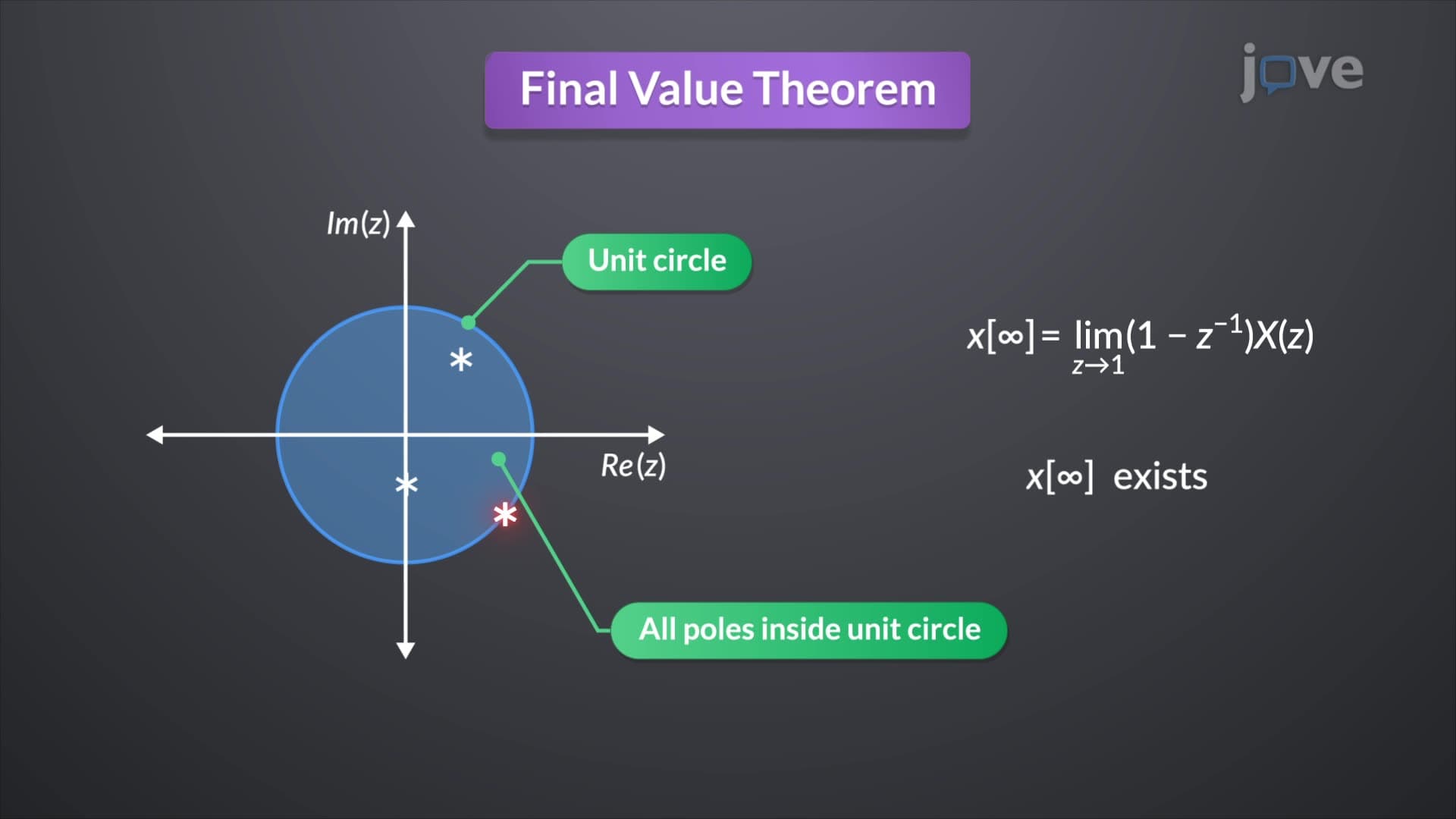
In control systems definition, engineers need to analyze how systems respond to different input frequencies. The z-transform provides a comprehensive frequency domain representation of discrete-time signals, while the DFT offers a computationally efficient method for practical implementation. The key insight is that the DFT samples the z-transform at N equally spaced points around the unit circle in the complex plane.
When we substitute z = e^(j2πk/N) into the z-transform equation, where k ranges from 0 to N-1, we obtain exactly the DFT formula. This mathematical relationship explains why DFT algorithms can efficiently compute frequency responses that would otherwise require complex z-transform calculations.
What is control systems in detail becomes clearer when we examine real applications. Boeing uses this DFT-z transform relationship in their flight control computers to analyze sensor data and maintain aircraft stability. Similarly, Tesla's autopilot system processes camera and radar signals using these same principles to detect obstacles and navigate safely.
The relationship proves crucial for students preparing for AP Physics exams, college-level signals and systems courses, and engineering fundamentals tests. Understanding this connection helps solve problems involving system stability, filter design, and frequency response analysis.
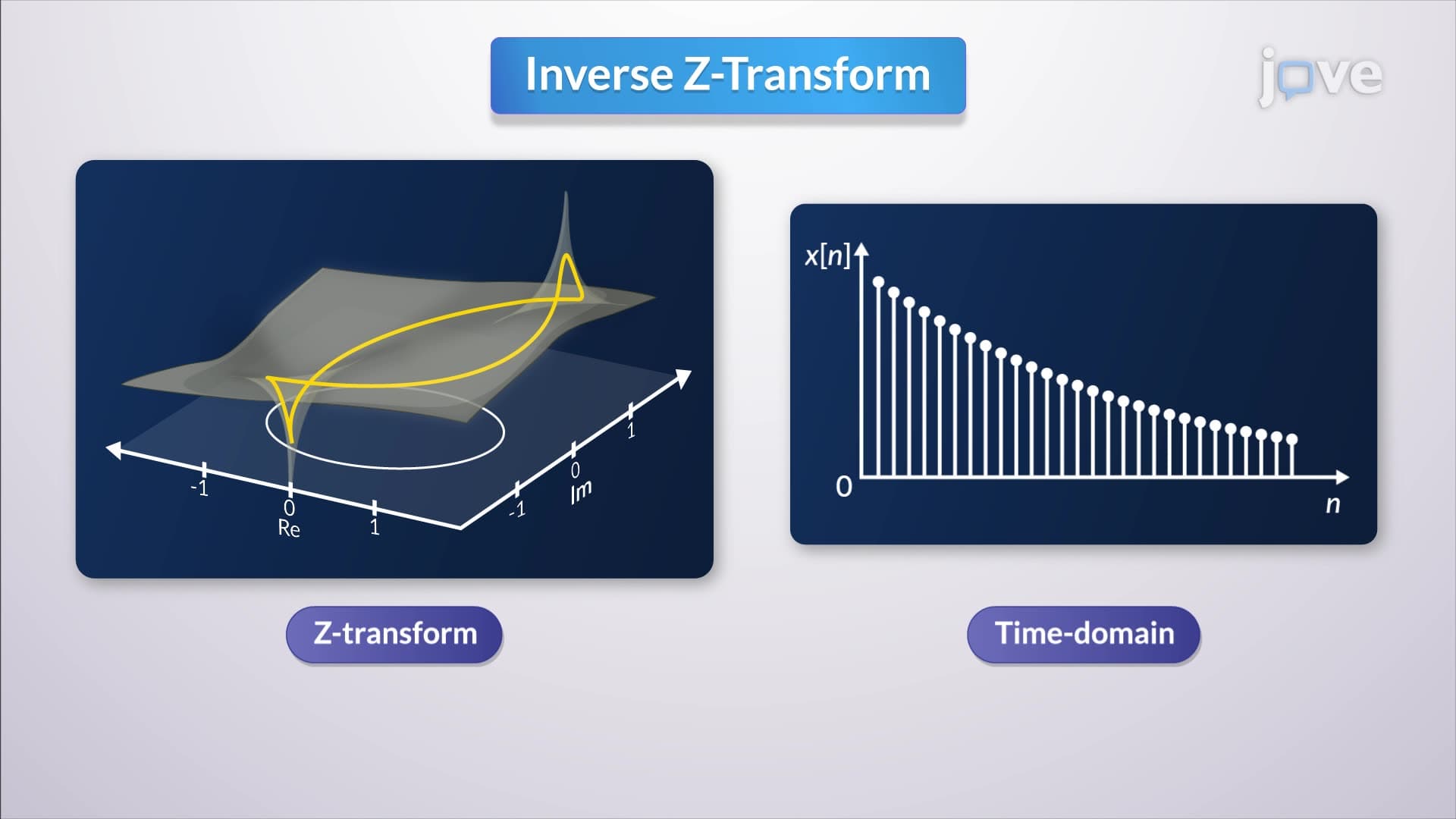
Modern control systems basics rely heavily on digital signal processors that implement DFT algorithms to achieve real-time z-transform analysis. This approach enables everything from smartphone touchscreen responsiveness to industrial robot precision control. The mathematical elegance of this relationship allows engineers to switch seamlessly between time and frequency domain analysis, optimizing system performance across diverse applications.
Related Micro-courses