Loading video…


 5 Concepts
 1.5K views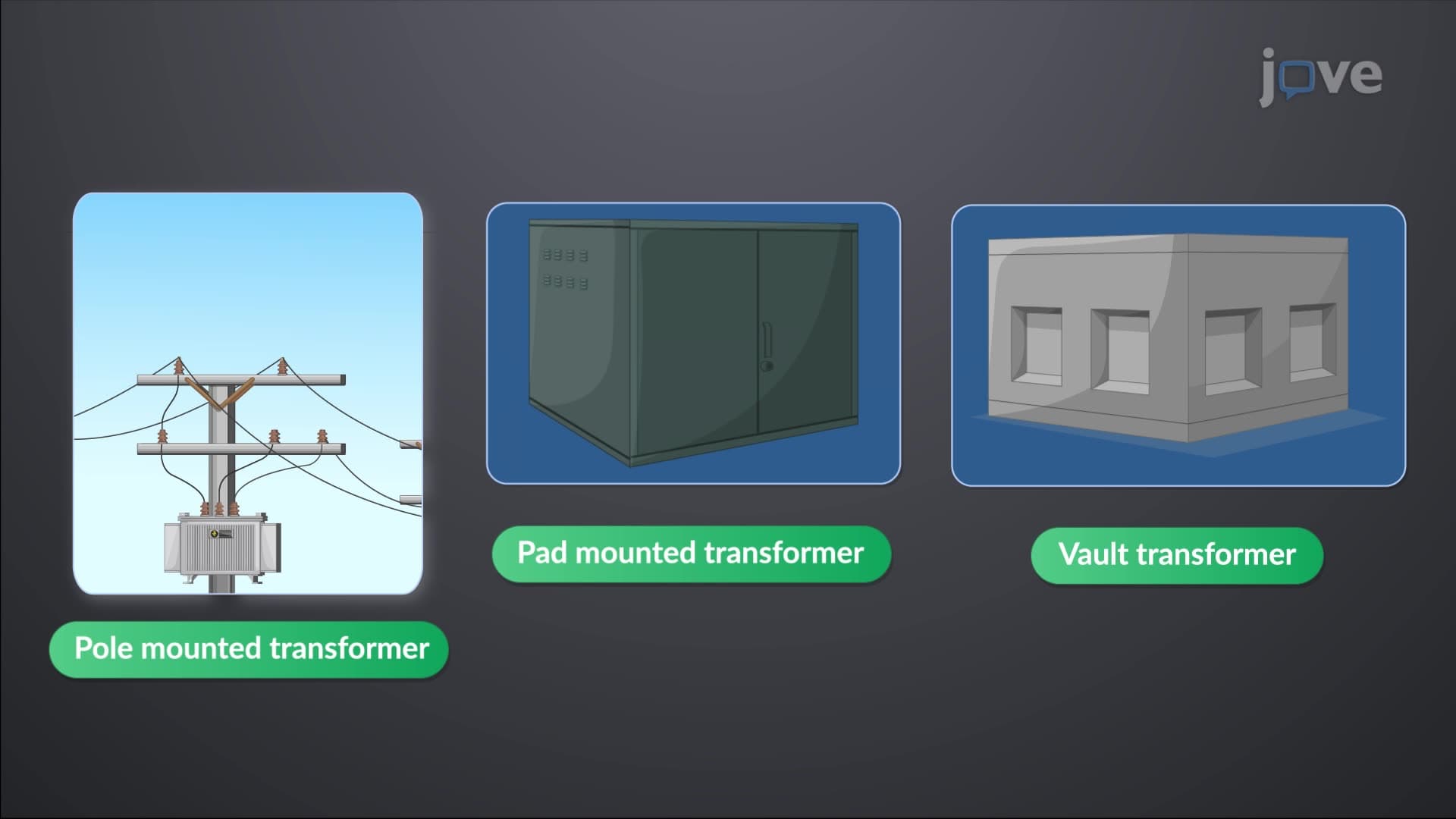

Video Summary: What Is Power System Distribution
Ever wonder how electricity travels from massive power plants to charge your phone? Primary distribution systems form the critical backbone that delivers electricity from substations directly to neighborhoods across America, operating at voltages between 4-35 kV. Consider how Con Edison in New York manages thousands of miles of primary distribution feeders to power over 3 million customers daily. What is Power System Distribution reveals the intricate network of transformers, feeders, and protective devices that ensure reliable electricity reaches every home and business. Watch the full video on JoVE Coach to master this concept with expert-led visuals and step-by-step explanations.
Power system distribution represents the final stage of electricity delivery, bridging the gap between high-voltage transmission networks and end-user consumption. This complex infrastructure operates at medium voltages, typically ranging from 4 kV to 35 kV, making it fundamentally different from both transmission systems (operating above 69 kV) and secondary distribution (below 1 kV). The primary distribution system serves as the neighborhood-level highway for electrical energy, branching out like a tree structure to reach every corner of communities across the United States.
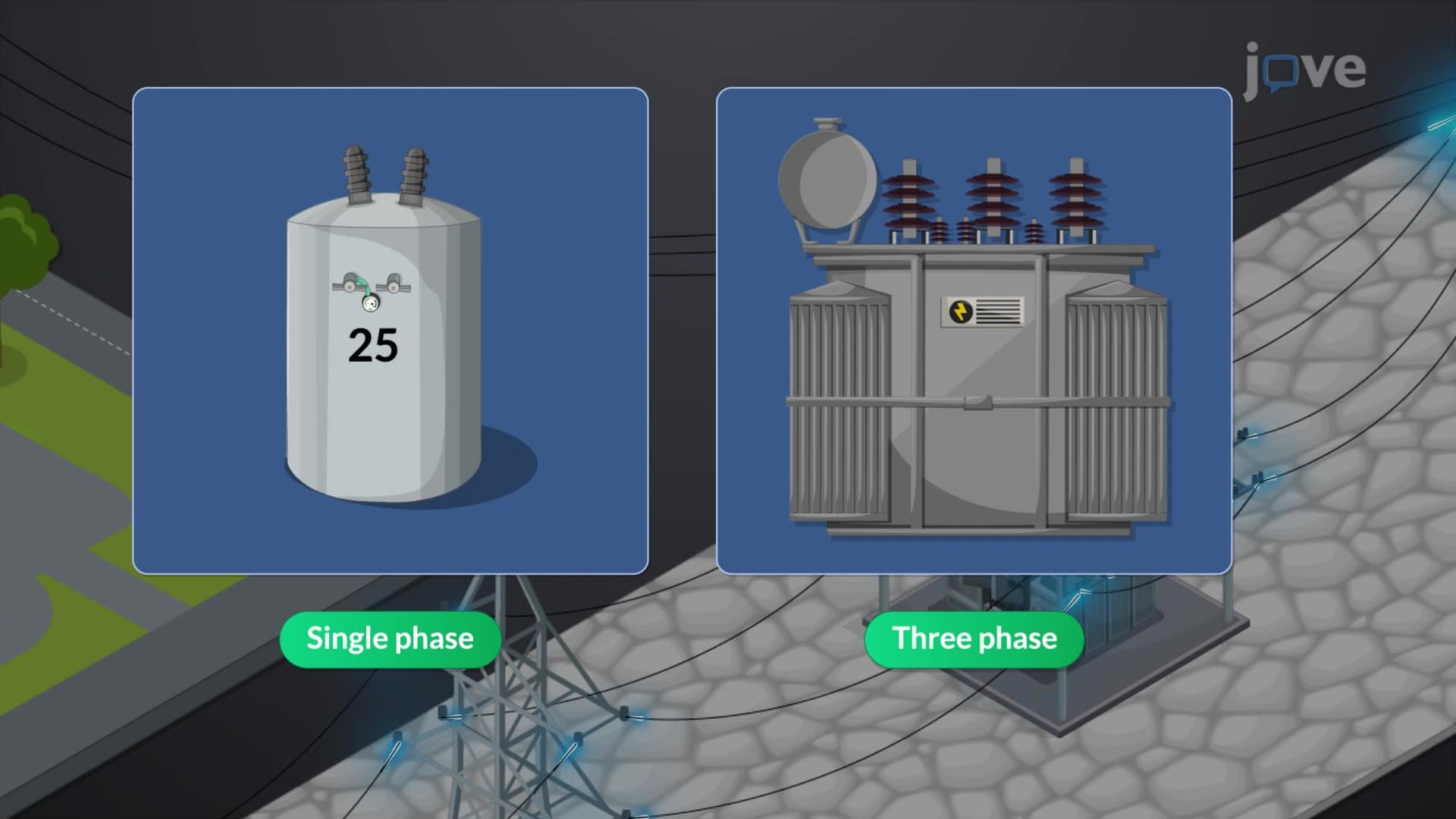
The heart of any distribution system lies in its primary distribution feeders, which originate from distribution substations and radiate outward to serve specific geographic areas. These feeders typically operate as three-phase circuits, carrying balanced loads across residential, commercial, and light industrial zones. In major metropolitan areas like Los Angeles or Chicago, a single distribution substation might supply 10-20 primary feeders, each serving thousands of customers within a 2-5 mile radius.
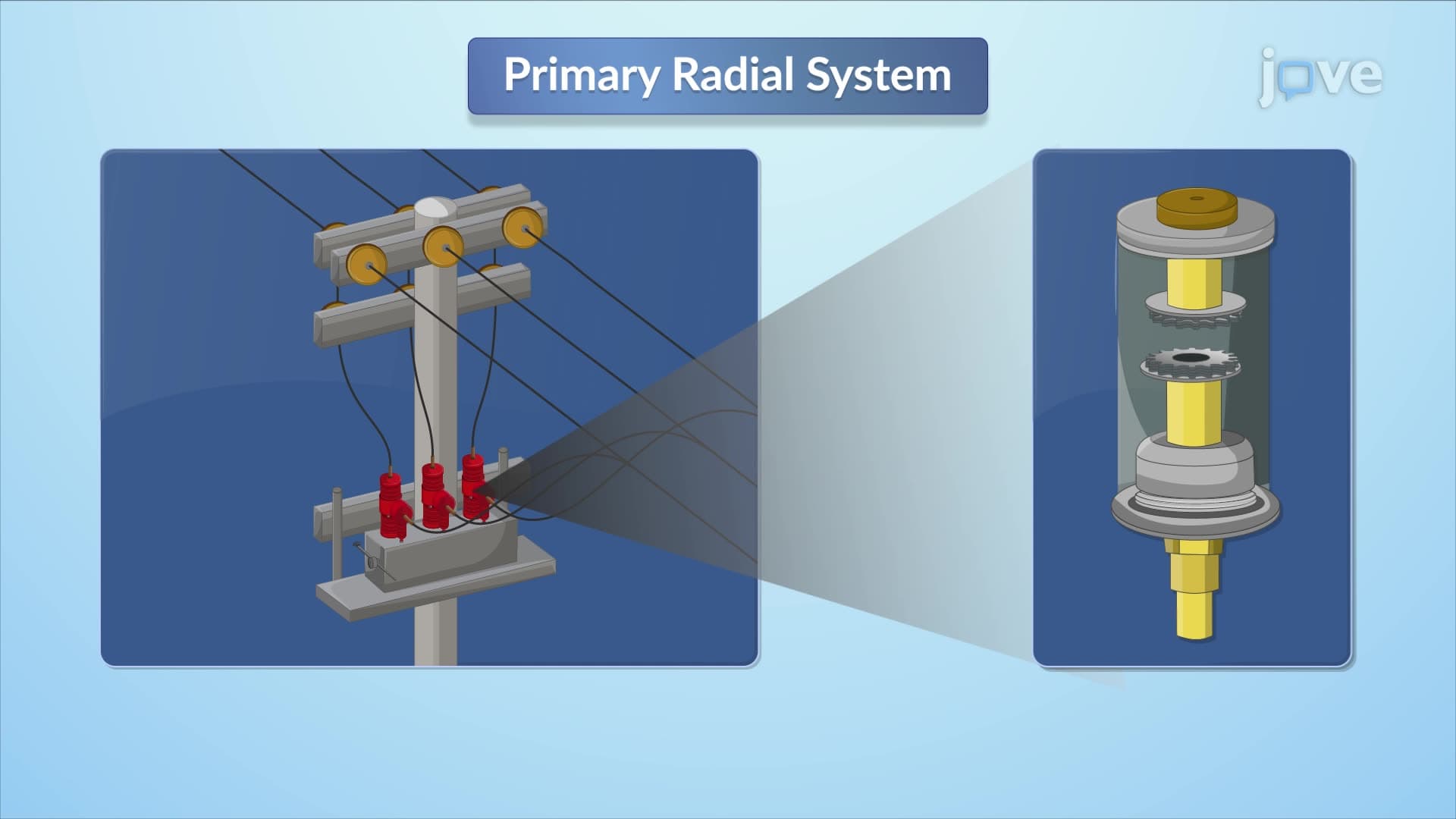
Primary distribution networks employ both radial and loop configurations, though radial systems predominate due to cost considerations. Single-phase laterals branch off from three-phase feeders to serve rural areas or residential subdivisions where three-phase power isn't necessary. This branching strategy optimizes both economic efficiency and reliability, allowing utilities like Pacific Gas & Electric or Duke Energy to customize their distribution approach based on customer density and load requirements.
Voltage regulation within primary distribution systems relies on sophisticated equipment including voltage regulators, capacitor banks, and load tap changers. These devices maintain voltage within the ±5% tolerance required by ANSI standards, ensuring consistent power quality despite varying load conditions throughout the day. Protective devices such as reclosers, sectionalizers, and fuses provide automatic fault isolation, minimizing outage duration and scope when equipment failures occur.
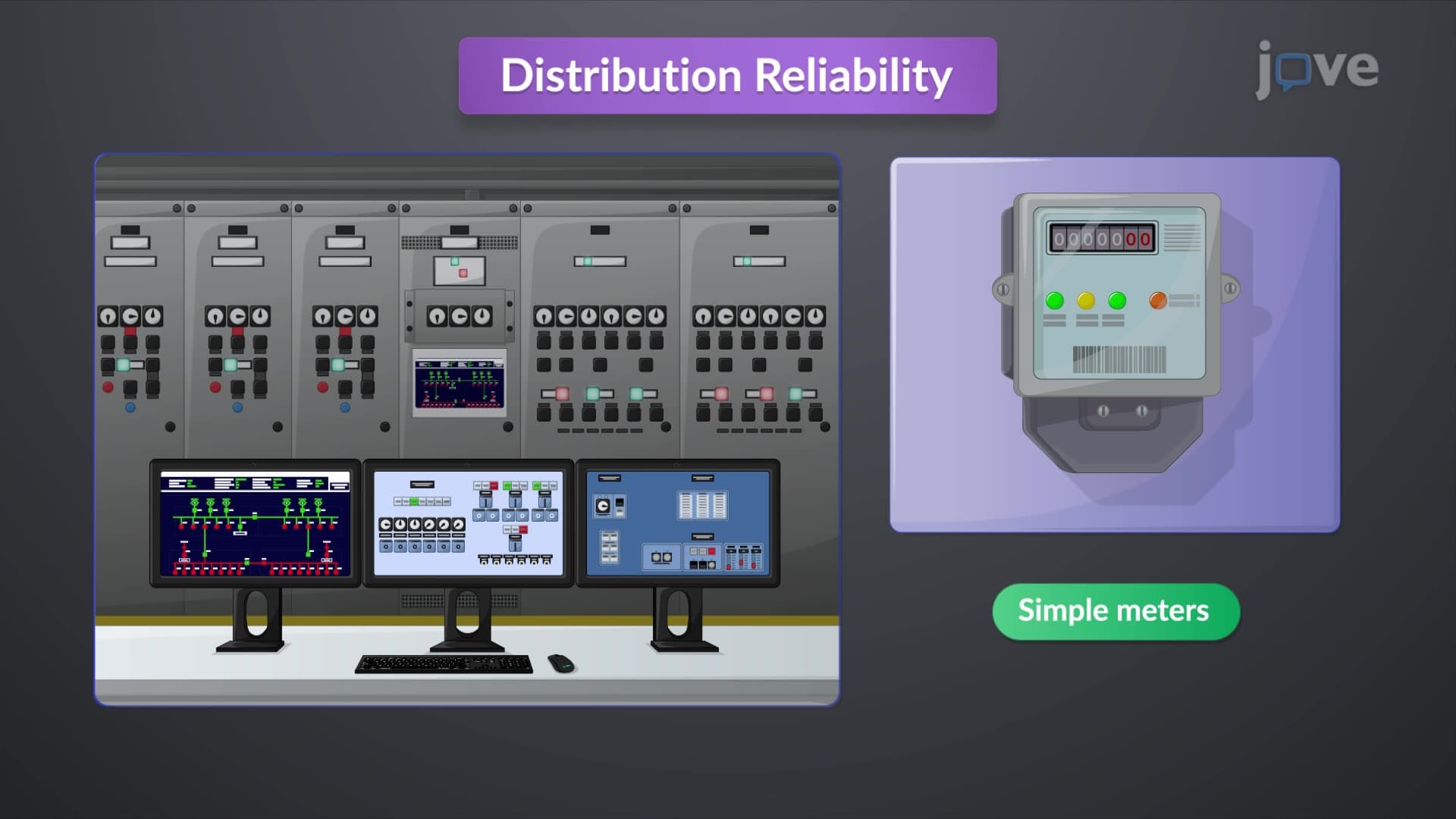
Modern distribution systems increasingly incorporate smart grid technologies, enabling real-time monitoring and remote control capabilities. These advances prove particularly valuable during extreme weather events, allowing utilities to reroute power and restore service more efficiently-a critical capability demonstrated during hurricanes along the Gulf Coast or ice storms in the Northeast.
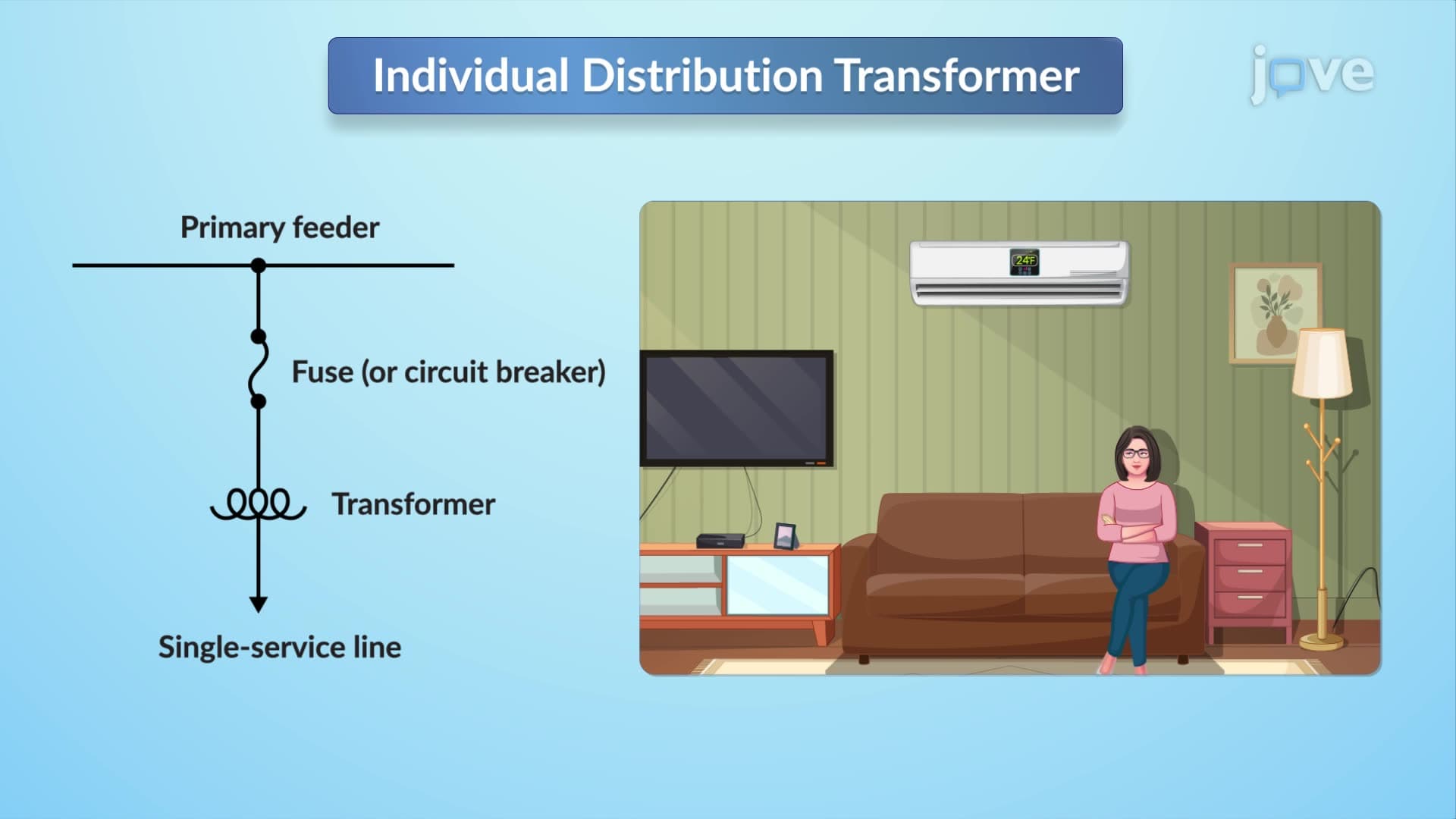
The transition from primary to secondary distribution occurs through distribution transformers, which reduce primary voltages (typically 12-25 kV) to standard secondary levels (120/240V for residential, 208/480V for commercial). These transformers, whether pole-mounted, pad-mounted, or vault-installed, represent the crucial interface between utility-owned primary systems and customer-owned secondary systems. Understanding this integration proves essential for students pursuing electrical engineering degrees or preparing for professional licensing examinations like the PE exam.
Related Micro-courses