Loading video…


 5 Concepts
 1.5K views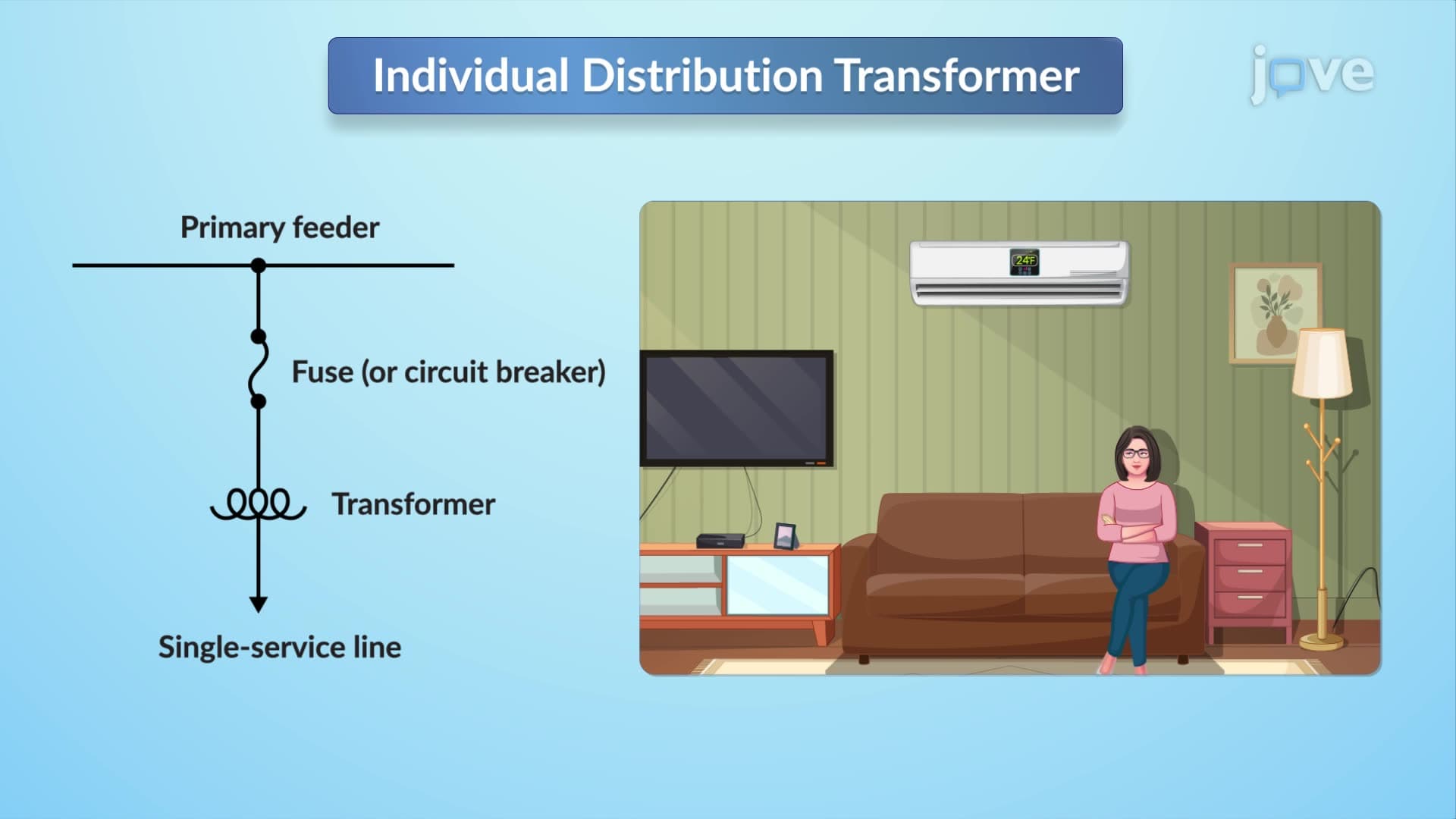

Video Summary: What Is Secondary Distribution
Ever wonder how electricity travels the final miles to power your smartphone or light up Times Square? Transformers in distribution system networks make this possible by stepping down high-voltage electricity to safe, usable levels for homes and businesses. Secondary distribution represents the crucial last step in the electrical grid, delivering power from distribution transformers directly to customer premises across the United States. Watch the full video on JoVE Coach to master this concept with expert-led visuals and step-by-step explanations.
Secondary distribution represents the final stage of electrical power delivery, where transformers in distribution system infrastructure convert medium-voltage electricity (typically 4-35 kV) down to customer utilization voltages. This process ensures safe, usable power reaches American homes at 120V/240V, commercial buildings at 208V/480V, and industrial facilities at various specialized voltages.
Individual distribution transformers serve single customers with large electrical demands or specific voltage requirements. Major US manufacturing facilities like Ford's Dearborn plant rely on dedicated transformers to handle massive industrial loads exceeding 1000 kVA. While costlier than shared systems, individual transformers eliminate secondary mains entirely, reducing voltage drops and improving power quality for sensitive equipment. This configuration proves essential for hospitals, data centers, and semiconductor fabrication facilities where power interruptions could cause catastrophic failures.
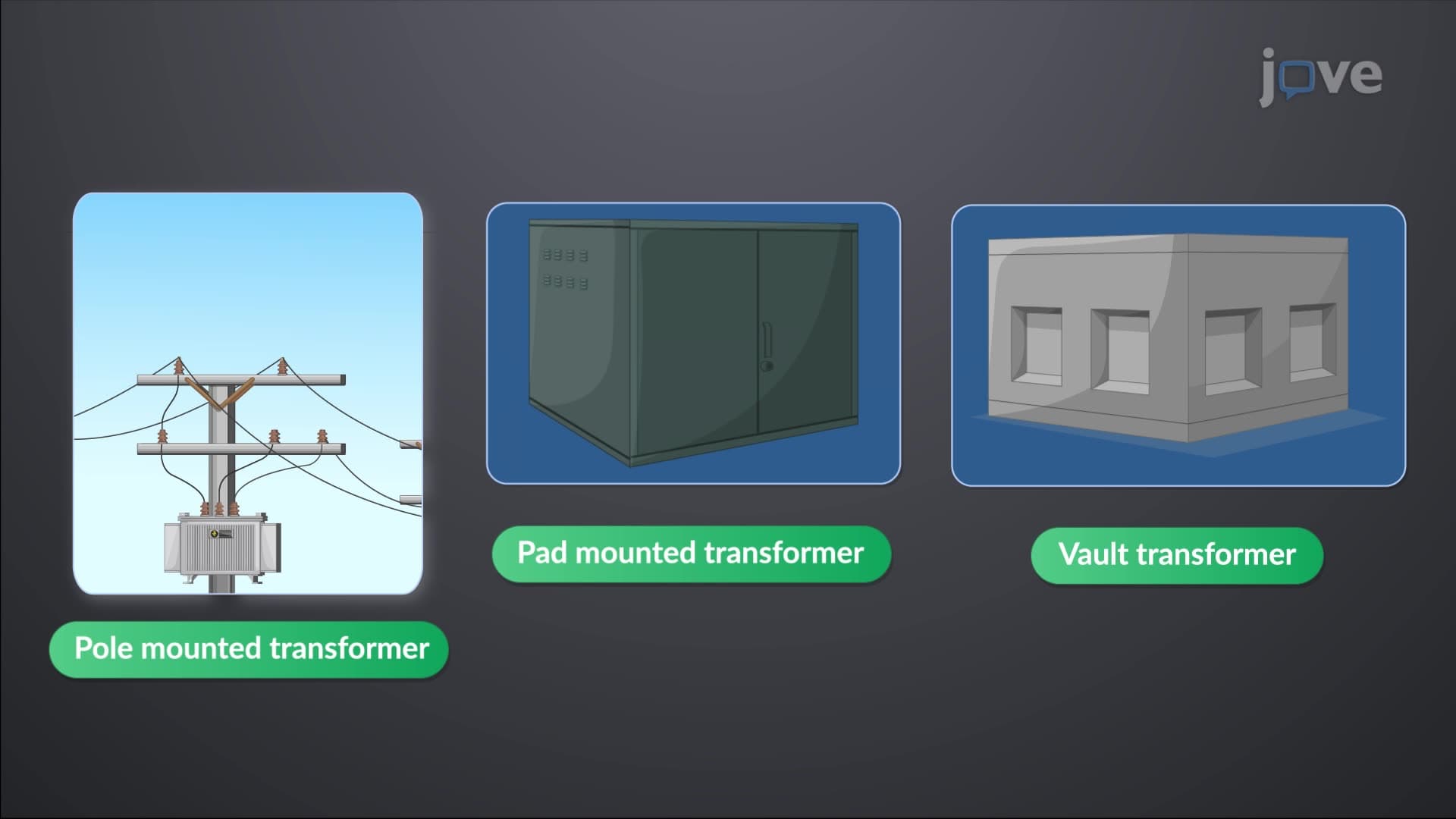
The most widespread secondary distribution method connects multiple customers through shared distribution transformers and secondary mains. Think of suburban neighborhoods where a single pad-mounted transformer serves 5-15 homes through underground cables. This system efficiently manages varying electrical loads throughout the day-air conditioning peaks during summer afternoons, heating demands during winter evenings. Advanced designs include sectionalizing switches that isolate faulted sections, maintaining service to unaffected customers during repairs.
Secondary networks dominate high-density urban cores like downtown Chicago or Boston's Financial District. Multiple primary feeders supply electricity through network transformers, creating redundant pathways that maintain service even when two feeders fail simultaneously. Network protectors-specialized switchgear devices-automatically disconnect transformers during faults or reverse power flow conditions, preventing cascade failures. This redundancy explains why Manhattan rarely experiences widespread blackouts despite enormous electrical demands from skyscrapers, subway systems, and millions of residents.
Students preparing for AP Physics or college-level electrical engineering courses should understand that transformers in distribution system applications directly impact grid stability and customer satisfaction. These concepts frequently appear on NCEE Fundamentals of Engineering exams and electrical technology certification tests.
Related Micro-courses