Loading video…


 12 Concepts
 7.2K views

Video Summary: What Is Steady Flow Fluid Stream
Ever wonder how the Mississippi River maintains consistent flow despite millions of gallons entering and exiting every second? A steady flow fluid stream creates this remarkable balance where fluid mass entering a system equals the mass leaving, maintaining constant momentum within any control volume like a pipe or river channel. The Colorado River's controlled flow through Hoover Dam exemplifies this principle in action across major US water systems. Watch the full video on JoVE Coach to master this concept with expert-led visuals and step-by-step explanations.
A steady flow fluid stream represents one of the most fundamental concepts in fluid mechanics, describing a condition where fluid properties at any given point remain constant over time. This doesn't mean the fluid itself isn't moving-rather, it means that at any specific location within the flow field, properties like velocity, pressure, and density stay unchanged as time progresses.
The cornerstone principle governing steady flow fluid streams is mass conservation, often called the continuity equation. In practical terms, this means the mass flow rate entering a control volume must equal the mass flow rate leaving it. For a pipe system, if 50 gallons per minute enter at point A, then 50 gallons per minute must exit at point B under steady flow conditions.
This relationship becomes mathematically elegant: dm/dt (mass flow rate) = ρ × Q, where ρ represents fluid density and Q represents volumetric flow rate. For incompressible fluids like water in municipal systems across cities like Los Angeles or New York, density remains constant, making calculations more straightforward for engineers designing water distribution networks.
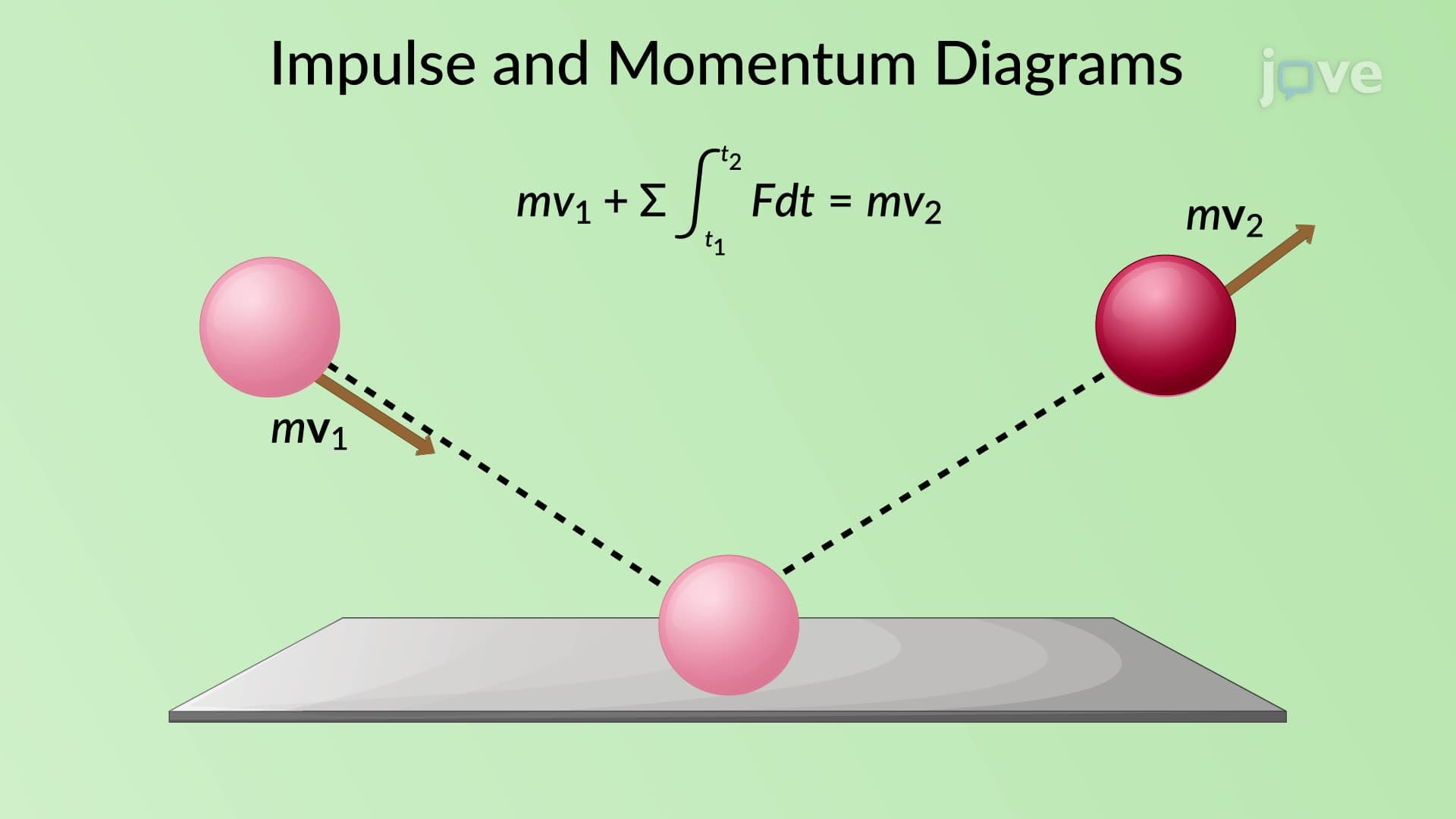
Within any control volume experiencing steady flow, the momentum remains constant during infinitesimal time intervals. This principle proves crucial when analyzing how fluids change direction, such as water flowing through curved pipes in skyscrapers or irrigation systems in California's Central Valley. The impulse-momentum theorem applies directly, where resultant forces from pipe walls create the impulses necessary to change fluid direction.
Steady flow principles govern numerous US infrastructure systems. The Tennessee Valley Authority's hydroelectric dams rely on steady flow calculations to optimize power generation. Municipal water treatment plants from Chicago to Miami use these concepts to design efficient distribution systems. Even the aerospace industry applies steady flow analysis when designing fuel injection systems for rockets launched from Kennedy Space Center.
For students preparing for AP Physics or college-level fluid mechanics courses, mastering steady flow concepts provides the foundation for understanding more complex phenomena like turbulent flow, compressible flow, and unsteady flow conditions encountered in advanced engineering applications.
Related Micro-courses