Loading subject page…


34,100 views

Video Summary: Cranial Part of Parasympathetic Division Explained
Ever wonder why your mouth waters before biting into a slice of New York pizza? The cranial parasympathetic division controls this automatic response through four key cranial nerves that manage everything from saliva production to heart rate. This intricate network includes the oculomotor, facial, glossopharyngeal, and vagus nerves, each targeting specific organs through specialized ganglia. Watch the full video on JoVE Coach to master this concept with expert-led visuals and step-by-step explanations.
The cranial parasympathetic division represents one of the most sophisticated control systems in human physiology, orchestrating the "rest and digest" responses that keep us healthy and balanced. Unlike the sympathetic nervous system's fight-or-flight responses, this division promotes conservation of energy and maintenance of bodily functions during calm states.
This system operates through a two-neuron chain: preganglionic neurons originating in the brainstem connect to ganglia located near or within target organs, where postganglionic neurons complete the pathway. This arrangement allows for precise, localized control of organ function-a critical concept frequently tested on the MCAT and AP Biology exams.
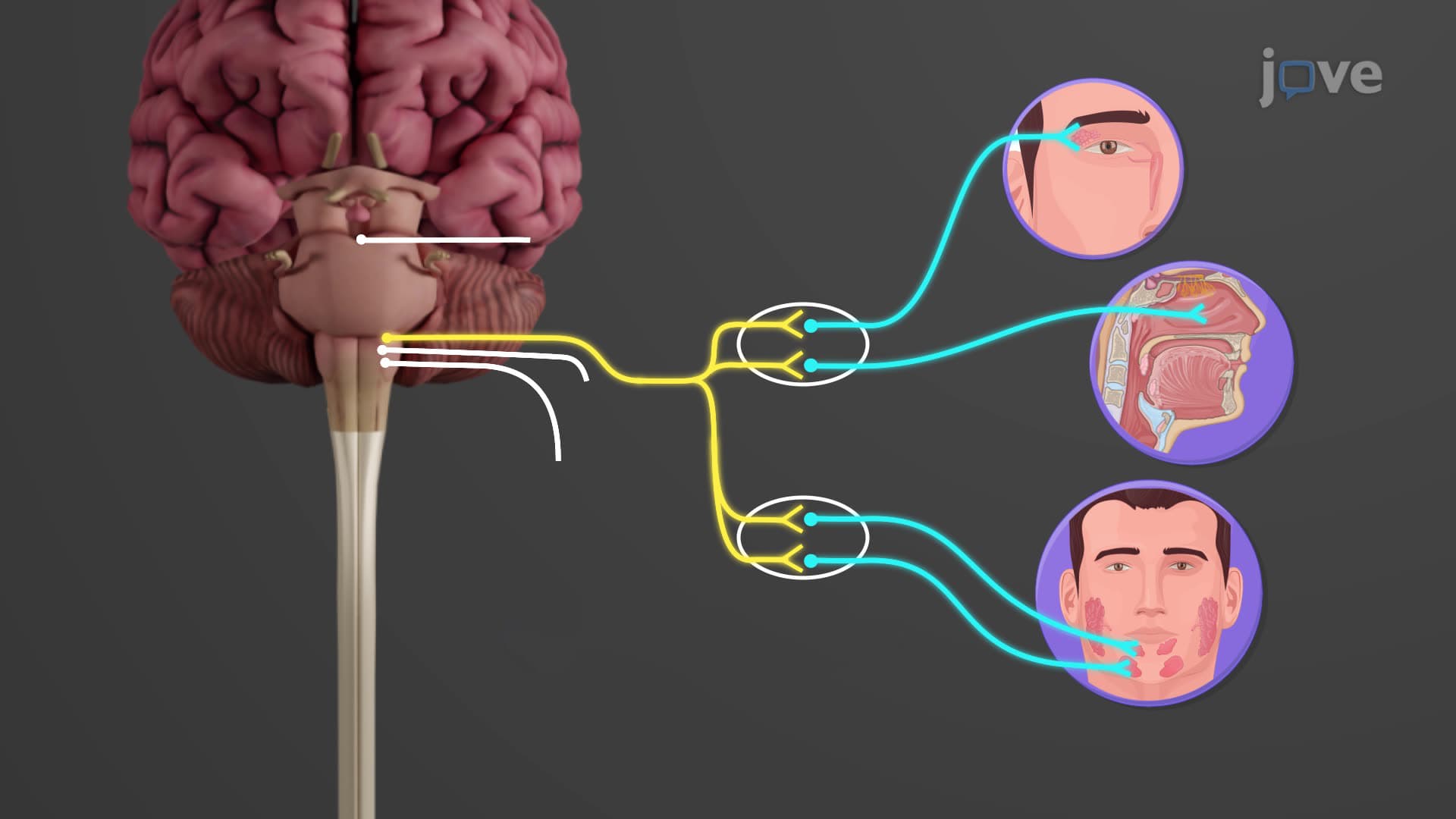
The oculomotor nerve carries parasympathetic fibers to the ciliary ganglion, which controls two essential eye functions. Postganglionic fibers innervate the ciliary muscle for lens accommodation (focusing on near objects) and the pupillary sphincter muscle for pupil constriction. When you shift focus from a distant mountain to reading this text, your oculomotor parasympathetic fibers are actively working. This pathway is commonly disrupted in conditions like Horner's syndrome, making it a frequent topic in USMLE Step 1 questions.
The facial nerve (VII) demonstrates remarkable specificity through its dual ganglionic targets. The pterygopalatine ganglion stimulates tear production and nasal mucus secretion-explaining why spicy food from a Texas barbecue restaurant might make your eyes water and nose run. Meanwhile, the submandibular ganglion controls saliva production from submandibular and sublingual glands.
The glossopharyngeal nerve (IX) completes the salivary control system by innervating the parotid gland through the otic ganglion. This coordinated system ensures adequate lubrication for digestion and protection of oral tissues-a concept that appears regularly in NCLEX-RN and HESI A2 examinations.
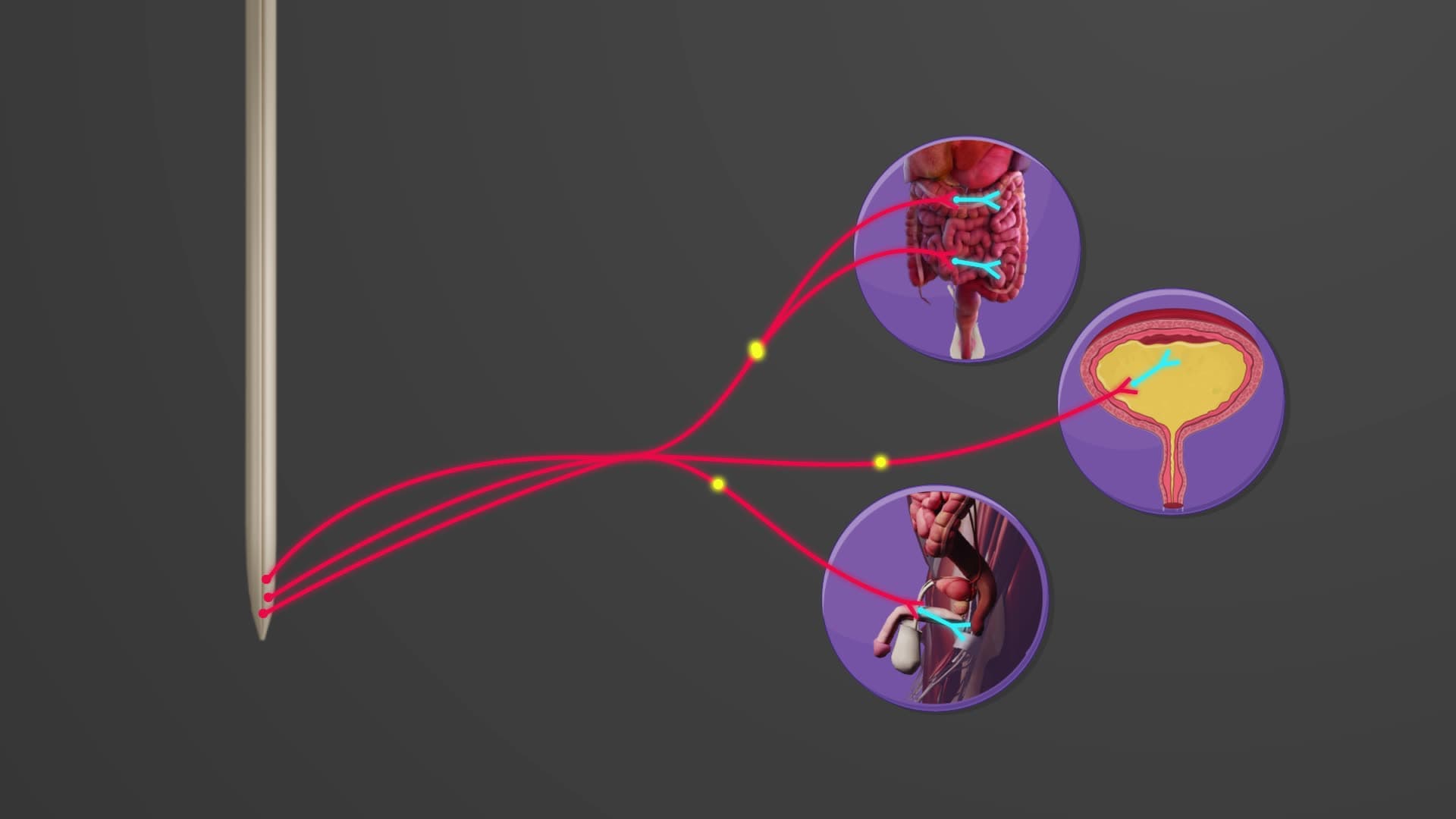
The vagus nerve represents the most extensive component of the cranial parasympathetic division, reaching terminal ganglia throughout the thorax and abdomen. Unlike other cranial parasympathetic pathways that synapse in discrete ganglia, vagal fibers travel long distances before synapsing directly within target organs.
In the thorax, vagal stimulation slows heart rate and constricts bronchioles, while abdominal branches stimulate digestive organ function including gastric acid secretion, intestinal motility, and pancreatic enzyme release. This extensive influence makes vagus nerve function a cornerstone topic in college-level anatomy and physiology courses across US institutions like Johns Hopkins and Stanford University.
Related Micro-courses