Loading subject page…


34,100 views


Video Summary: Sympathetic Pathways Sympathetic Chain Ganglia Explained
Ever wonder why your heart races during a pop quiz or when walking alone at night? The sympathetic chain ganglia pathways control these fight-or-flight responses through a sophisticated network of nerve connections along your spine. During the 2013 Boston Marathon bombing, witnesses experienced instant physiological changes-dilated pupils, increased heart rate, and heightened alertness-all orchestrated by sympathetic pathway chain ganglia working in milliseconds. These Sympathetic Pathways Sympathetic Chain Ganglia Explained demonstrate how your nervous system prepares your body for action. Watch the full video on JoVE Coach to master this concept with expert-led visuals and step-by-step explanations.
The paravertebral sympathetic chain represents one of the most organized neural networks in the human body, functioning as a bilateral highway system for autonomic signals. These sympathetic trunk ganglia extend from the base of the skull to the coccyx, forming a continuous chain of 22-24 nerve clusters on each side of the vertebral column. Unlike the scattered organization of parasympathetic ganglia, the sympathetic chain maintains strict anatomical order, allowing for coordinated whole-body responses essential for survival.
Medical students studying for the MCAT often struggle with sympathetic organization until they understand this key principle: the chain ganglia primarily serve structures above the diaphragm, while specialized collateral ganglia handle abdominal and pelvic organs. This division reflects evolutionary priorities-immediate responses (heart rate, breathing, alertness) versus digestive and reproductive functions.
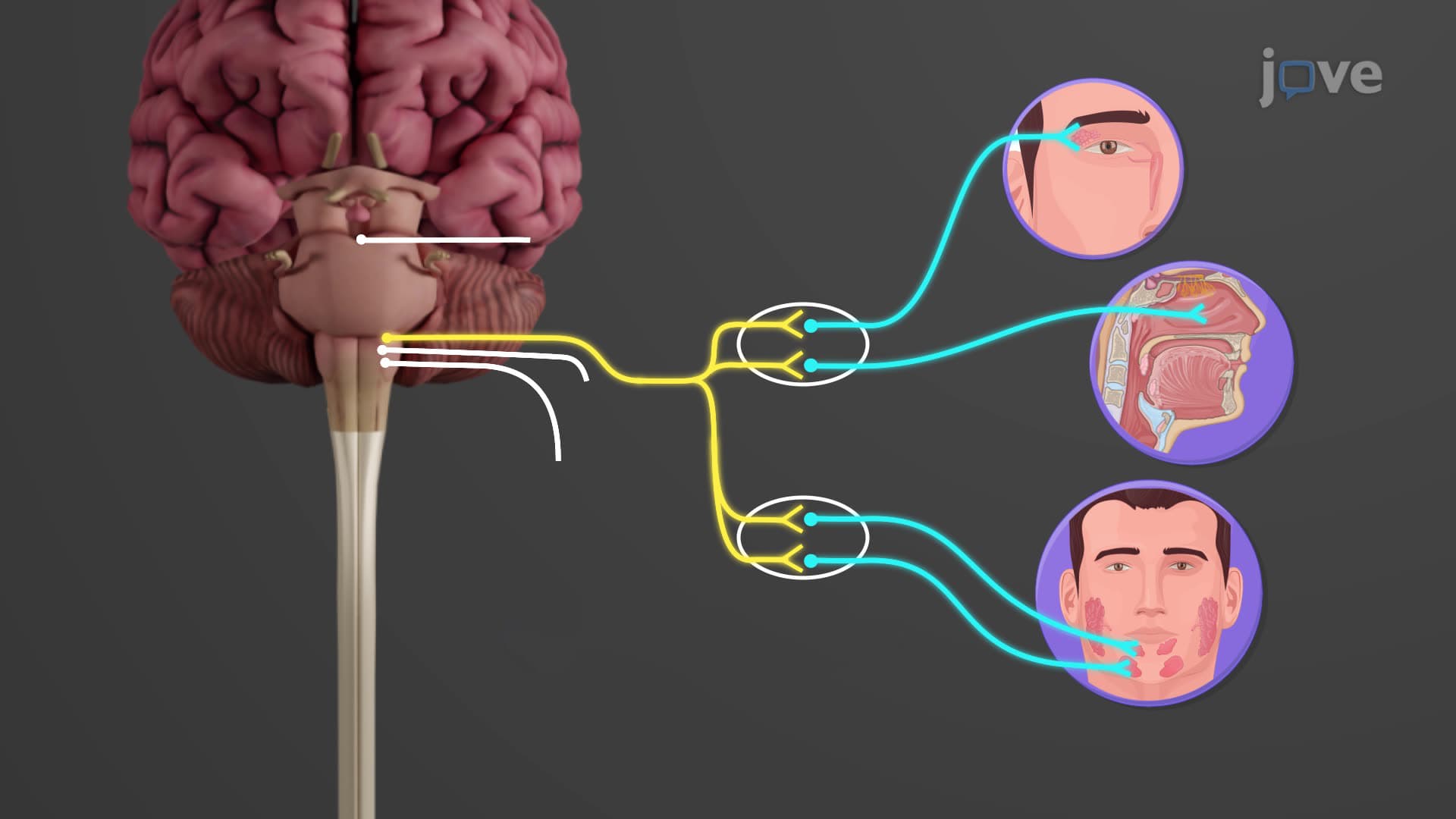
The cervical region contains only three ganglia despite serving the entire head, neck, and upper cardiac regions. The superior cervical ganglion, located near the C2-C3 vertebrae, sends cephalic periarterial nerves that follow major arteries to reach facial structures. Damage to this ganglion during neck surgery can cause Horner's syndrome-a condition recognized by drooping eyelid, constricted pupil, and absent facial sweating on the affected side.
Thoracic chain ganglia demonstrate the concept of chain ganglia synapse selectivity. While eleven to twelve thoracic ganglia exist, only T1-T5 receive significant preganglionic input. This selective innervation explains why cardiac sympathetic responses remain robust even when lower thoracic segments are damaged. Emergency medicine physicians rely on this anatomical knowledge when administering cardiac medications or performing thoracic procedures.
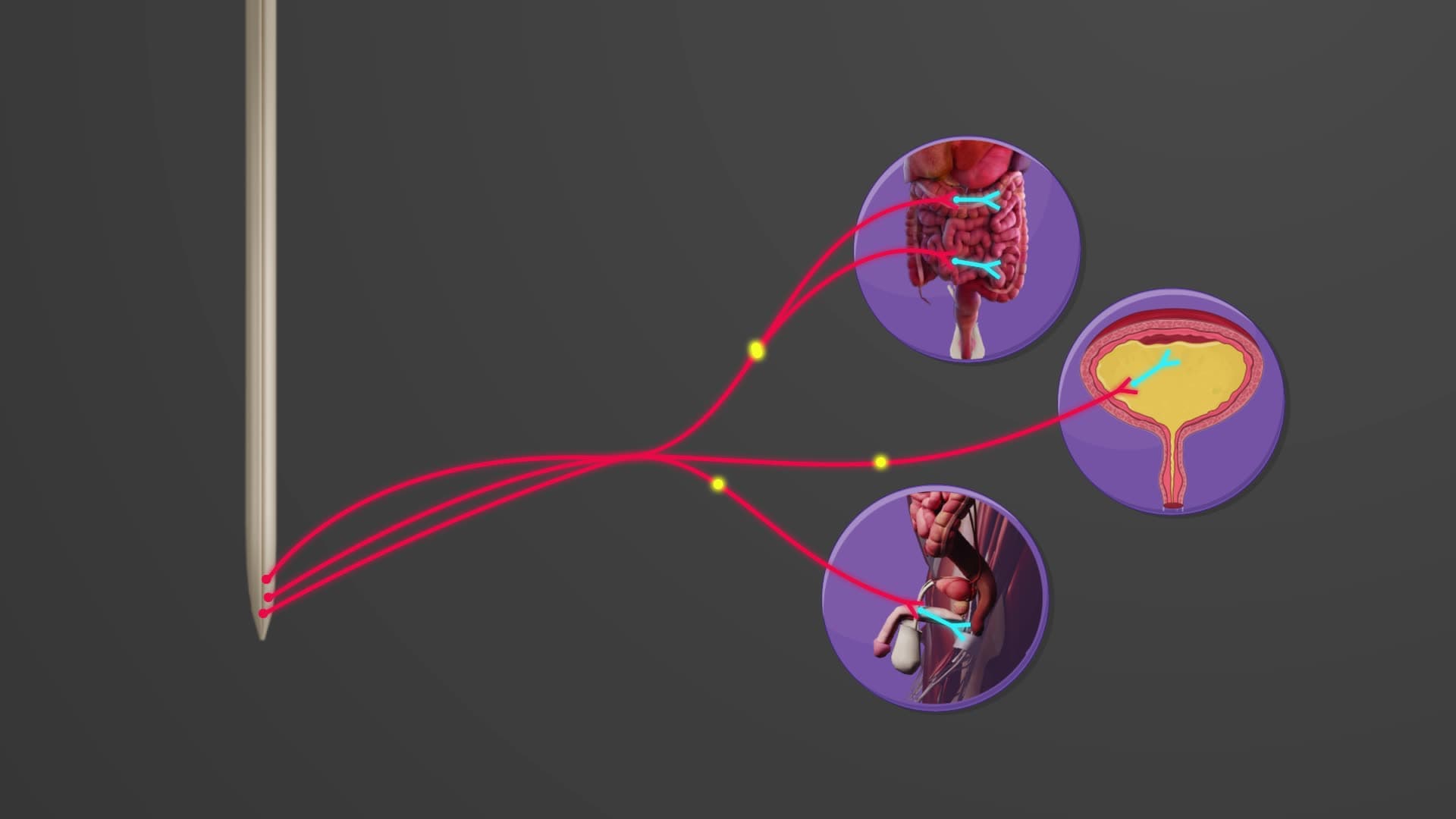
Below the T5 level, most preganglionic splanchnic nerves bypass chain ganglia entirely, traveling to collateral ganglia near target organs. This arrangement creates the greater, lesser, and least splanchnic nerves that control digestive, urinary, and reproductive functions. AP Biology students should recognize this as an example of structural-function relationships-organs requiring rapid, coordinated responses (heart, lungs) connect directly to chain ganglia, while organs with slower, more sustained responses connect to distant collateral ganglia.
The three exit pathways from sympathetic chain ganglia reflect target-specific organization. Cephalic periarterial nerves follow blood vessels to reach head structures, sympathetic nerves form discrete bundles to thoracic organs, and many postganglionic fibers merge with spinal nerves to reach skin and limb blood vessels. This organization explains why sympathetic responses can be both localized (blushing in specific facial regions) and generalized (whole-body stress responses).
Related Micro-courses