Loading subject page…


34,100 views


Video Summary: What are Disorders Autonomic Nervous System
Did you know that chronic stress from high school or college pressures can actually damage your body's automatic control systems? ANS disorders biology types encompass conditions where your autonomic nervous system-which controls vital functions like heart rate and blood pressure-malfunctions. For instance, students experiencing severe test anxiety may develop hypertension when their sympathetic nervous system becomes chronically overstimulated. What are disorders autonomic nervous system conditions affect millions of Americans daily. Watch the full video on JoVE Coach to master this concept with expert-led visuals and step-by-step explanations.
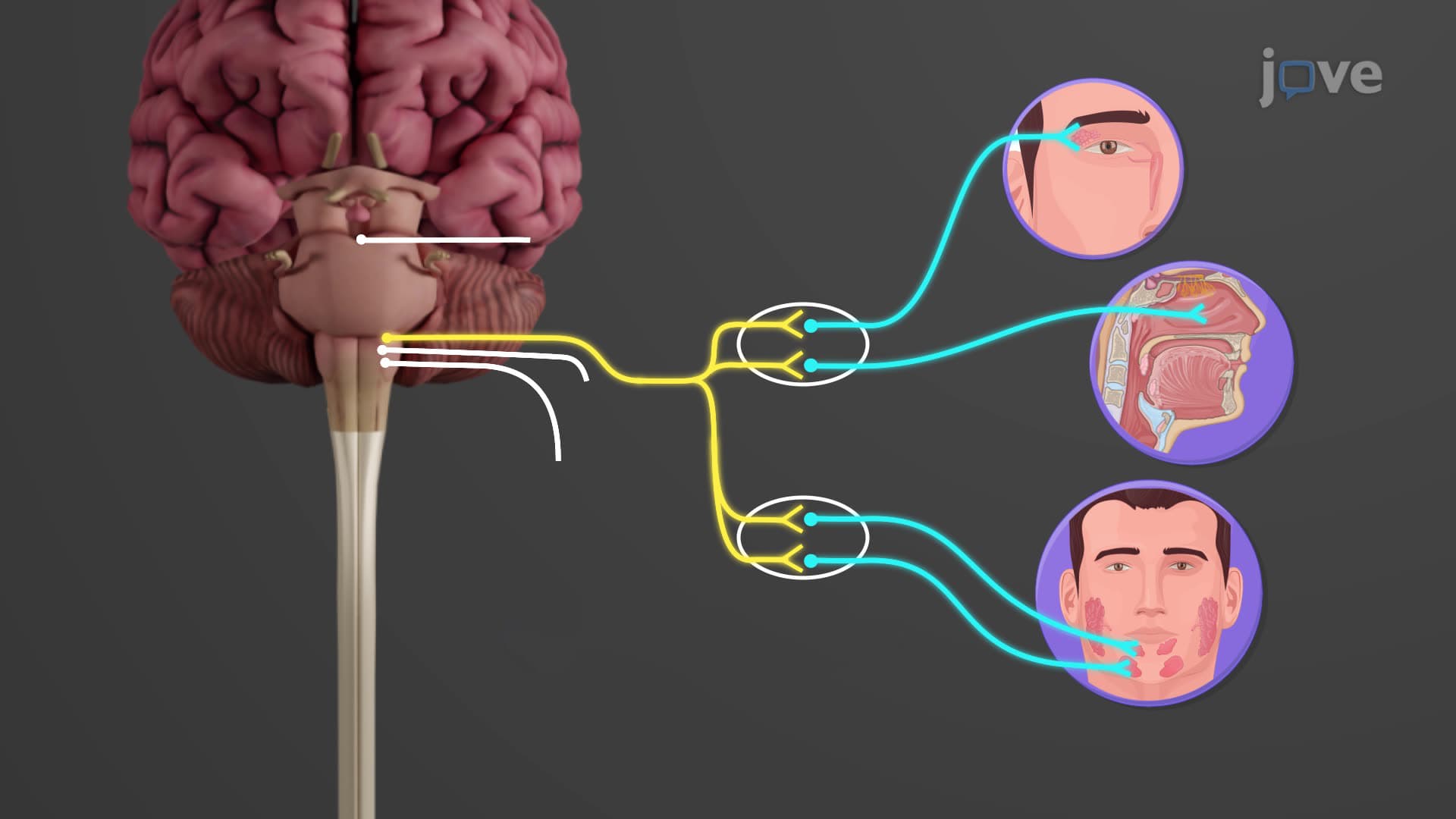
Disorders of the autonomic nervous system represent a complex group of conditions where the body's automatic control mechanisms malfunction. The autonomic nervous system, consisting of sympathetic and parasympathetic divisions, regulates essential functions including heart rate, blood pressure, digestion, and temperature control. When these systems become dysregulated, patients experience a range of symptoms from mild discomfort to life-threatening emergencies.
Hypertension stands as the most common autonomic nervous system disorder, affecting over 45% of American adults according to the American Heart Association. This condition occurs when excessive sympathetic nervous system activation causes persistent vasoconstriction, elevating blood pressure beyond normal ranges (120/80 mmHg). College students often develop hypertension due to chronic stress, poor sleep habits, and excessive caffeine consumption during exam periods. The condition particularly affects smooth muscle in arterial walls, causing them to remain contracted and increasing peripheral resistance.
Raynaud's Disease affects approximately 5% of Americans, with higher prevalence in colder states like Minnesota and Alaska. This autonomic neuropathy disorder causes episodic vasoconstriction in digital arteries, leading to characteristic white-blue-red color changes in fingers and toes. The condition demonstrates how autonomic dysregulation can create localized symptoms, as the sympathetic nervous system overreacts to cold temperatures or emotional stress.
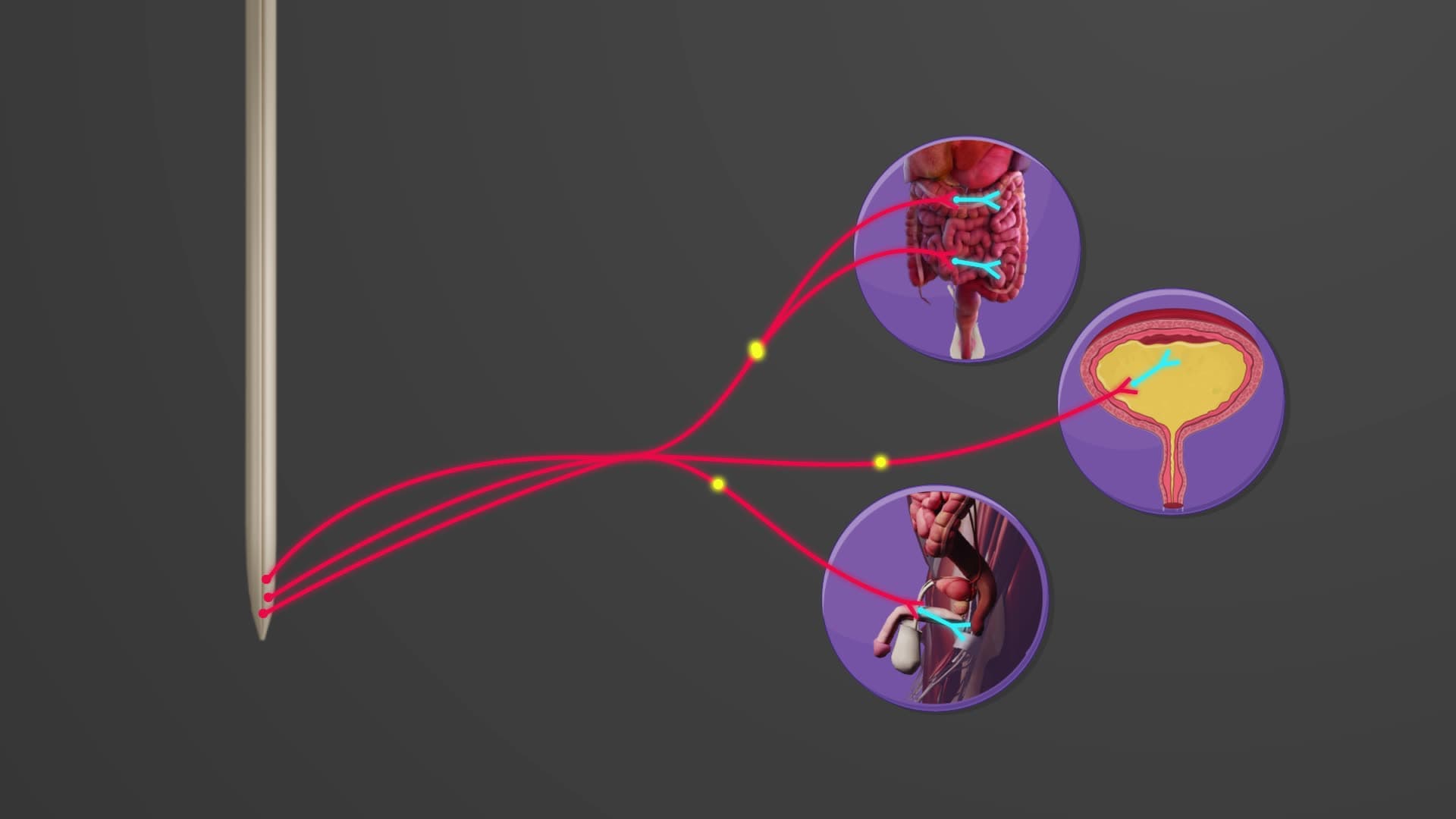
Autonomic dysreflexia disorder represents the most dangerous form of ANS dysfunction, occurring primarily in patients with spinal cord injuries above the T6 vertebral level. This condition affects approximately 48,000 Americans with quadriplegia annually. The disorder creates a medical emergency when normal autonomic reflexes become exaggerated, causing blood pressure to spike dangerously high (often exceeding 200/100 mmHg). Veterans' hospitals across the US frequently treat this condition in military personnel with combat-related spinal injuries.
For AP Biology students, understanding ANS disorders connects directly to homeostasis concepts and feedback mechanisms. MCAT test-takers encounter these topics in both biological and psychological sciences sections, particularly regarding stress responses and cardiovascular physiology. Pre-med students studying for the USMLE Step 1 must understand the pathophysiology underlying each condition, as autonomic disorders frequently appear in cardiovascular and neurological case studies.
Related Micro-courses