Loading subject page…


34,100 views


Video Summary: What Is Autonomic Nervous System
Ever wonder why your heart races during a horror movie or your stomach growls before lunch without conscious thought? The autonomic nervous system ANS controls these involuntary responses through specialized motor neurons regulating smooth muscles, cardiac muscles, and glands. For instance, when a student feels nervous before the SAT, their sympathetic division automatically increases heart rate and alertness. Watch the full video on JoVE Coach to master this concept with expert-led visuals and step-by-step explanations.
The autonomic nervous system ANS represents one of biology's most elegant control mechanisms, operating as your body's automatic pilot system. Unlike the somatic nervous system that controls voluntary movements, the ANS anatomy function overview focuses on involuntary responses essential for survival. This visceral motor system manages everything from your heartbeat during sleep to digestive processes after meals, making it crucial for AP Biology students and pre-med undergraduates to master.
The sympathetic parasympathetic ANS divisions work as physiological opposites, creating what researchers call "autonomic balance." The sympathetic division, often called the "fight or flight" system, prepares your body for emergencies. When a college student faces exam stress, sympathetic activation increases heart rate, dilates pupils, and redirects blood flow from digestive organs to skeletal muscles. This response helped our ancestors escape predators and now helps students stay alert during challenging coursework.
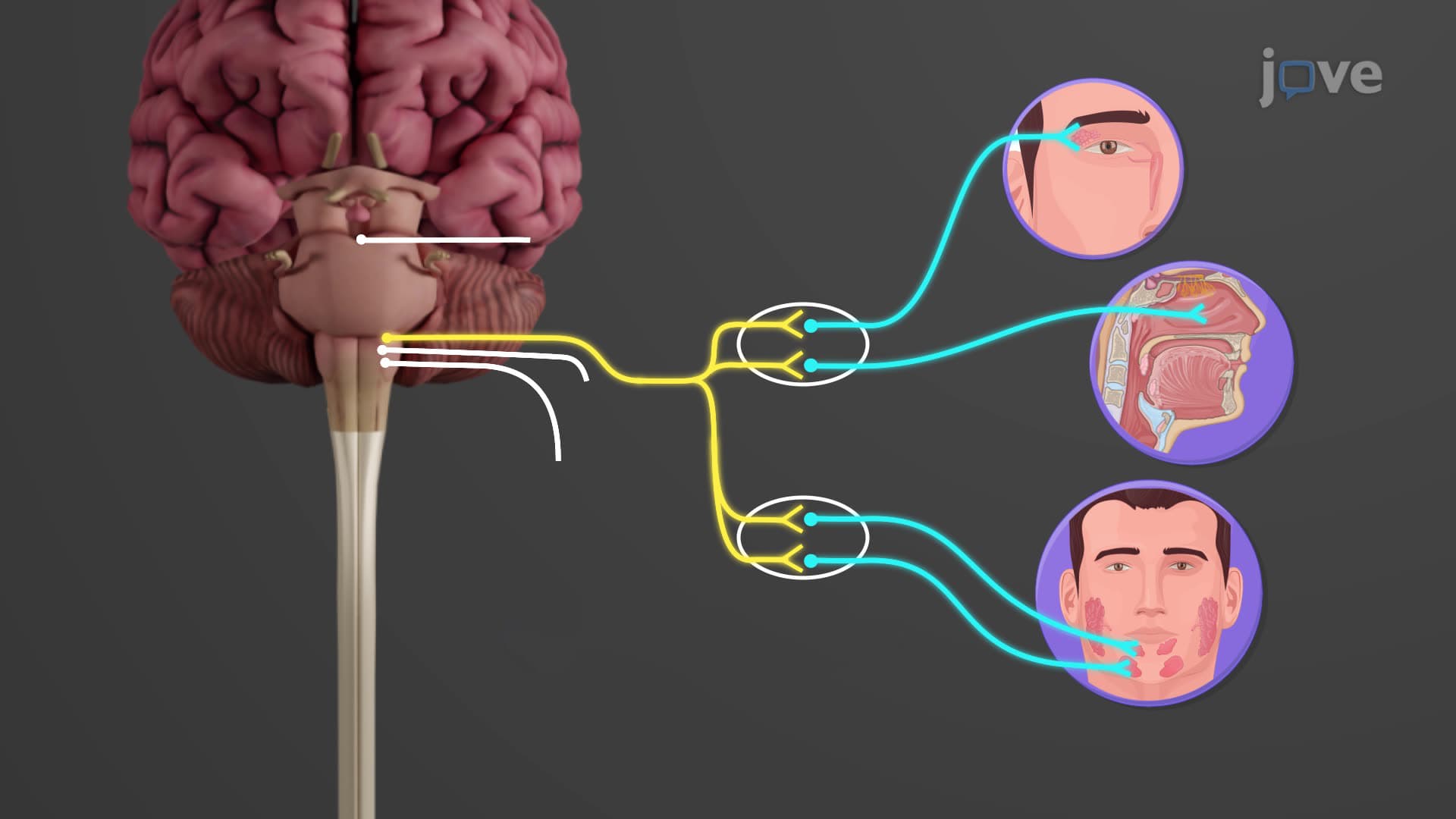
Conversely, the parasympathetic division promotes "rest and digest" activities. After finishing a meal at the university cafeteria, parasympathetic neurons stimulate saliva production, enhance digestive enzyme secretion, and slow heart rate. This division dominates during quiet study sessions, allowing optimal nutrient absorption and tissue repair.
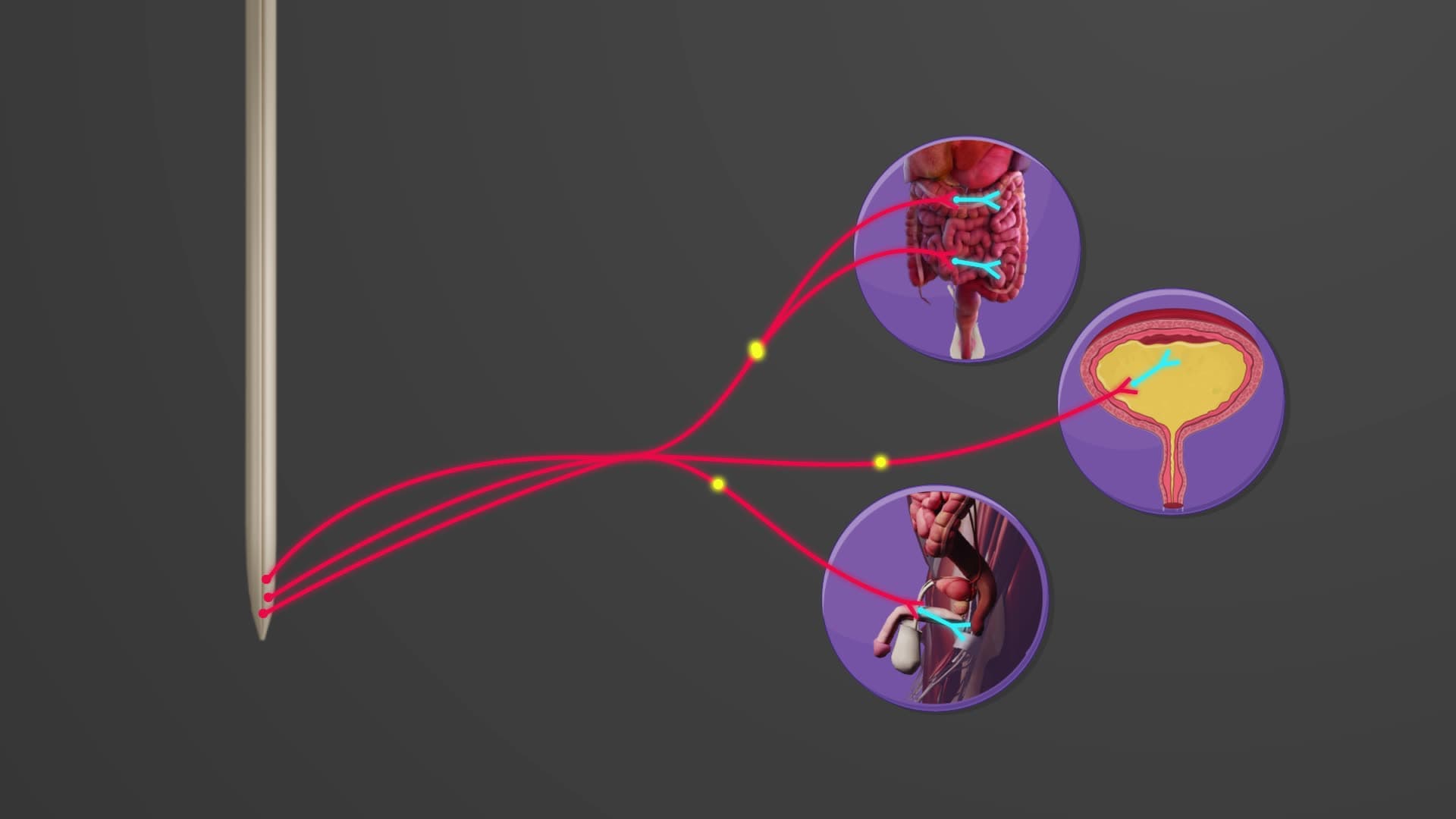
Involuntary ANS regulation operates through an elegant two-neuron pathway that distinguishes it from direct somatic motor control. The preganglionic neuron, originating in the brainstem or spinal cord, carries signals to autonomic ganglia. These lightly myelinated fibers ensure rapid but controlled signal transmission. The unmyelinated postganglionic neuron then delivers the final message to target organs.
This pathway design allows for signal modulation and integration, essential for maintaining homeostasis. Medical students studying for the MCAT must understand how this system enables precise control over multiple organ systems simultaneously.
The enteric nervous system ANS component, sometimes called the "second brain," demonstrates the ANS's complexity. Located in the gut wall, this network contains more neurons than the spinal cord and can function independently of central nervous system input. Understanding this subsystem helps explain conditions like irritable bowel syndrome and the gut-brain connection increasingly recognized in American healthcare.
For students preparing for nursing entrance exams like the TEAS or HESI A2, recognizing ANS dysfunction symptoms-including orthostatic hypotension, gastroparesis, and cardiac arrhythmias-becomes clinically relevant knowledge that bridges classroom theory with patient care scenarios.
Related Micro-courses