Loading subject page…


34,100 views


Video Summary: What Is Parasympathetic Signaling
Ever wonder why your heart rate slows and your stomach growls after a big Thanksgiving dinner? Parasympathetic signaling biology controls these "rest and digest" responses through a sophisticated neural communication network. This system uses acetylcholine neurotransmitters to activate specific receptors, coordinating everything from digestion to bladder function. Understanding what is parasympathetic signaling reveals how your autonomic nervous system maintains homeostasis during calm, restful states. Watch the full video on JoVE Coach to master this concept with expert-led visuals and step-by-step explanations.
Parasympathetic signaling biology represents one of the most elegant communication networks in human physiology. Unlike the "fight or flight" sympathetic system, parasympathetic pathways orchestrate our body's recovery, maintenance, and energy conservation processes. This system becomes particularly active when you're relaxing after meals, sleeping, or engaging in quiet activities-times when your body prioritizes internal housekeeping over immediate survival responses.
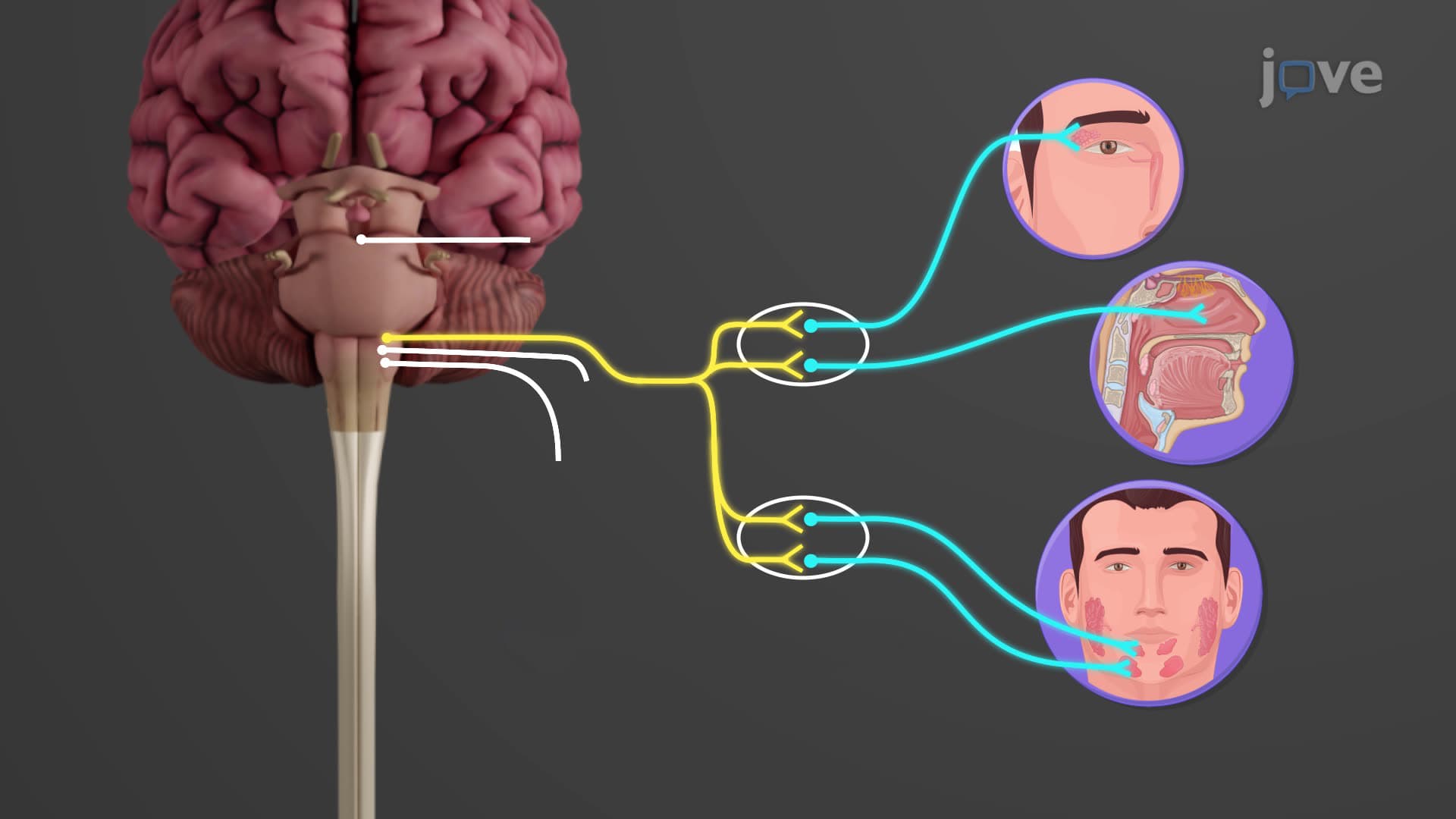
The acetylcholine parasympathetic signal pathway operates through a precisely coordinated two-step process that ensures accurate message delivery to target organs. Medical students studying for the MCAT often find this concept challenging because it requires understanding both neuroanatomy and receptor pharmacology simultaneously.
The cholinergic parasympathetic synapse operates through distinct receptor types that serve specific functions. Nicotinic ganglionic receptors act as the first checkpoint, located on postganglionic neurons within autonomic ganglia. These receptors respond rapidly to acetylcholine release from preganglionic fibers, always producing excitatory effects that activate the next neuron in the chain.
Muscarinic receptor parasympathetic signaling occurs at the final target tissues, where postganglionic neurons release acetylcholine onto smooth muscle, cardiac muscle, and glandular cells. Unlike nicotinic receptors, muscarinic receptors can produce either excitatory or inhibitory responses depending on the target tissue and specific muscarinic receptor subtype involved.
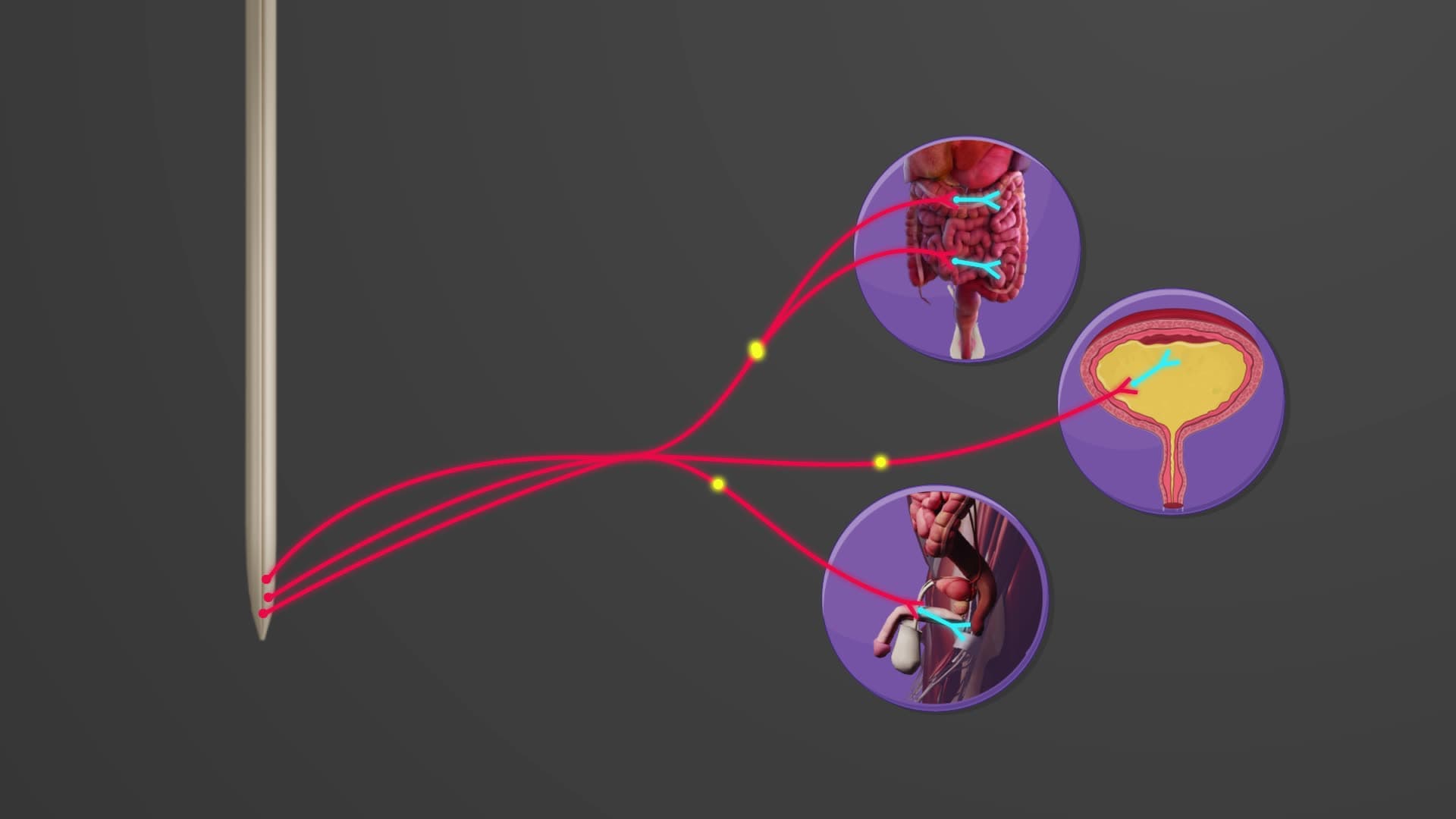
Parasympathetic neurotransmitter signaling produces opposite effects in different organ systems, demonstrating the sophistication of this neural network. In the gastrointestinal tract, muscarinic activation relaxes sphincter muscles while stimulating digestive secretions-explaining why you feel hungry and your stomach becomes active during restful periods.
Conversely, the same neurotransmitter system causes bladder smooth muscle contraction, promoting urination when socially appropriate. This dual functionality often appears on AP Biology exams, where students must predict tissue-specific responses to the same signaling molecule.
Understanding what is parasympathetic signaling in the ANS proves essential for healthcare career preparation. Nursing students taking the NCLEX encounter questions about anticholinergic medications that block parasympathetic effects, causing dry mouth, constipation, and urinary retention. Medical students preparing for USMLE Step 1 must understand how diseases affecting parasympathetic function impact digestion, heart rate variability, and bladder control.
College anatomy and physiology courses frequently test parasympathetic signaling through case studies involving patients with diabetes-related autonomic neuropathy or individuals taking medications that interfere with cholinergic transmission.
Related Micro-courses