Loading subject page…


34,100 views

Video Summary: What Is Sympathetic Activation
Ever wonder why your heart pounds before a big presentation or SAT exam? Sympathetic activation biology explains this instant transformation-your body's internal alarm system that can triple your heart rate in seconds. During the Boston Marathon bombing in 2013, survivors described experiencing superhuman strength and laser-sharp focus, demonstrating fight flight sympathetic activation in real time. What is sympathetic activation and how does it prepare your body for life-threatening situations? Watch the full video on JoVE Coach to master this concept with expert-led visuals and step-by-step explanations.
Sympathetic activation represents one of the most sophisticated emergency response systems in human biology. This automatic process transforms your body from a resting state into a highly efficient survival machine within milliseconds. When the sympathetic nervous system detects danger-whether it's a car accident, medical emergency, or even academic stress during AP Biology exams-it initiates a cascade of physiological changes that have kept humans alive for millennia.
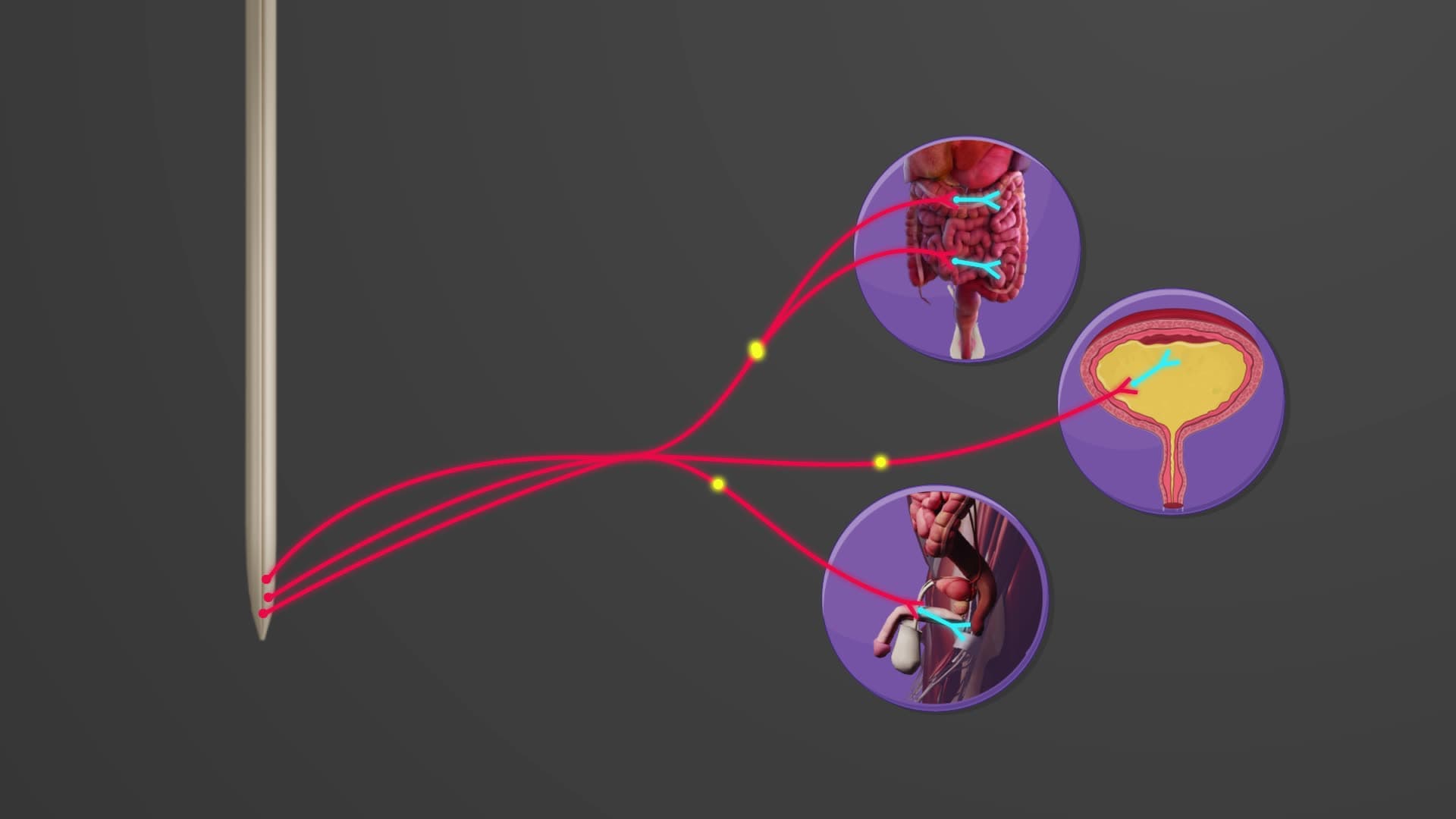
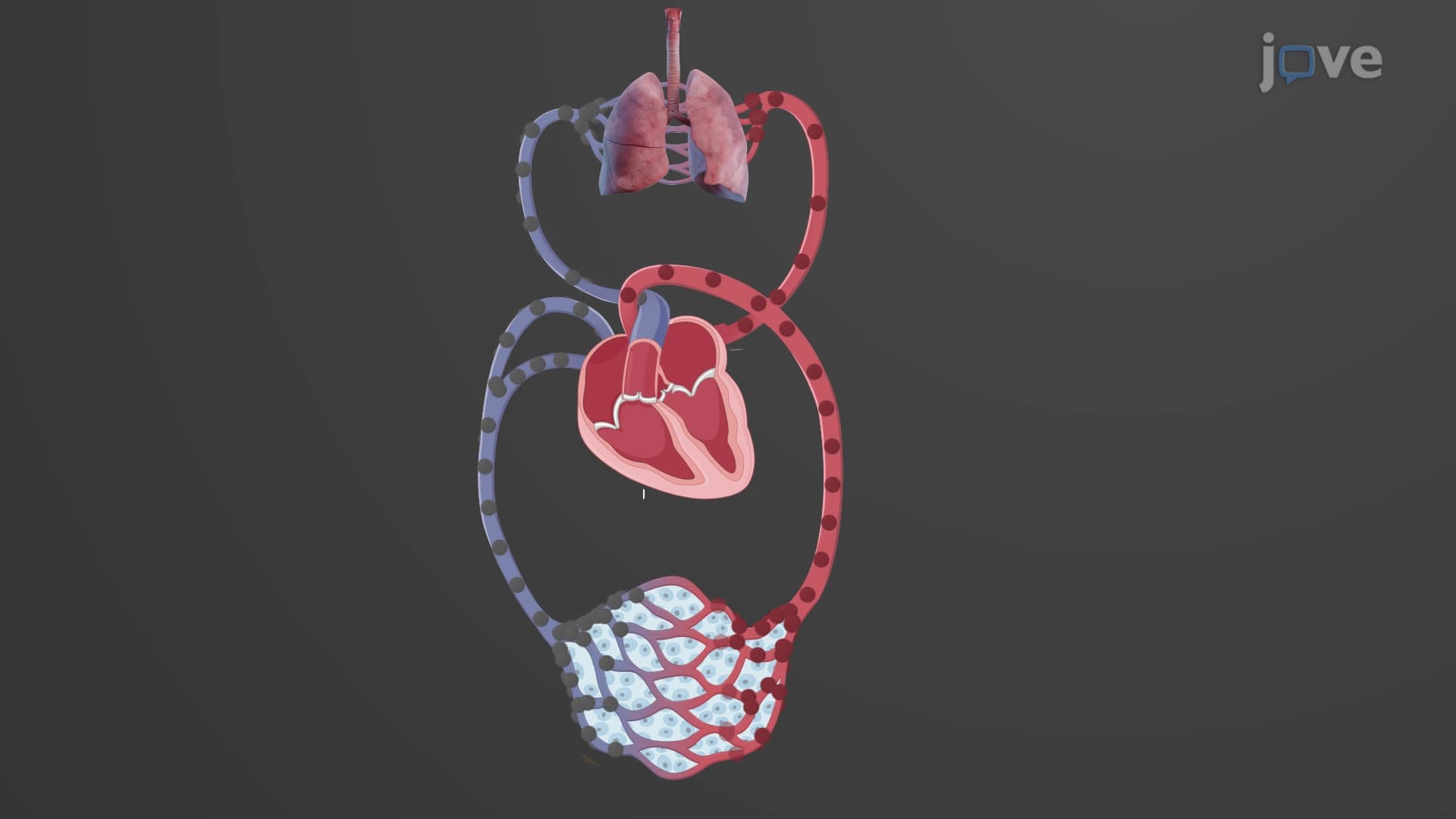
The cardiovascular sympathetic activation process fundamentally reshapes how blood flows through your body. Your heart rate can increase from a resting 70 beats per minute to over 200 during extreme sympathetic stress response situations. Simultaneously, blood vessels constrict in non-essential areas like the digestive tract and skin while dilating in crucial areas like skeletal muscles and the brain. This redirection ensures that oxygen and nutrients reach the tissues most needed for survival.
EMTs and paramedics regularly observe this response in trauma patients, where sympathetic activation can temporarily mask serious injuries by redirecting blood flow and maintaining consciousness. Medical students studying for the MCAT must understand how this mechanism affects vital sign interpretation in emergency medicine.
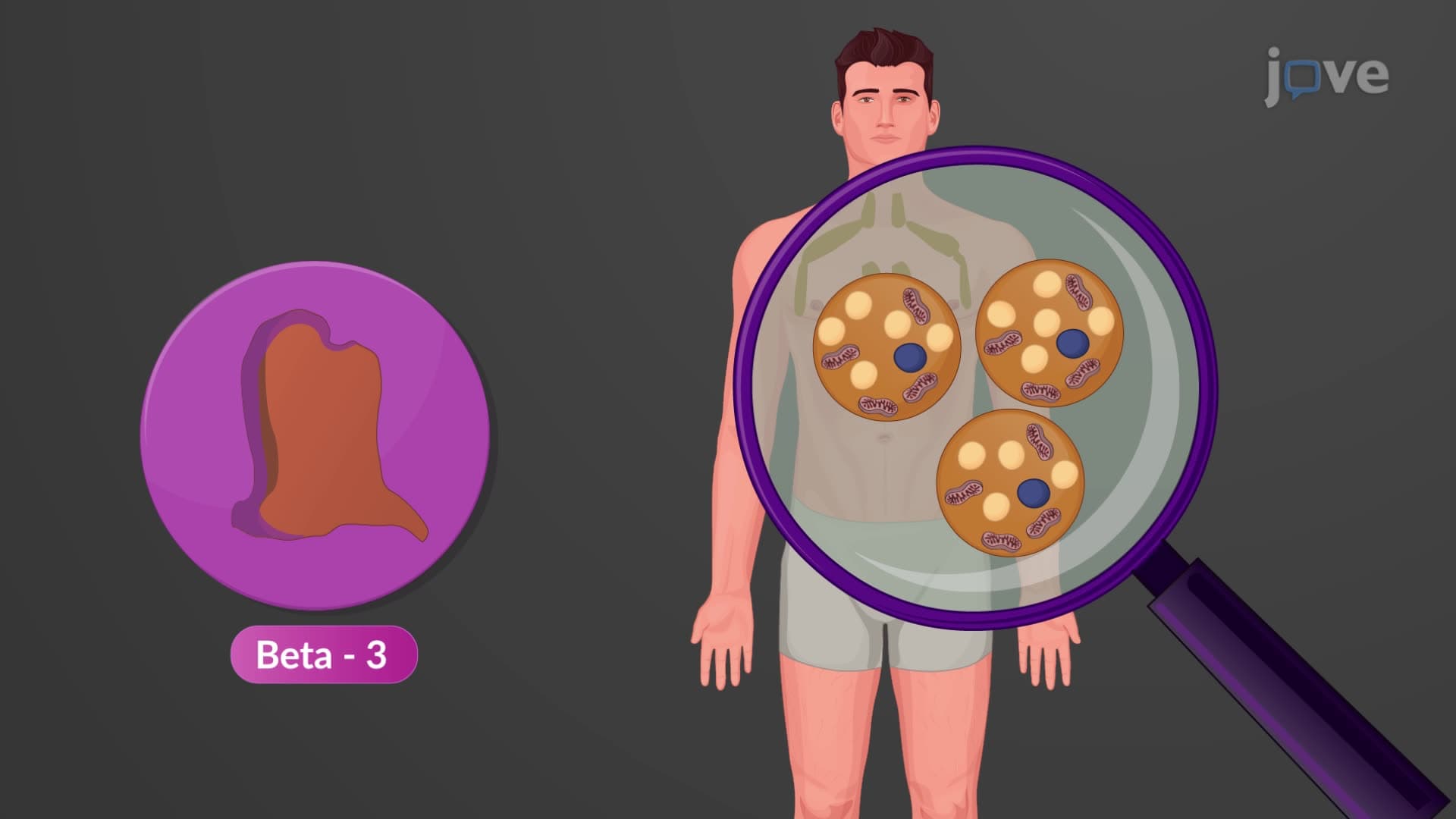
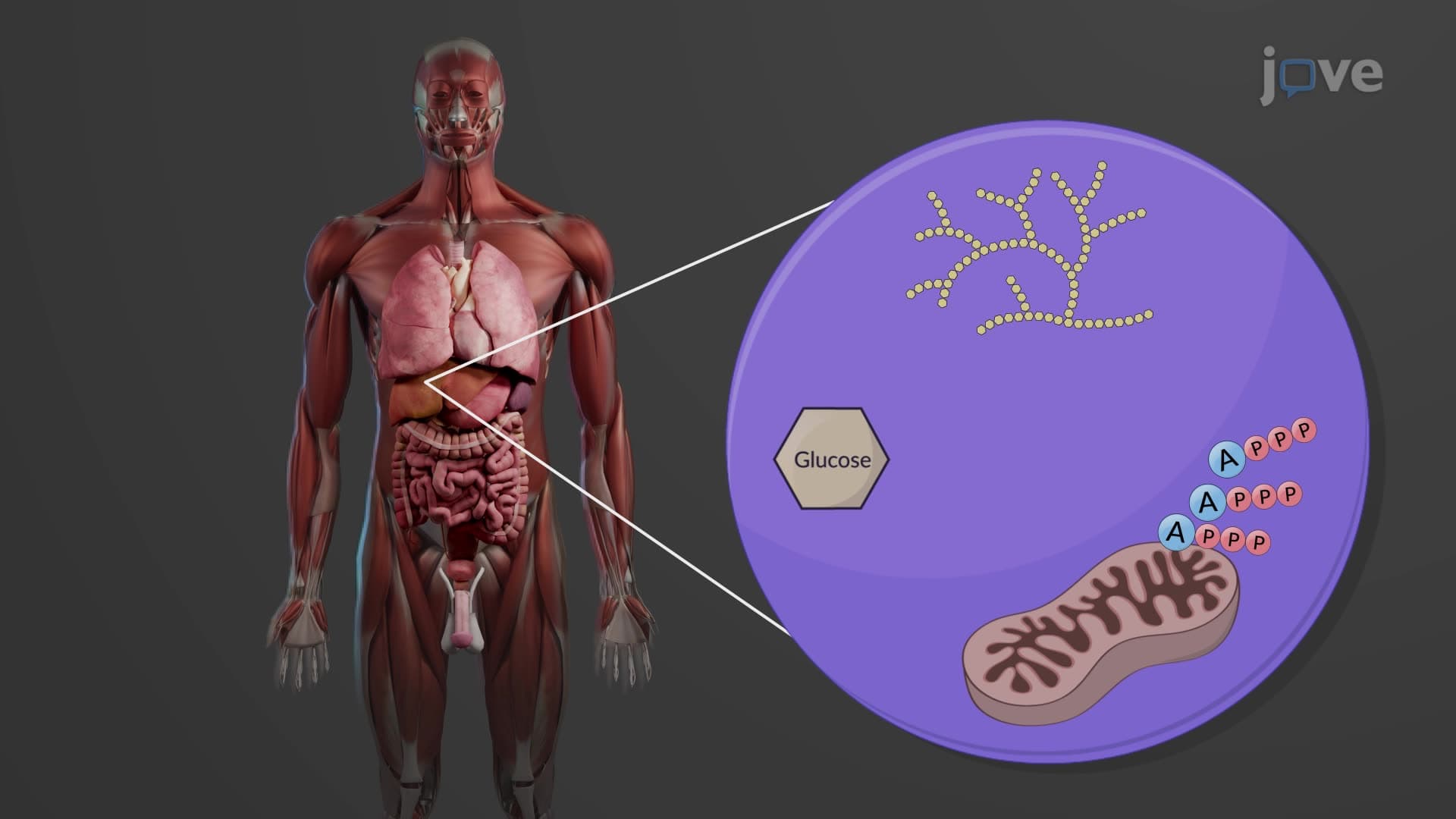
Metabolic sympathetic arousal dramatically increases your body's energy production capacity. The liver rapidly breaks down stored glycogen into glucose, while muscle cells release their energy reserves. This process can increase metabolic rate by up to 100%, providing the fuel necessary for intense physical activity. The hormone epinephrine (adrenaline) floods the bloodstream, amplifying these effects and explaining why people can perform extraordinary feats during emergencies.
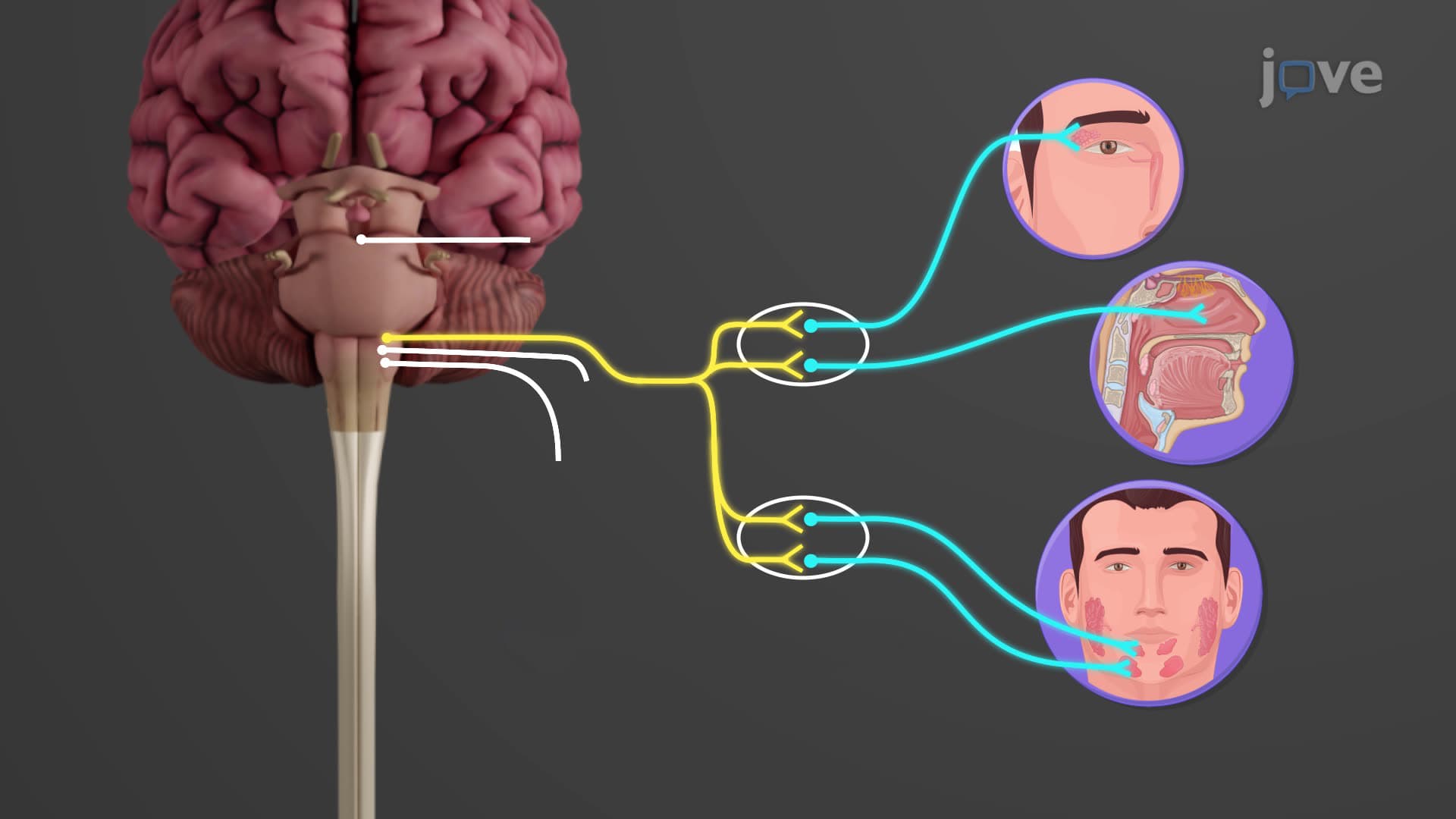
Perhaps most fascinating is how sympathetic activation enhances mental performance. The reticular activating system becomes hyperactive, increasing alertness and focus. Pupil dilation sympathetic responses improve visual acuity by allowing more light to enter the eyes. This explains why students often report heightened concentration during high-stakes exams-their sympathetic nervous system is optimizing cognitive function. Understanding these mechanisms is crucial for pre-med students taking the MCAT, as questions frequently test knowledge of how stress responses affect learning and memory formation.
Related Micro-courses