Loading subject page…


34,100 views


Video Summary: What Is Sympathetic Division Ans
Ever wonder why your heart races before a big test or presentation? The sympathetic division ANS biology controls this "fight-or-flight" response that prepares your body for action. When a student athlete at UCLA sprints during a track meet, their sympathetic nervous system increases heart rate, dilates pupils, and redirects blood flow to muscles within seconds. This thoracolumbar division of the autonomic nervous system originates from spinal cord segments T1-L2 and uses a complex network of ganglia to coordinate rapid physiological responses. Watch the full video on JoVE Coach to master this concept with expert-led visuals and step-by-step explanations.
The sympathetic division of the autonomic nervous system represents one of biology's most elegant emergency response systems. Unlike the parasympathetic "rest and digest" mode, this thoracolumbar sympathetic division activates when your body detects threat, stress, or increased energy demands. Students preparing for the MCAT or AP Biology exam should recognize this as the classic "fight-or-flight" response that helped our ancestors survive predators and continues helping modern humans handle everything from job interviews to medical emergencies.
The sympathetic nervous system explained through its unique anatomy reveals why it's so effective at rapid, coordinated responses. Preganglionic neurons originate exclusively from thoracic (T1-T12) and upper lumbar (L1-L2) spinal cord segments, earning the system its "thoracolumbar" designation. These preganglionic postganglionic sympathetic connections create a characteristic pattern: short preganglionic fibers extend from the spinal cord to nearby ganglia, then long postganglionic fibers reach distant target organs.
This architectural design contrasts sharply with the parasympathetic system's long preganglionic and short postganglionic arrangement. College students studying for physiology exams should remember this distinction, as it frequently appears on USMLE Step 1 and nursing school entrance exams like the TEAS and HESI A2.
The sympathetic chain ganglion system operates through three distinct synaptic sites, each serving specific physiological roles. First, the paravertebral sympathetic chain ganglia form bilateral columns alongside the vertebral column, with 22-24 interconnected ganglia per side. These ganglia innervate skin, blood vessels, and sweat glands through gray ramus communicans connections.
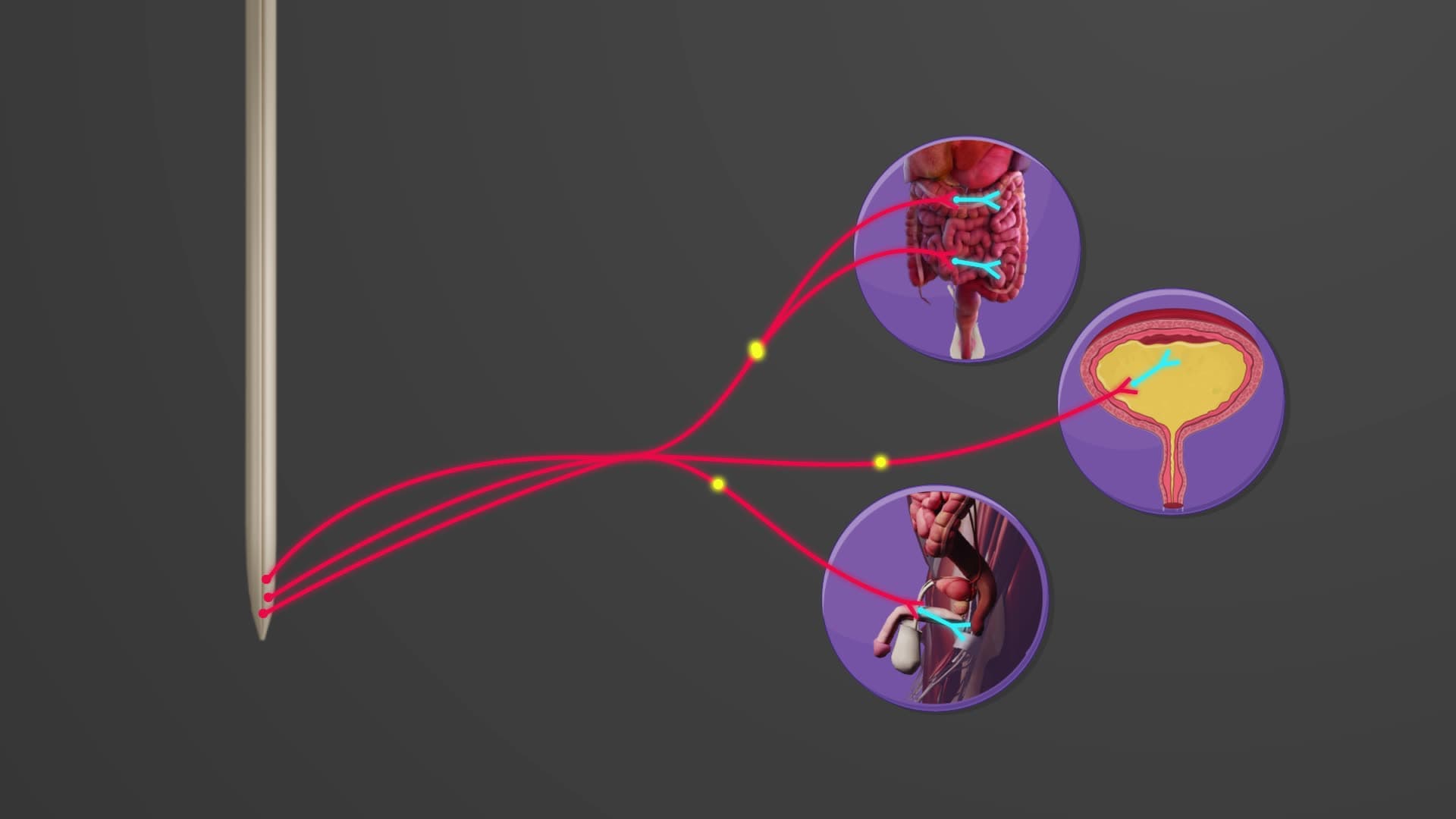
Second, collateral (prevertebral) ganglia-including the celiac, superior mesenteric, and inferior mesenteric ganglia-sit anterior to the vertebral column. These structures specifically target abdominopelvic organs like the stomach, intestines, liver, and reproductive organs. Third, the adrenal medulla represents a modified sympathetic ganglion that releases epinephrine and norepinephrine directly into circulation, creating systemic hormonal effects.
Healthcare professionals at institutions like Johns Hopkins and Mayo Clinic regularly encounter sympathetic dysfunction in patients with diabetes, hypertension, and anxiety disorders. The adrenergic sympathetic signaling system becomes particularly relevant in emergency medicine, where understanding sympathomimetic drugs (epinephrine, dopamine) can mean the difference between life and death during cardiac arrest or anaphylactic shock.
Related Micro-courses