Loading subject page…


34,100 views

Video Summary: What Is Sympathetic Signaling
Ever wondered why your heart races during a job interview or your palms sweat before the SAT? Sympathetic signaling biology orchestrates these fight-or-flight responses through a complex network of neurotransmitters and receptors. When a medical student at Johns Hopkins faces their first cadaver lab, their sympathetic nervous system releases norepinephrine, triggering rapid heartbeat and heightened alertness. Watch the full video on JoVE Coach to master this concept with expert-led visuals and step-by-step explanations.
Sympathetic signaling biology represents one of the most critical communication networks in human physiology, enabling rapid responses to stress, danger, or excitement. This intricate system allows your body to shift from rest to high alert in milliseconds-whether you're a high school athlete sprinting the 100-meter dash or a pre-med student facing organic chemistry finals.
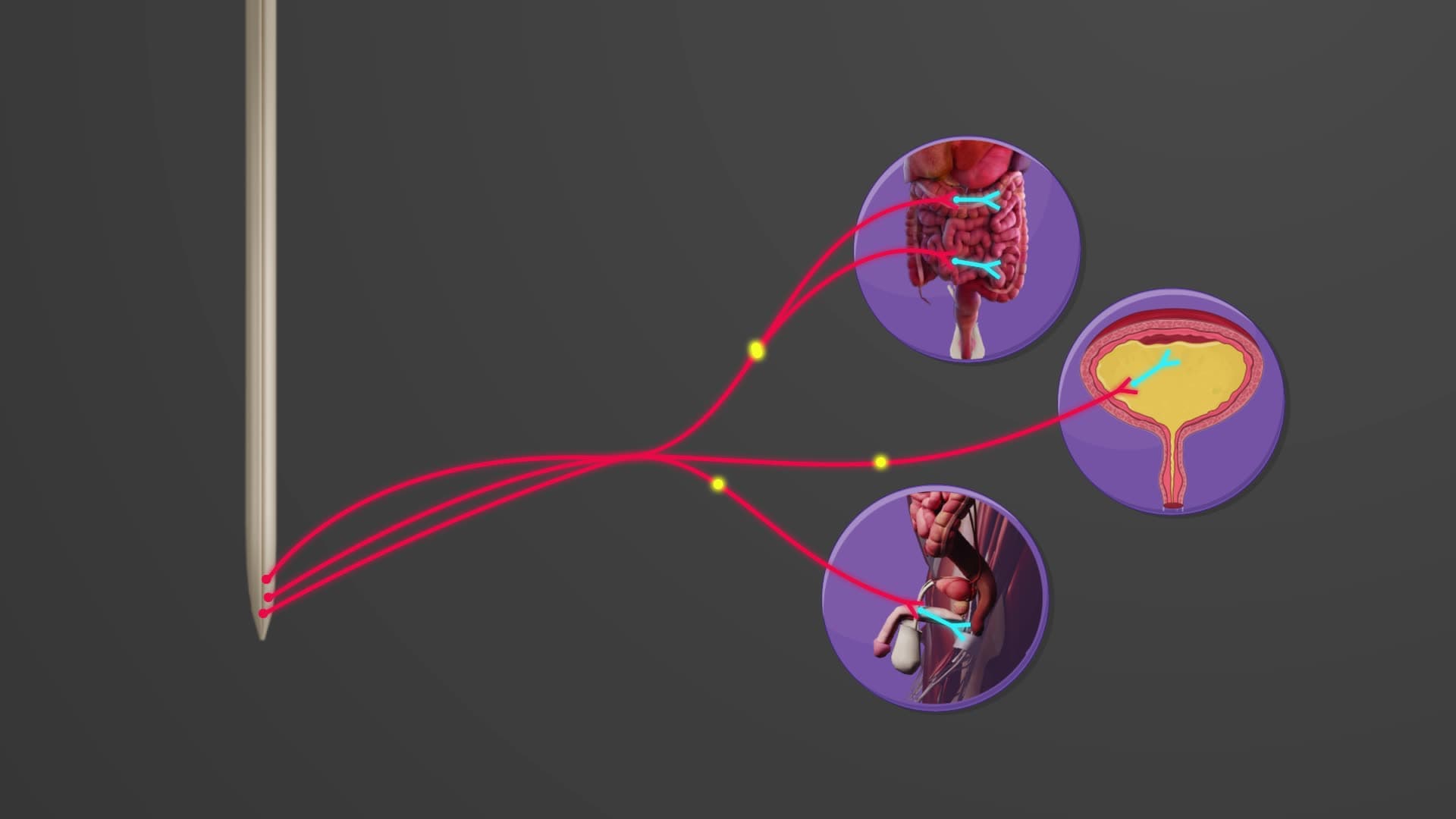
The sympathetic pathway operates through a sophisticated two-neuron relay system. Initially, preganglionic fibers release acetylcholine, which binds to nicotinic receptors on postganglionic neurons. This sympathetic neurotransmitter signaling mechanism ensures rapid signal transmission across synaptic gaps. Once activated, most postganglionic fibers release norepinephrine-except those targeting sweat glands, which continue using acetylcholine.
This distinction becomes crucial for AP Biology students studying autonomic nervous system disorders. For instance, patients with Horner's syndrome, commonly seen in emergency departments across major US hospitals like Mayo Clinic, experience disrupted sympathetic signaling, resulting in drooping eyelids and constricted pupils.
Understanding what is sympathetic signaling in the ANS requires mastering adrenergic receptor subtypes. Alpha-1 receptors, predominantly found in vascular smooth muscle, trigger vasoconstriction when bound by norepinephrine. This mechanism explains why epinephrine auto-injectors (EpiPens) effectively treat severe allergic reactions-they activate alpha-1 receptors to counteract dangerous vasodilation.
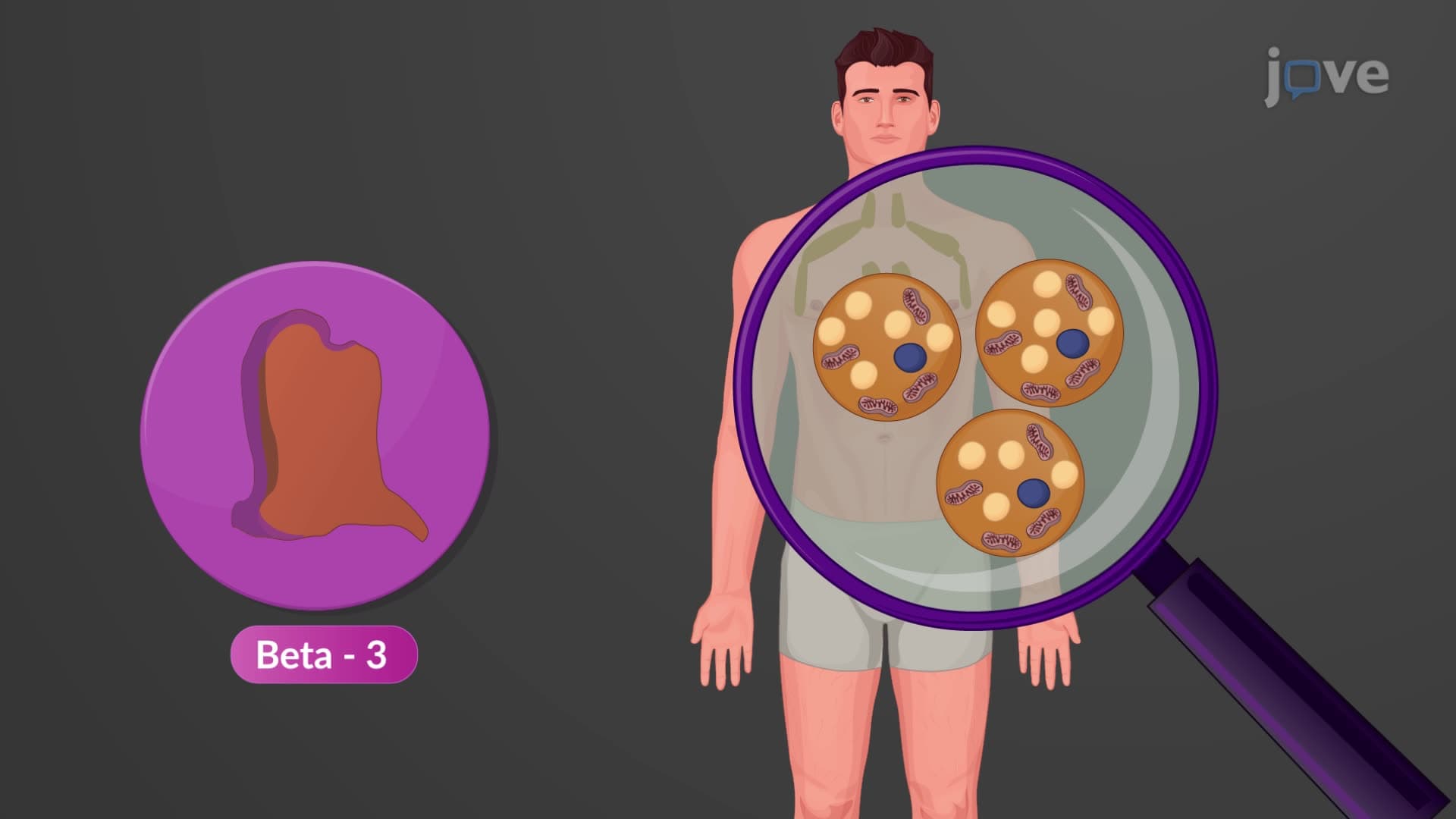
Alpha-2 receptors function as negative feedback regulators, located on preganglionic terminals to limit excessive norepinephrine release. Beta receptors showcase remarkable tissue-specific functions: beta-1 receptors in cardiac tissue increase heart rate and contractility (crucial for MCAT cardiology questions), beta-2 receptors in bronchial smooth muscle enable bronchodilation (explaining albuterol's mechanism in asthma treatment), and beta-3 receptors in brown adipose tissue promote thermogenesis.
For students preparing for healthcare professional exams like the MCAT or NCLEX, understanding adrenergic receptor alpha beta interactions proves essential. Beta-blockers like propranolol, commonly prescribed for hypertension at institutions like Cleveland Clinic, selectively inhibit beta-1 receptors to reduce heart rate and blood pressure. Meanwhile, selective beta-2 agonists like albuterol target respiratory smooth muscle without significantly affecting cardiac function.
This pharmacological selectivity demonstrates why sympathetic signaling knowledge translates directly into clinical practice. Medical students at Stanford or Harvard regularly encounter patients whose symptoms stem from dysregulated sympathetic pathways, making this foundational knowledge indispensable for future healthcare providers.
Related Micro-courses