Loading video…


 20 Concepts
 38.7K views

Video Summary: Body Water Content and Fluid Compartments Explained
Did you know your body is essentially a walking water balloon, with fluid making up 60% of your total weight? Understanding body water fluid compartments reveals how your 40 liters of total body water strategically distributes between cells and surrounding spaces to maintain life. For instance, when EMTs in Boston treat dehydration patients, they target specific fluid compartments to restore proper hydration balance. Body Water Content And Fluid Compartments Explained demonstrates this critical physiological process that keeps every cell functioning optimally. Watch the full video on JoVE Coach to master this concept with expert-led visuals and step-by-step explanations.
The human body operates as a sophisticated aquatic system where water serves as the universal medium for virtually every biological process. Body water fluid compartments represent distinct anatomical spaces where this precious resource is strategically organized to support cellular function, nutrient transport, and waste removal. This compartmentalization isn't random-it reflects millions of years of evolutionary optimization for survival and efficiency.
The most fundamental division separates intracellular extracellular fluid into two primary reservoirs. Intracellular fluid (ICF) contains approximately 25 liters in an average adult male, representing roughly two-thirds of total body water. This fluid bathes cellular organelles, facilitates metabolic reactions, and maintains optimal conditions for protein synthesis and energy production. The remaining third exists as extracellular fluid (ECF), totaling about 15 liters, which serves as the body's internal transportation network.
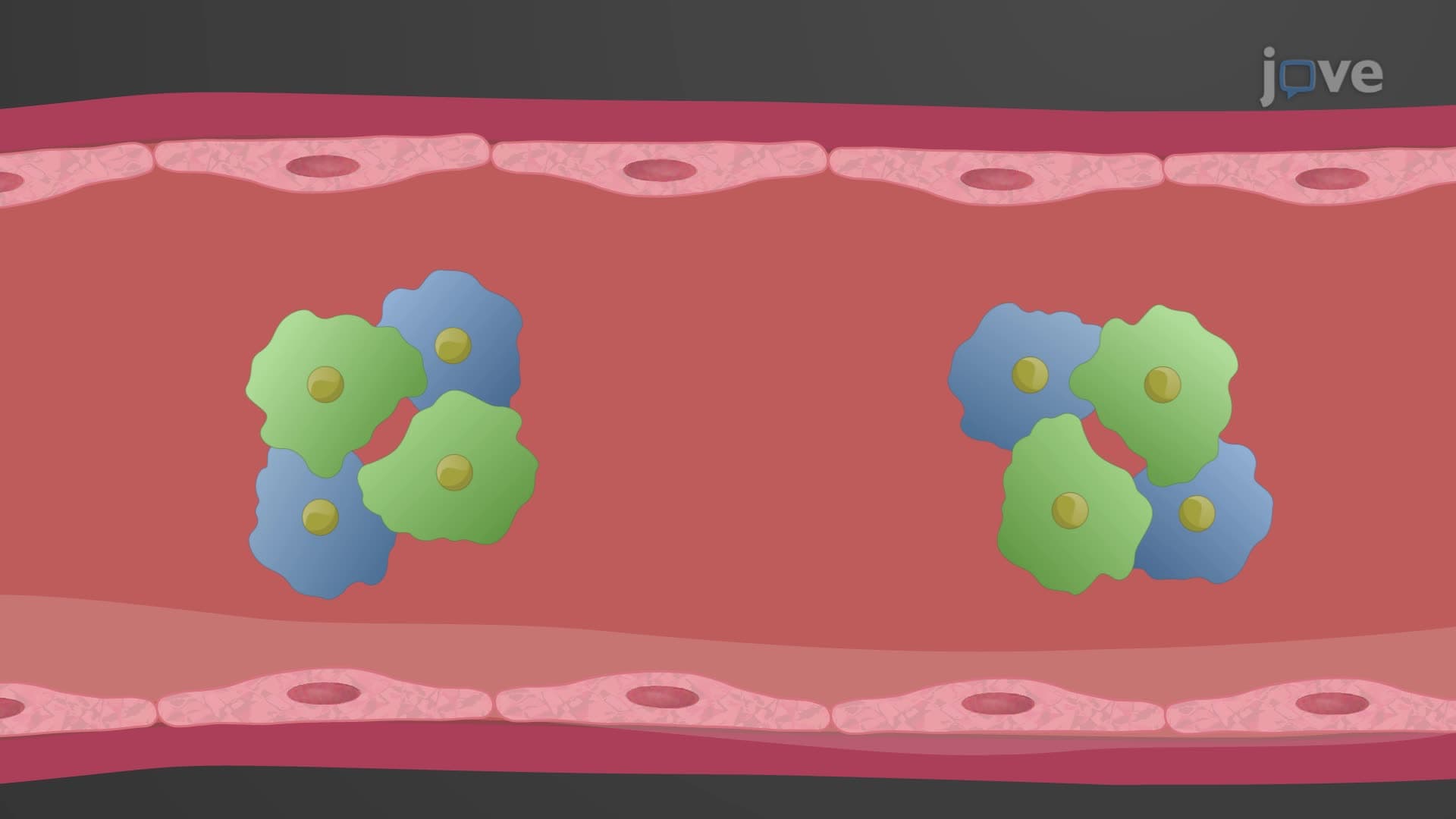
Interstitial plasma fluid represents the two major ECF sub-compartments. Blood plasma accounts for roughly 3 liters and serves as the highway for nutrient delivery, hormone transport, and waste collection. Interstitial fluid, comprising about 11 liters, fills the microscopic spaces between cells, acting as a buffer zone where nutrients and waste products exchange between blood and cellular interior. Understanding this distribution becomes crucial when studying cardiovascular physiology for AP Biology or preparing for MCAT passages about fluid homeostasis.
Total body water percentage varies dramatically across populations and life stages. Newborns maintain approximately 73% water content due to minimal fat stores and underdeveloped bone density. This percentage steadily decreases with age, dropping to around 45% in elderly individuals as muscle mass declines and fat percentage increases. Sex differences also prove significant-healthy young men typically maintain 60% water content while women average 50%, primarily due to higher essential fat percentages required for reproductive function.
Healthcare professionals at institutions like Johns Hopkins use these variations when calculating medication dosages, particularly for water-soluble drugs that distribute throughout specific fluid compartment volumes. Body water distribution patterns also explain why dehydration affects different age groups differently-elderly patients show symptoms more rapidly due to lower baseline water reserves and reduced kidney efficiency.
Medical students preparing for USMLE Step 1 frequently encounter questions about fluid shifts between compartments during pathological states. For example, heart failure patients at Cleveland Clinic often develop peripheral edema when increased venous pressure forces excess fluid from plasma into interstitial spaces. Similarly, nursing students taking the NCLEX must understand how diuretic medications affect different compartments to properly monitor patient responses and prevent dangerous electrolyte imbalances.
Related Micro-courses