Loading subject page…


38,684 views

Video Summary: What are Buffer Systems
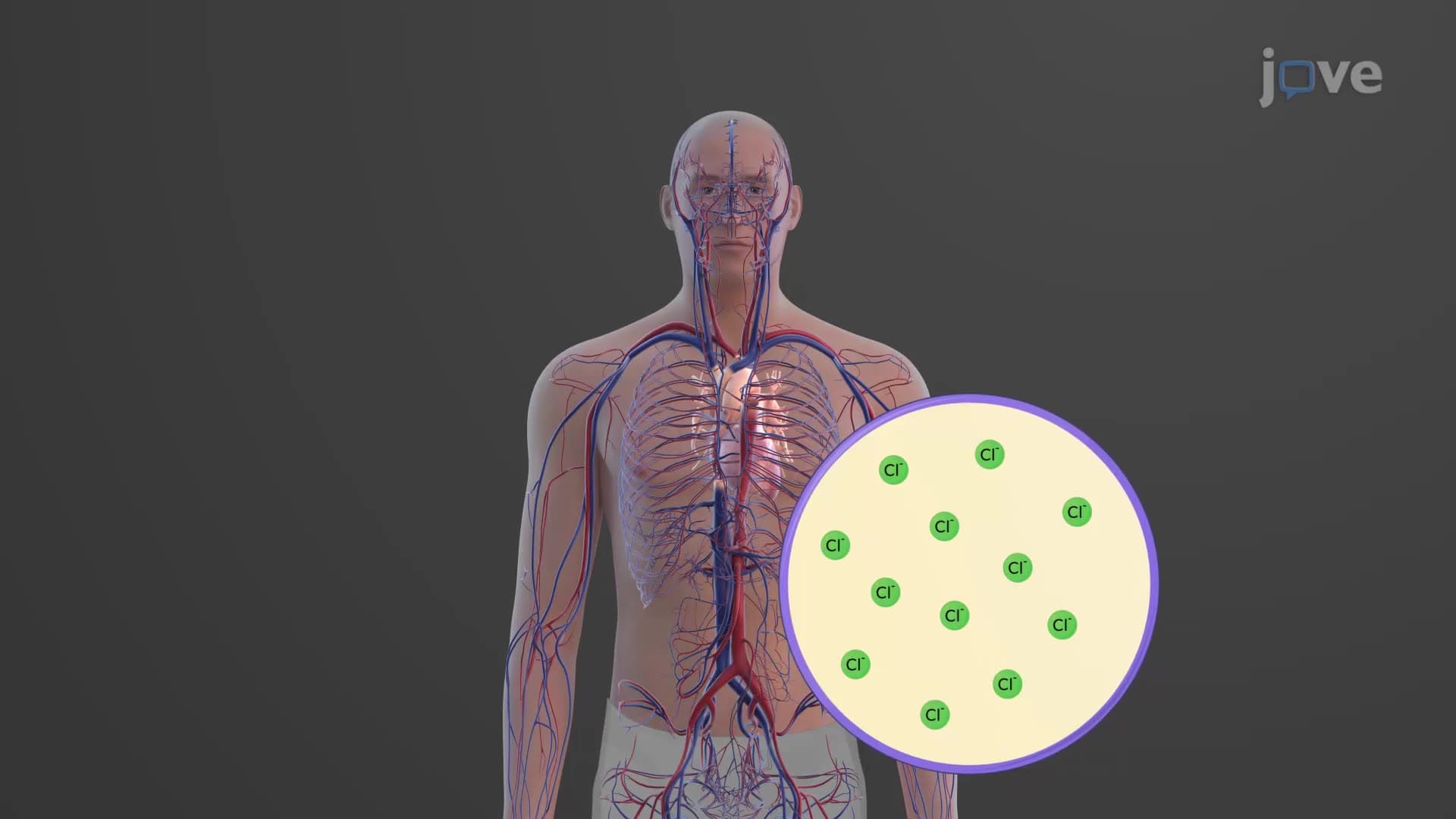
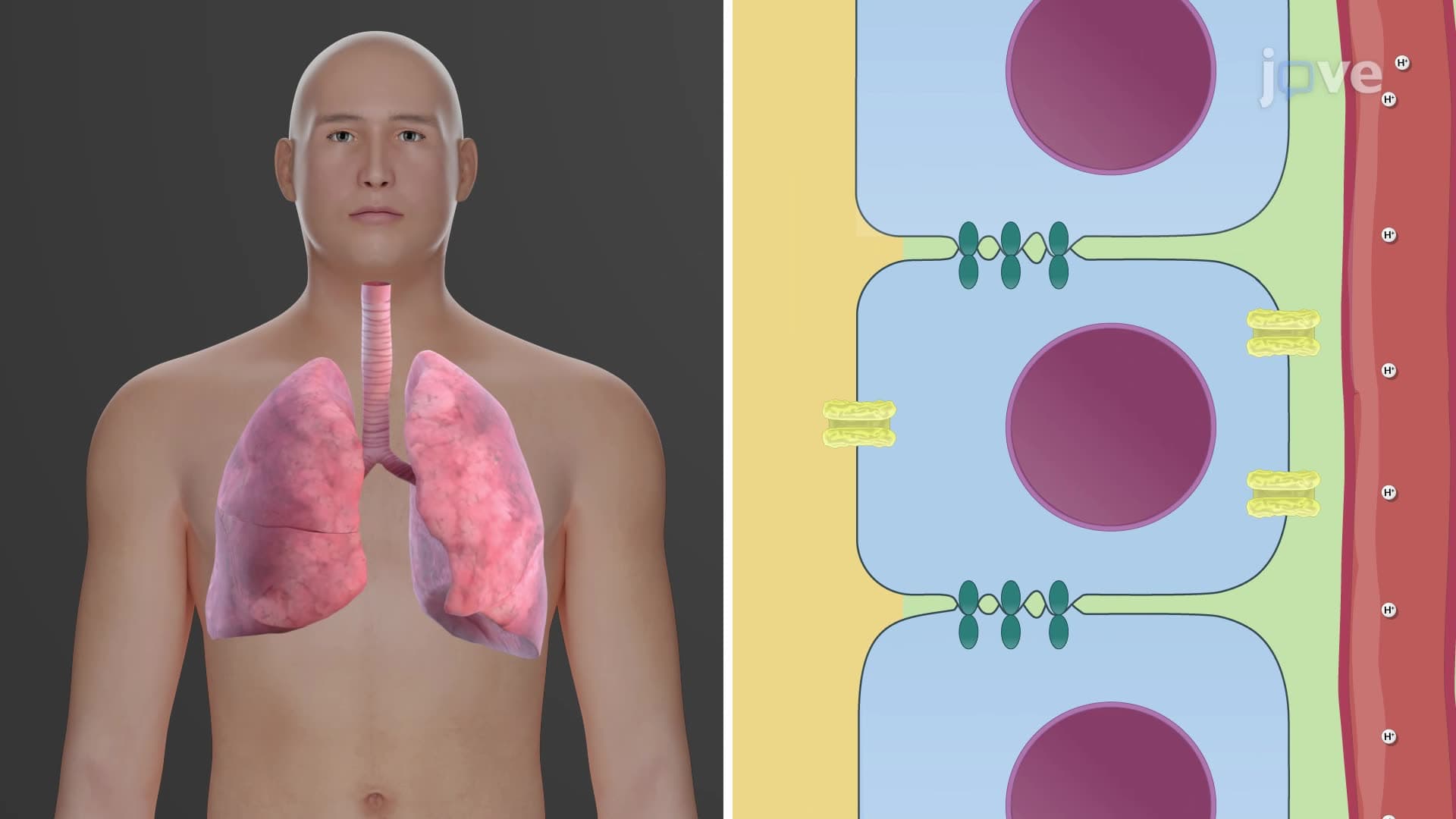
Ever wonder why your blood doesn't turn acidic after drinking a Coke or alkaline after taking antacids? Buffer systems biology explained reveals how your body maintains a precise pH of 7.4 despite constant chemical challenges. These sophisticated chemical networks in American hospitals help doctors understand why patients with kidney disease or respiratory problems develop dangerous pH imbalances. What are buffer systems? They're your body's chemical guardians that prevent deadly acid-base disasters. Watch the full video on JoVE Coach to master this concept with expert-led visuals and step-by-step explanations.
What are buffer systems? They represent one of biology's most elegant solutions to a deadly problem. Without these molecular guardians, eating a single orange or taking one breath would create catastrophic pH swings that would instantly kill you. Buffer systems consist of weak acid-conjugate base pairs that resist pH changes through dynamic equilibrium reactions.
American medical schools teach students to memorize the body's three critical buffer networks. The bicarbonate phosphate protein buffer trio works like a coordinated emergency response team. The bicarbonate system handles 75% of buffering in blood plasma, making it the star player. When you hyperventilate during an anxiety attack, you're actually disrupting this system by exhaling too much CO2, shifting the carbonic acid equilibrium.
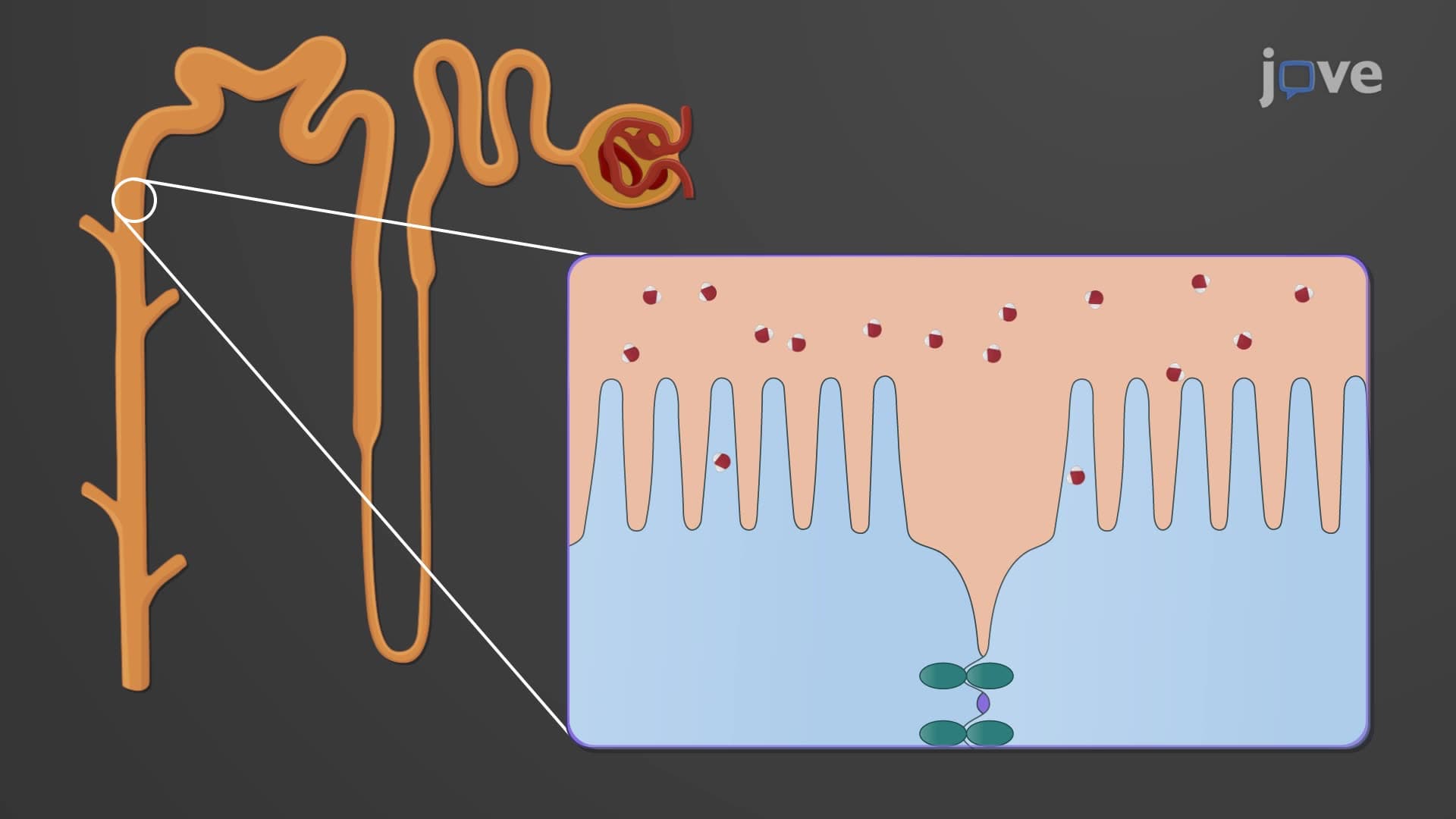
The phosphate buffer system dominates inside cells and in urine, where its pKa of 6.8 perfectly matches intracellular pH. Protein buffers, including hemoglobin, provide massive buffering capacity because each protein molecule contains multiple ionizable groups. This is why anemia patients often struggle with acid-base balance.
The magic happens through Le Chatelier's principle. When you consume acidic foods, excess H+ ions drive the equilibrium: HCO3- + H+ ↔ H2CO3 ↔ CO2 + H2O toward the right, removing dangerous hydrogen ions. Conversely, during alkalosis, the equilibrium shifts left, releasing stored H+ ions.
This mechanism appears frequently on AP Biology exams and MCAT questions. Students must understand that buffers don't eliminate pH changes-they minimize them. A strong acid might drop unbuffered water from pH 7 to pH 1, but the same acid in buffered blood only shifts pH from 7.4 to 7.35.
In American hospitals, understanding body pH buffer types saves lives. Diabetic ketoacidosis patients produce excessive acids that overwhelm buffer capacity, requiring immediate IV bicarbonate treatment. Respiratory therapists monitor CO2 levels because the lungs provide the crucial "open system" component that makes bicarbonate buffering so effective.
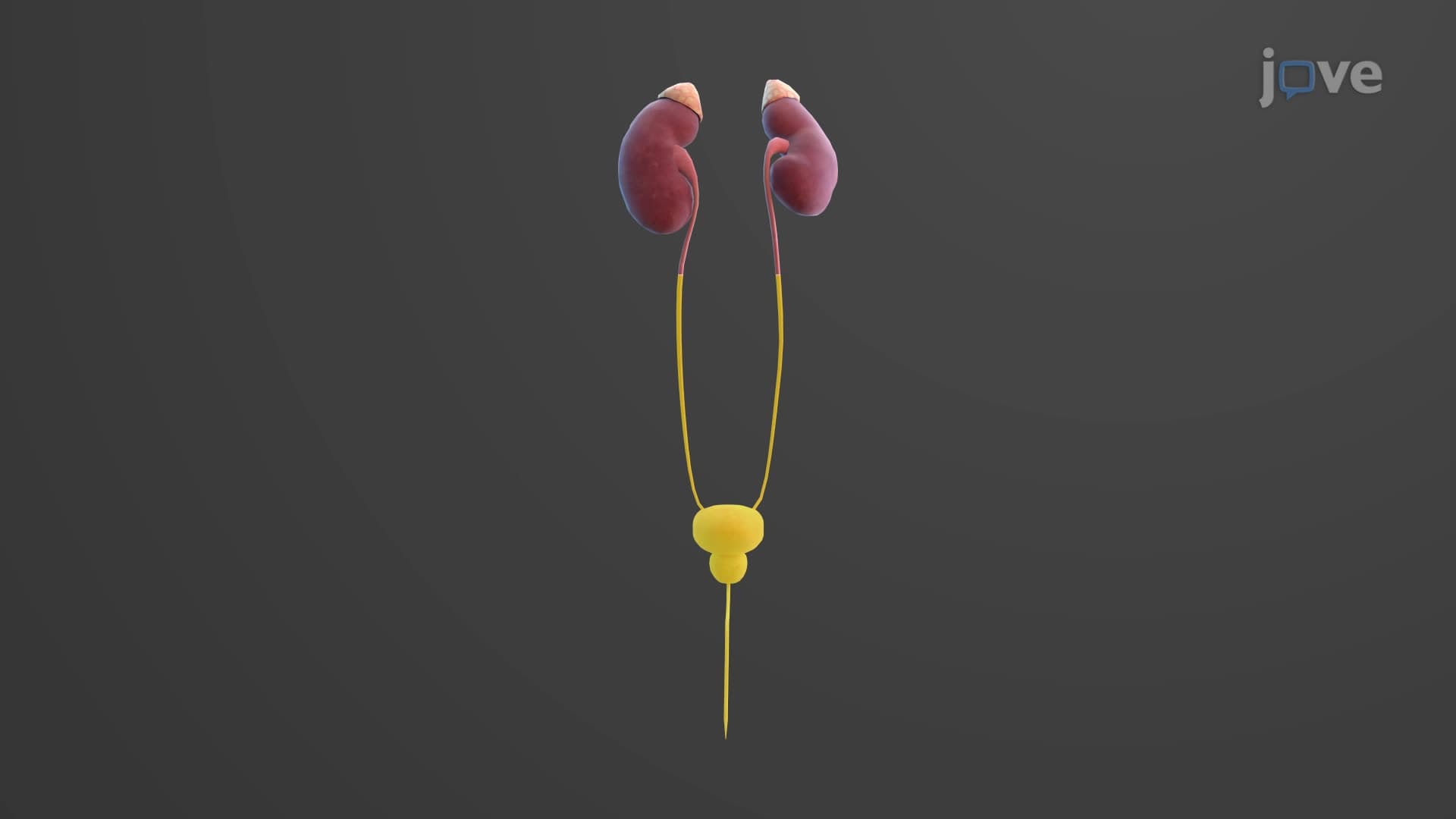
The integration between buffer system overview mechanisms explains why kidney failure patients develop metabolic acidosis-they can't excrete the acids that buffers absorbed. This concept frequently appears on NCLEX and MCAT exams, where students must predict physiological compensation mechanisms.
Related Micro-courses