Loading video…


 20 Concepts
 38.7K views

Video Summary: What Is Acid Base Balance
Did you know that drinking too much coffee can actually shift your blood's acid-base balance and affect how your heart functions? Acid base balance biology is the intricate system that keeps your body's pH within the narrow range of 7.35-7.45. When marathon runners at the Boston Marathon experience severe dehydration, their acid-base balance can become dangerously disrupted, leading to life-threatening complications. Understanding what is acid base balance reveals how your body uses chemical buffers, breathing patterns, and kidney function to maintain this critical equilibrium. Watch the full video on JoVE Coach to master this concept with expert-led visuals and step-by-step explanations.
Acid base balance biology represents one of the most critical homeostatic mechanisms in the human body. This sophisticated system maintains blood pH within the remarkably narrow range of 7.35-7.45, despite constant metabolic processes that produce acids and bases. When students at UCLA study for their MCAT, they quickly learn that even tiny deviations from this range can spell disaster for cellular function.
The importance of pH body balance explained becomes clear when examining what happens during imbalance. Acidosis occurs when blood pH drops below 7.35, while alkalosis develops when pH exceeds 7.45. These conditions aren't just numbers on a test, they represent real medical emergencies. For instance, diabetic patients at Massachusetts General Hospital may develop diabetic ketoacidosis, where blood pH can plummet to dangerous levels, causing coma and potential death.
Acid base regulation body operates through three interconnected mechanisms, each with different response times and capacities. Chemical buffer systems provide the first line of defense, acting within seconds to minutes. The bicarbonate-carbonic acid system serves as the body's primary buffer, working alongside phosphate and protein buffers to immediately neutralize excess acids or bases.
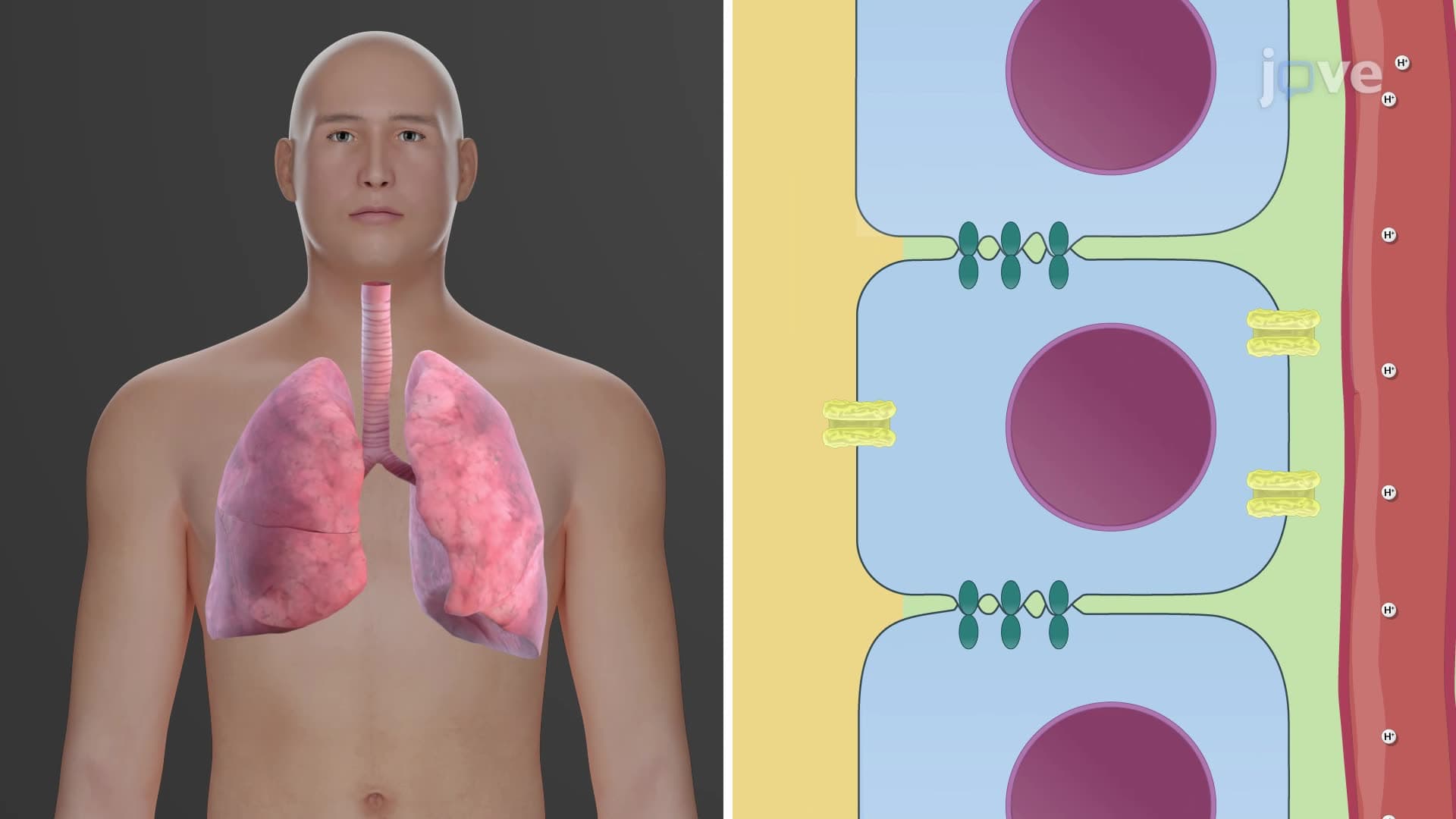
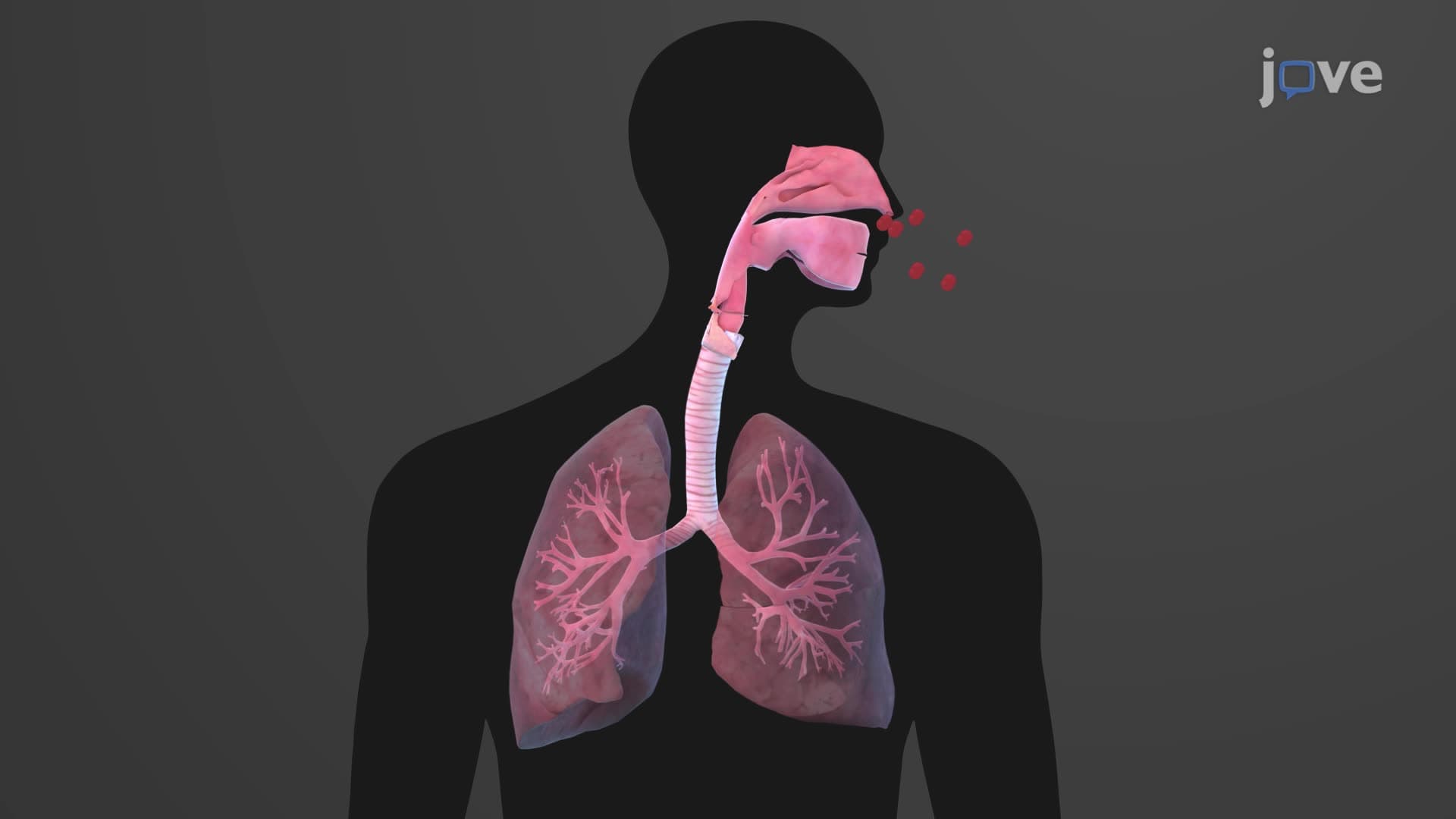
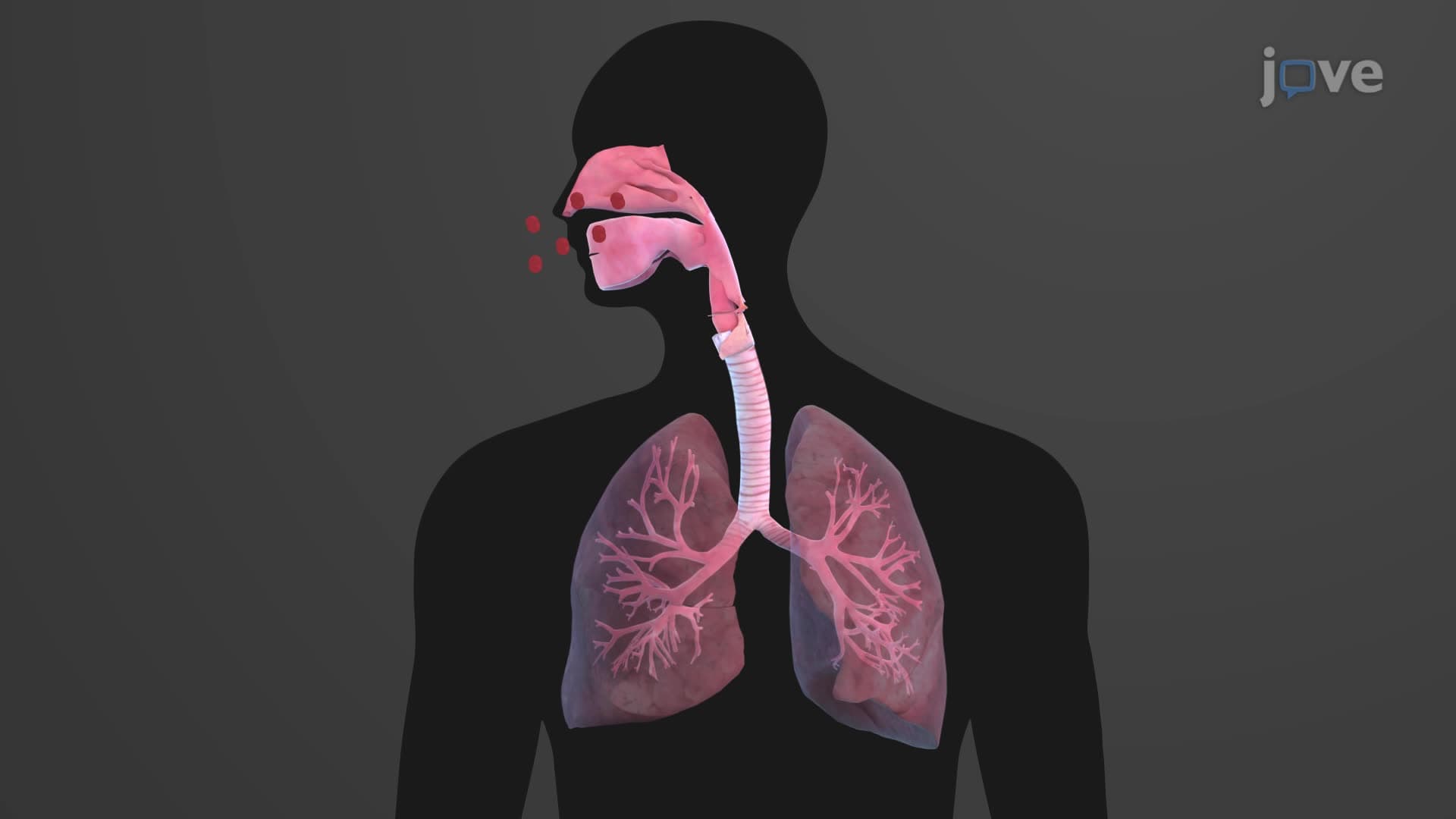
Respiratory compensation represents the second defense mechanism. When blood becomes acidic, the respiratory center in the medulla oblongata increases breathing rate and depth, expelling more CO2 and reducing carbonic acid levels. This response occurs within minutes and can compensate for significant pH disturbances. Mountain climbers ascending peaks like Mount McKinley experience this firsthand as their bodies adjust to altitude-induced pH changes.
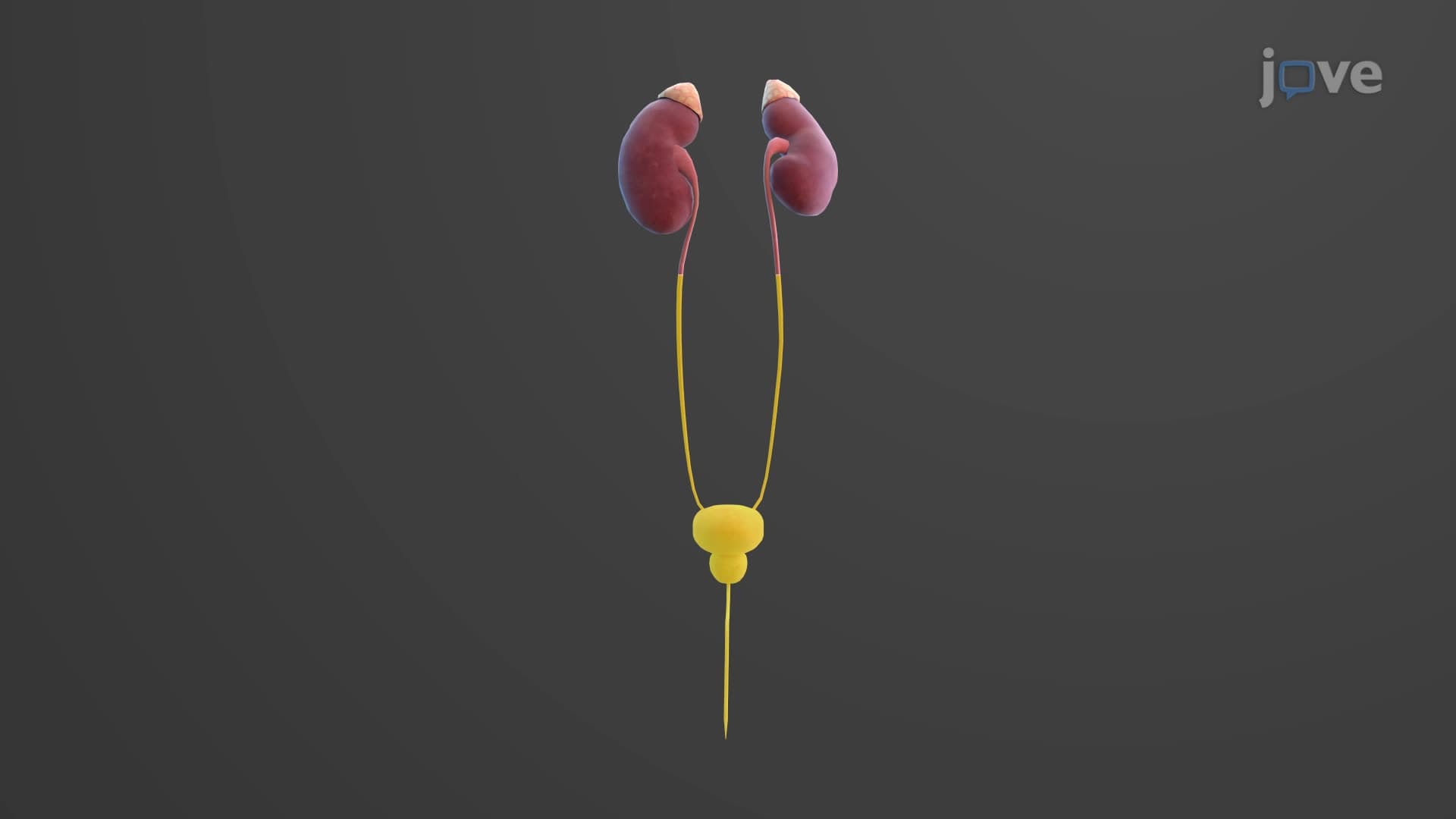
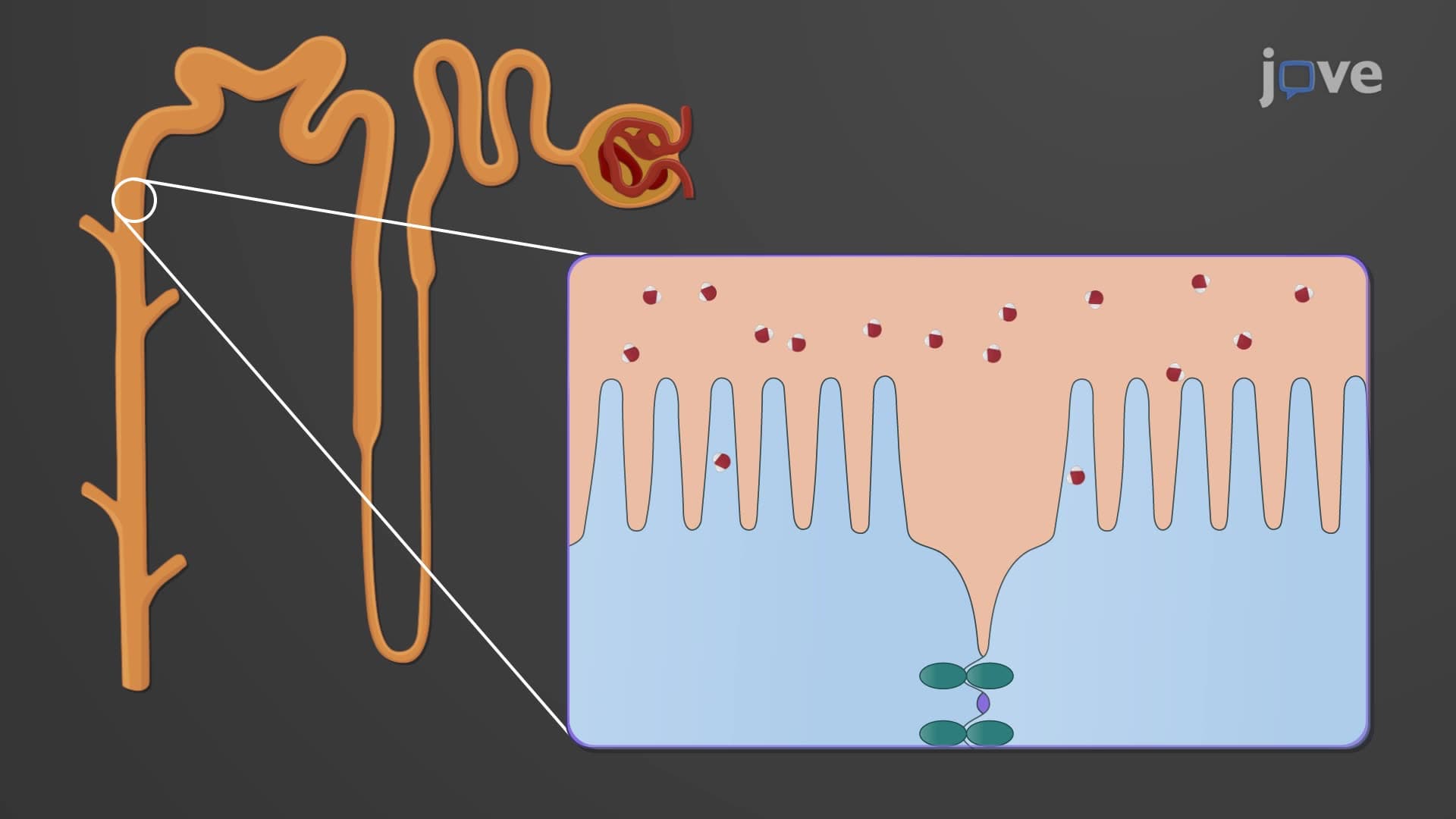
The kidneys provide the most powerful and precise control over pH homeostasis physiology, though their response takes hours to days. Renal regulation involves complex processes of hydrogen ion secretion and bicarbonate reabsorption. When blood becomes acidic, kidneys increase hydrogen ion excretion while conserving bicarbonate. Conversely, during alkalosis, kidneys retain hydrogen ions and excrete bicarbonate.
This concept frequently appears on AP Biology exams and college physiology courses at institutions like Stanford and Harvard. Students must understand how these three systems work together, buffers provide immediate protection, respiration offers rapid adjustment, and kidneys ensure long-term stability. Understanding acidosis alkalosis balance helps pre-med students excel on the MCAT and prepares nursing students for NCLEX questions about fluid and electrolyte management.
Related Micro-courses