Loading video…


 20 Concepts
 38.7K views

Video Summary: What Is Compensation Mechanisms
Ever wonder why marathon runners don't collapse from severe acid buildup despite producing massive amounts of lactic acid? Acid base compensation mechanisms automatically kick in to prevent dangerous pH swings in your blood. When a patient arrives at Johns Hopkins Emergency Department with diabetic ketoacidosis, their body's respiratory and renal systems work together through sophisticated compensation mechanisms to restore life-threatening pH imbalances. Watch the full video on JoVE Coach to master this concept with expert-led visuals and step-by-step explanations.
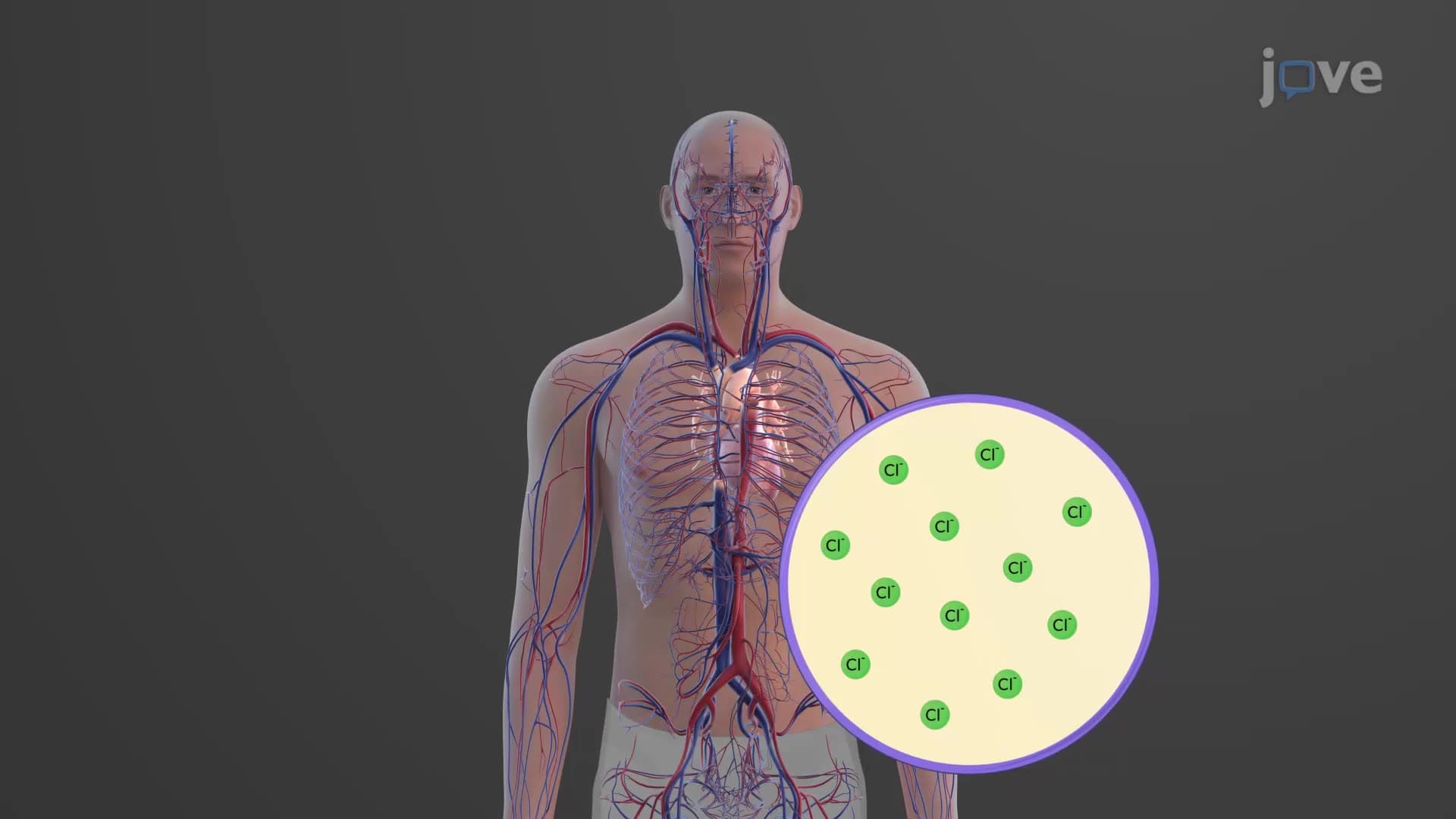
What are compensation mechanisms in acid base physiology? These are your body's automatic regulatory responses that counteract dangerous shifts in blood pH. Think of them as biological thermostats that detect pH changes and activate opposing systems to restore balance. When acid-base disorders threaten cellular function, compensation mechanisms provide the first line of defense before medical intervention becomes necessary.
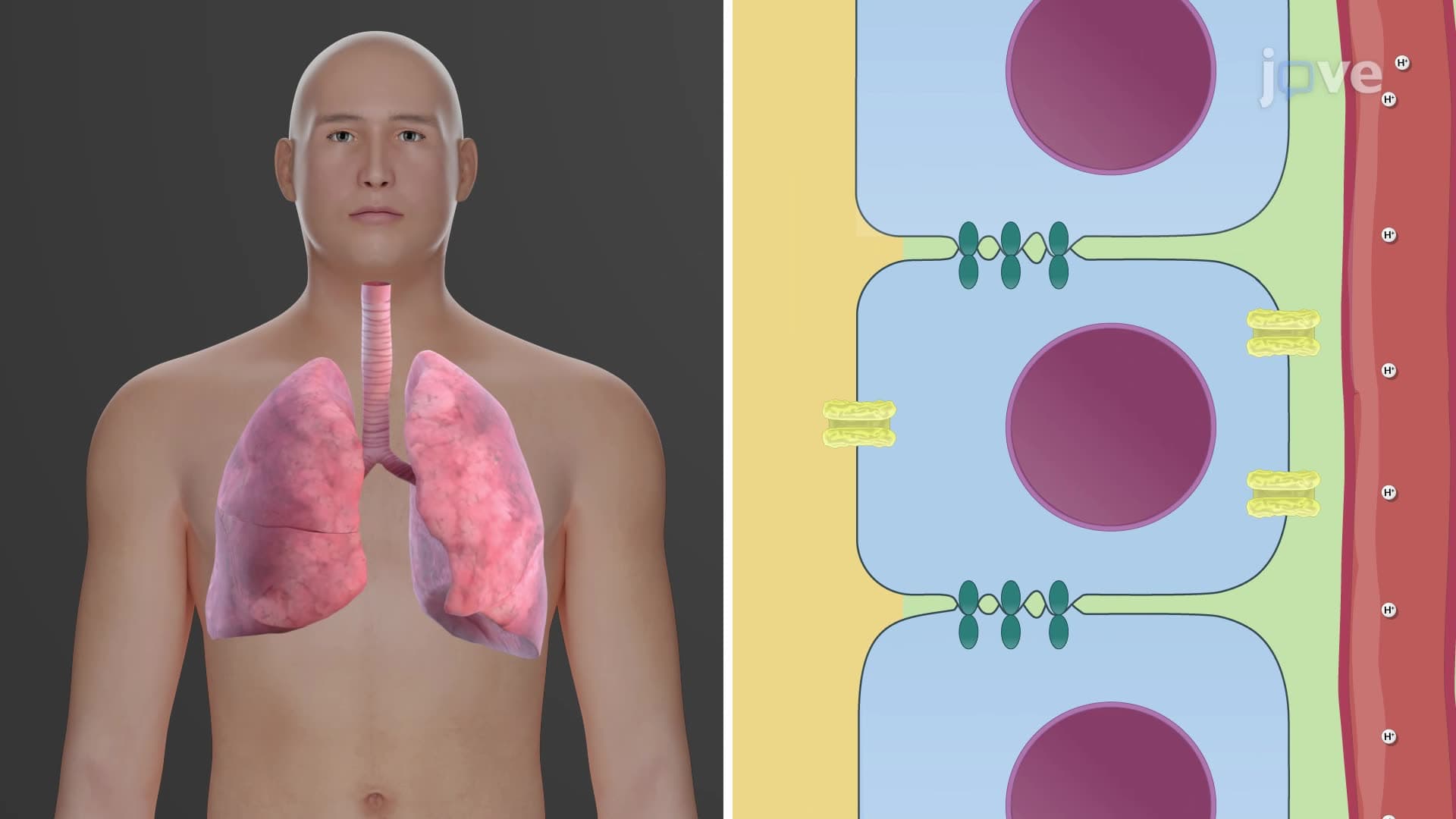
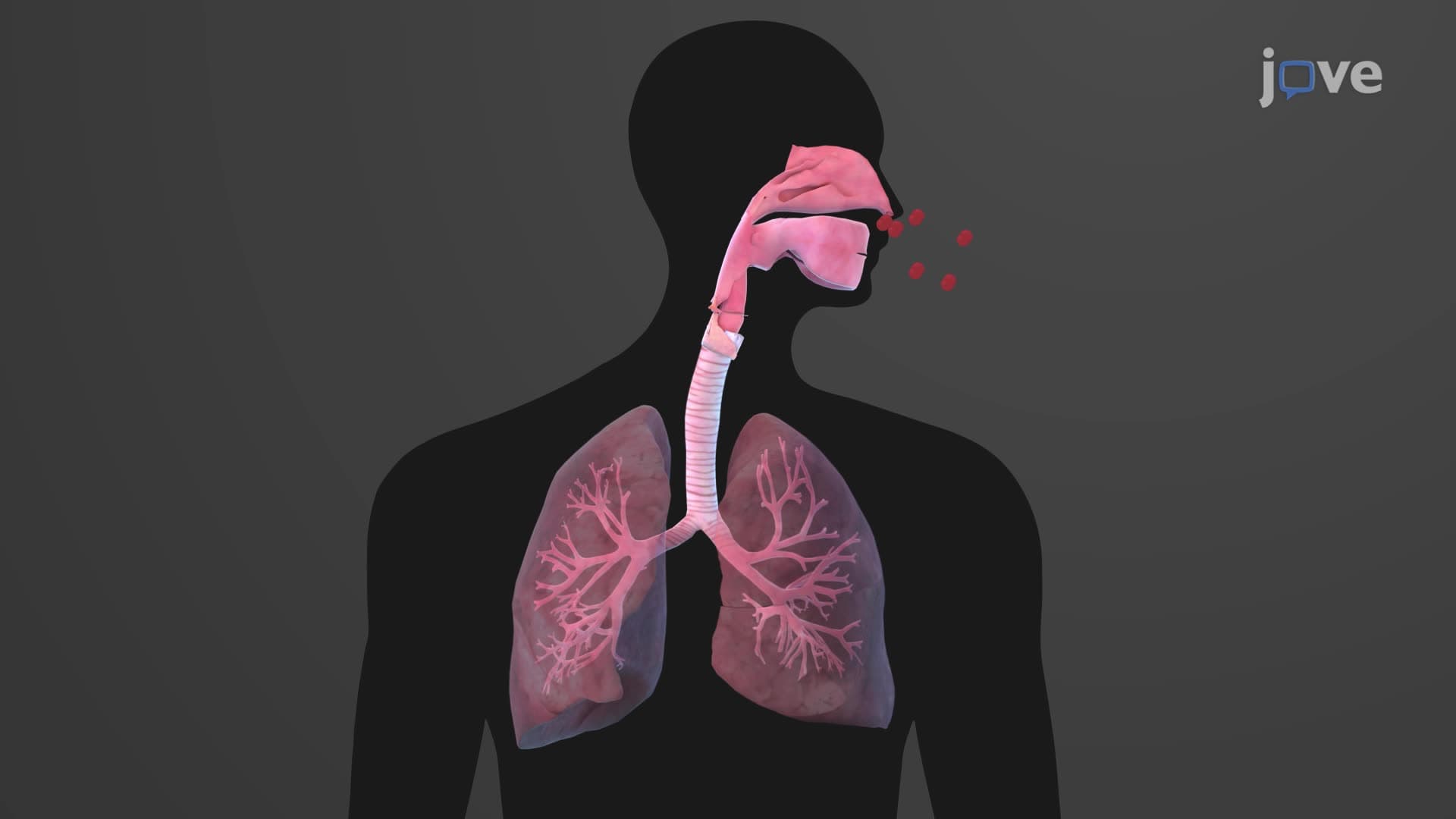
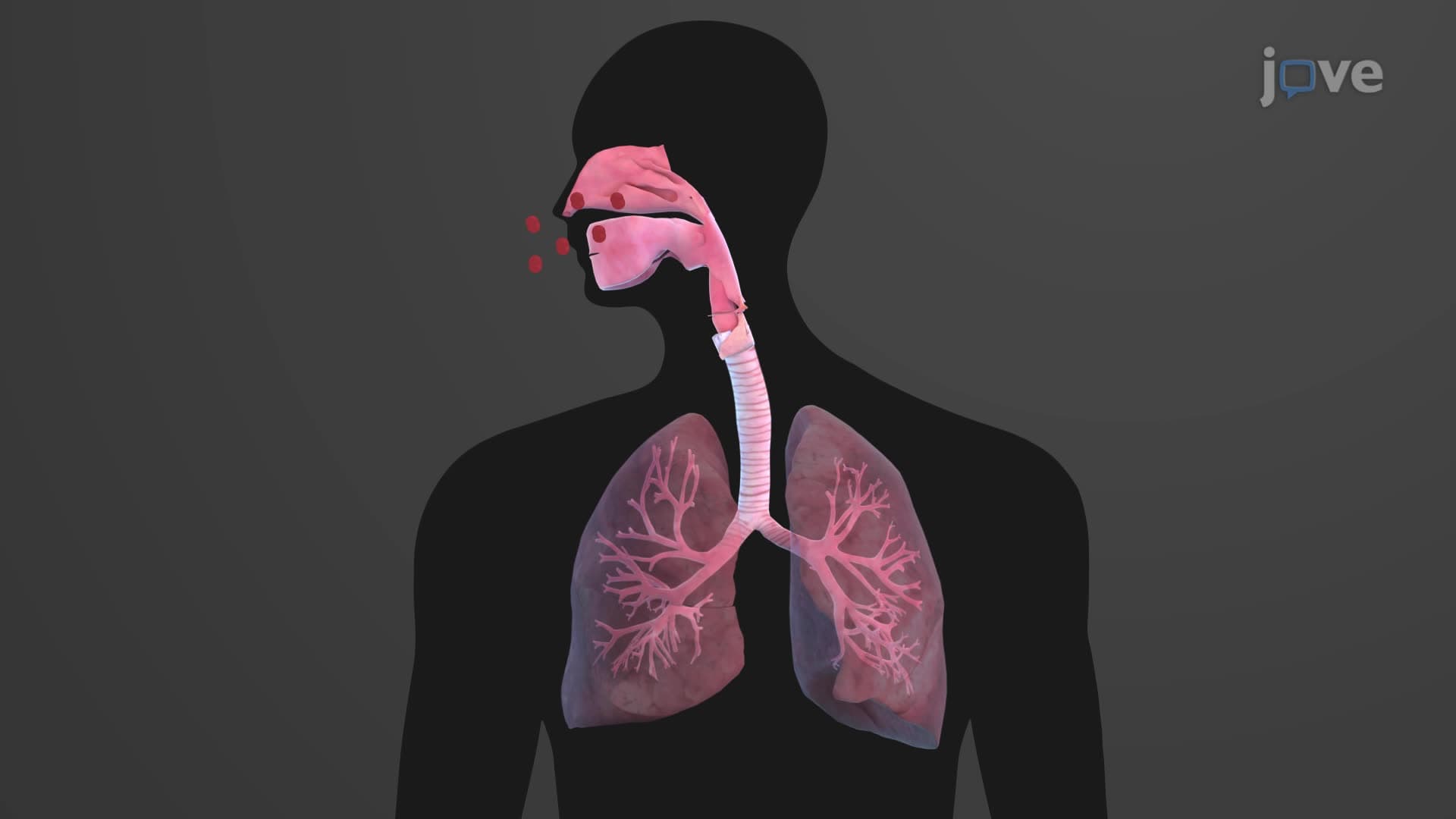
Respiratory compensation metabolic acidosis represents one of the most clinically important examples. During diabetic ketoacidosis-a condition affecting over 100,000 Americans annually-ketone production creates severe metabolic acidosis. The respiratory system responds with Kussmaul breathing, characterized by deep, rapid respirations that can eliminate up to 75% of excess CO2 within hours. This pH compensation physiology explained demonstrates how the lungs act as the body's fastest compensation mechanism.
For metabolic alkalosis, seen in patients with prolonged vomiting or diuretic overuse, respiratory compensation involves hypoventilation. The body deliberately retains CO2 to form more carbonic acid, counteracting the alkaline shift. However, this compensation has limits-oxygen needs prevent complete respiratory suppression.
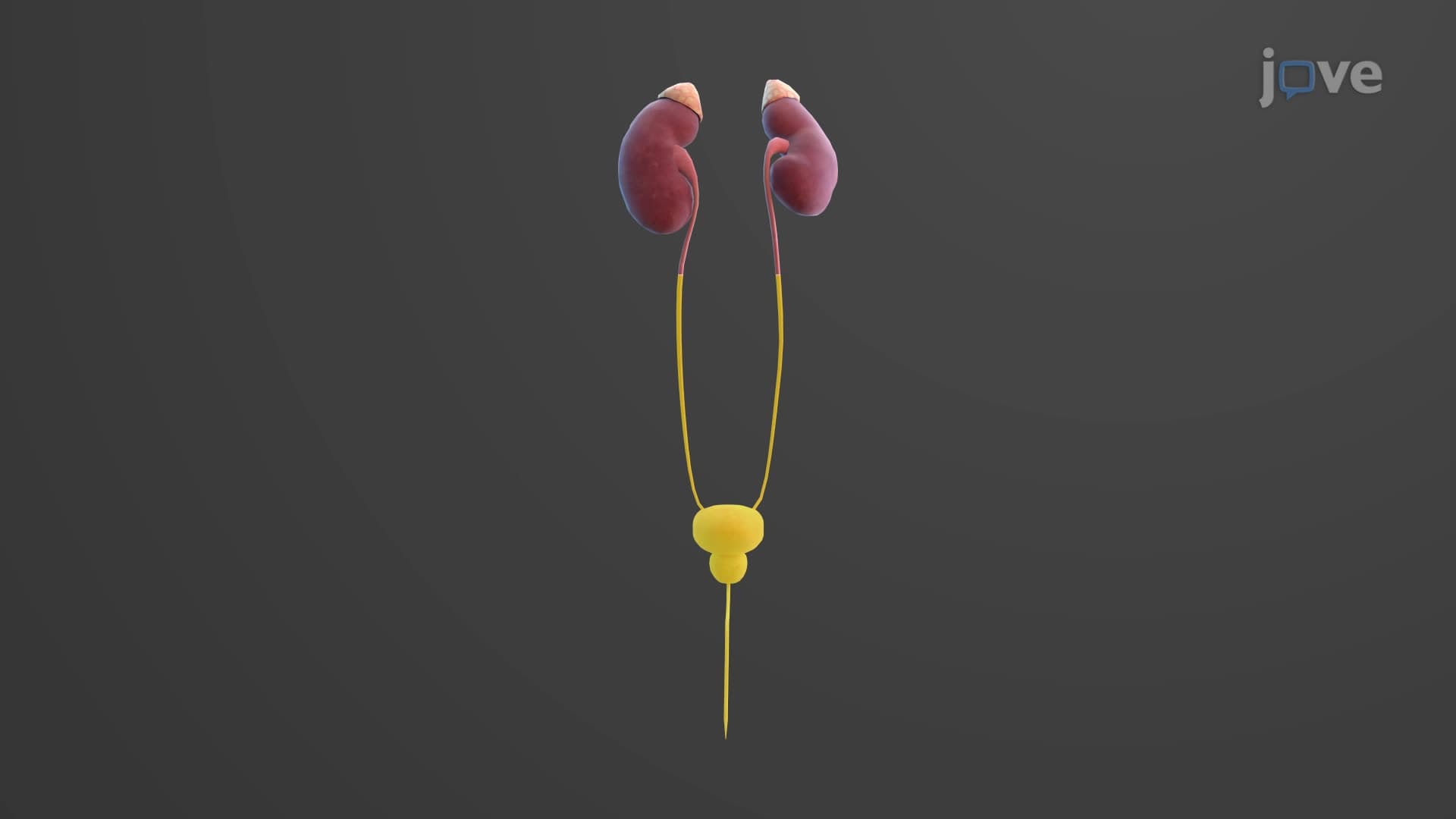
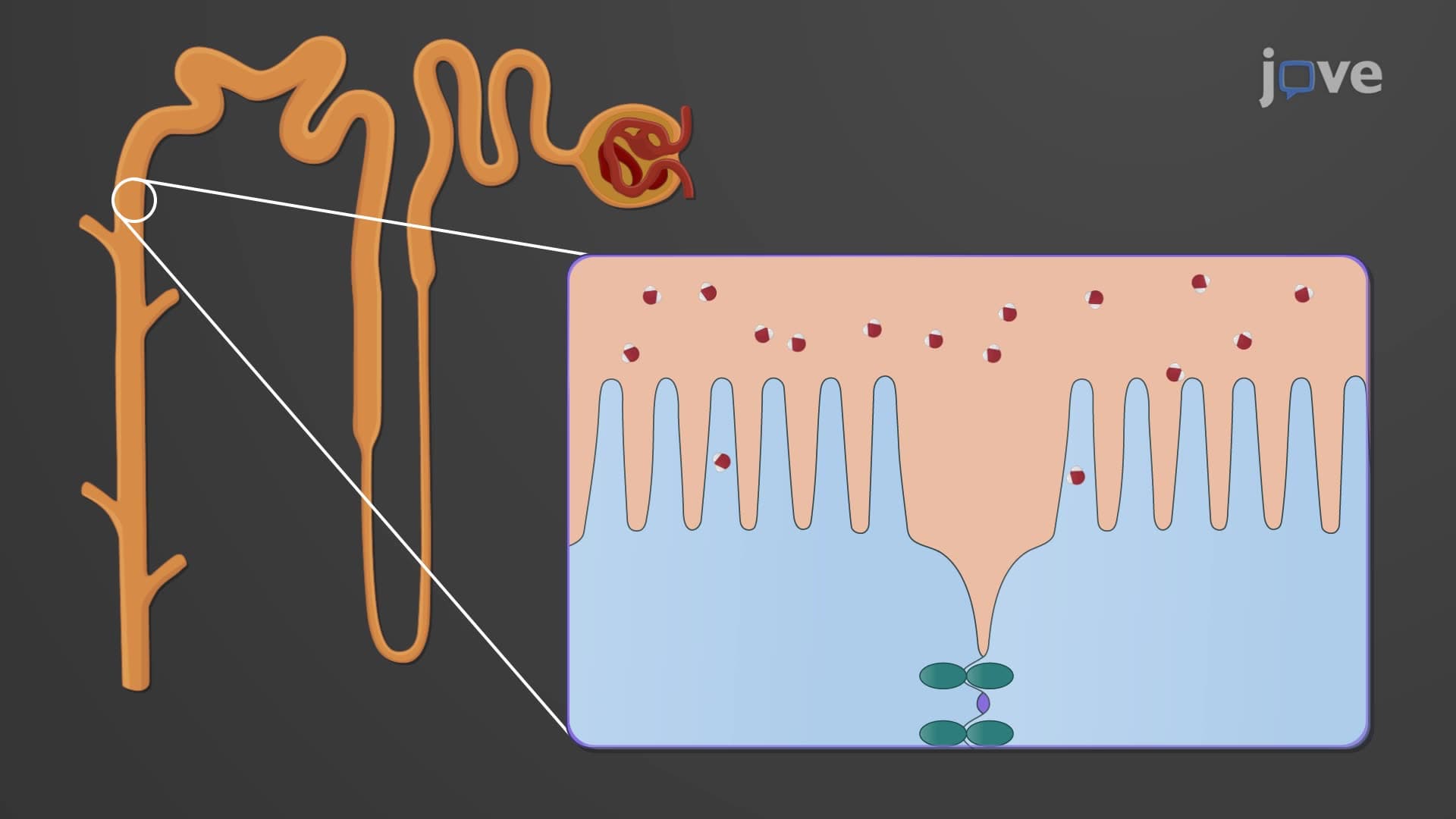
Renal compensation respiratory acidosis showcases the kidneys' remarkable ability to adjust bicarbonate handling. In chronic obstructive pulmonary disease (COPD), affecting 16 million Americans, impaired CO2 elimination leads to respiratory acidosis. The kidneys respond by increasing bicarbonate reabsorption and hydrogen ion secretion, processes that take 2-5 days to reach maximum effectiveness.
During respiratory alkalosis-common in anxiety-induced hyperventilation-the kidneys decrease bicarbonate reabsorption and reduce hydrogen ion secretion. This pH compensation buffer system demonstrates how renal compensation provides long-term stability while respiratory compensation offers rapid response.
Understanding complete partial compensation proves crucial for MCAT, USMLE, and nursing board success. Complete compensation normalizes pH but maintains abnormal CO2 or bicarbonate levels. Partial compensation moves pH toward normal without fully correcting it. These concepts frequently appear in clinical vignettes where students must interpret arterial blood gas values and determine compensation status-a skill essential for future healthcare professionals working in critical care settings across American hospitals.
Related Micro-courses