Loading subject page…


38,684 views


Video Summary: What Is Fluid Movement Between Compartments
Ever wonder why your ankles swell during a long flight or how your kidneys know when to filter more water? Fluid movement compartments biology governs these everyday phenomena through precise pressure gradients. What is Fluid Movement Between Compartments involves hydrostatic and osmotic forces that continuously shift water between your blood vessels, tissues, and cells. For instance, when U.S. hospital patients receive IV fluids, medical staff must understand these compartmental shifts to prevent dangerous fluid overload. Watch the full video on JoVE Coach to master this concept with expert-led visuals and step-by-step explanations.
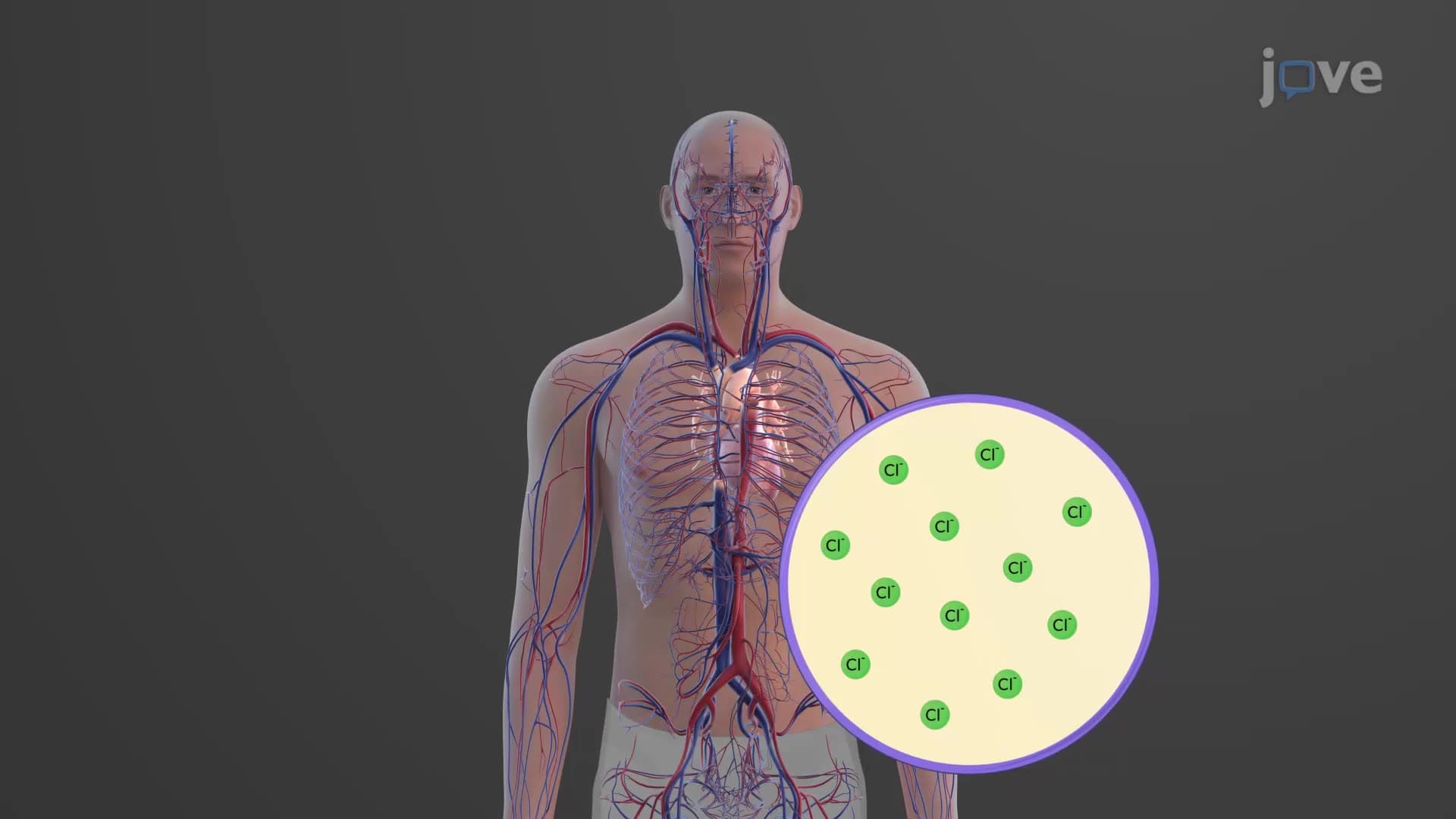
The human body maintains approximately 60% of its weight as water, distributed across three distinct compartments that constantly exchange fluid through sophisticated pressure-driven mechanisms. Intercompartmental fluid movement represents one of physiology's most elegant regulatory systems, ensuring cellular nutrition while preventing dangerous fluid accumulation.
Named after British physiologist Ernest Starling, these forces govern capillary fluid shift through four key pressures. Capillary hydrostatic pressure, generated by the heart's pumping action, reaches approximately 35 mmHg at the arterial end, forcing plasma and dissolved nutrients through capillary walls into surrounding tissues. This pressure decreases to about 15 mmHg at the venous end, where plasma oncotic pressure (around 25 mmHg) becomes the dominant force, drawing fluid back into circulation.
U.S. medical students studying for the MCAT encounter Starling's equation frequently: Net filtration = (Pc - Pi) - (πc - πi), where P represents hydrostatic pressures and π represents oncotic pressures across capillary (c) and interstitial (i) spaces. This relationship explains why patients with liver disease, who cannot produce adequate albumin proteins, develop ascites and peripheral edema.
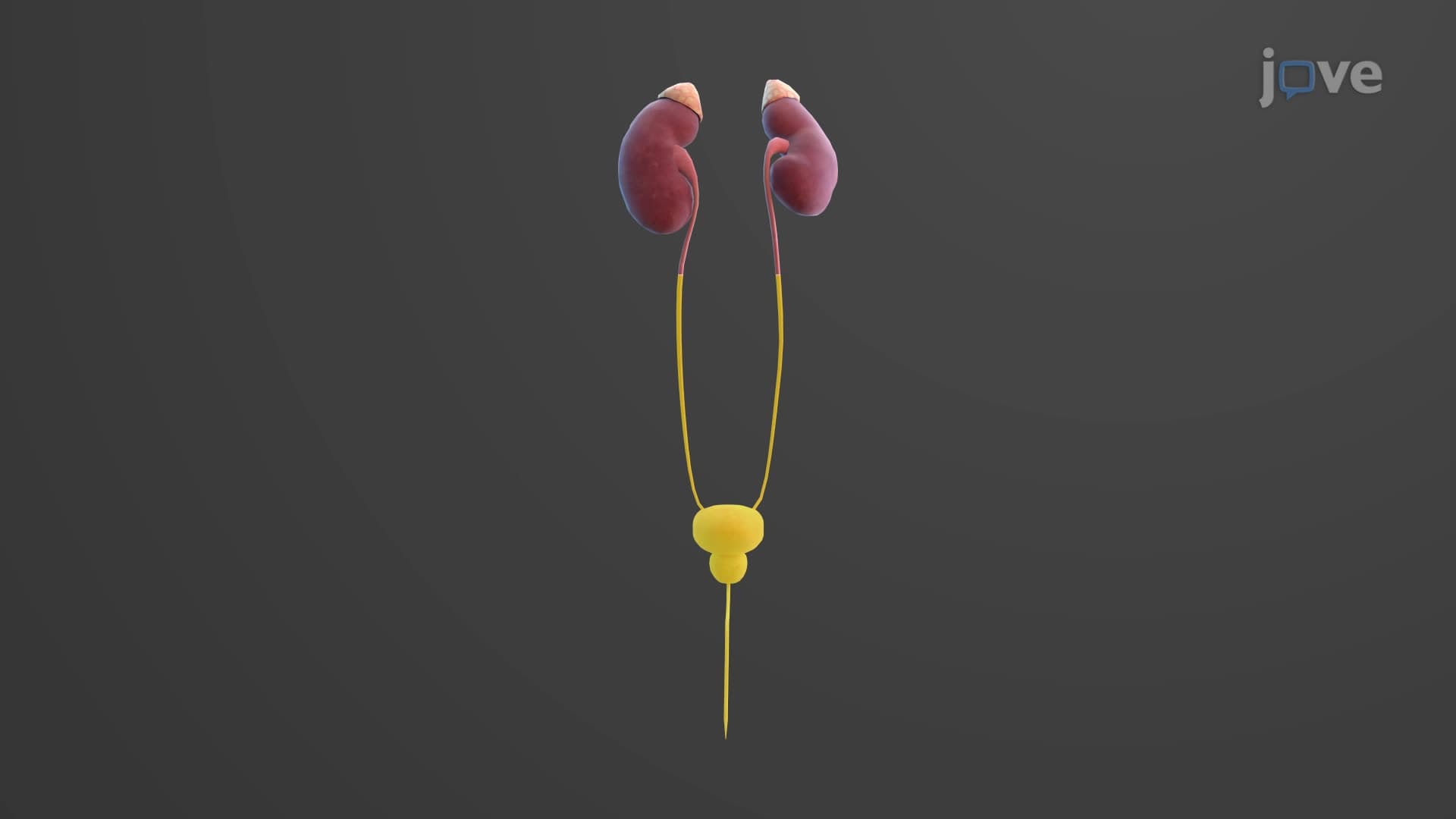
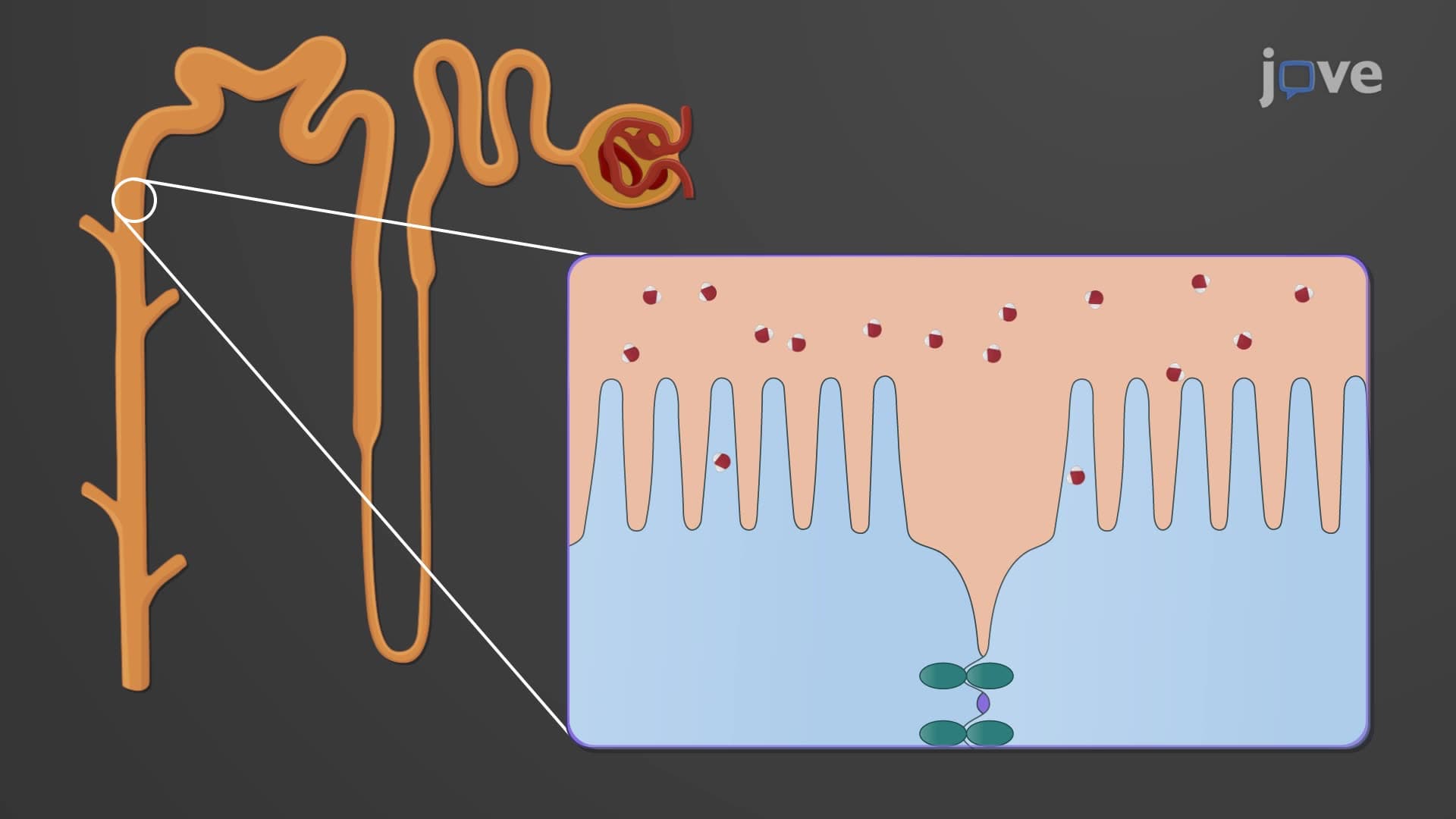
The kidneys exemplify hydrostatic pressure's regulatory power through glomerular filtration. Normal glomerular capillary pressure of 60 mmHg drives filtration of approximately 180 liters daily, yet only 1-2 liters become urine. When blood pressure drops below 80 mmHg systolic-common during dehydration or shock-kidney function becomes compromised, as insufficient hydrostatic pressure cannot drive adequate filtration.
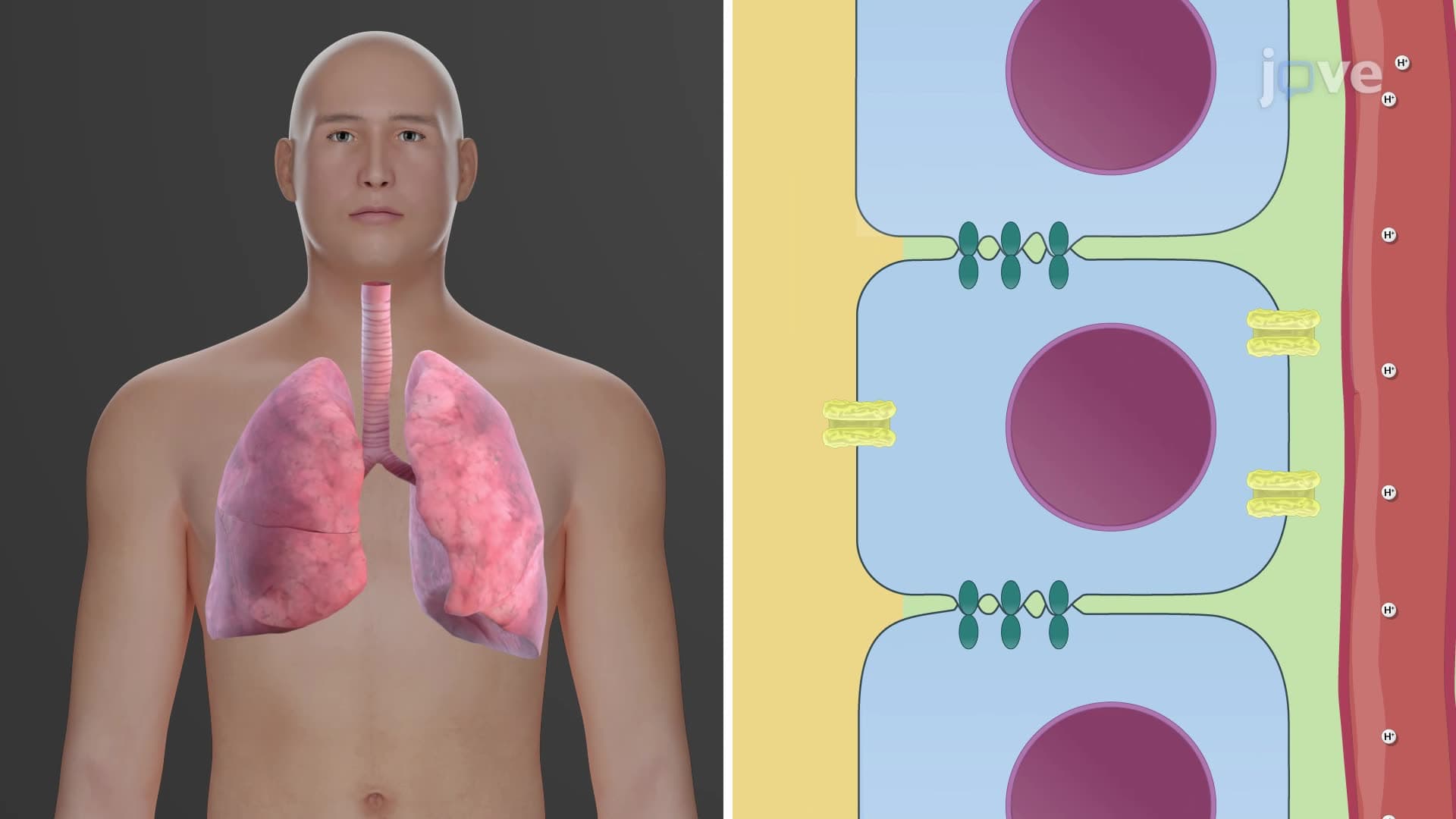
Healthcare providers across U.S. hospitals regularly observe pathological fluid movement. Heart failure patients develop pulmonary edema when increased capillary hydrostatic pressure overwhelms osmotic reabsorption forces. Conversely, patients with hypoproteinemia from malnutrition cannot generate sufficient oncotic pressure for fluid reabsorption, resulting in tissue swelling.
AP Biology students should understand that osmosis fluid compartment movement follows concentration gradients, with water moving toward areas of higher solute concentration. This principle explains why hypertonic saline solutions draw fluid from swollen brain cells during cerebral edema treatment, while hypotonic IV fluids can dangerously shift water into cells, causing hemolysis.
Related Micro-courses