Loading subject page…


38,684 views


Video Summary: What Is Phosphate Buffer
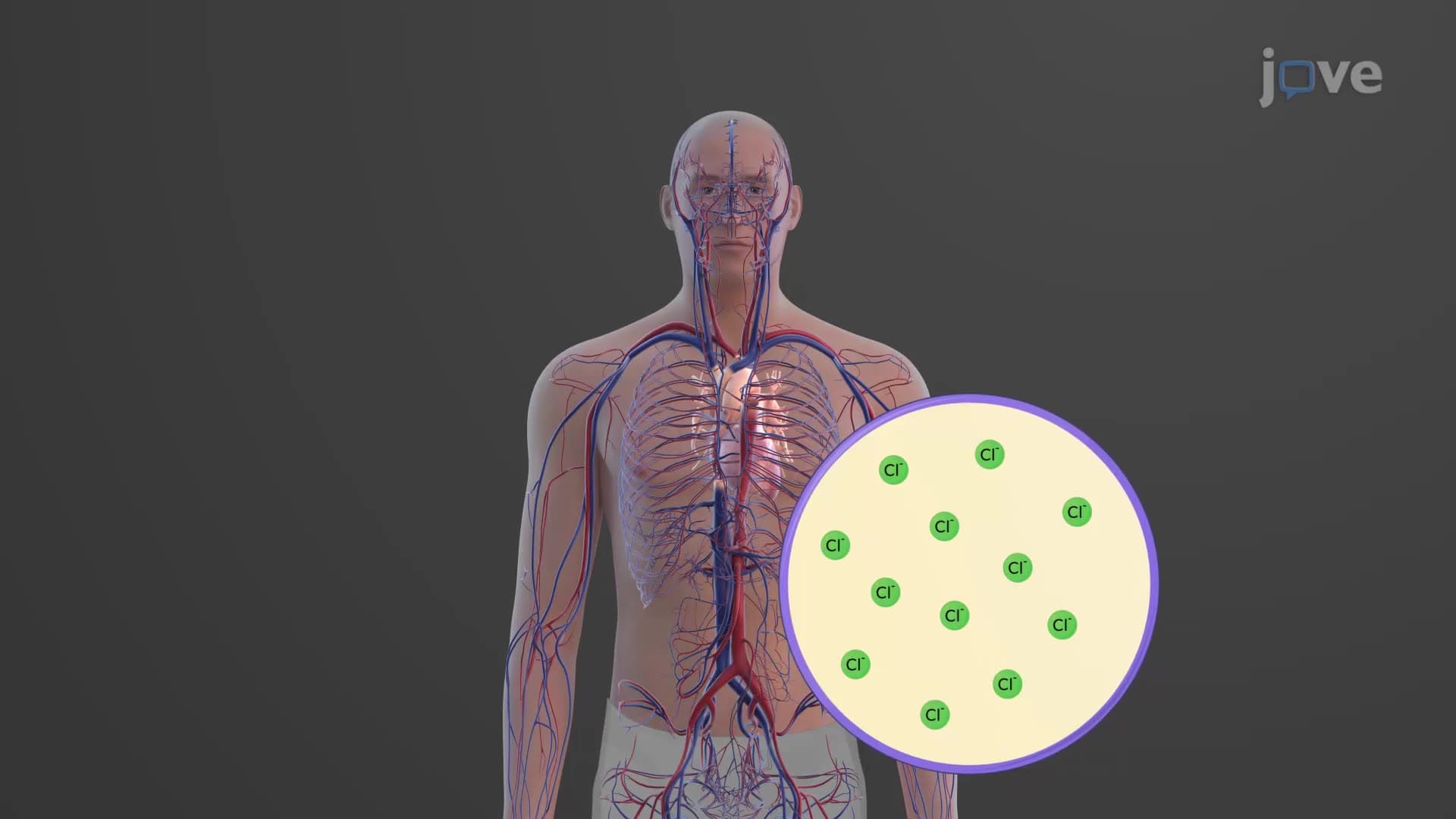
Ever wonder why your blood pH stays perfectly balanced at 7.4 even when you drink acidic soda or take antacids? The phosphate buffer biology explained through your body's ingenious chemical balancing act that keeps your cells functioning optimally. This buffering system operates continuously in your kidneys and inside every cell, preventing dangerous pH swings that could disrupt vital processes like enzyme function and protein structure. In US hospitals, understanding what is phosphate buffer helps medical professionals interpret urinalysis results and diagnose metabolic disorders. Watch the full video on JoVE Coach to master this concept with expert-led visuals and step-by-step explanations.
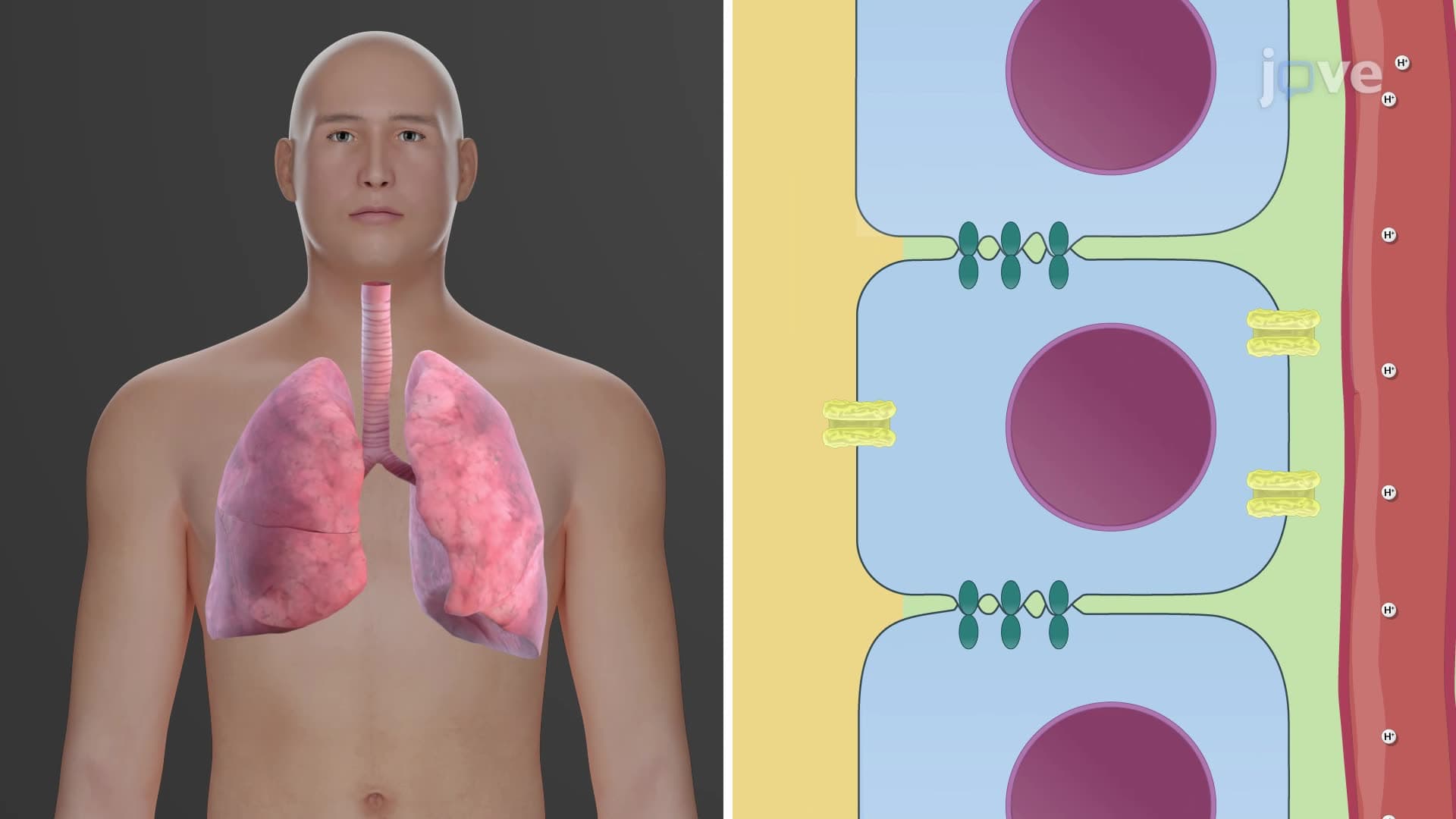
The phosphate buffering system explained reveals one of biochemistry's most elegant solutions to maintaining life-compatible pH levels. Unlike the bicarbonate buffer system that dominates blood plasma, the phosphate buffer system specializes in intracellular phosphate buffer regulation and renal phosphate buffering. This system operates using a conjugate acid-base pair: dihydrogen phosphate (H2PO4-) acting as the weak acid component, and hydrogen phosphate (HPO42-) serving as the weak base component.
When your cells produce acidic metabolic waste or encounter alkaline substances, the phosphate acid base system responds through predictable chemical reactions. In acidic conditions, the hydrogen phosphate ion (HPO42-) accepts excess hydrogen ions, forming dihydrogen phosphate (H2PO4-) and preventing dramatic pH drops. Conversely, when strong bases threaten cellular pH, dihydrogen phosphate releases hydrogen ions, neutralizing the base while forming more hydrogen phosphate. This dual-action mechanism explains why phosphate buffers excel in the pH range of 6.8 to 7.4-exactly where cellular processes occur optimally.
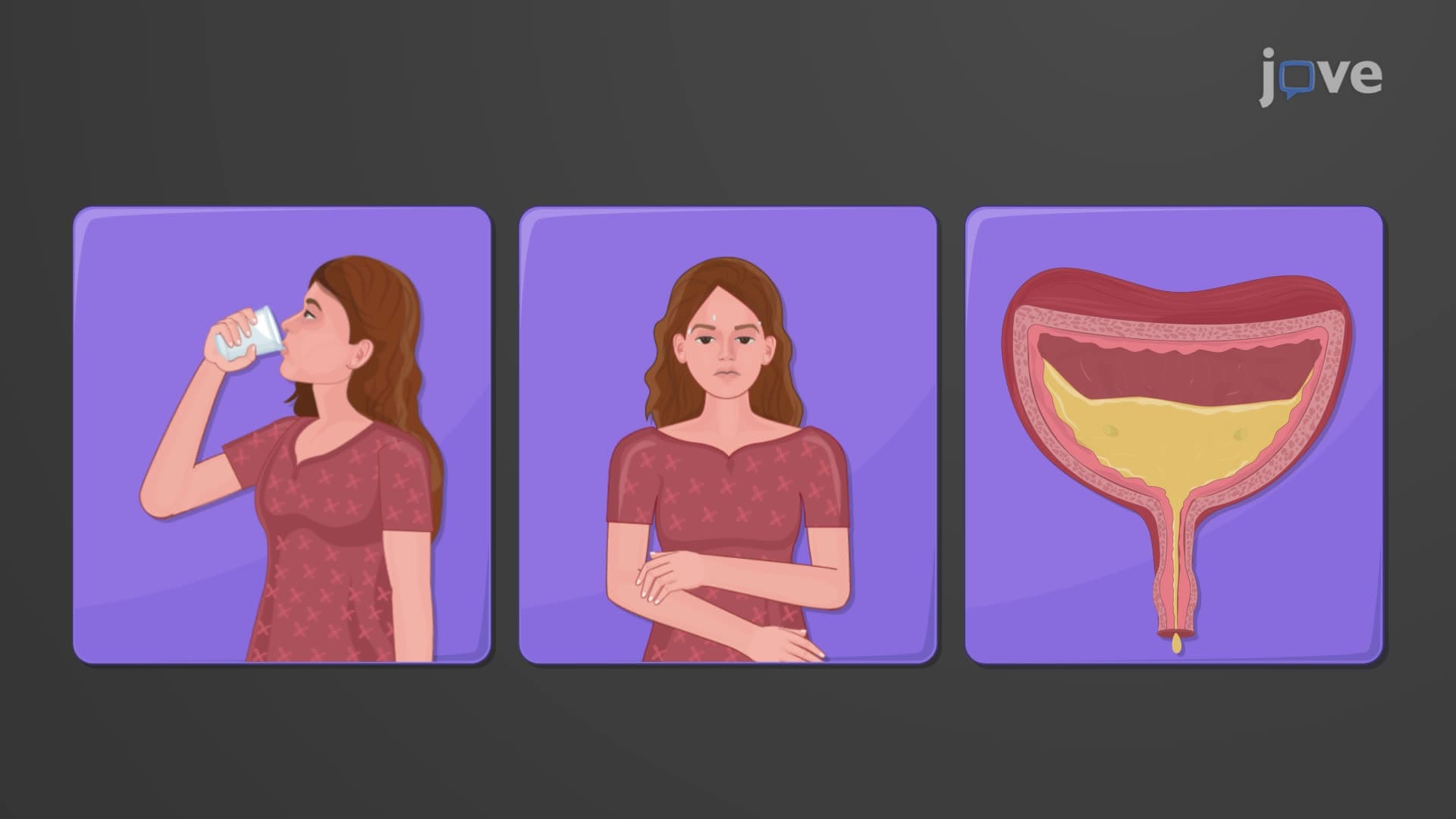
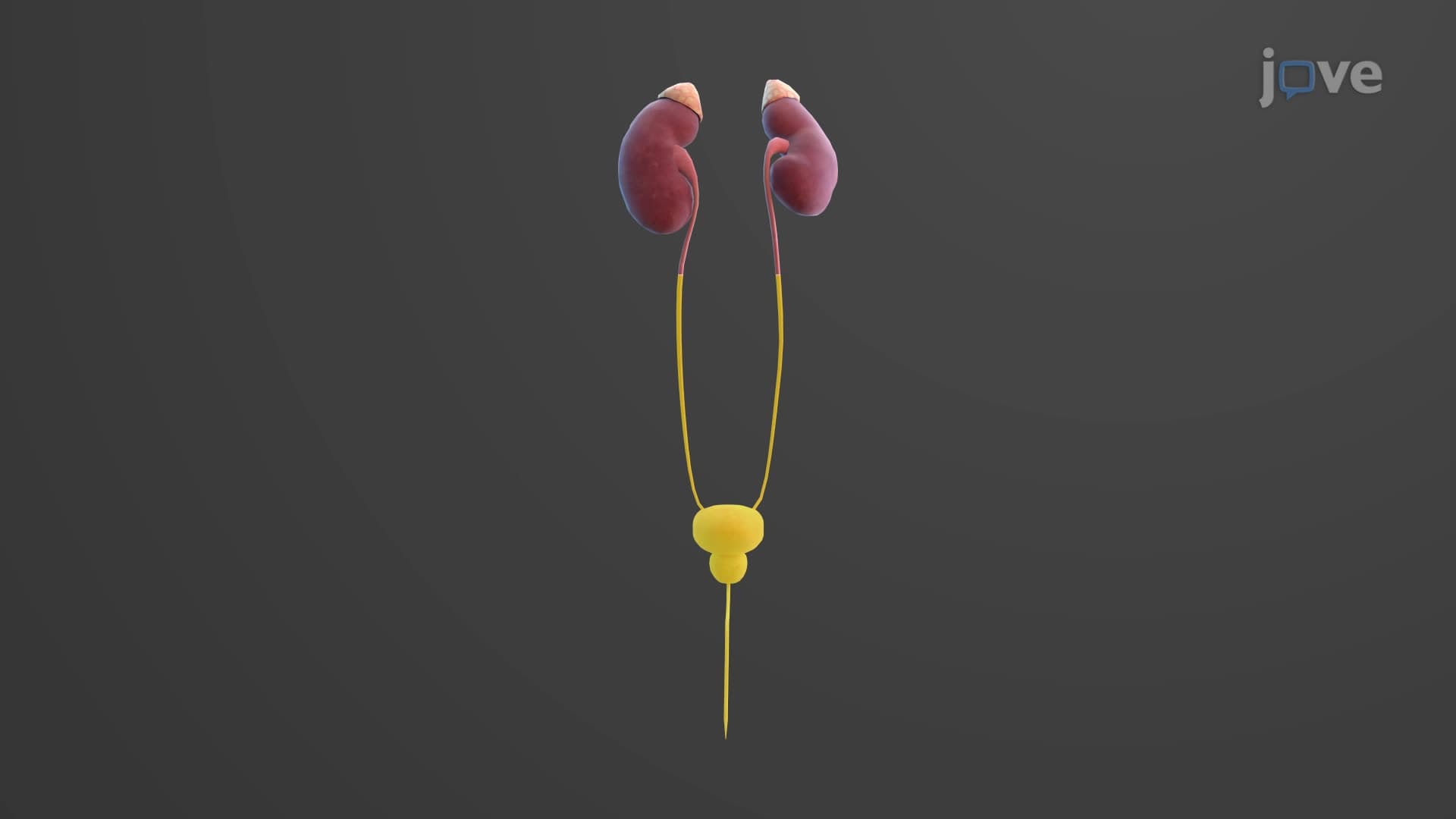
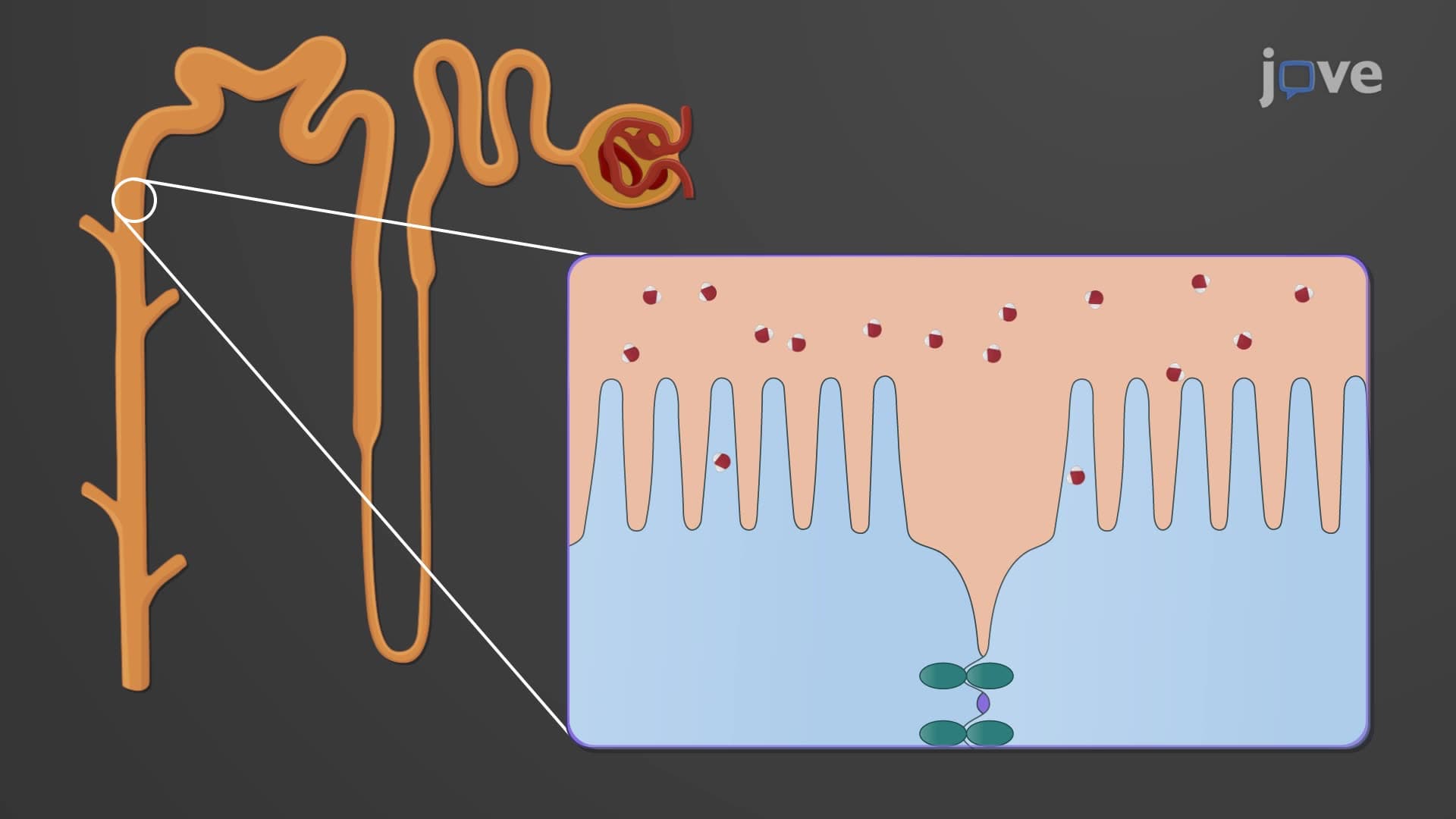
What is the phosphate buffer system in physiology becomes crystal clear when examining kidney function. Your kidneys filter approximately 180 liters of blood daily, and urine phosphate buffer prevents urinary pH from becoming dangerously acidic or basic. Medical schools across the US teach that phosphate buffering capacity directly correlates with kidney health-decreased phosphate buffering often signals chronic kidney disease. This concept frequently appears on MCAT passages testing students' understanding of renal physiology and acid-base balance.
US medical licensing exams like the USMLE emphasize phosphate buffer dysfunction in disease states. Diabetic ketoacidosis, commonly seen in American emergency departments, overwhelms the phosphate buffering system as ketone bodies accumulate. Similarly, chronic kidney disease patients often require phosphate binders to prevent hyperphosphatemia. AP Biology students encounter phosphate buffers when studying cellular respiration and photosynthesis, where ATP and phosphate groups constantly cycle through biochemical pathways. College-level biochemistry courses expand this foundation, requiring students to calculate buffer capacity and predict pH changes in laboratory scenarios mimicking physiological conditions.
Related Micro-courses