Loading subject page…


112,207 views


Video Summary: Cardiac Output and Stroke Volume Explained
Did you know your heart pumps about 5 liters of blood every minute-roughly equivalent to a large bottle of soda? Understanding cardiac output stroke volume relationships is crucial for grasping how your cardiovascular system adapts during exercise, from a resting state to sprinting across a basketball court during high school athletics. The concept of Cardiac Output And Stroke Volume Explained reveals how your heart's efficiency directly impacts athletic performance and overall health. Watch the full video on JoVE Coach to master this concept with expert-led visuals and step-by-step explanations.
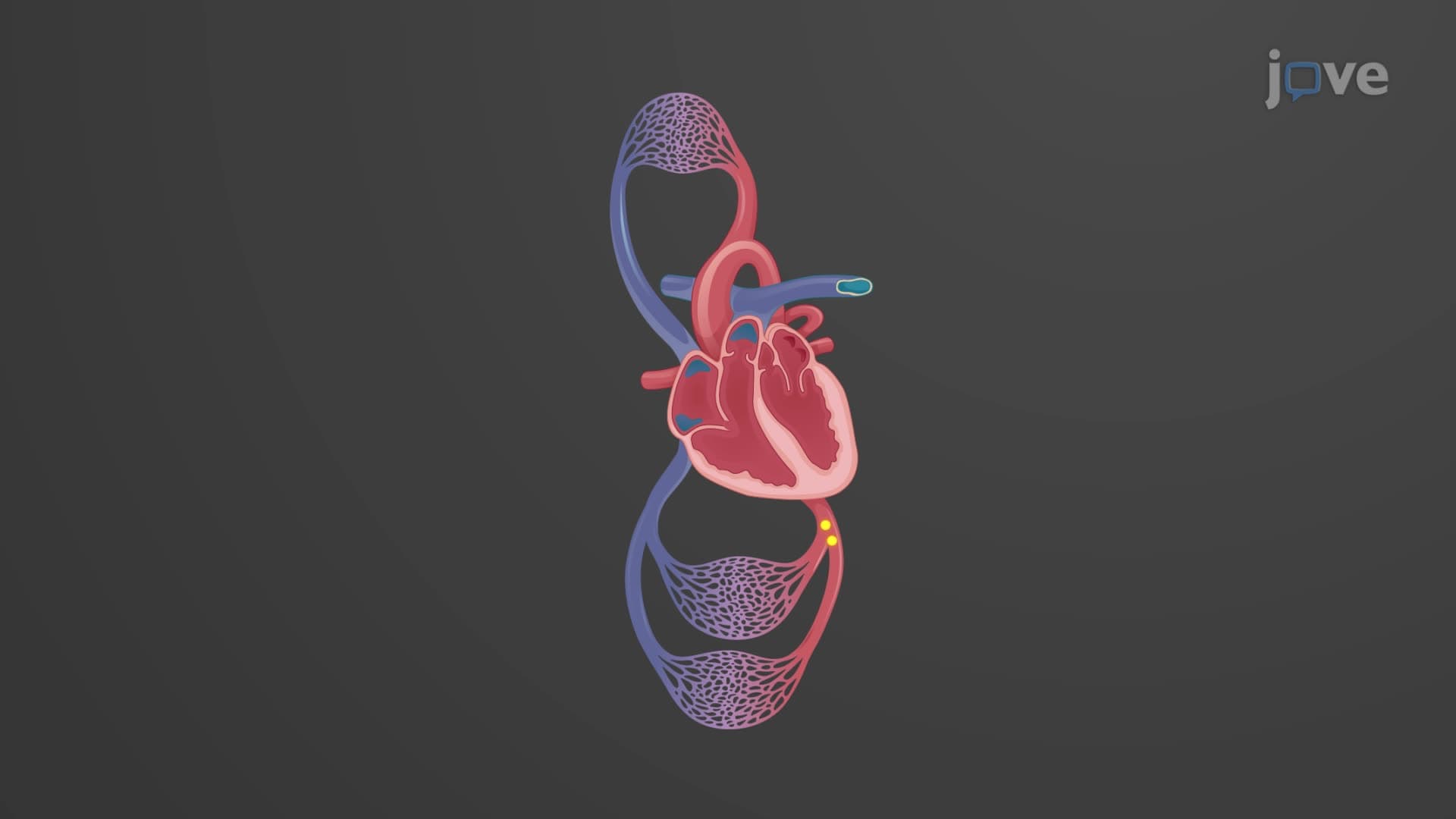
Cardiac output stroke volume represents one of the most fundamental relationships in cardiovascular physiology. Cardiac output (CO) measures the total blood volume your heart pumps per minute, calculated using the simple yet powerful formula: CO = HR × SV. This equation forms the foundation for understanding cardiovascular function in both healthy individuals and patients with heart disease.
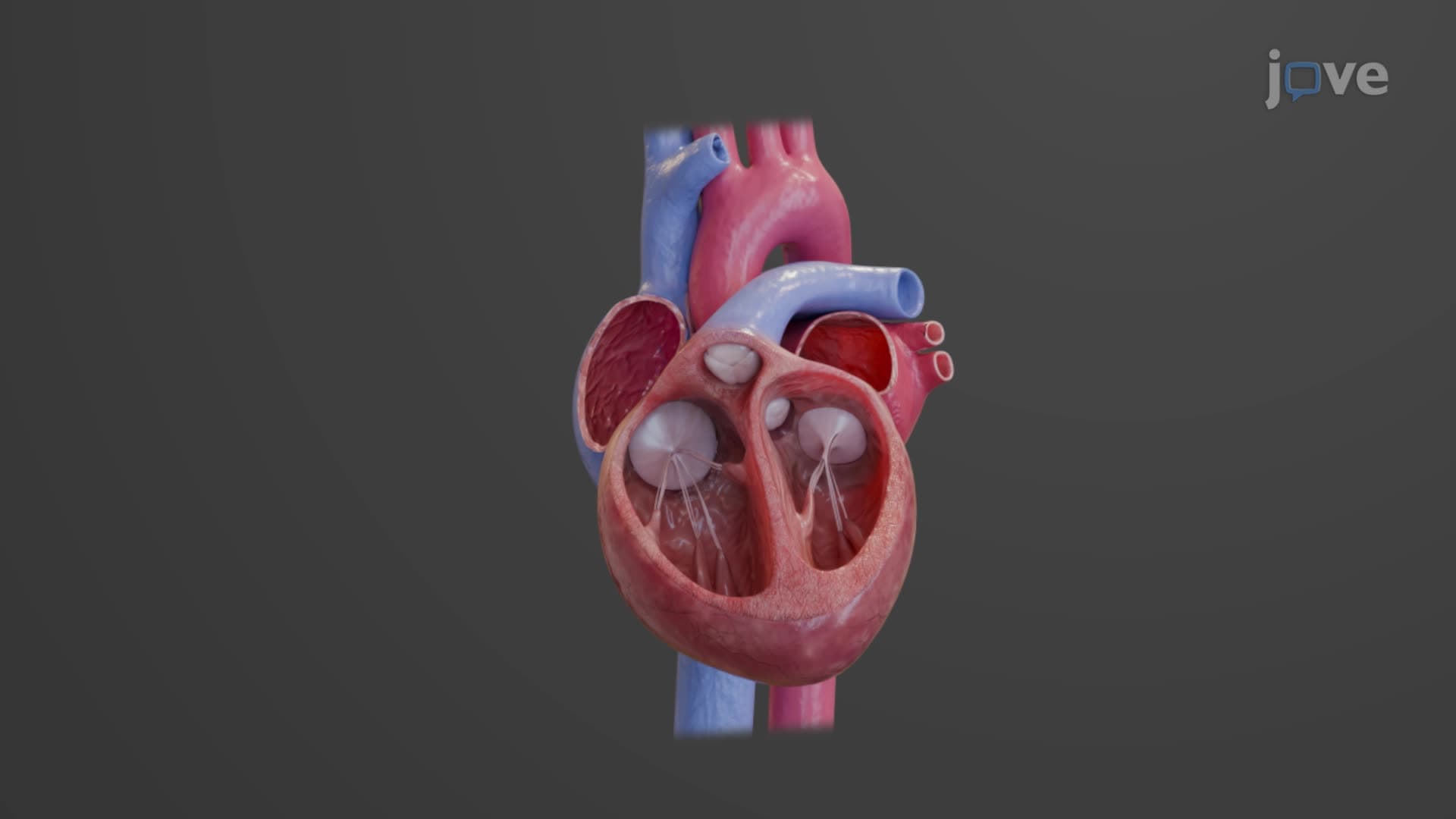
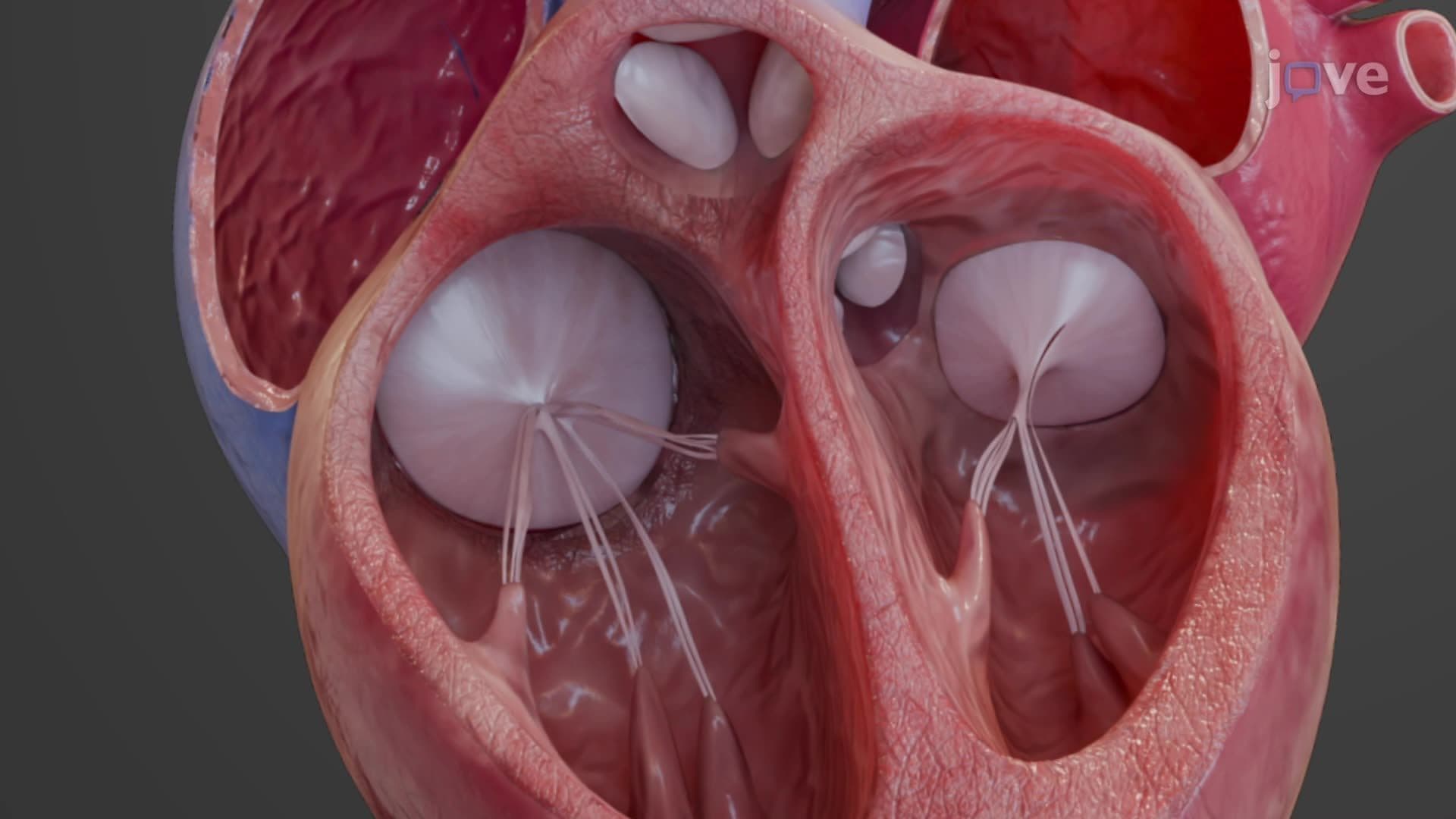
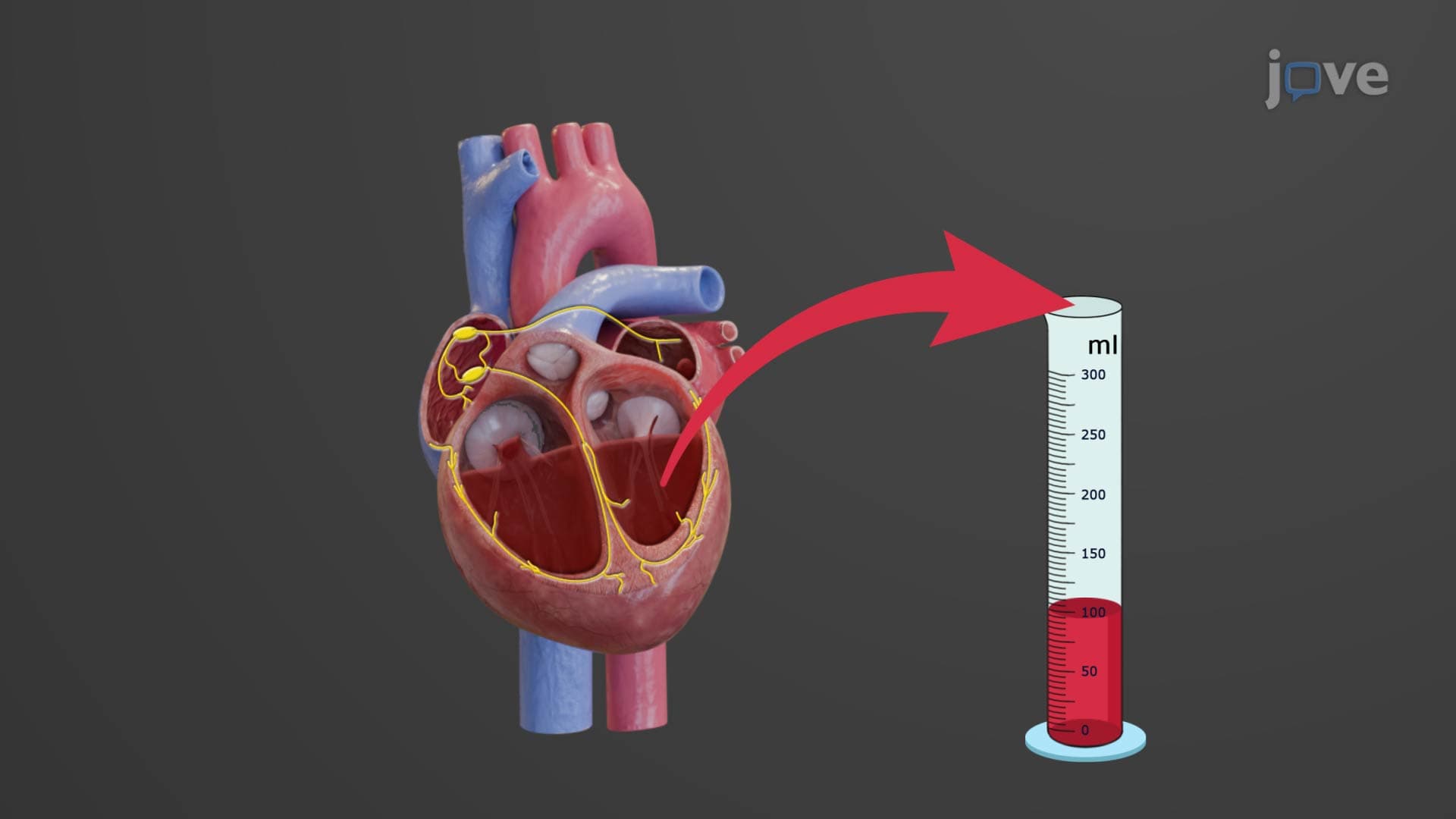
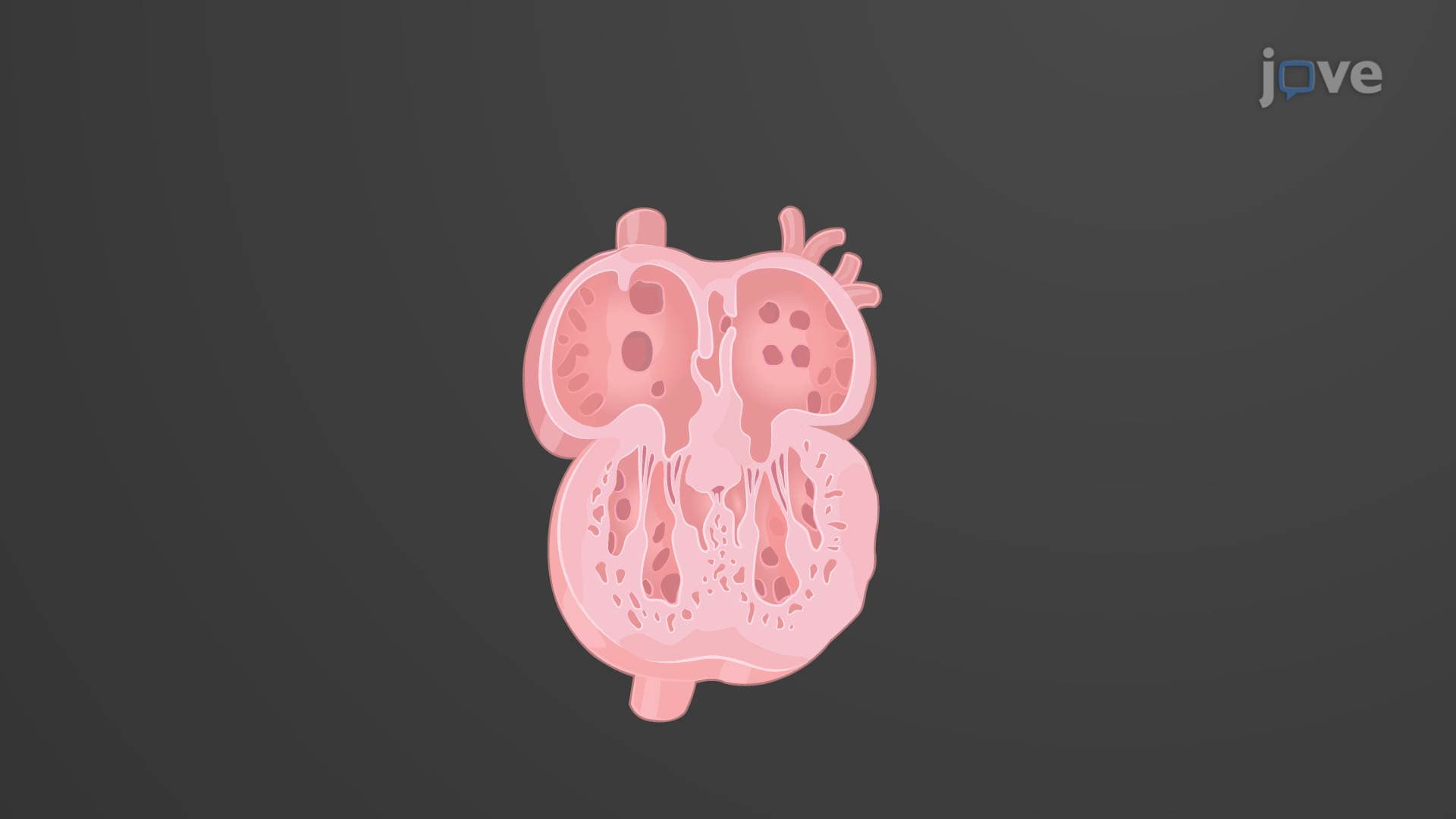
Stroke volume depends on the difference between end-diastolic volume (EDV) and end-systolic volume (ESV). During diastole, your left ventricle fills with approximately 120-130 mL of blood (EDV). After contraction (systole), about 50-60 mL remains (ESV), meaning your stroke volume equals roughly 70 mL per beat. This stroke volume EDV ESV relationship directly impacts how efficiently your heart delivers oxygen to tissues.
For college students preparing for the MCAT, understanding these volume relationships proves essential. Practice problems often involve calculating stroke volume when given EDV and ESV values, or determining how changes in preload (venous return) affect stroke volume through the Frank-Starling mechanism.
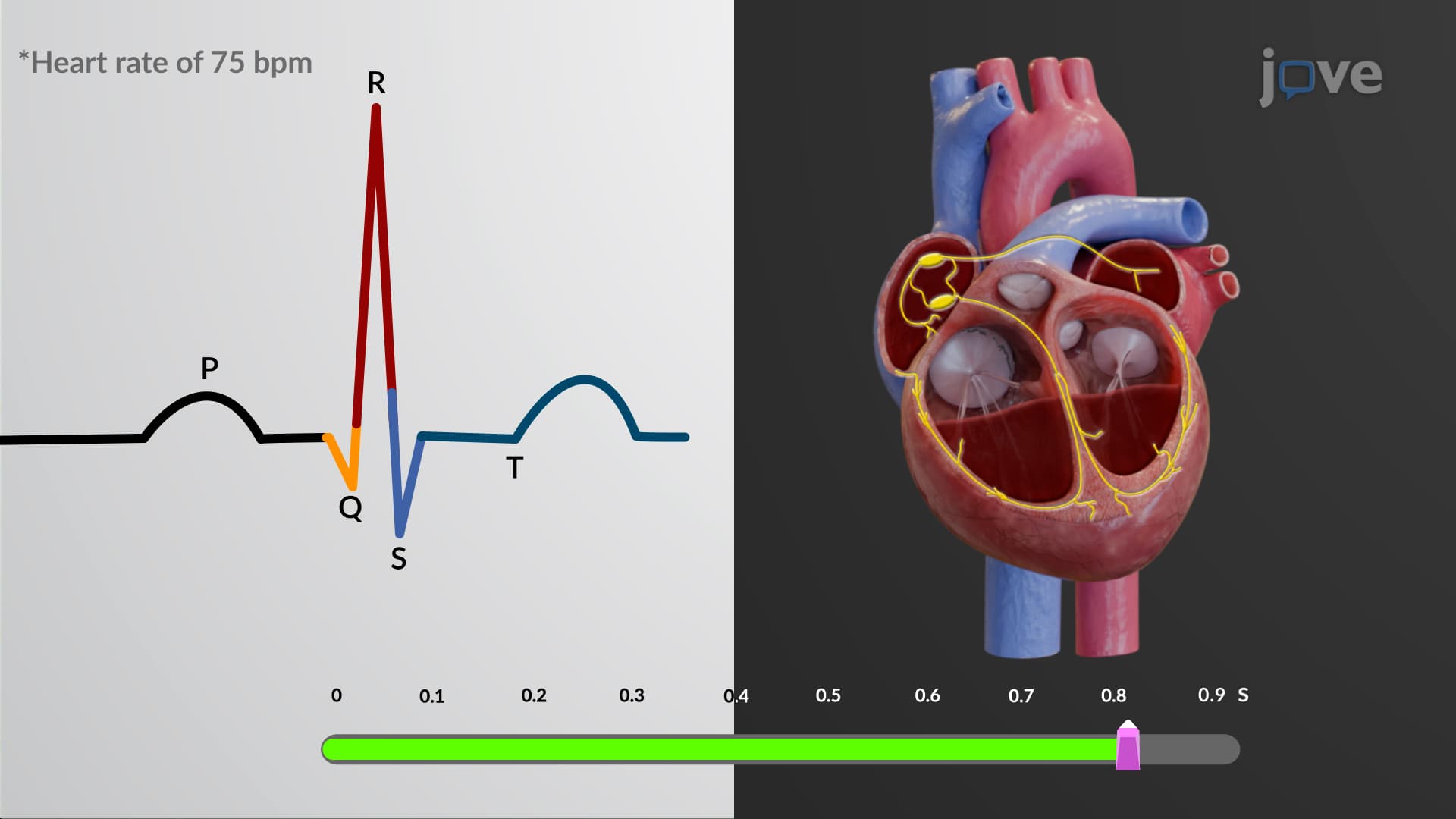
Normal cardiac output liters typically range from 4-6 L/min for healthy adults at rest. Using our example calculation: a heart rate of 75 beats/min × stroke volume of 70 mL/beat = 5,250 mL/min (5.25 L/min). However, these values dramatically increase during exercise-a phenomenon crucial for AP Biology students studying cardiovascular adaptations.
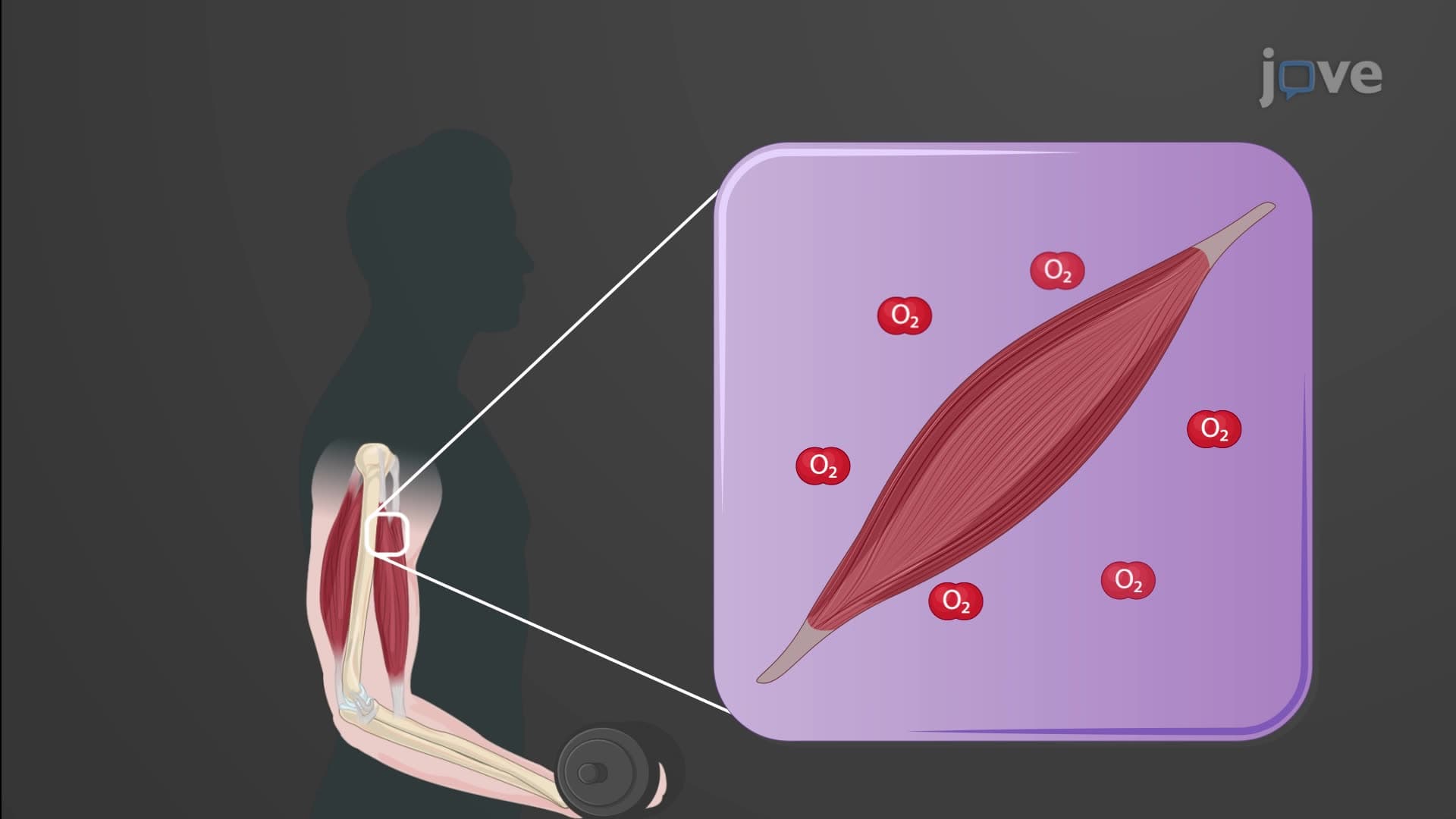
Athletes demonstrate remarkable cardiac adaptations. During intense exercise, heart rate can reach 180-200 beats/min while stroke volume increases to 100-120 mL/beat, producing cardiac outputs exceeding 20-25 L/min. This represents the concept of cardiac reserve-the difference between maximum and resting cardiac output.
Cardiac reserve varies significantly among populations. Healthy individuals typically maintain a cardiac reserve of 4-5 times their resting output, while elite athletes achieve 7-8 times. Conversely, patients with severe heart failure may have little to no cardiac reserve, limiting their exercise tolerance and daily activities.
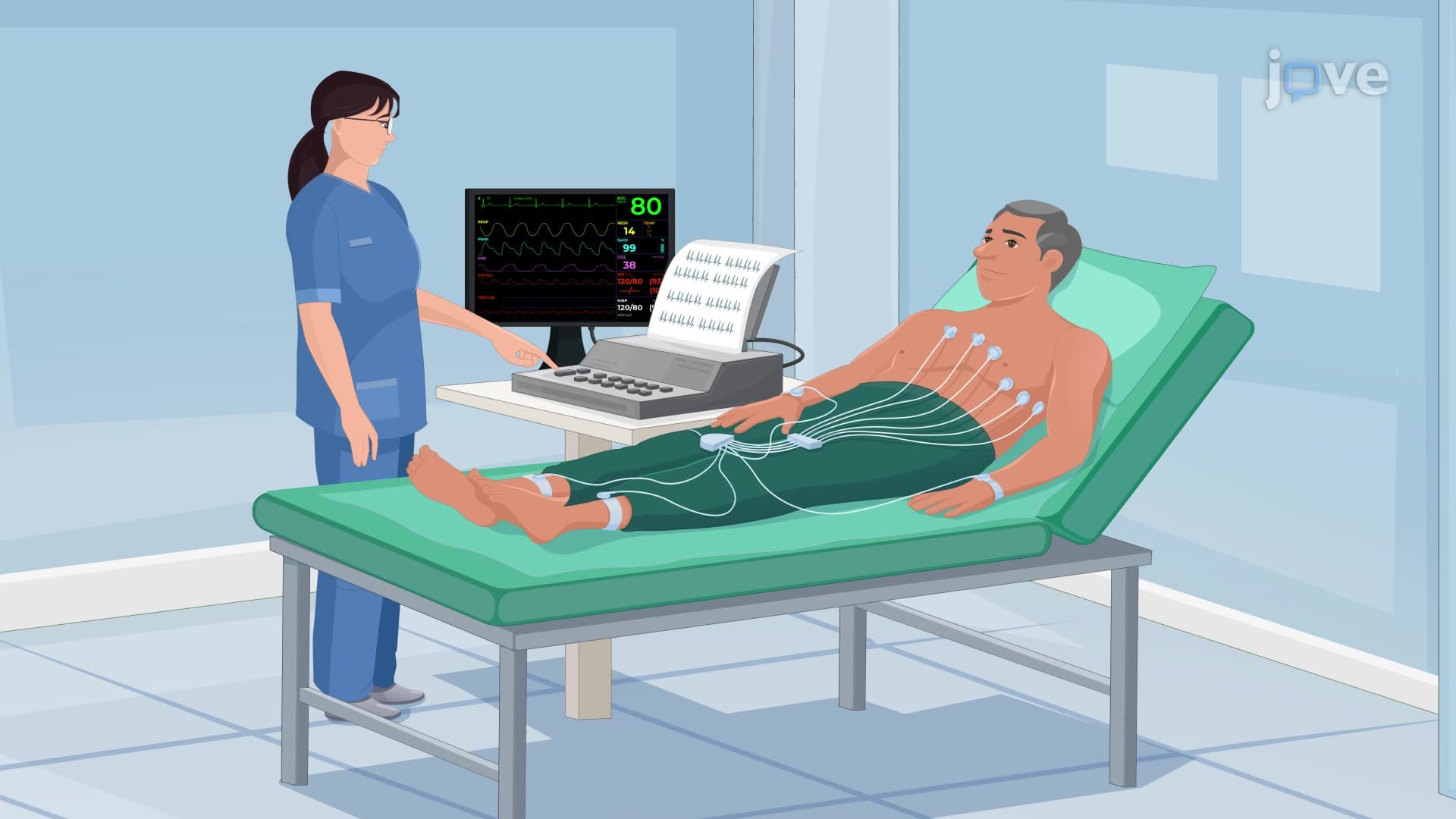
For students pursuing healthcare careers, understanding cardiac output measurement proves vital for NCLEX and HESI A2 preparation. Nurses regularly monitor cardiac output in ICU settings using thermodilution catheters or non-invasive methods, making this concept directly applicable to clinical practice.
Related Micro-courses