Loading subject page…


112,207 views

Video Summary: Overview of Systemic and Pulmonary Circulation Explained
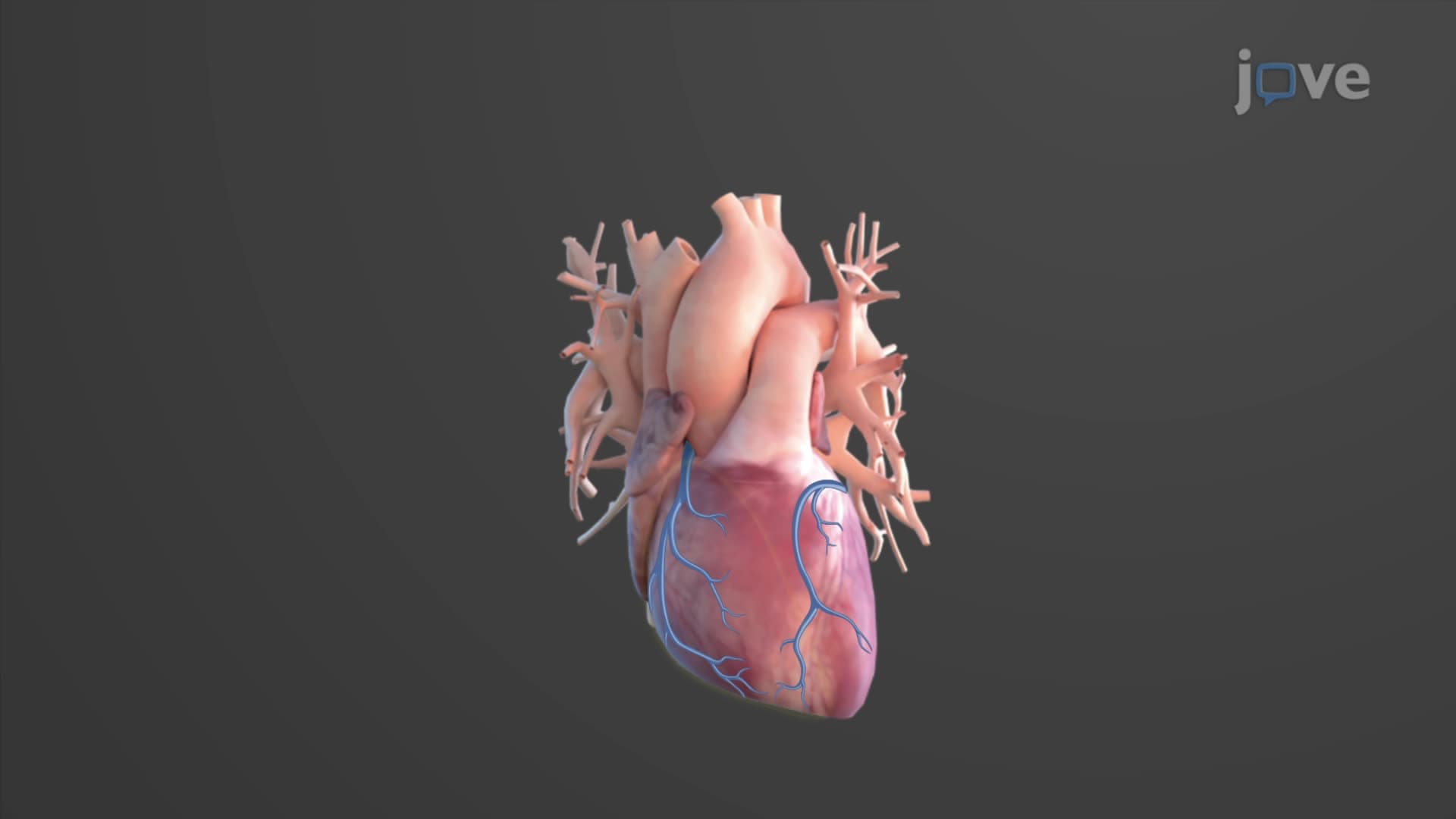
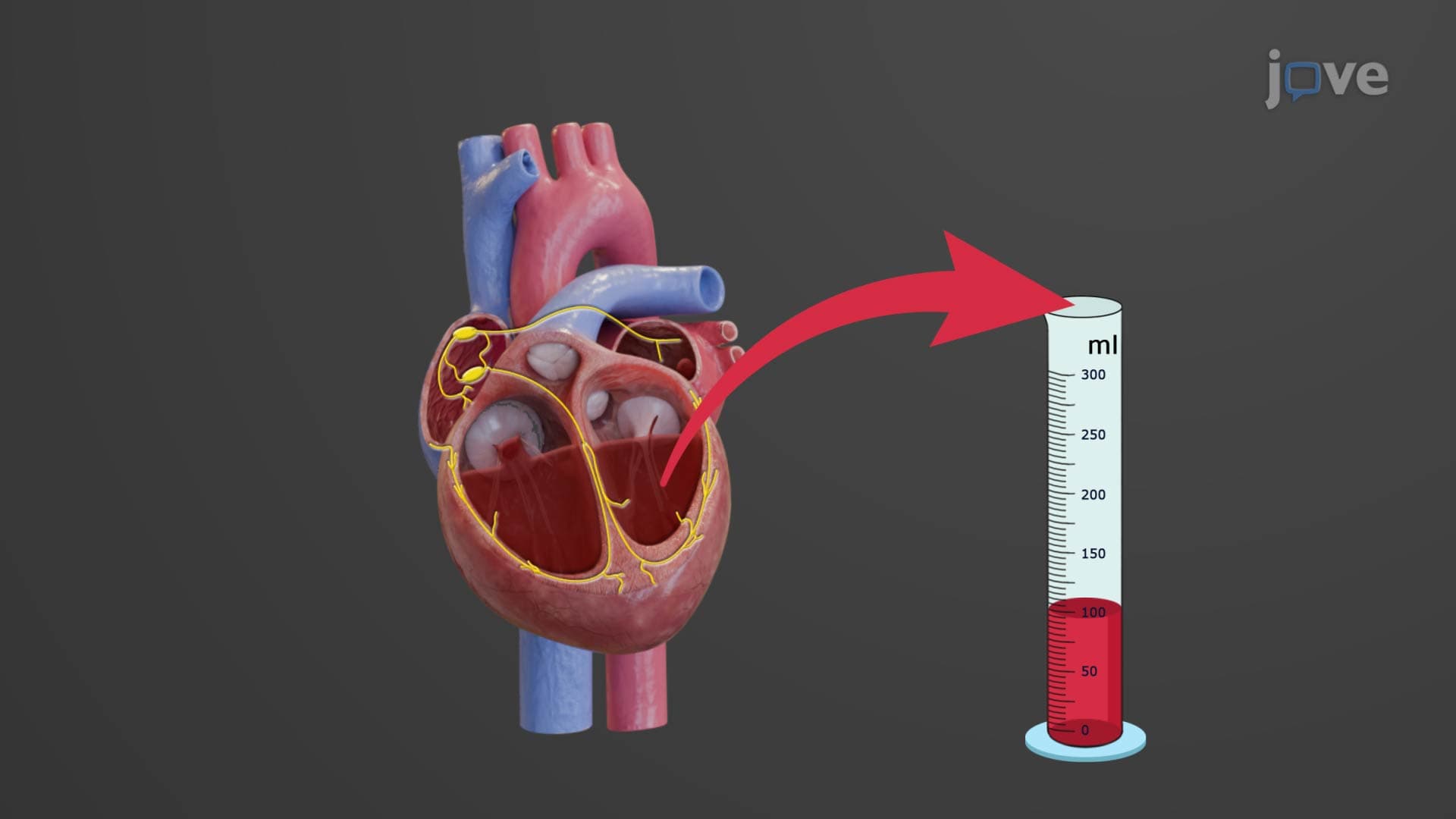
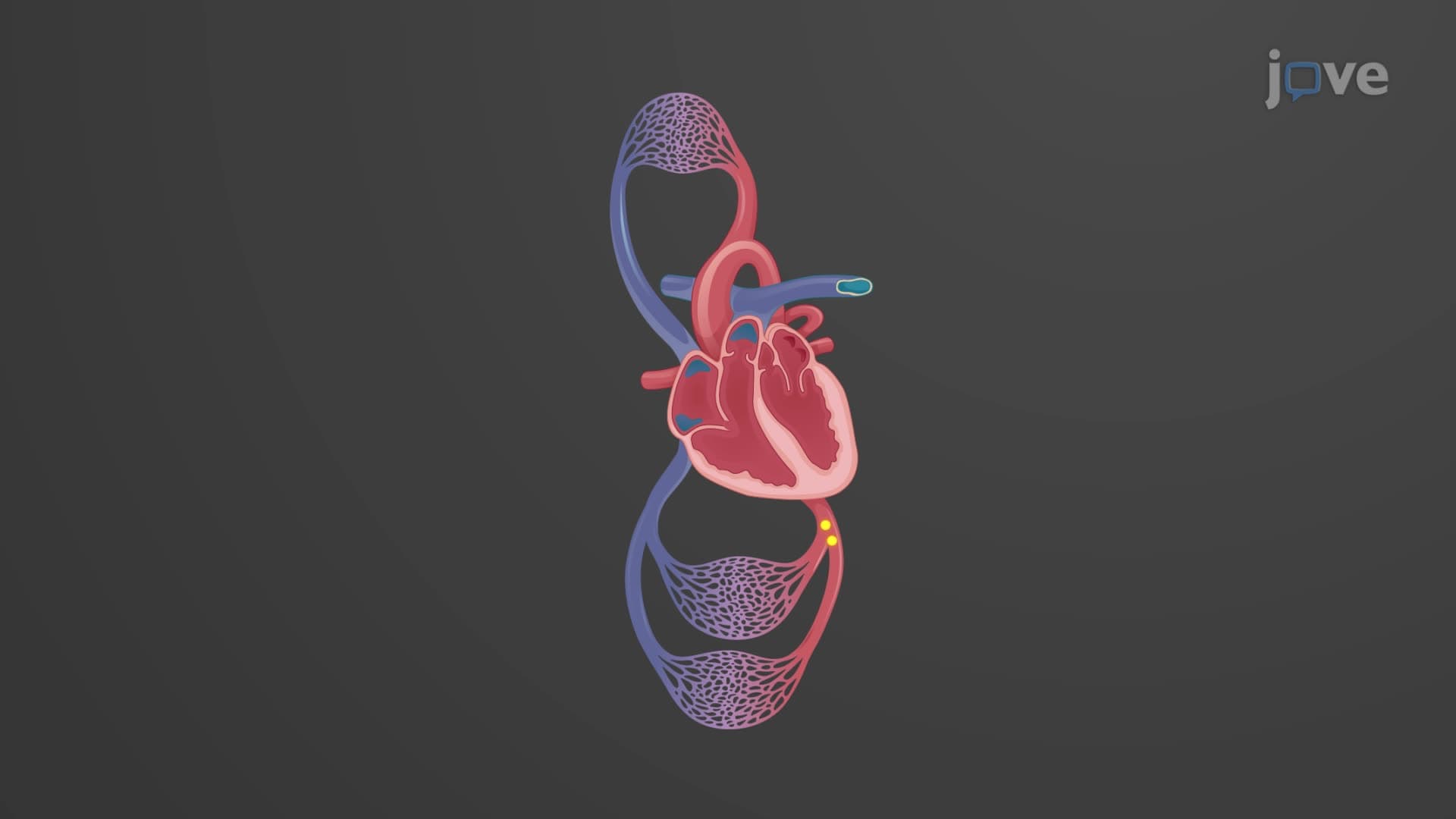
Every minute, your heart pumps approximately 5 liters of blood through two distinct pathways that keep you alive. This systemic pulmonary circulation overview reveals how your cardiovascular system operates as a dual-circuit system, with each pathway serving a unique purpose. When medical students at Johns Hopkins study cardiac catheterization procedures, they must first master how the Overview of Systemic And Pulmonary Circulation Explained demonstrates the heart's role as a double pump. Watch the full video on JoVE Coach to master this concept with expert-led visuals and step-by-step explanations.
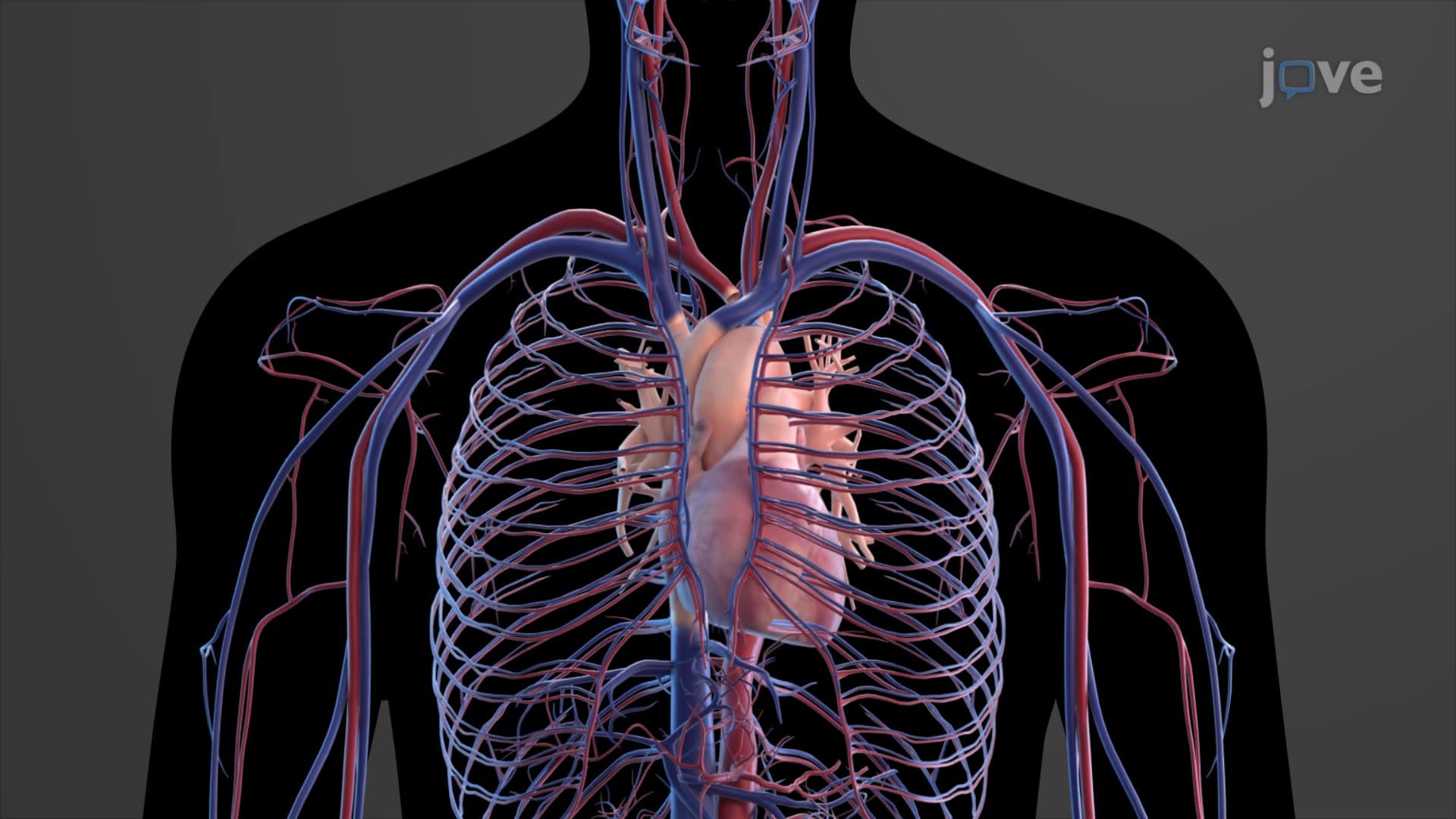
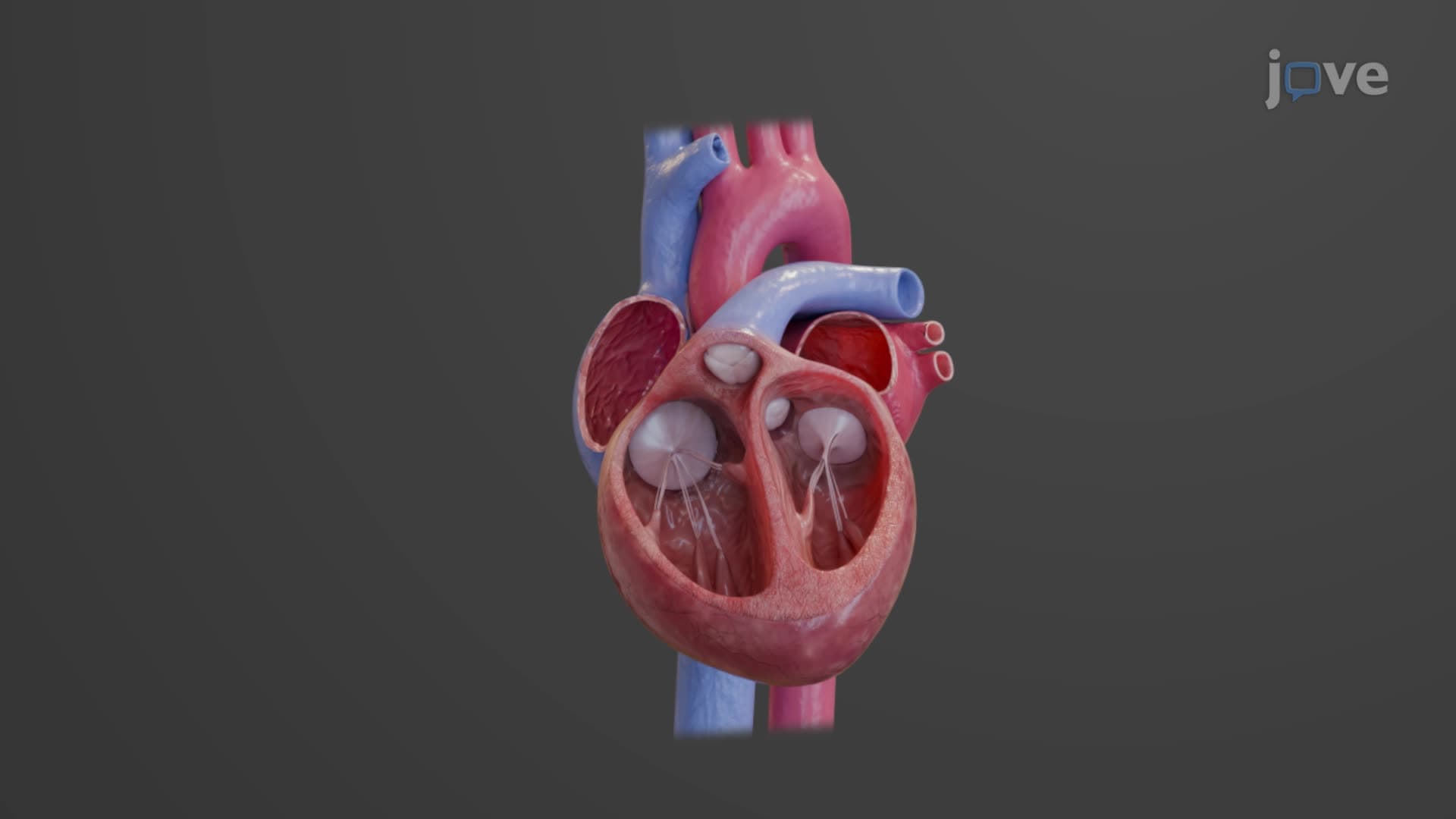
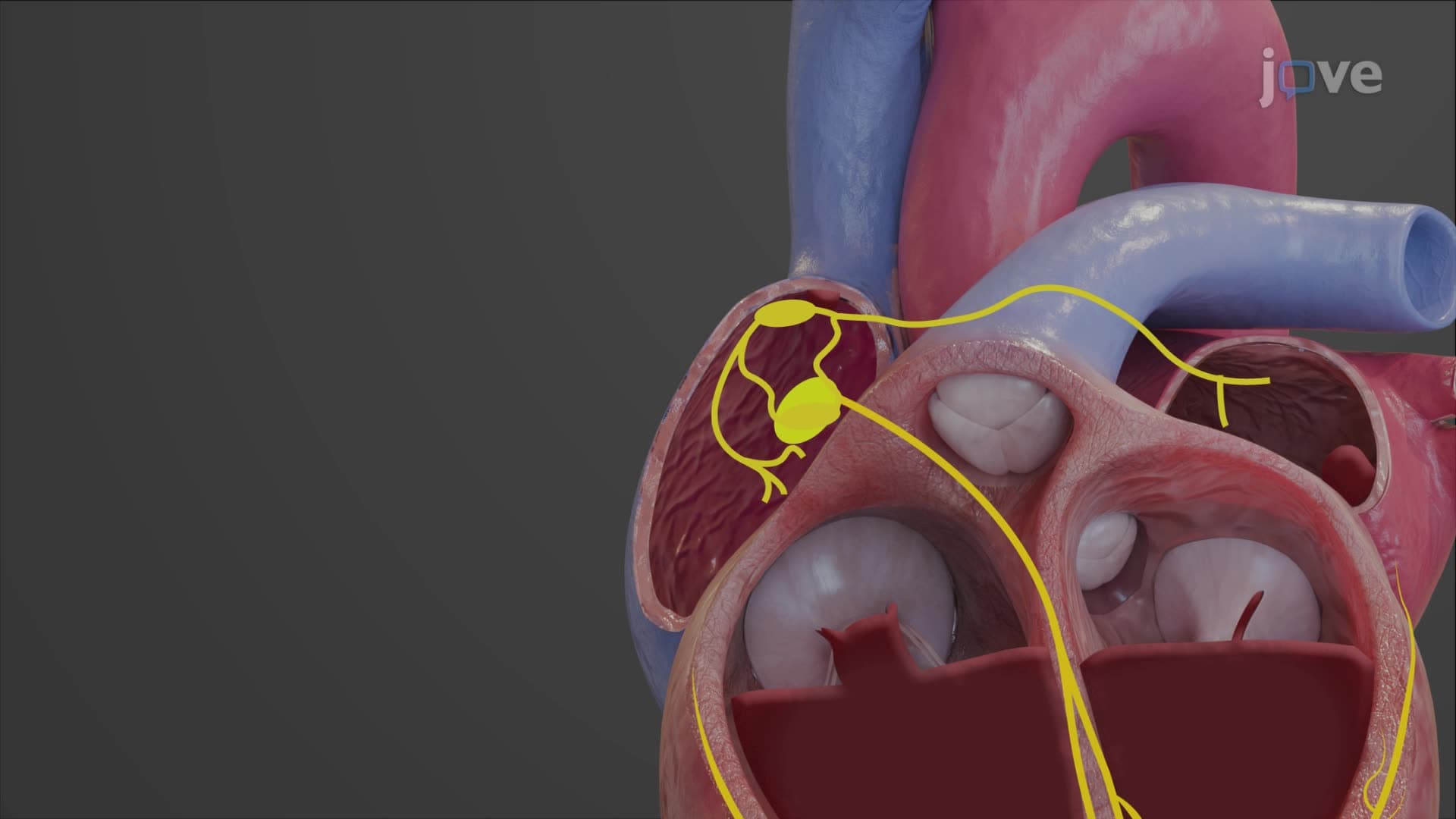
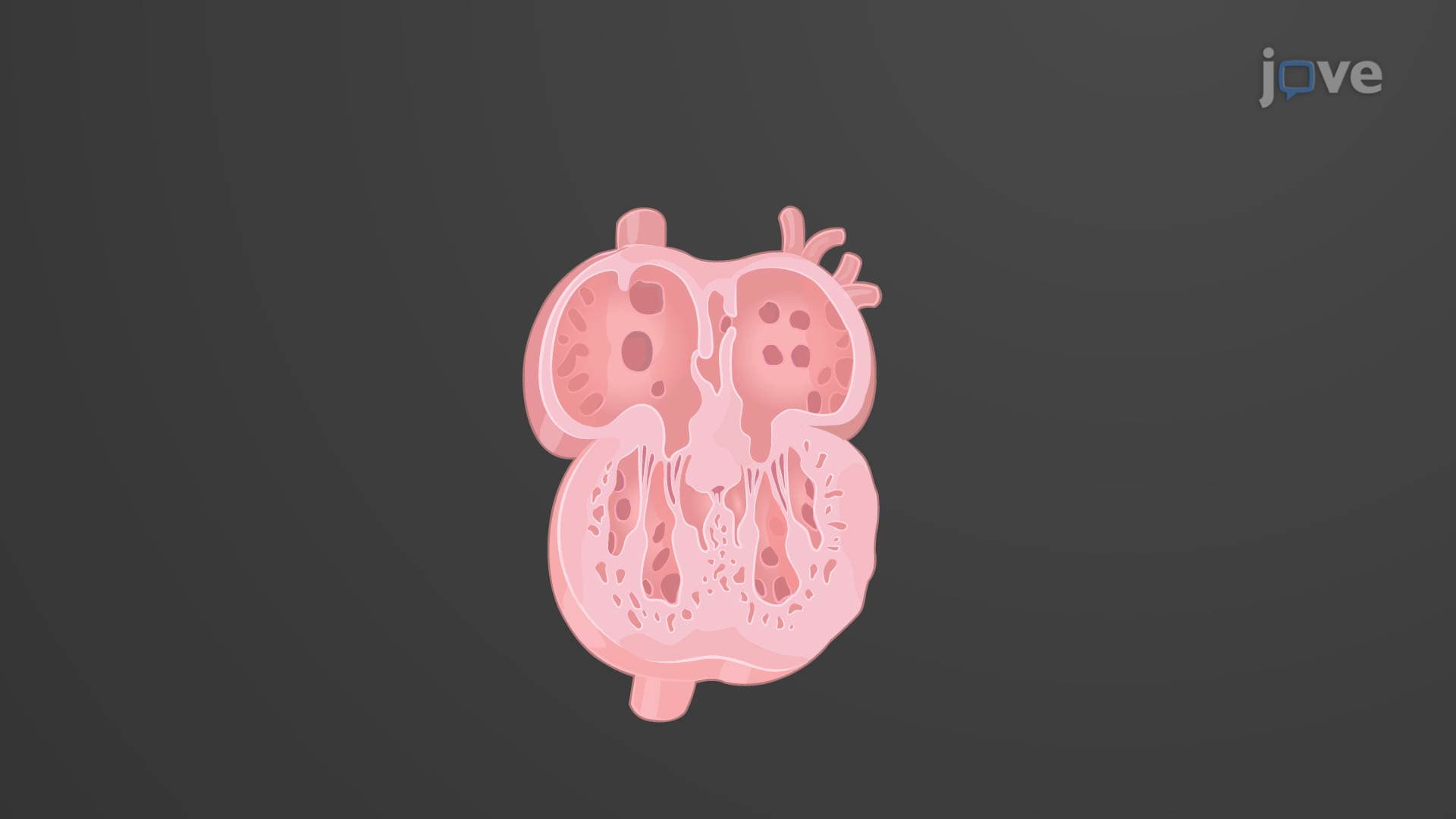
The human cardiovascular system operates through two complementary circuits that work in perfect synchronization. This dual circuit heart design ensures efficient oxygen delivery while maintaining optimal blood pressure throughout the body. Unlike single-circuit systems found in fish, mammals evolved this sophisticated dual-pathway approach to meet the high metabolic demands of warm-blooded organisms.
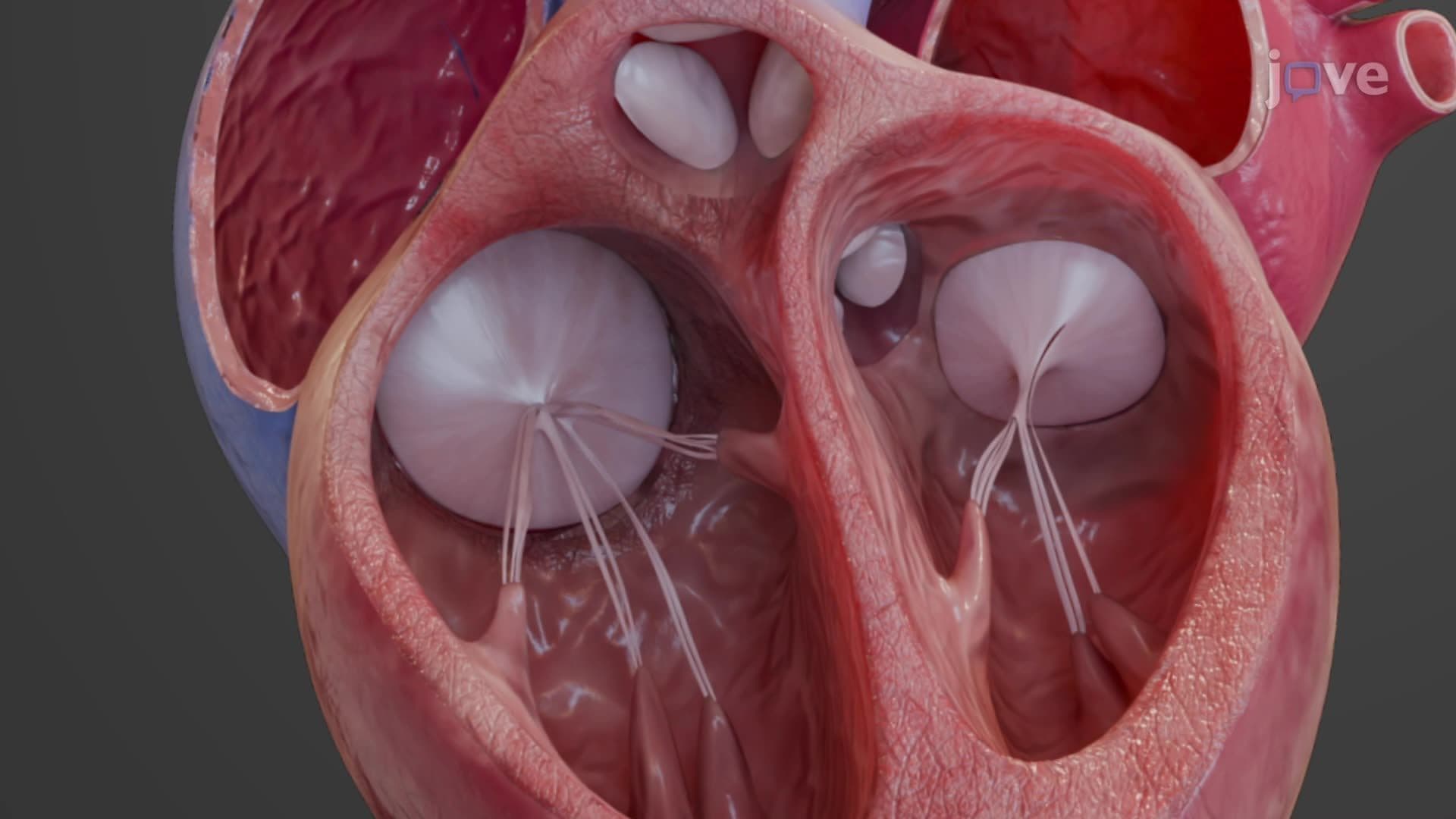
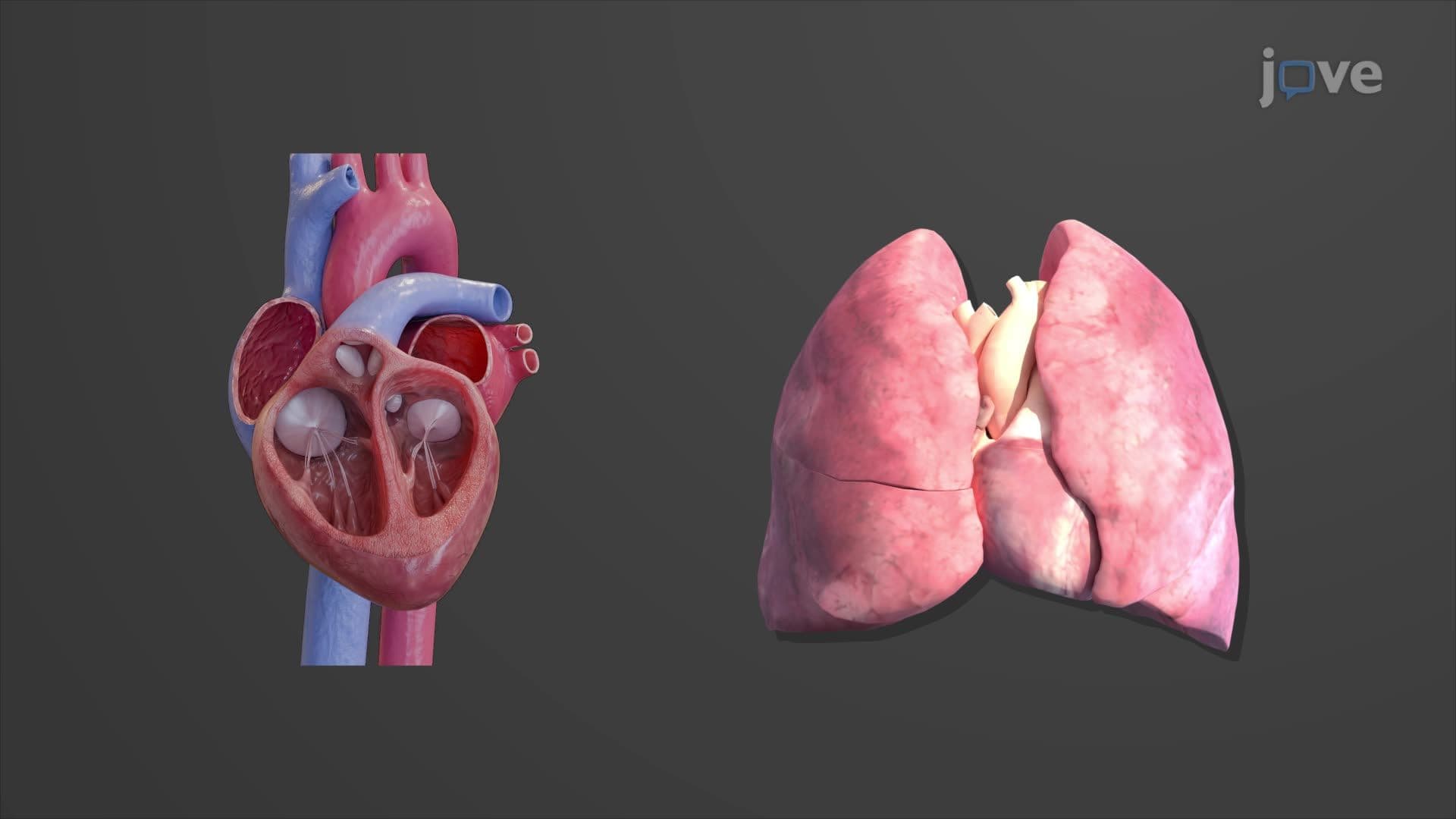
Pulmonary lung circulation begins when the right ventricle contracts, forcing deoxygenated blood into the pulmonary trunk. This vessel immediately bifurcates into left and right pulmonary arteries, each supplying one lung. Within the lungs, blood travels through progressively smaller vessels until reaching the alveolar capillaries, where gas exchange occurs. The newly oxygenated blood then returns via four pulmonary veins (two from each lung) directly to the left atrium.
This pathway is relatively short and operates under lower pressure compared to systemic circulation. Medical students preparing for the MCAT often struggle with the concept that pulmonary arteries carry deoxygenated blood-remember that arteries are defined by carrying blood away from the heart, not by oxygen content.
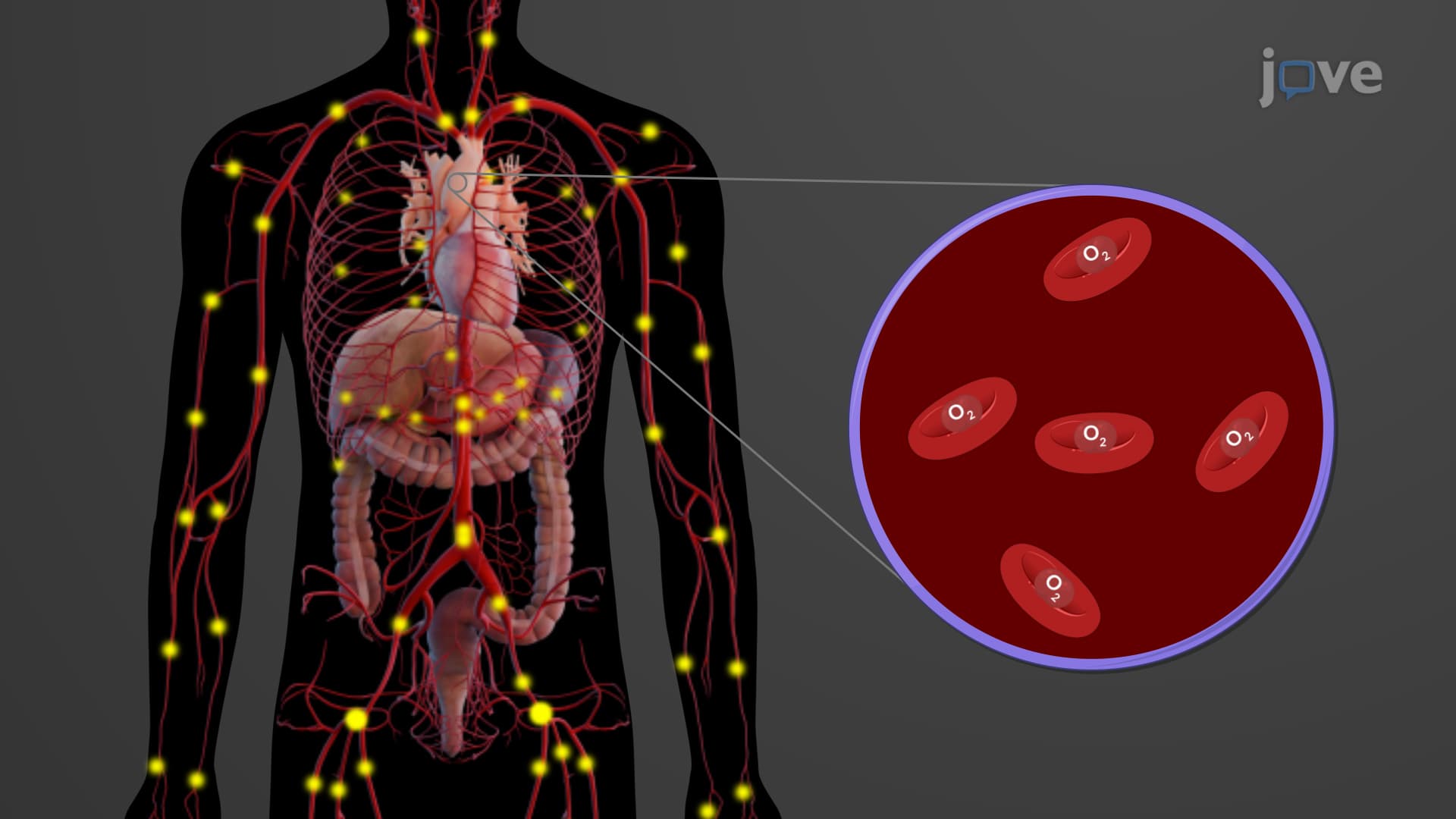
Systemic body circulation represents the more extensive and high-pressure circuit. The left ventricle, the heart's most muscular chamber, pumps oxygenated blood into the ascending aorta. This blood then travels through the aortic arch and descending aorta, branching into countless smaller arteries, arterioles, and capillaries that reach every tissue in the body.
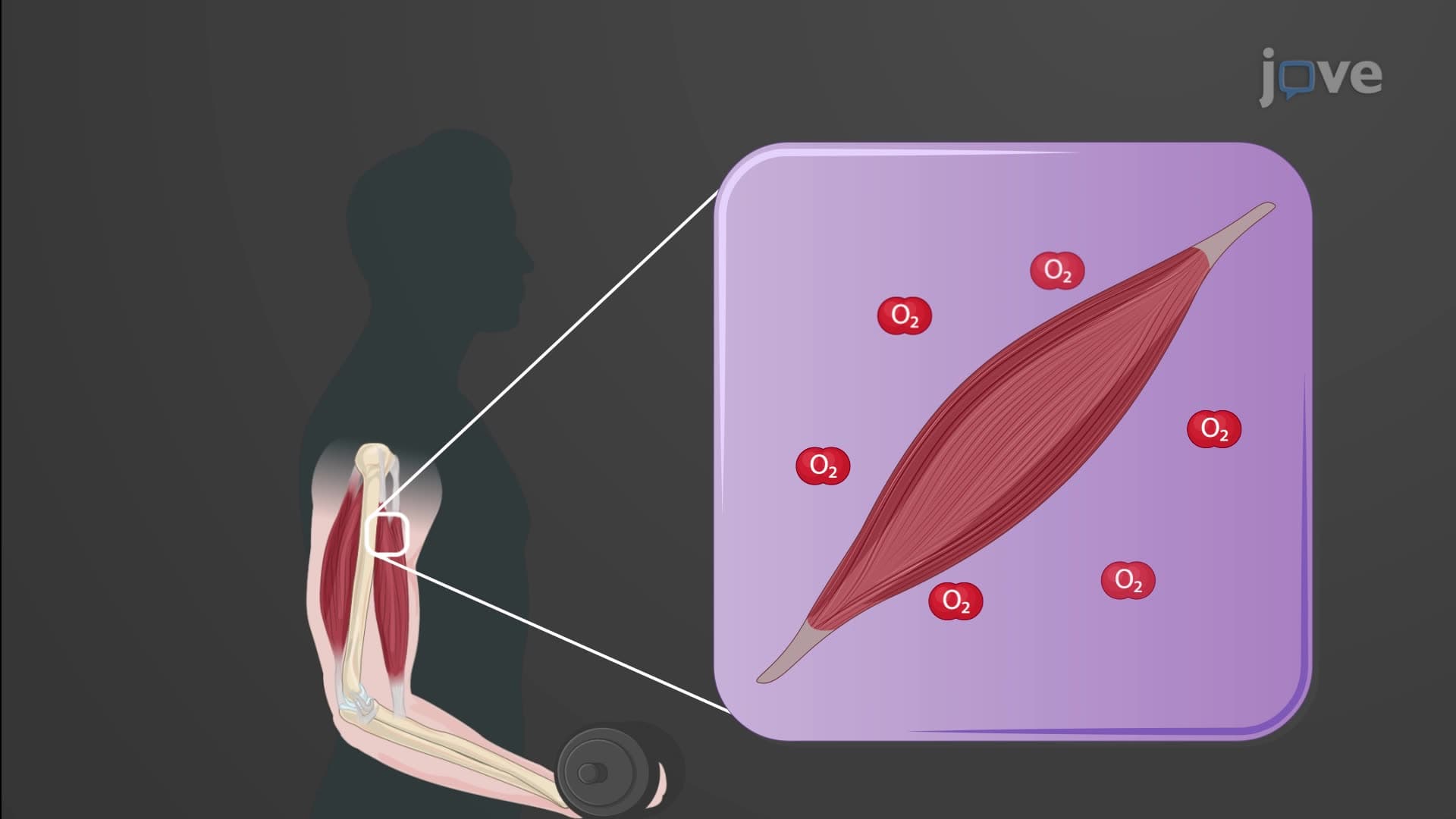
At the tissue level, this oxygenated deoxygenated circulation exchange occurs: oxygen and nutrients diffuse from blood to cells, while carbon dioxide and metabolic wastes move from cells into the bloodstream. The now-deoxygenated blood returns to the heart through the venous system, specifically the superior vena cava (draining the upper body), inferior vena cava (draining the lower body), and coronary sinus (draining the heart muscle itself).
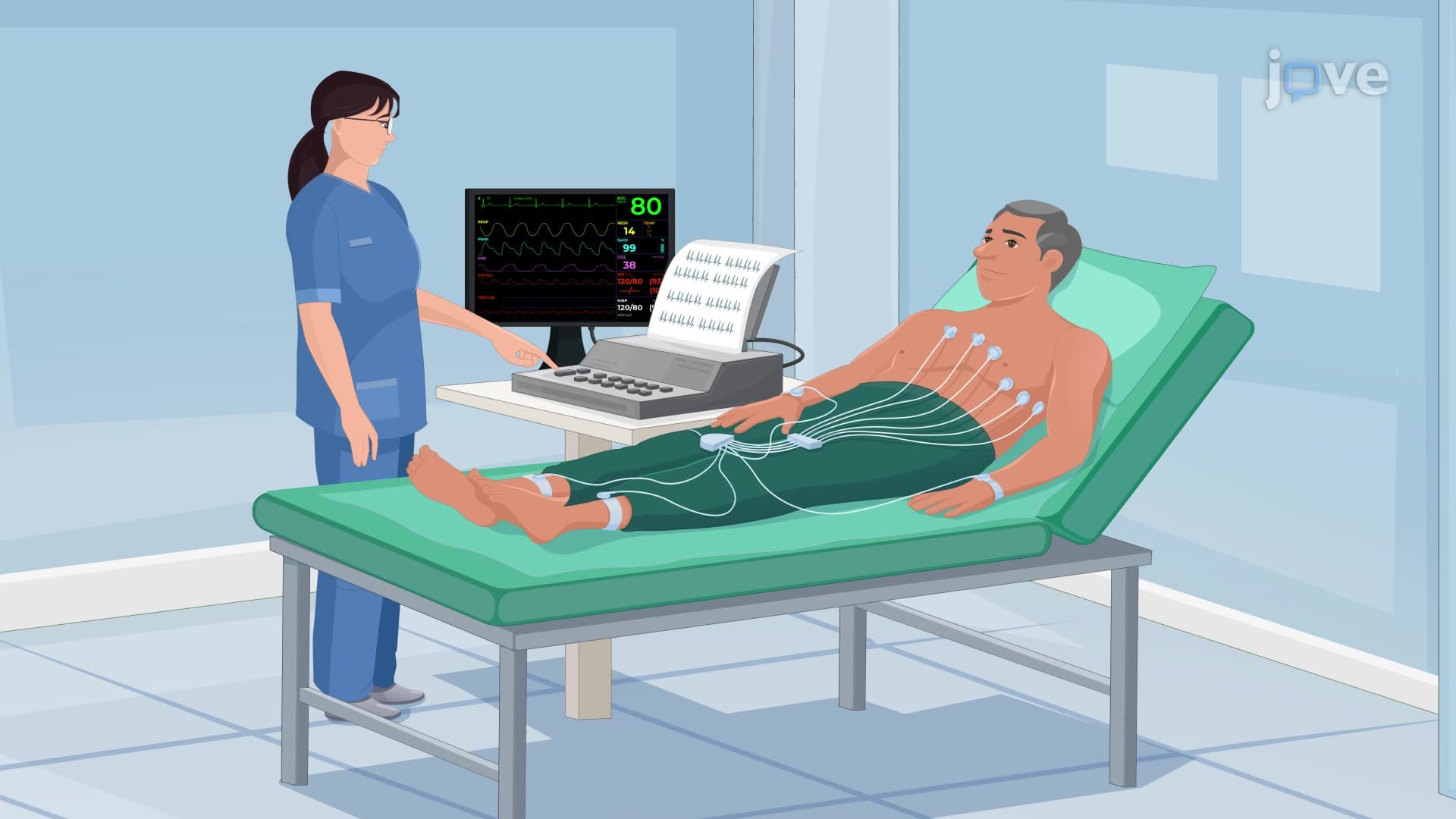
Understanding this heart circuit overview proves essential for AP Biology students studying cardiovascular physiology and pre-med students tackling MCAT passages about circulatory disorders. Conditions like pulmonary hypertension specifically affect the pulmonary circuit, while systemic hypertension impacts the broader systemic circulation. This knowledge also applies to interpreting EKGs and understanding how cardiac medications like ACE inhibitors primarily target systemic circulation to reduce blood pressure.
Related Micro-courses