Loading subject page…


112,207 views

Video Summary: What are Heart Sounds
Every time your heart beats 100,000 times per day, it creates distinctive sounds that trained physicians can interpret like a medical language. Heart sounds biology explained reveals how valve closures create the familiar "lub-dub" rhythm heard through a stethoscope during routine checkups at hospitals like Cleveland Clinic. Understanding what are heart sounds provides crucial insight into cardiac function and helps medical students master cardiovascular physiology. Watch the full video on JoVE Coach to master this concept with expert-led visuals and step-by-step explanations.
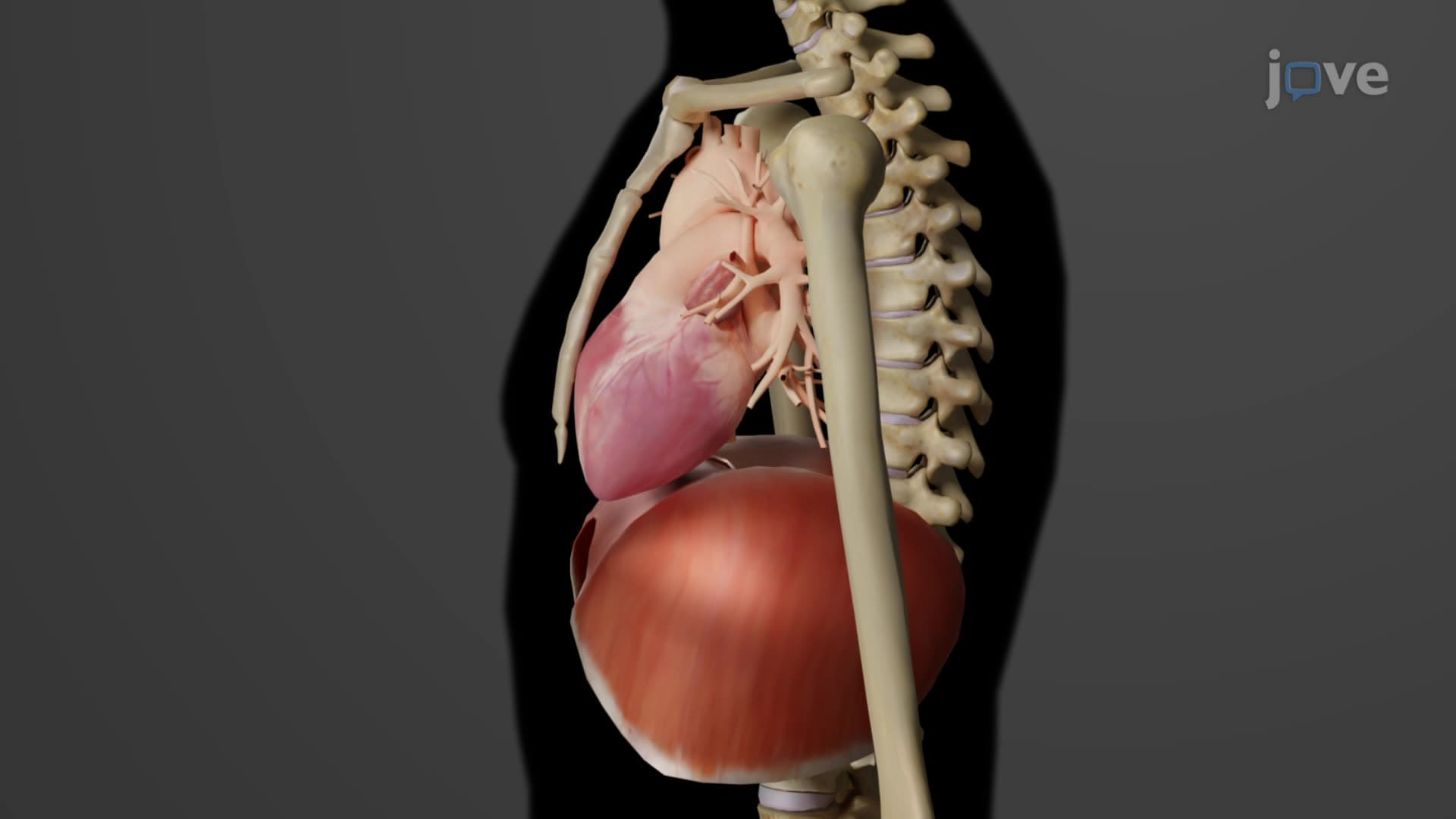
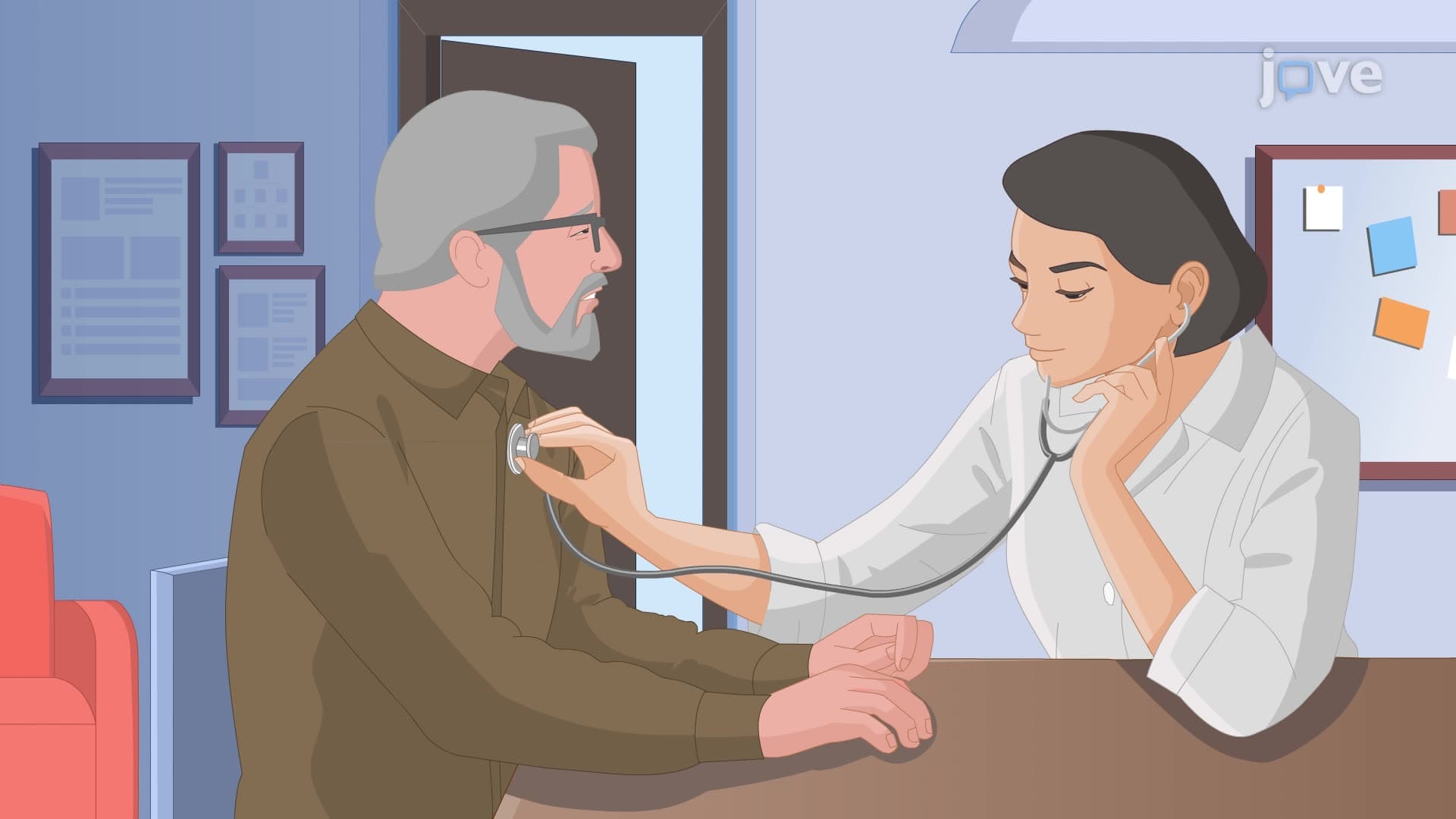
Heart sounds biology explained begins with recognizing that these acoustic phenomena result from turbulent blood flow created by valve closures. Unlike the smooth, silent flow in healthy vessels, valve closures create brief moments of turbulence that generate audible vibrations. Medical students at universities like Johns Hopkins learn that optimal auscultation occurs at specific chest locations where sound waves naturally disperse from their valve origins.
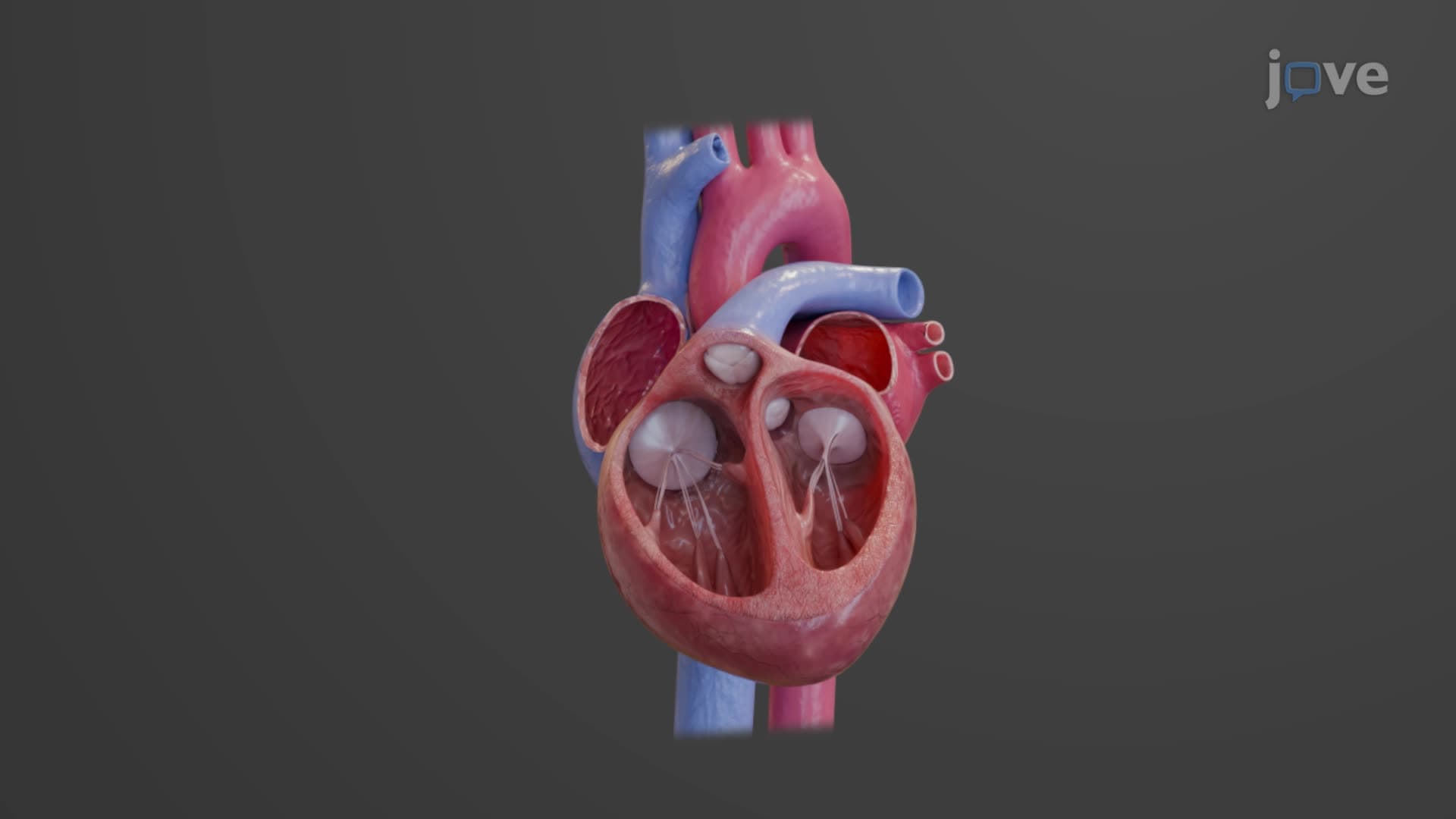
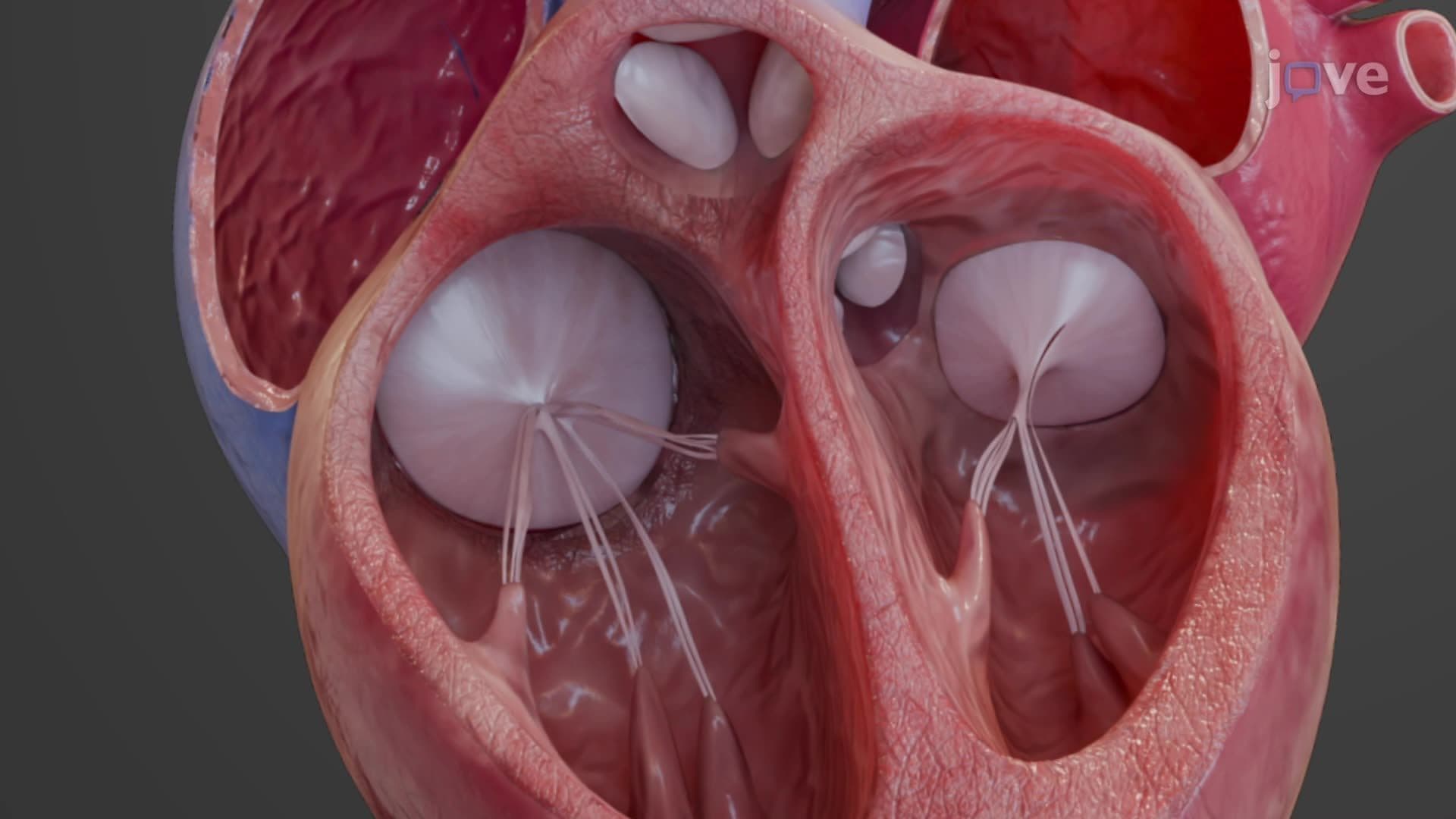
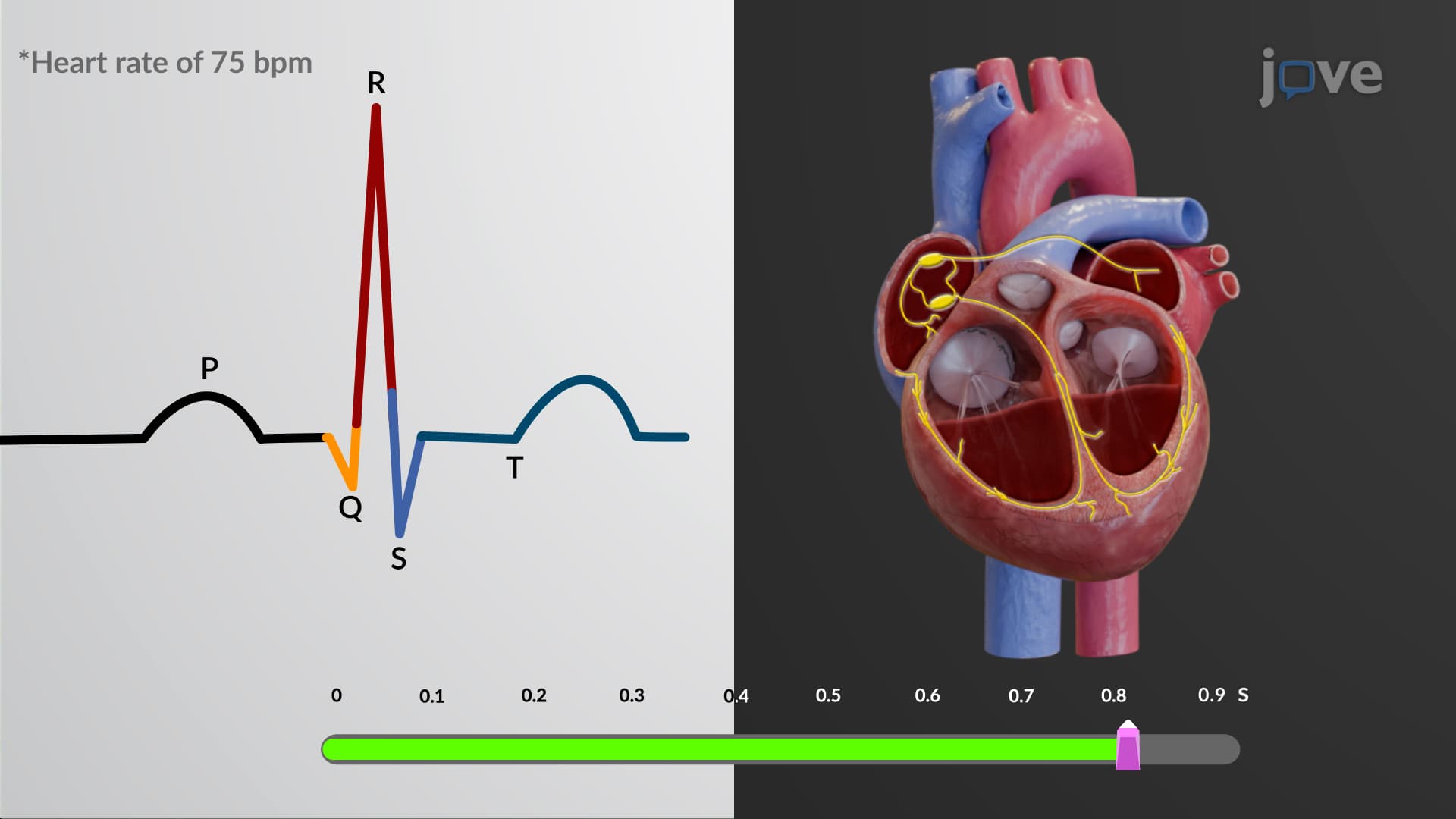
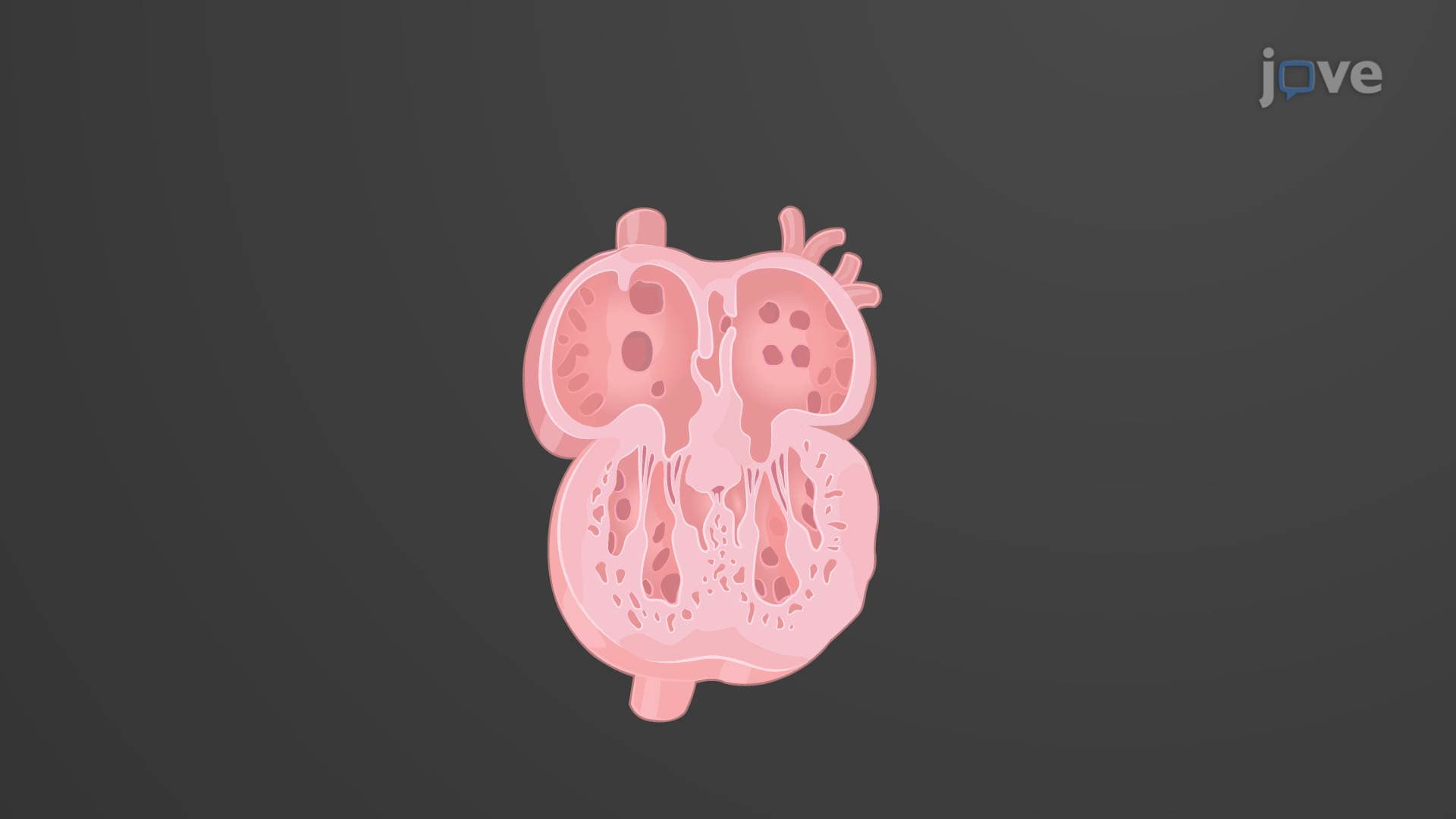
Cardiac sounds physiology centers on two main audible sounds. S1, the "lub" sound, occurs when atrioventricular (AV) valves-the tricuspid and mitral valves-snap shut as ventricular contraction begins. This sound appears louder and longer because these larger valves create more significant turbulence. S2, the "dub" sound, results from semilunar valve closure (aortic and pulmonary) as ventricles relax and diastole commences.
S3 S4 extra sounds represent additional cardiac phenomena typically inaudible through standard stethoscopes. S3 occurs during rapid ventricular filling, while S4 coincides with atrial contraction. These sounds become clinically significant in pathological conditions-S3 may indicate heart failure in adults over 40, while S4 suggests decreased ventricular compliance.
Heart murmur turbulence creates abnormal sounds indicating valve dysfunction. Stenotic valves that fail to open completely generate rumbling sounds as blood forces through narrowed openings. Conversely, incompetent valves that don't close properly create swishing sounds as blood regurgitates backward. Medical residents training at institutions like Mayo Clinic learn to distinguish these pathological patterns during clinical rotations.
This knowledge proves essential for MCAT preparation, AP Biology exams, and nursing school assessments like NCLEX, where cardiovascular physiology questions frequently appear. Understanding auscultation heart sound principles also provides foundation knowledge for advanced cardiology studies and clinical practice applications.
Related Micro-courses