Loading subject page…


112,207 views

Video Summary: What Is Cardiac Cycle
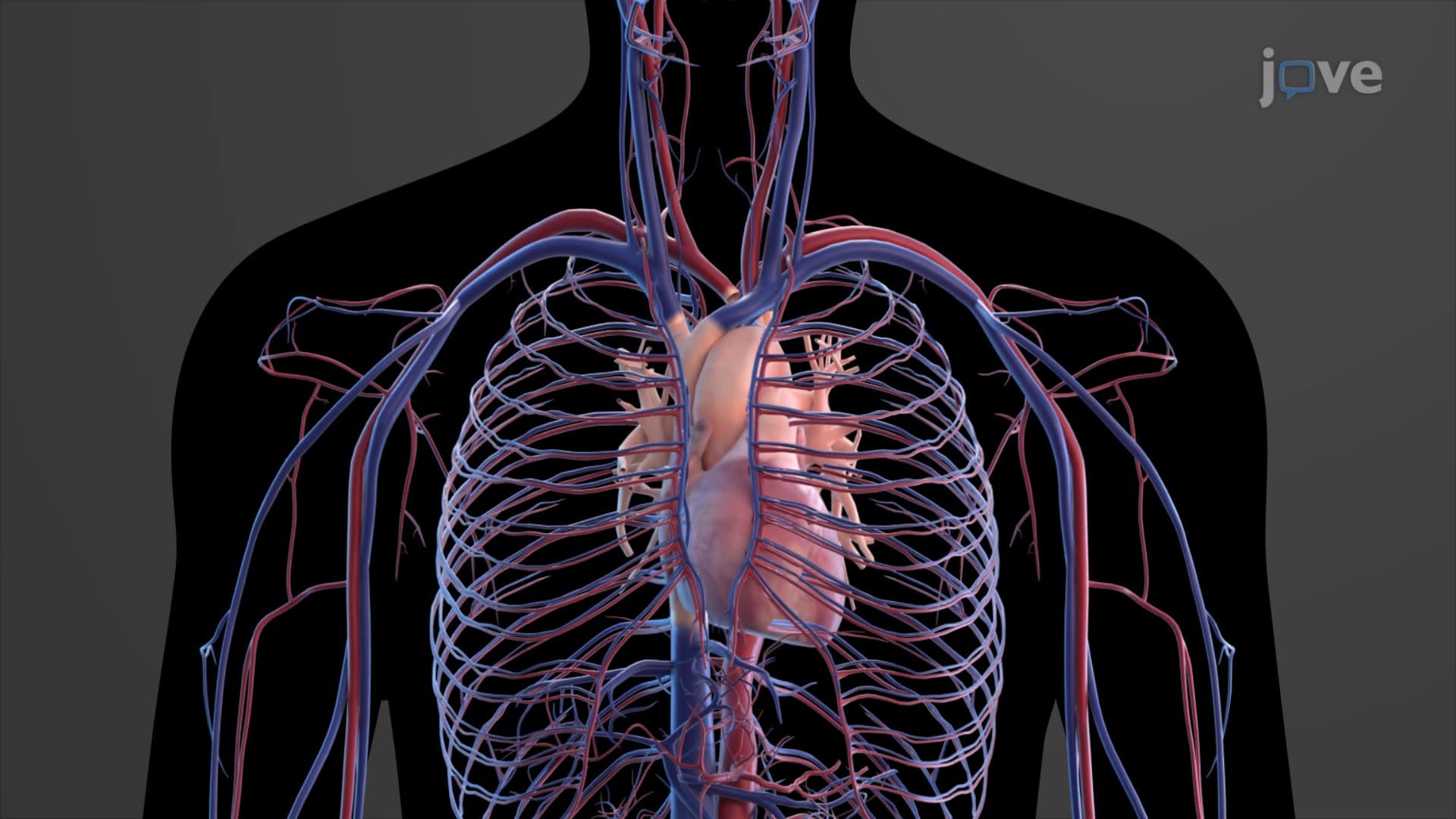
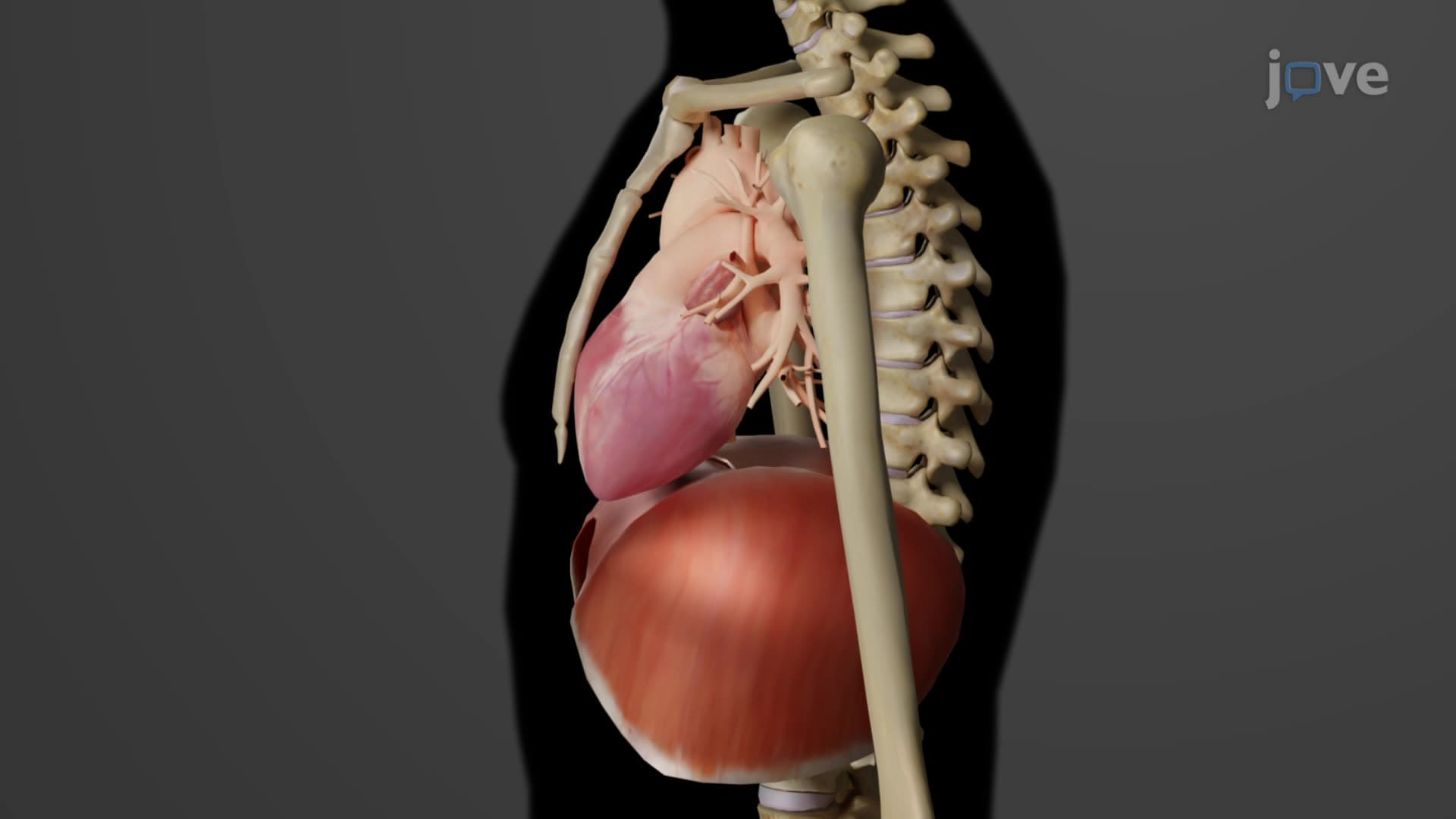
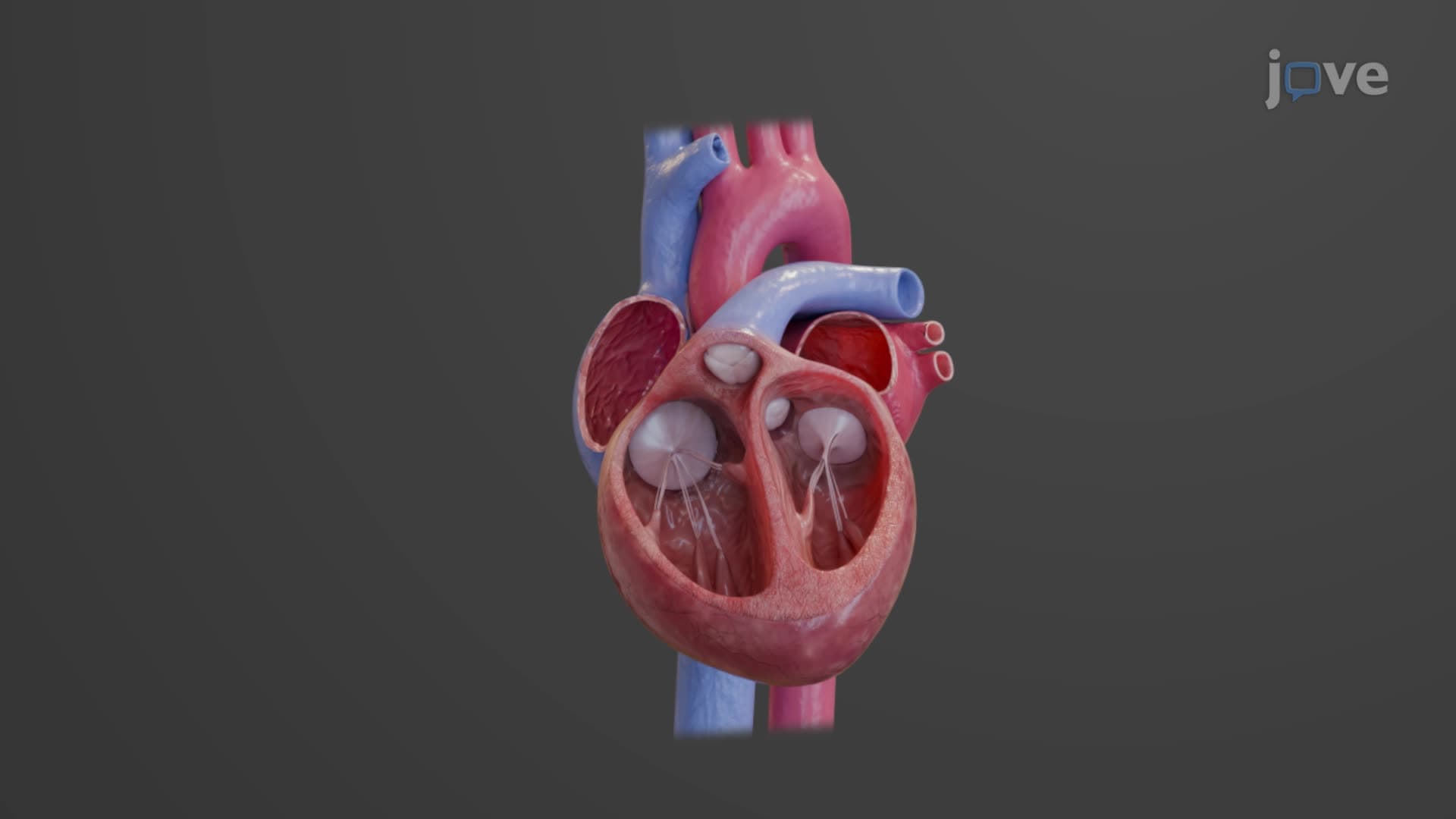
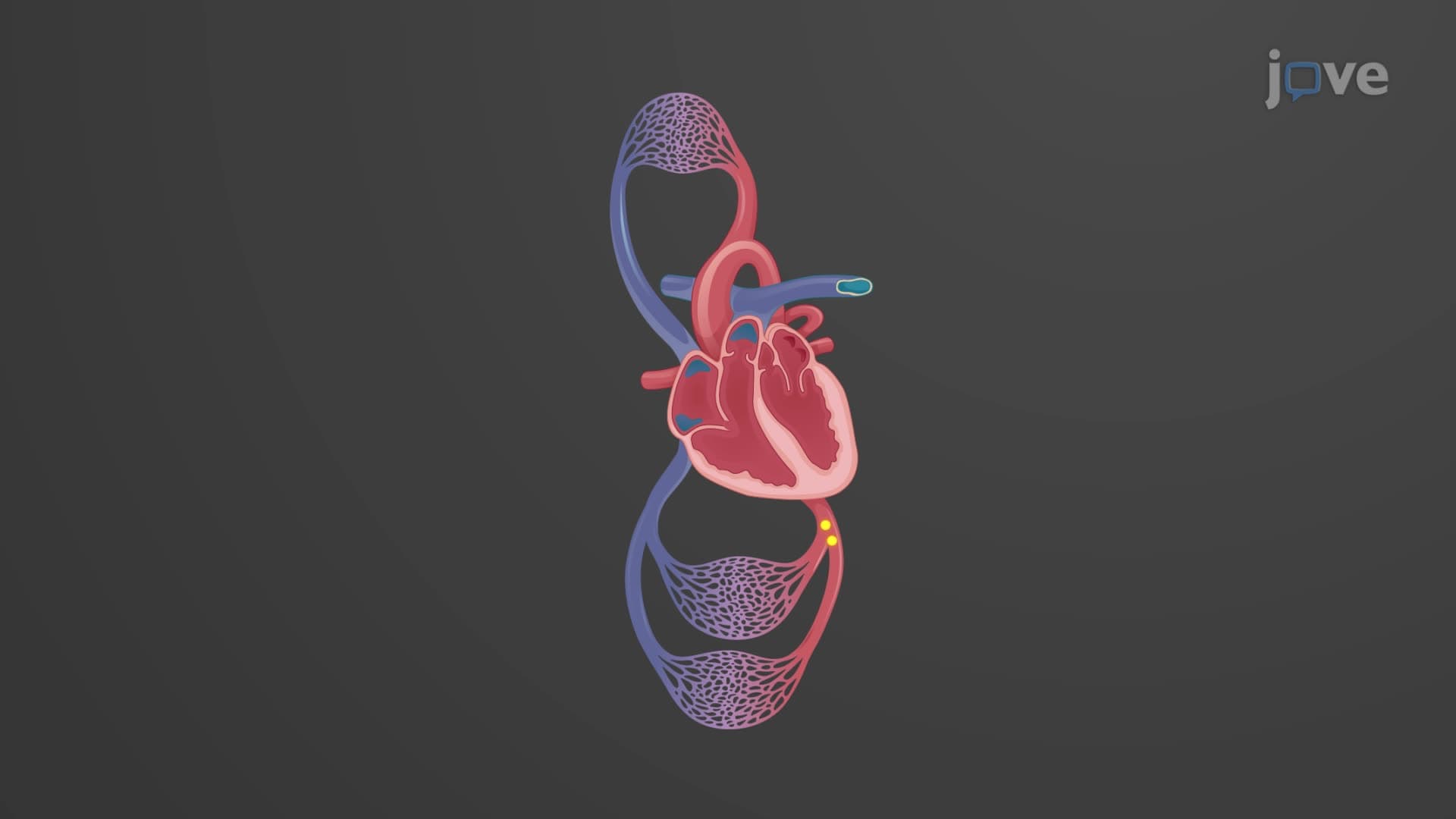
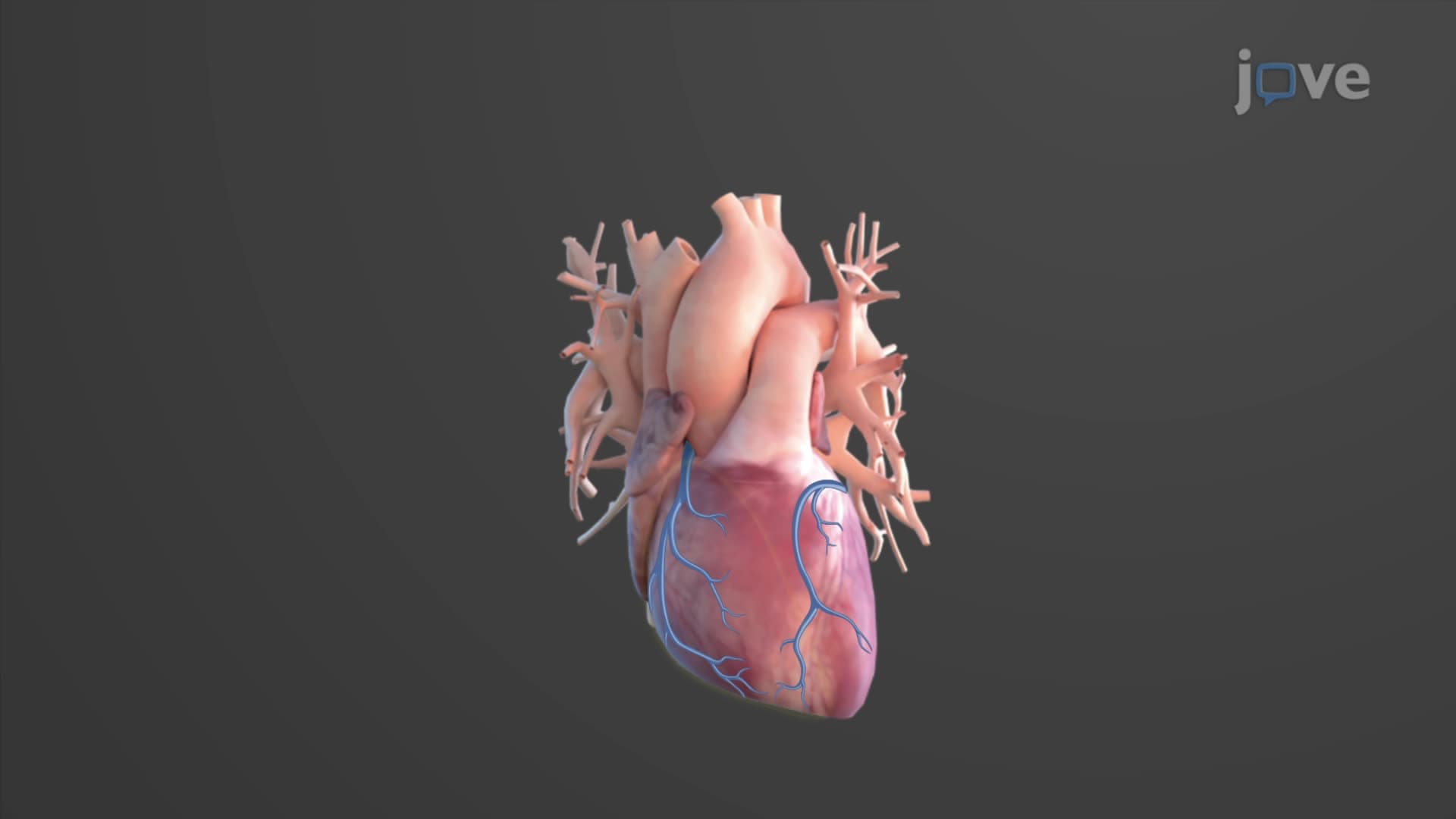
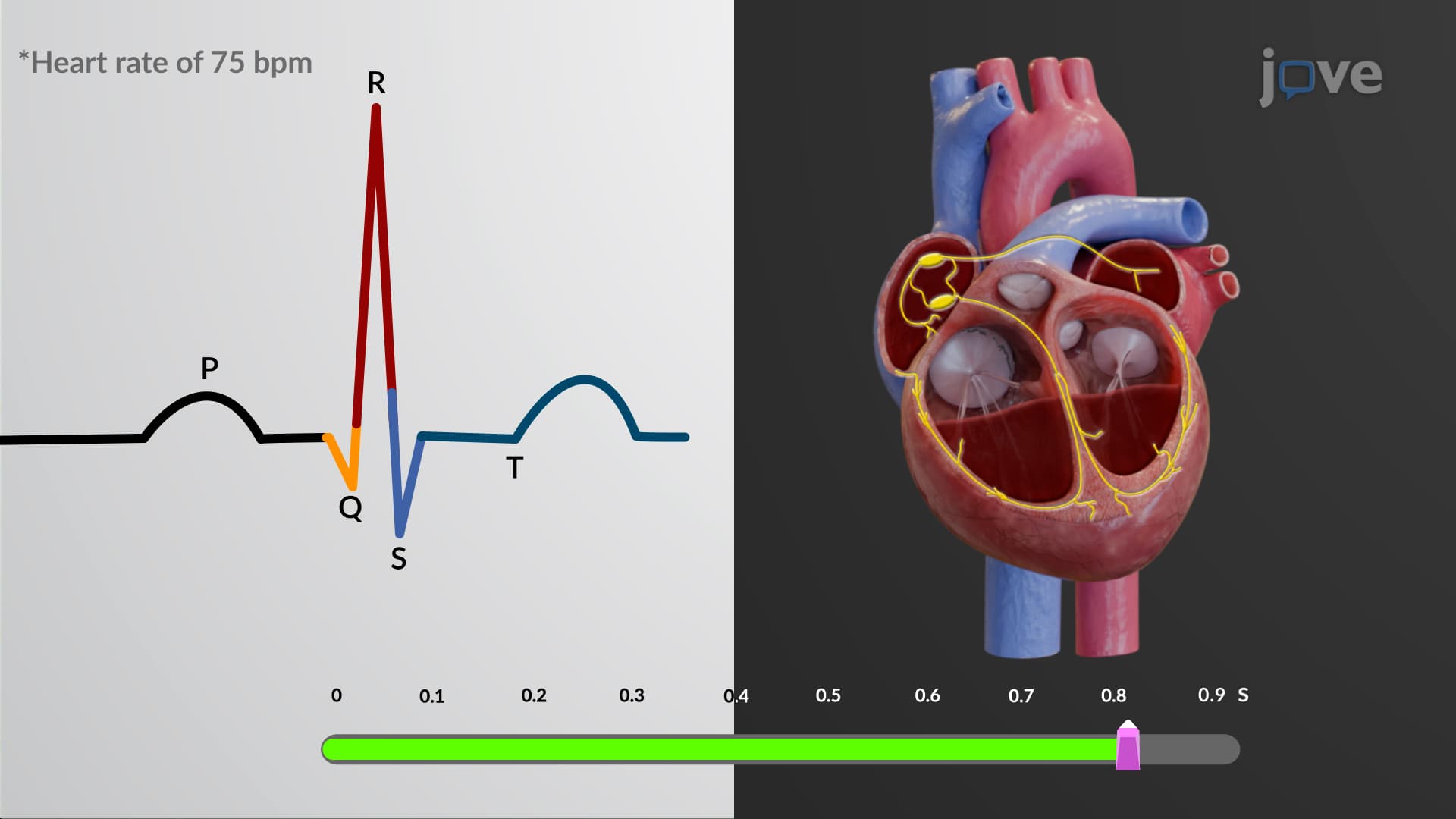
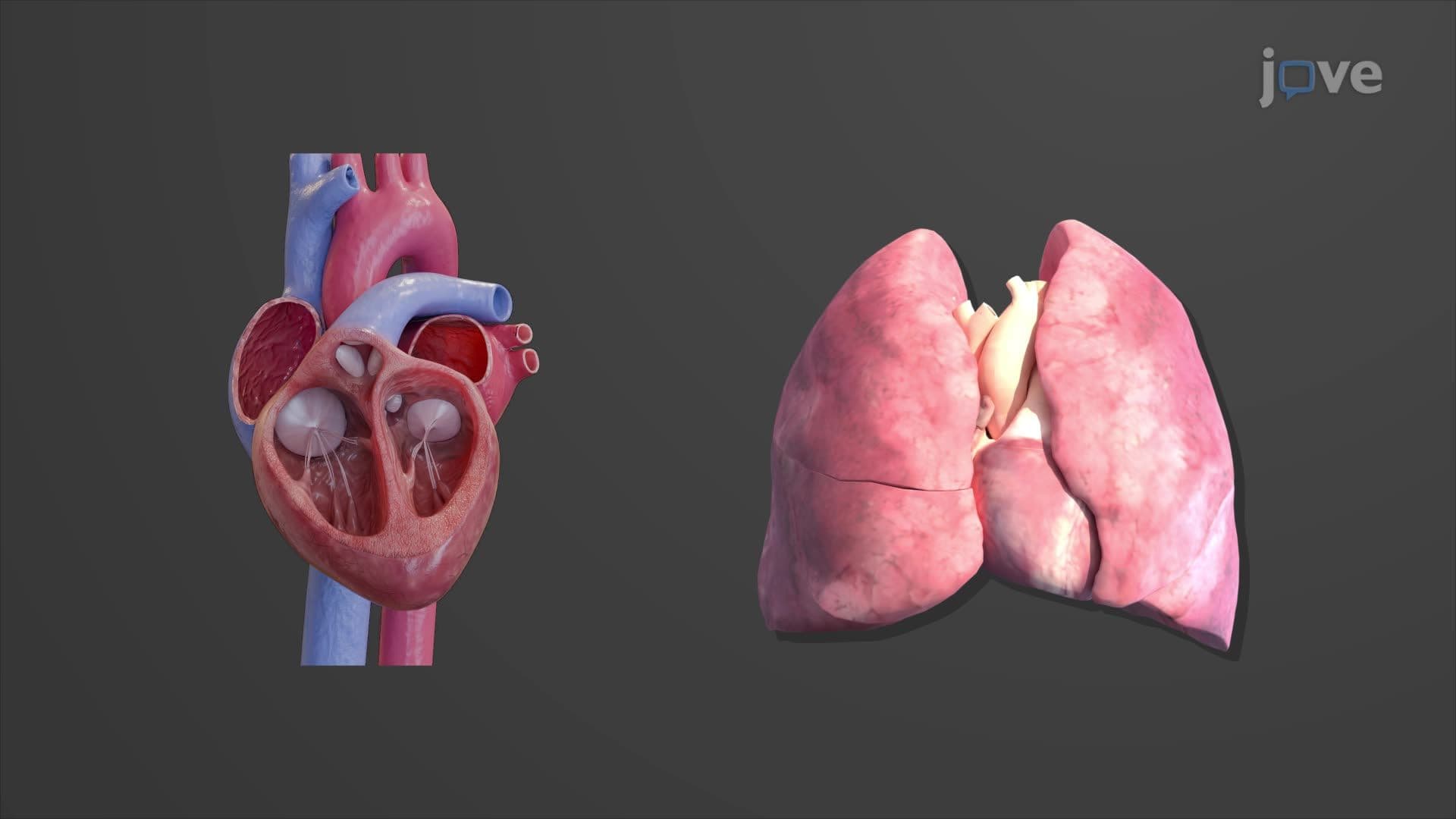
Ever wondered why your heart pounds during a marathon or why doctors check your pulse? The cardiac cycle biology explained reveals the intricate dance of your heart's chambers as they pump approximately 2,000 gallons of blood daily through your body. This fundamental process involves two main phases: systole (contraction) and diastole (relaxation), working in perfect coordination to deliver oxygen-rich blood to every cell. What is Cardiac Cycle becomes clear when you observe how emergency room physicians at hospitals like Johns Hopkins monitor these precise phases to assess patient health. Watch the full video on JoVE Coach to master this concept with expert-led visuals and step-by-step explanations.
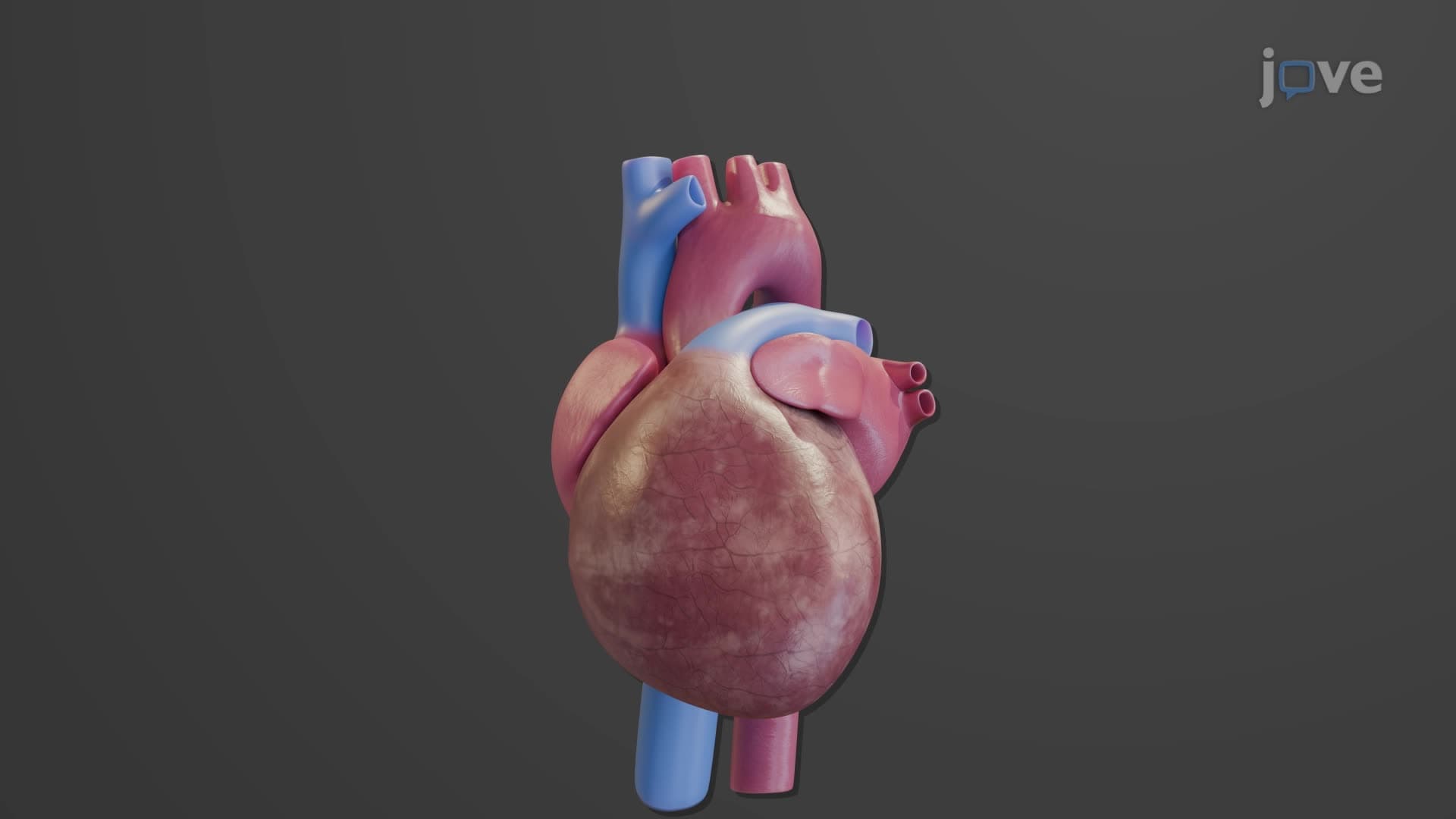
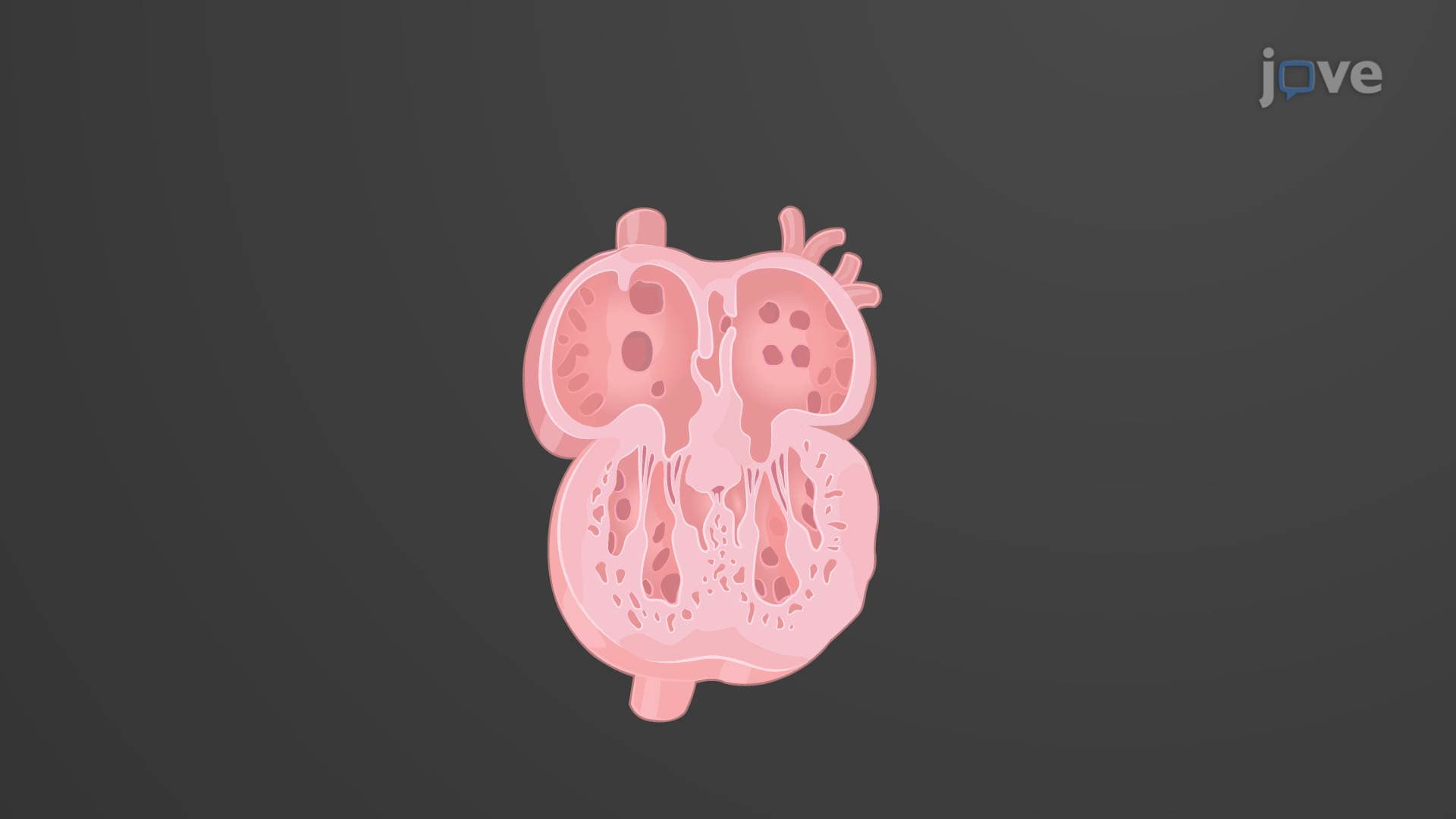
The heart cycle physiology represents one of the most elegant examples of biological engineering, where precise timing and pressure dynamics ensure continuous blood circulation. This rhythmic process, occurring approximately 100,000 times daily, demonstrates how the heart functions as a dual pump system serving both pulmonary and systemic circulation.
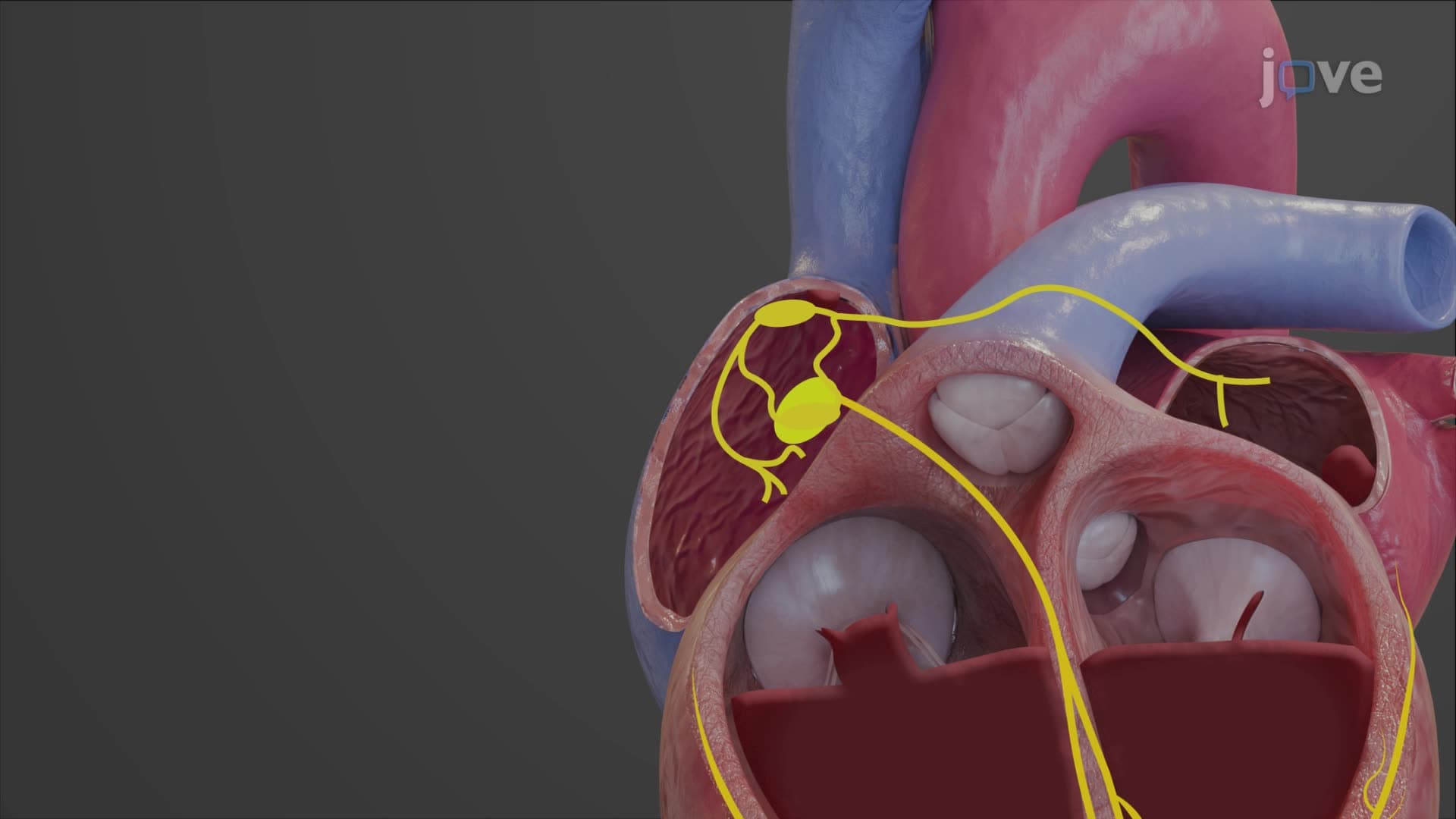
Phase 1: Atrial Systole (Atrial Contraction) During this initial phase, the atrial ventricular systole relationship becomes crucial. The sinoatrial node, often called the heart's natural pacemaker, generates electrical impulses that spread across both atria. This coordinated contraction forces the final 25-30% of blood into the ventricles, a process particularly important during exercise when cardiac output increases. Medical students studying for the MCAT often focus on this phase because it demonstrates how the heart maximizes filling efficiency.
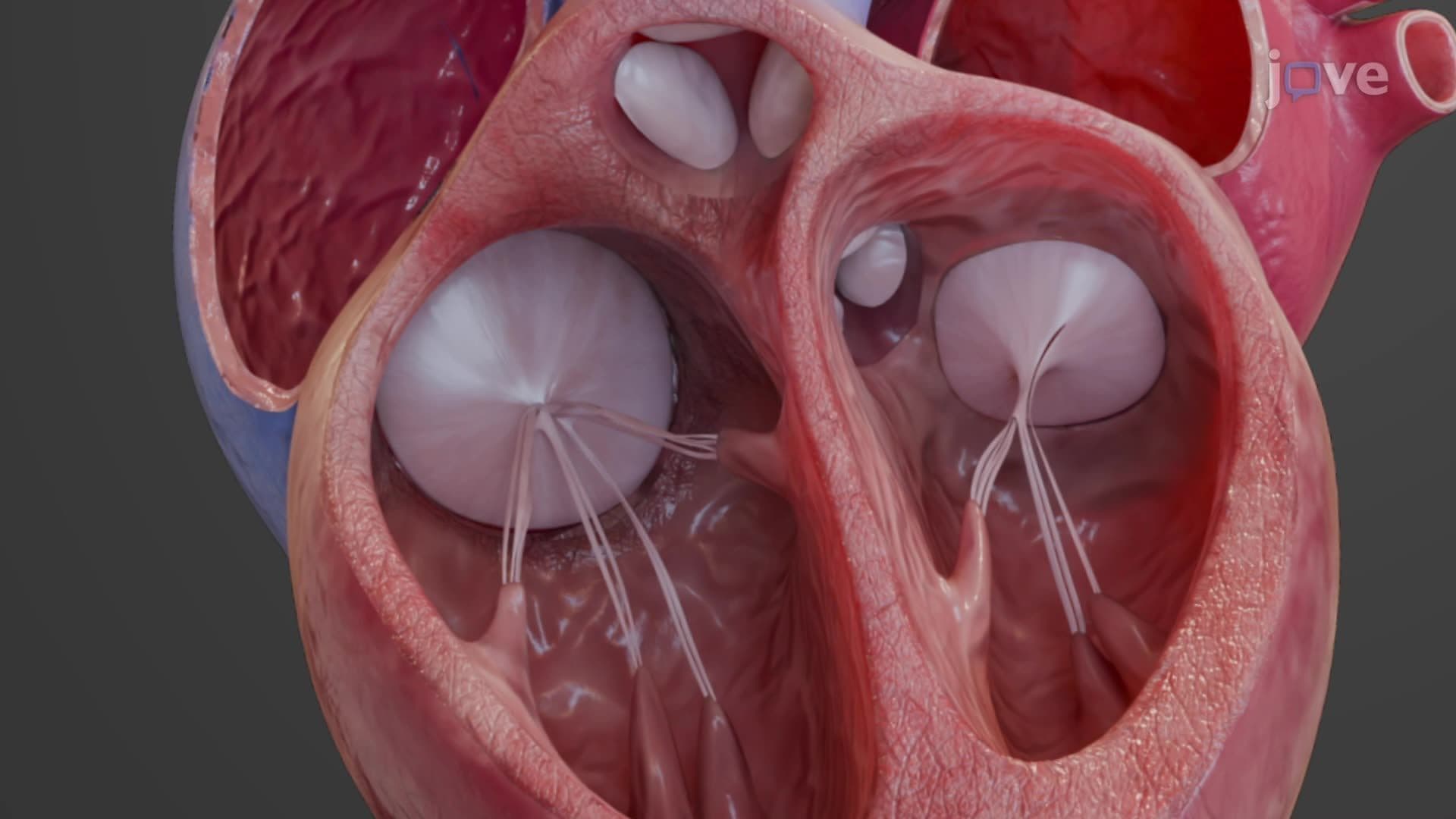
Phase 2: Isovolumetric Contraction As ventricular pressure rises rapidly, the atrioventricular valves snap shut, creating the first heart sound ("lub") that physicians hear through stethoscopes. During this brief moment, all heart valves remain closed, maintaining constant blood volume while pressure builds dramatically. This phase exemplifies the cardiac cycle phases working in perfect synchronization-a concept frequently tested in AP Biology exams.
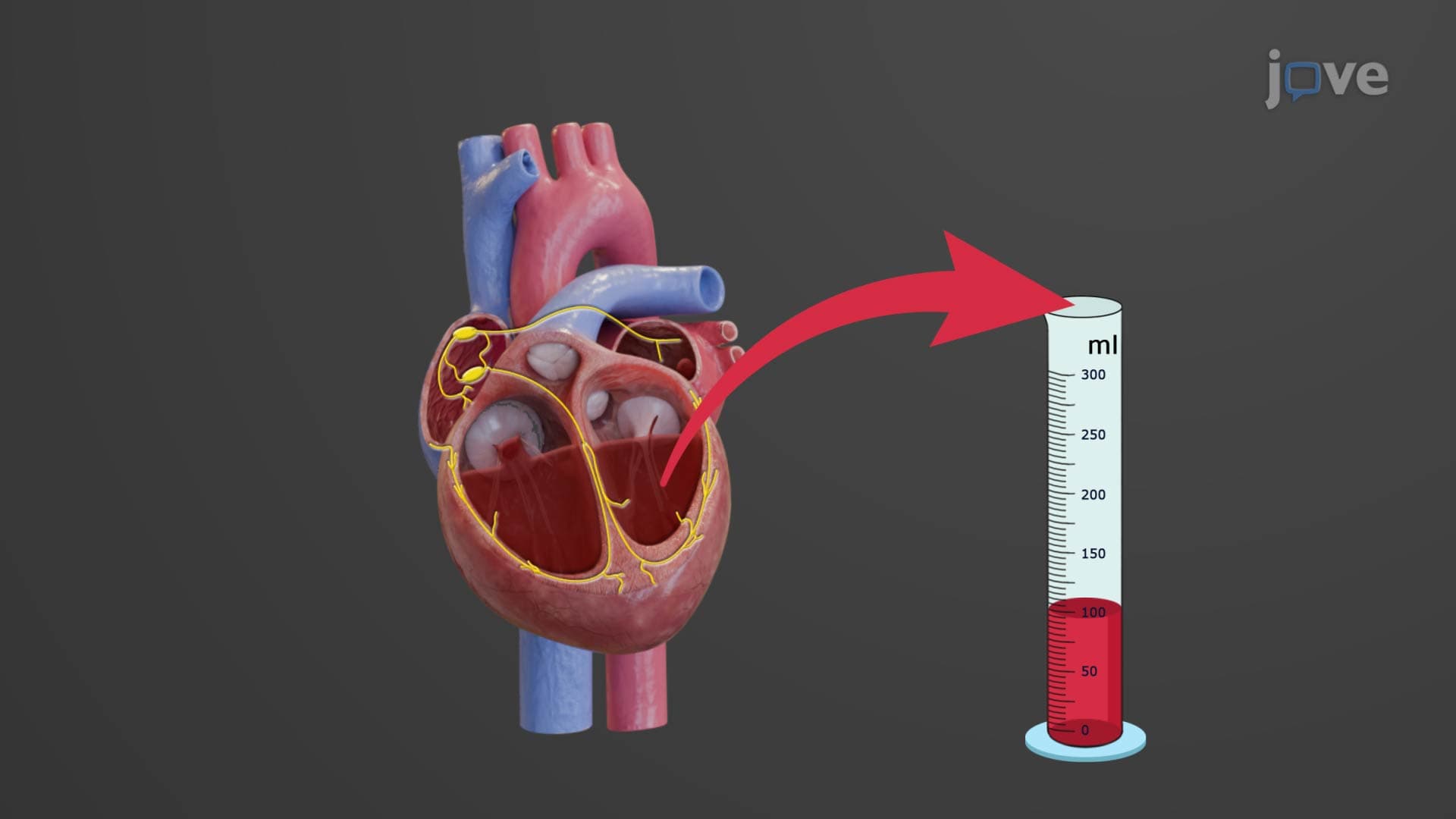
Phase 3: Ventricular Ejection When ventricular pressure exceeds arterial pressure (approximately 80 mmHg for the aorta), the semilunar valves open explosively. The ventricular filling ejection process demonstrates remarkable efficiency, as about 70 mL of blood (stroke volume) gets pumped from each ventricle. Cardiologists at institutions like the Cleveland Clinic use this measurement to assess heart function and diagnose conditions like heart failure.
Phase 4: Isovolumetric Relaxation As ventricles relax, pressure drops below arterial pressure, causing semilunar valves to close and creating the second heart sound ("dub"). This phase marks the beginning of the next cycle's preparation, as atria simultaneously fill with returning blood from the body and lungs.
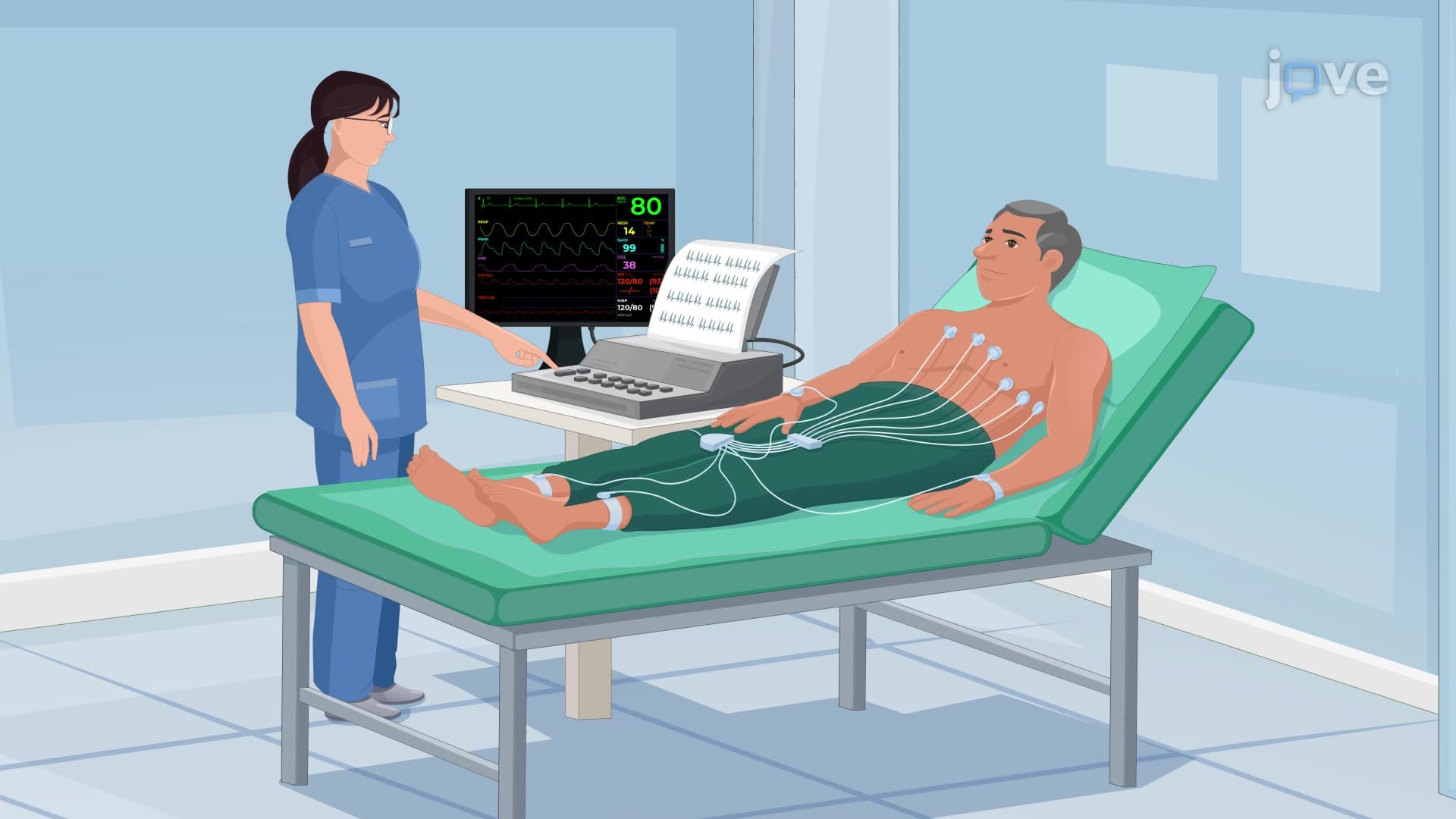
Understanding what is the cardiac cycle in physiology proves essential for healthcare careers. USMLE Step 1 examinations frequently test students on pressure-volume relationships, while NCLEX-RN questions often focus on how medications like beta-blockers affect different cycle phases. The systole diastole cycle knowledge directly applies to interpreting blood pressure readings, where systolic pressure reflects ventricular contraction peak and diastolic pressure indicates arterial pressure during relaxation.
Nursing students preparing for HESI A2 exams should particularly focus on how cardiac cycle understanding helps in patient assessment and medication administration timing.
Related Micro-courses