Loading subject page…


112,207 views

Video Summary: What Is Exercise and Cardiac Output
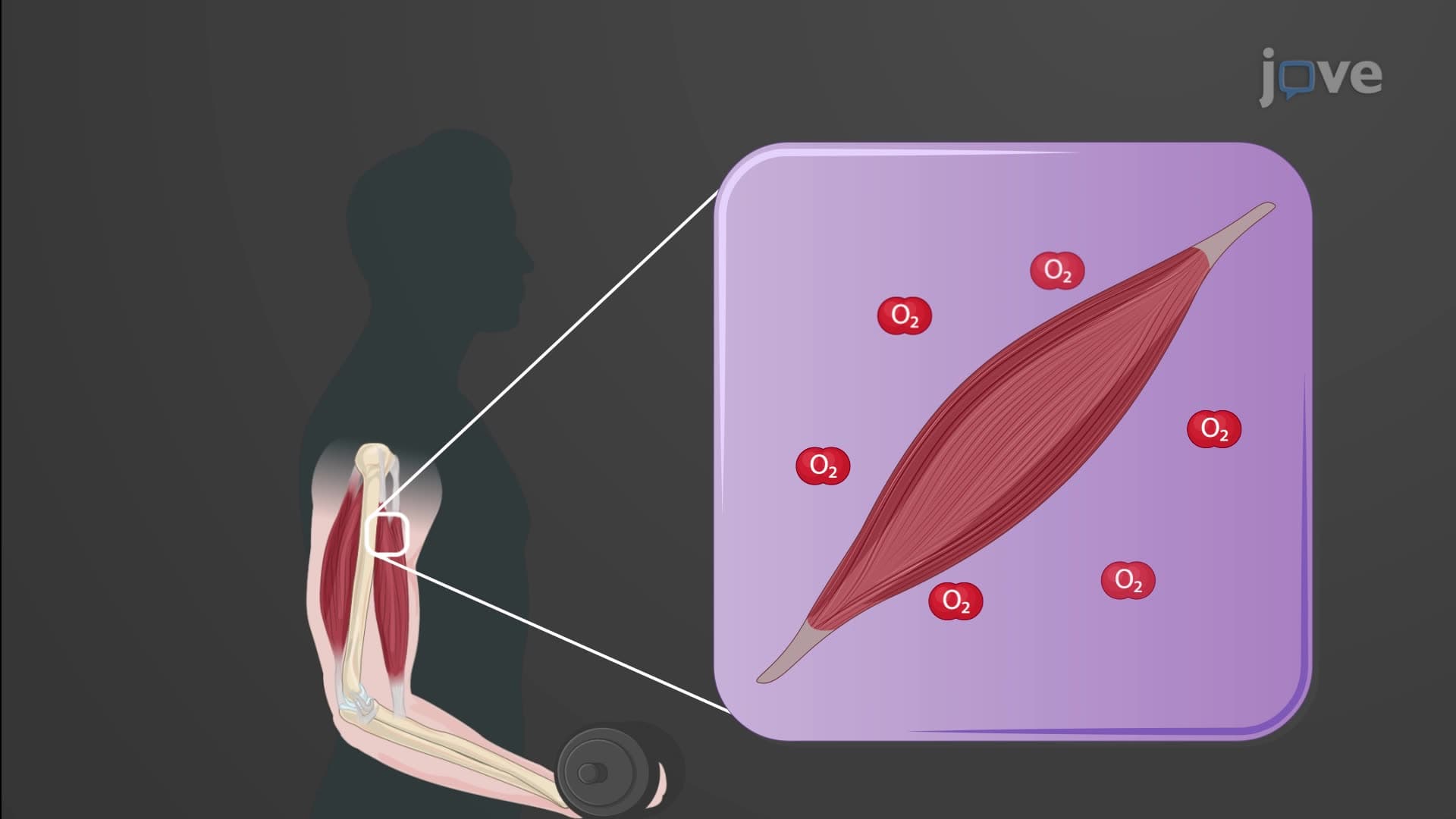
Ever wonder why elite marathon runners like Meb Keflezighi can maintain incredible speeds for 26.2 miles? The secret lies in understanding exercise cardiac output response-how your heart dramatically increases its pumping capacity during physical activity. During intense exercise, a trained athlete's cardiac output can increase from 5 liters per minute at rest to over 30 liters per minute, delivering oxygen-rich blood to working muscles with remarkable efficiency. Watch the full video on JoVE Coach to master this concept with expert-led visuals and step-by-step explanations.
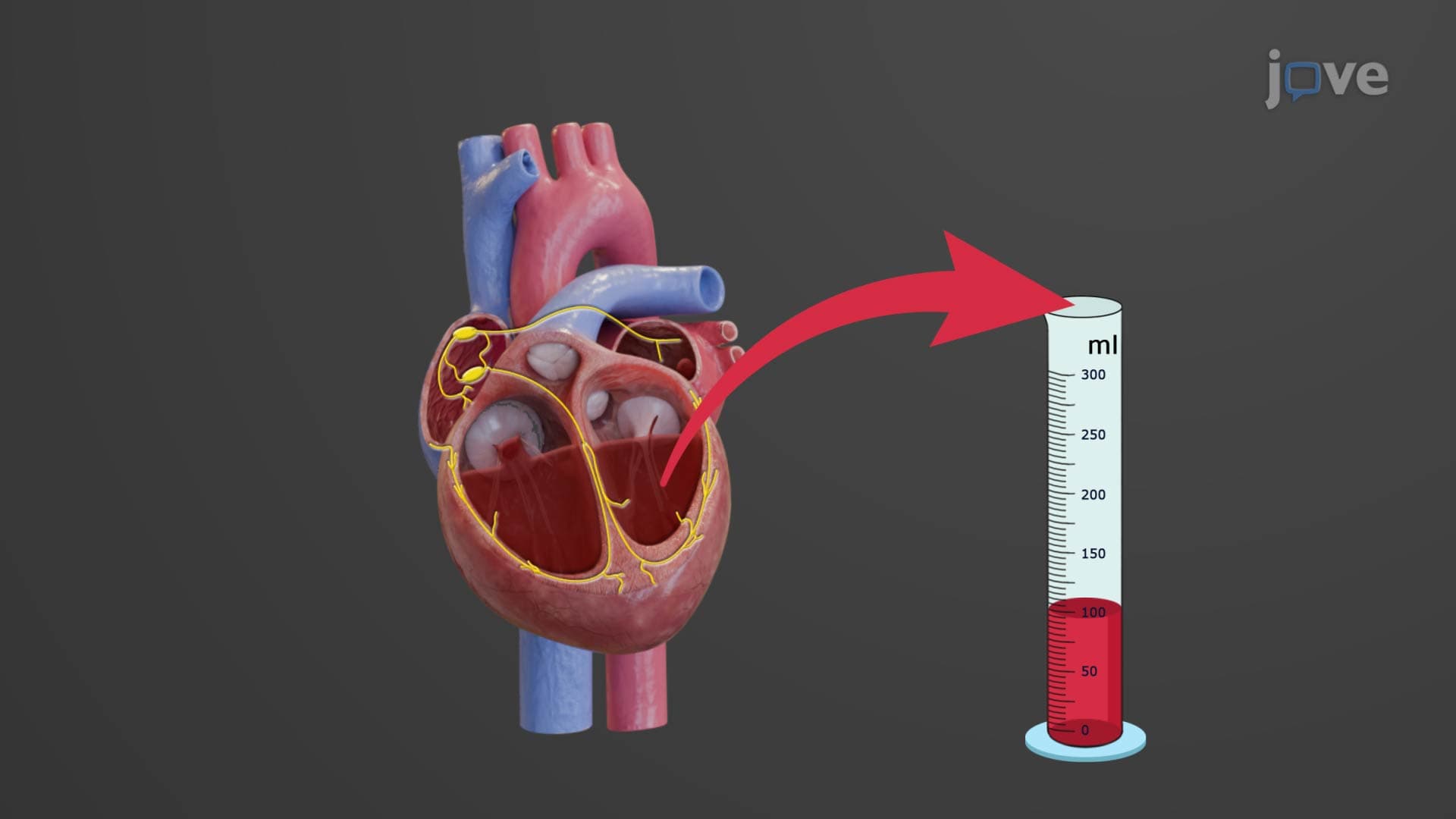
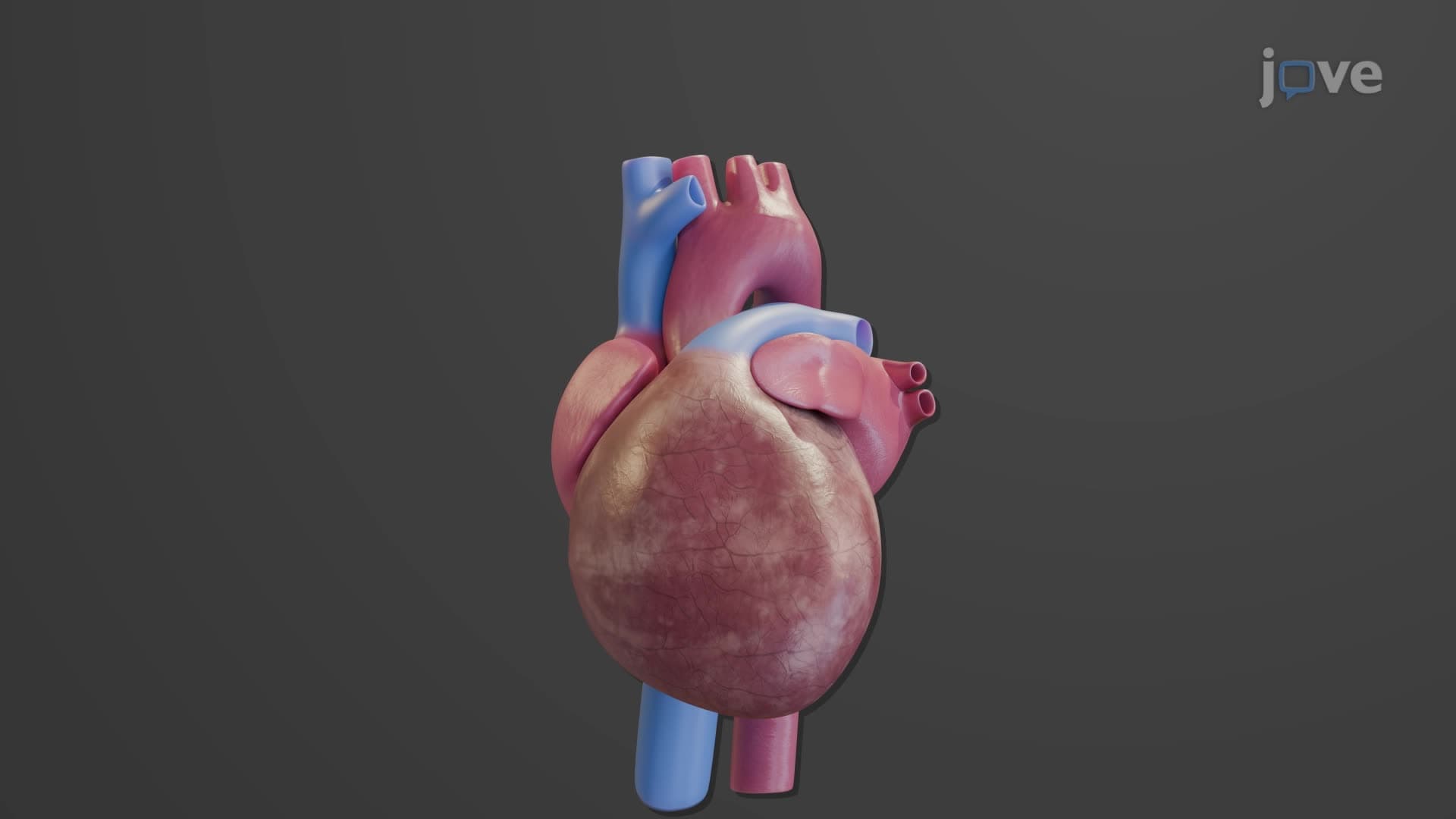
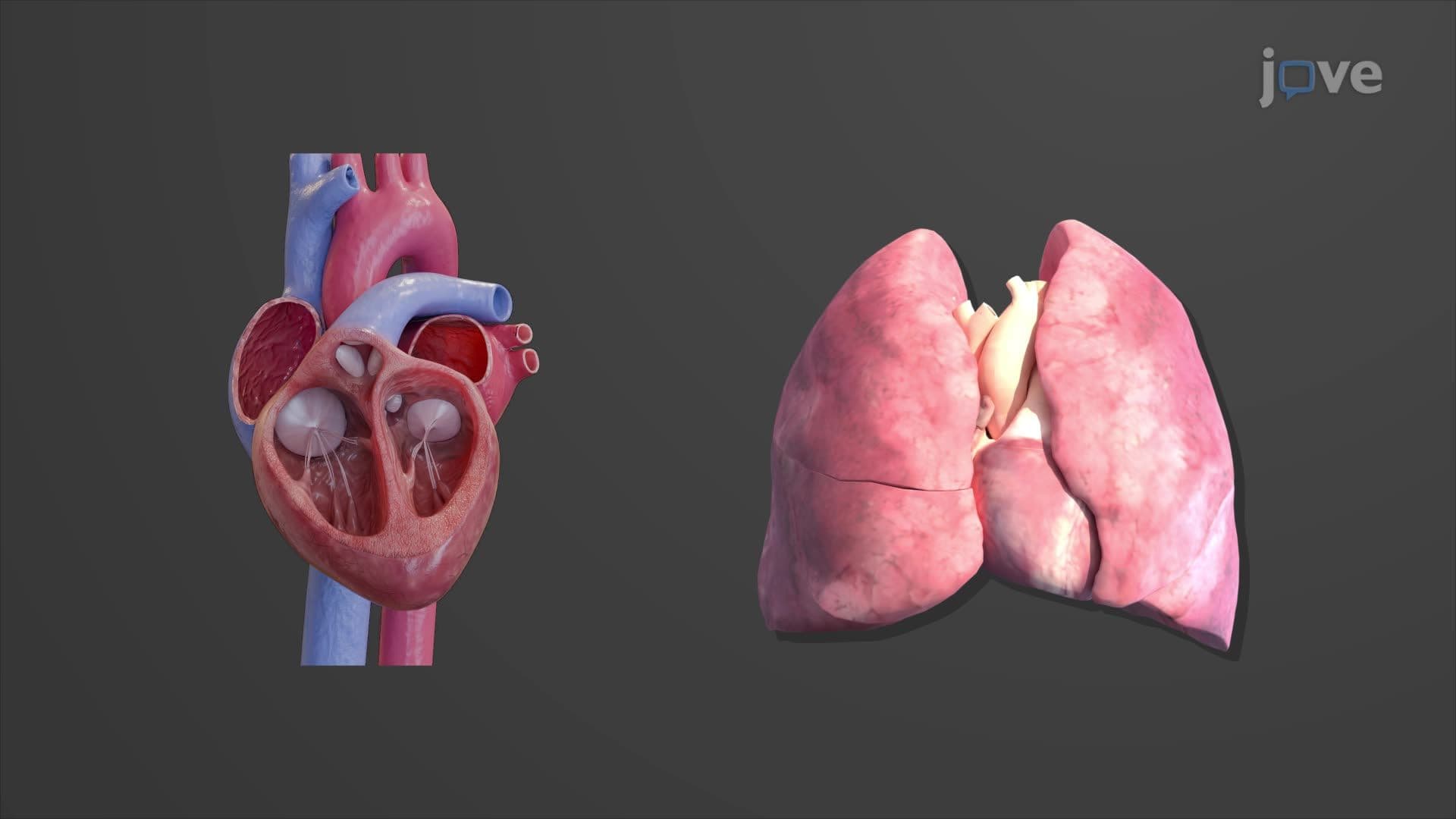
Exercise cardiac output response represents one of the most remarkable adaptations of the human cardiovascular system. Cardiac output, calculated as heart rate multiplied by stroke volume, measures the total volume of blood pumped by the heart per minute. At rest, a healthy adult's cardiac output averages 5-6 liters per minute. However, during maximal exercise, this can increase dramatically-up to 20-25 liters per minute in untrained individuals and an astounding 30-40 liters per minute in elite endurance athletes like those competing in the Boston Marathon.
The question of how does exercise affect cardiac output involves two primary mechanisms working in tandem. First, heart rate increases progressively with exercise intensity, driven by sympathetic nervous system activation and decreased parasympathetic tone. A sedentary person might see their heart rate climb from 70 beats per minute at rest to 180-190 during maximal effort. Simultaneously, stroke volume exercise adaptations occur through enhanced venous return (more blood returning to the heart), increased myocardial contractility, and optimized cardiac filling times.
During submaximal exercise, both heart rate and stroke volume contribute to increased cardiac output. However, at higher intensities, stroke volume typically plateaus while heart rate continues climbing. This pattern explains why MCAT and AP Biology students often encounter questions about the relative contributions of each component across different exercise intensities.
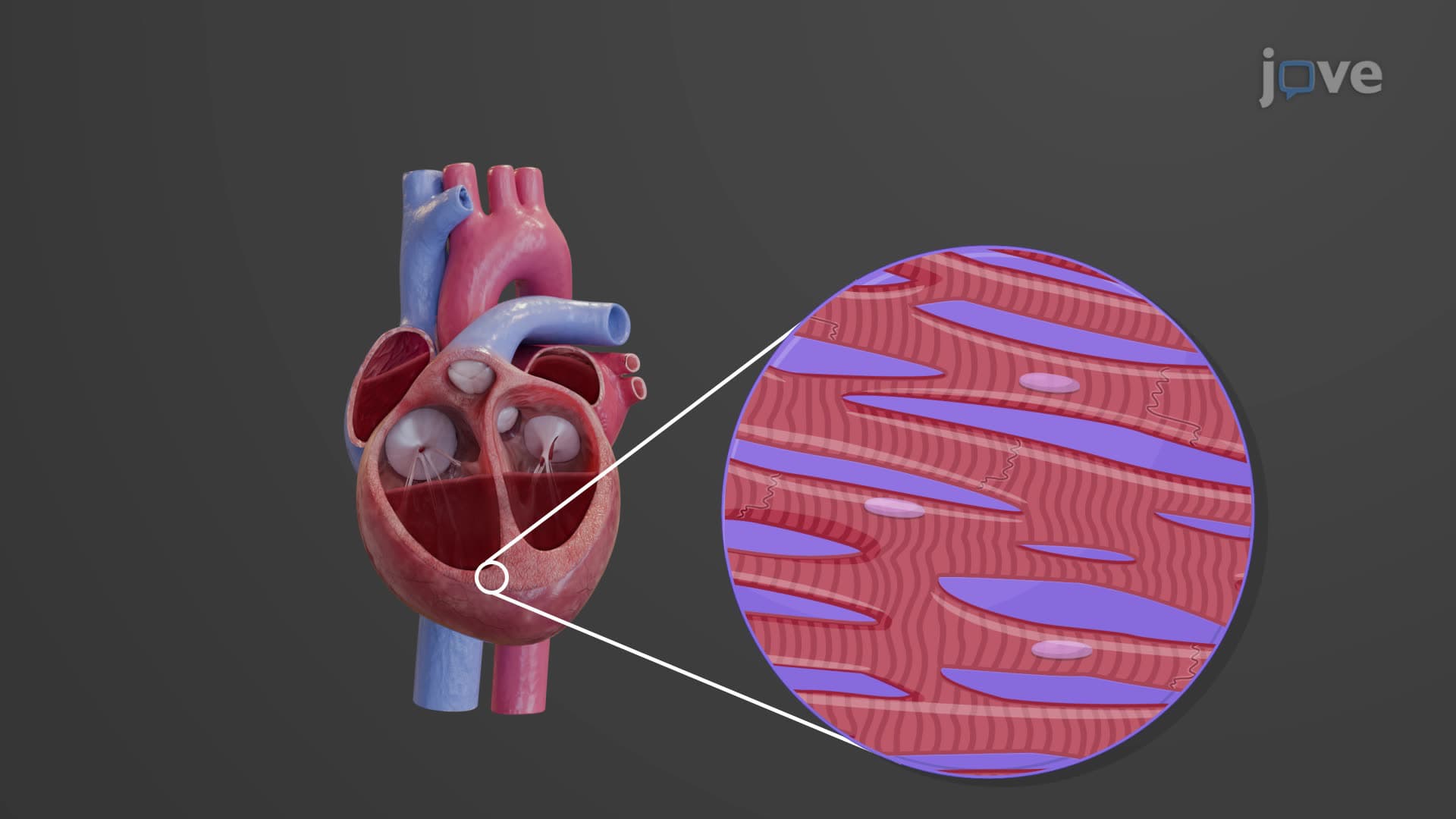
Regular endurance training produces profound cardiac adaptations that enhance cardiac reserve exercise capacity. Physiological cardiac hypertrophy-an increase in heart muscle size and strength-allows trained hearts to pump more blood per beat. This adaptation explains why marathon runners like Ryan Hall maintain resting heart rates in the 40s while achieving stroke volumes 40-50% higher than sedentary individuals.
These adaptations have practical implications for healthcare professionals and students preparing for exams like the NCLEX or HESI A2. Understanding that trained athletes can achieve similar resting cardiac outputs with fewer, more powerful heartbeats helps explain their enhanced cardiovascular efficiency and recovery patterns.
The exercise cardiovascular response has significant implications for cardiac rehabilitation programs used in hospitals across the United States. Patients recovering from myocardial infarction gradually rebuild their cardiac output capacity through carefully monitored exercise protocols. Similarly, exercise physiologists working with NASA astronauts or Olympic Training Center athletes apply these principles to optimize performance while preventing cardiovascular overtraining.
For students tackling AP Biology or college-level exercise physiology courses, understanding these concepts provides essential foundation knowledge for more advanced topics like oxygen uptake kinetics, lactate threshold determination, and cardiovascular disease prevention strategies.
Related Micro-courses