Loading video…


 19 Concepts
 112.2K views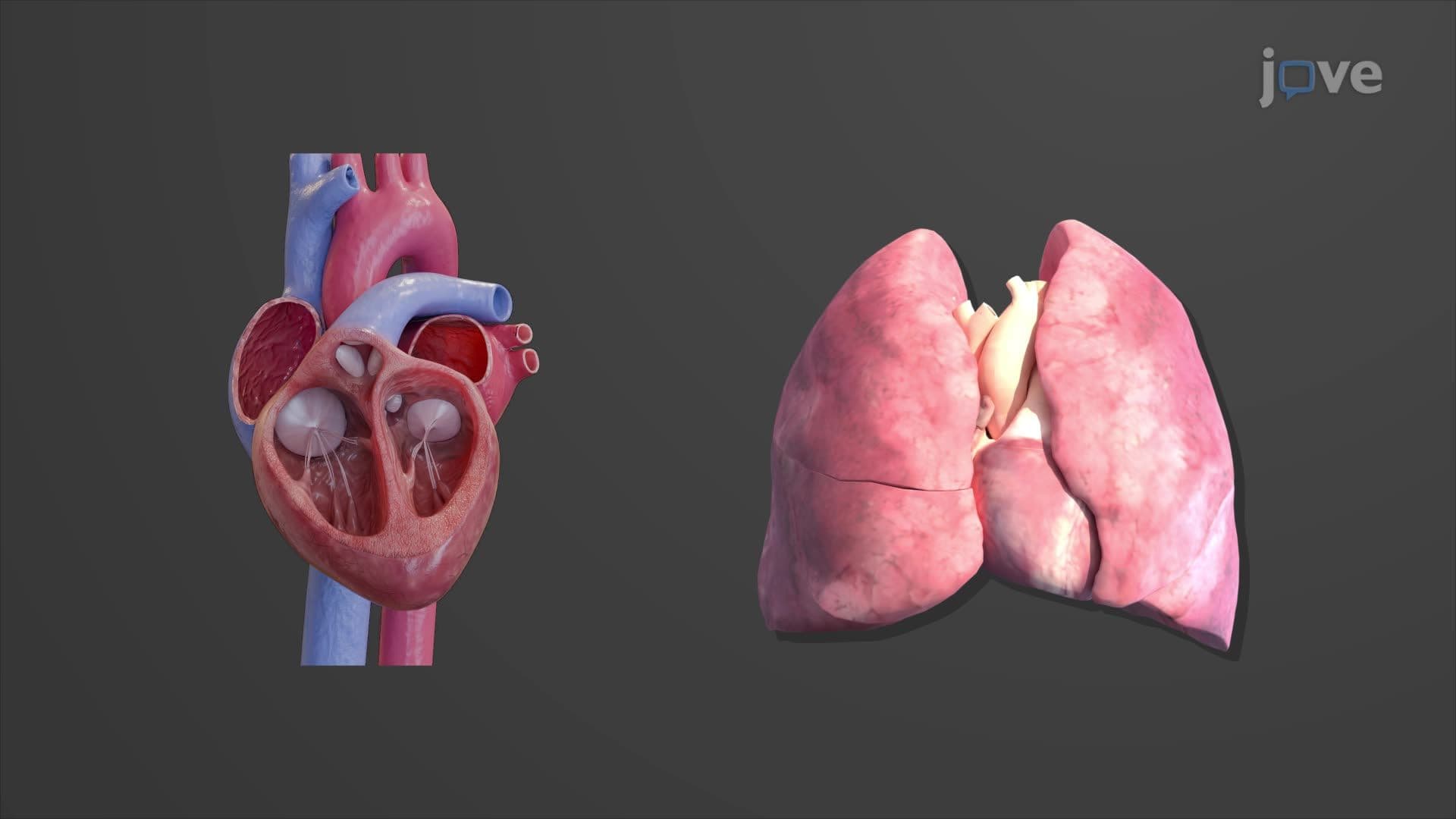

Video Summary: What Is Imbalances in Cardiac Output
Every minute, your heart pumps about 5 liters of blood-but cardiac output imbalances biology reveals how diseases can dramatically disrupt this vital function. When cardiac output drops below normal ranges, patients at major US medical centers like Cleveland Clinic face life-threatening complications from congestive heart failure to cardiogenic shock. Understanding what are imbalances in cardiac output helps explain why heart disease remains America's leading killer. Watch the full video on JoVE Coach to master this concept with expert-led visuals and step-by-step explanations.
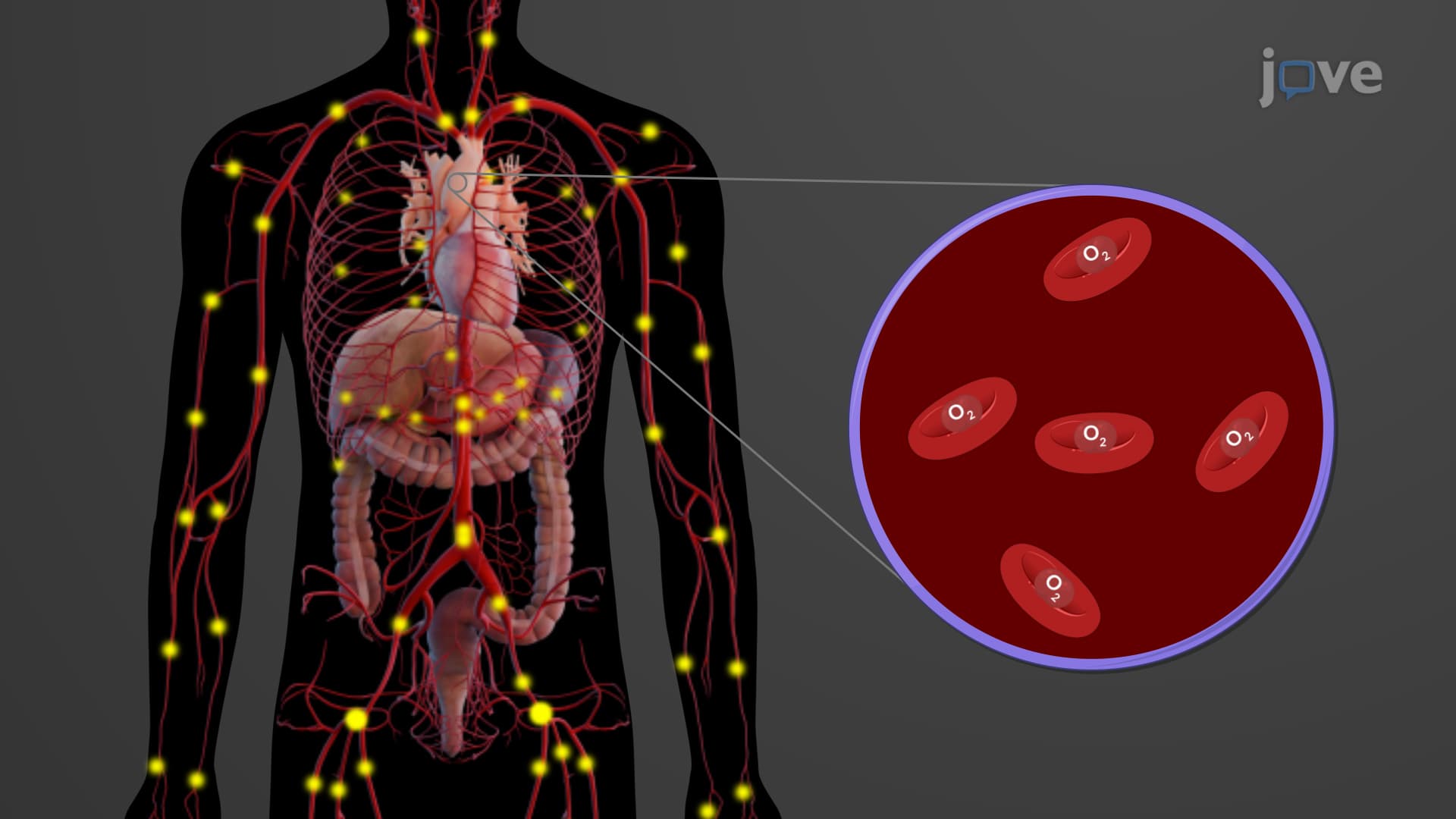
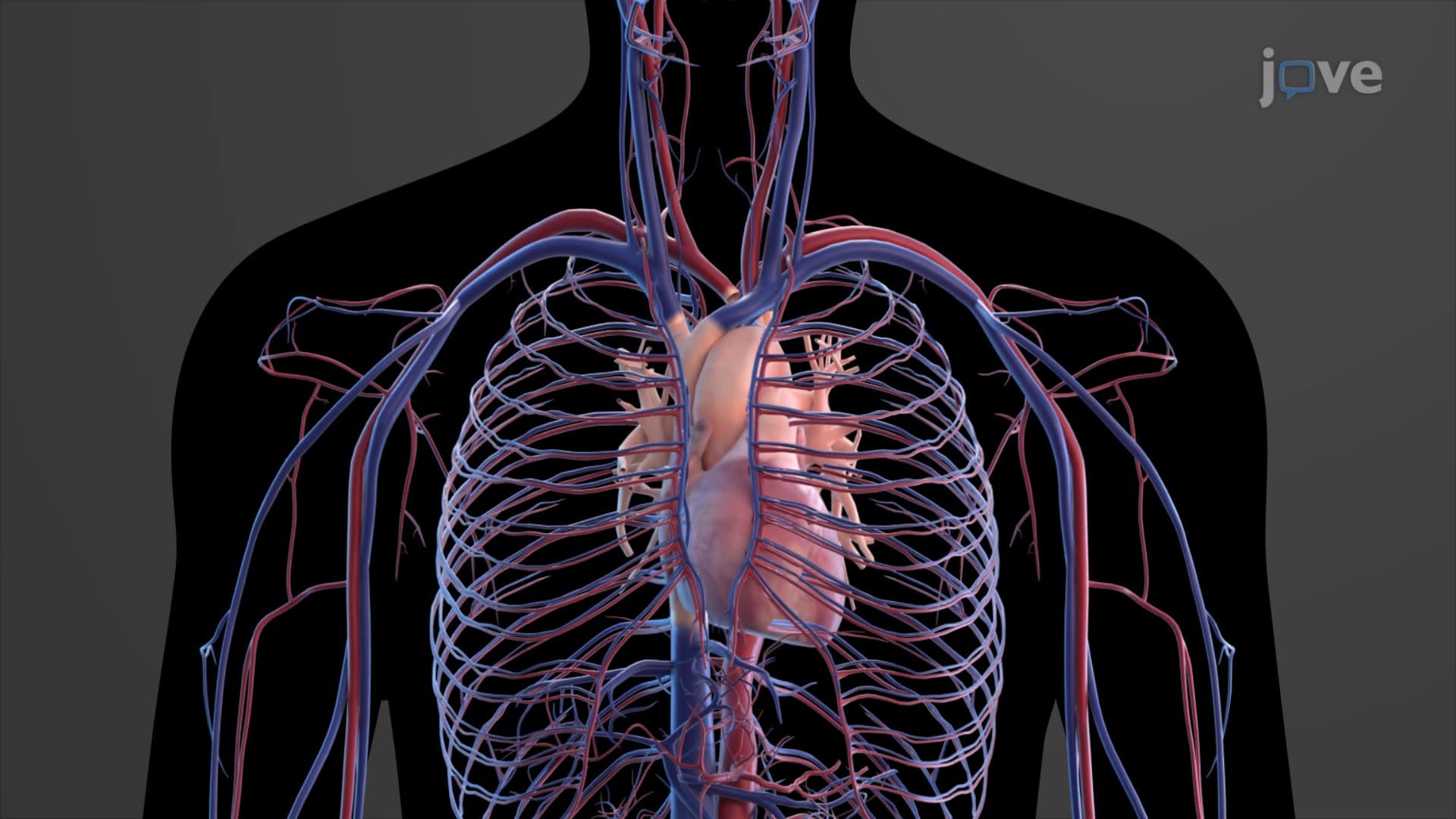
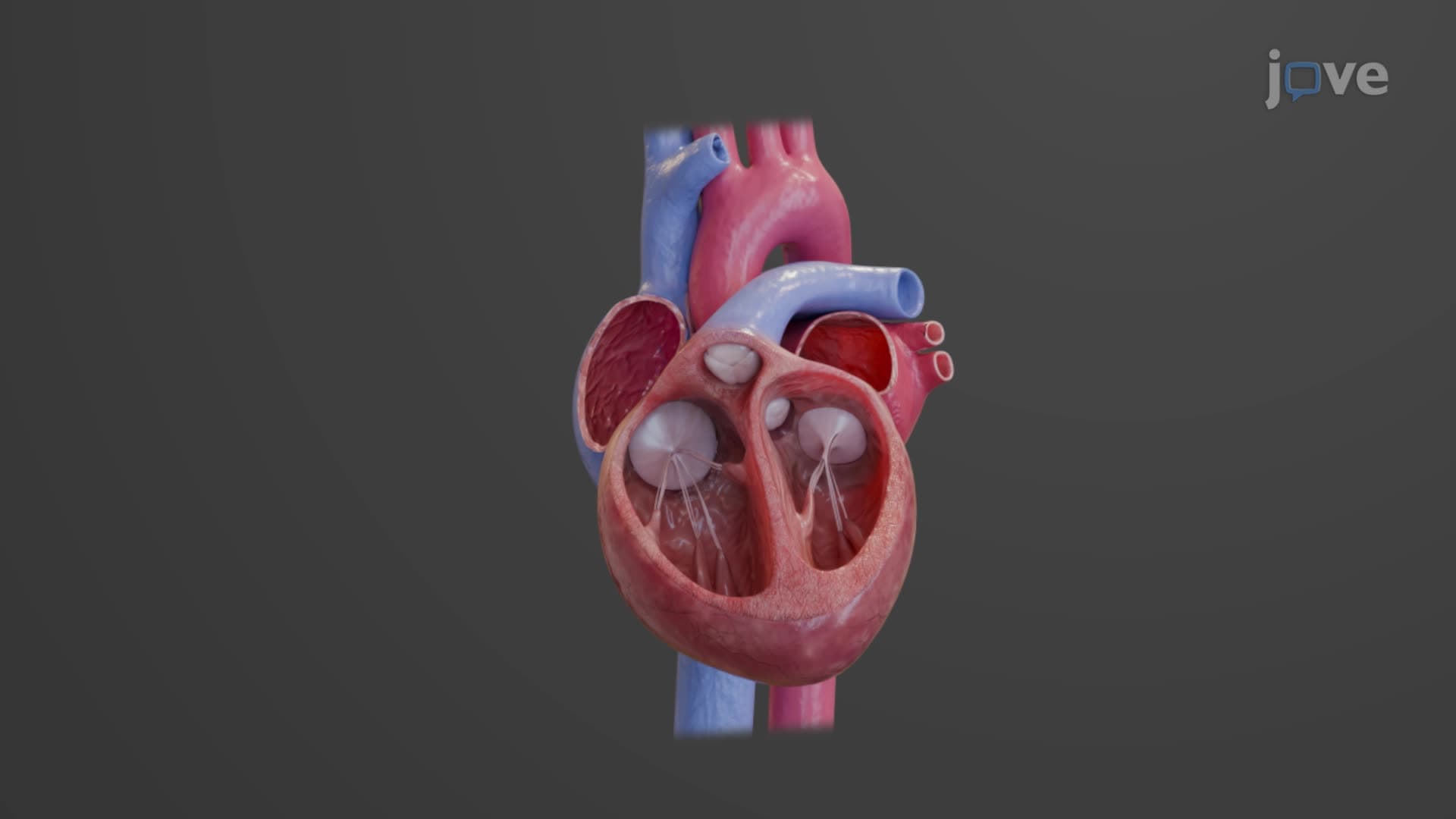
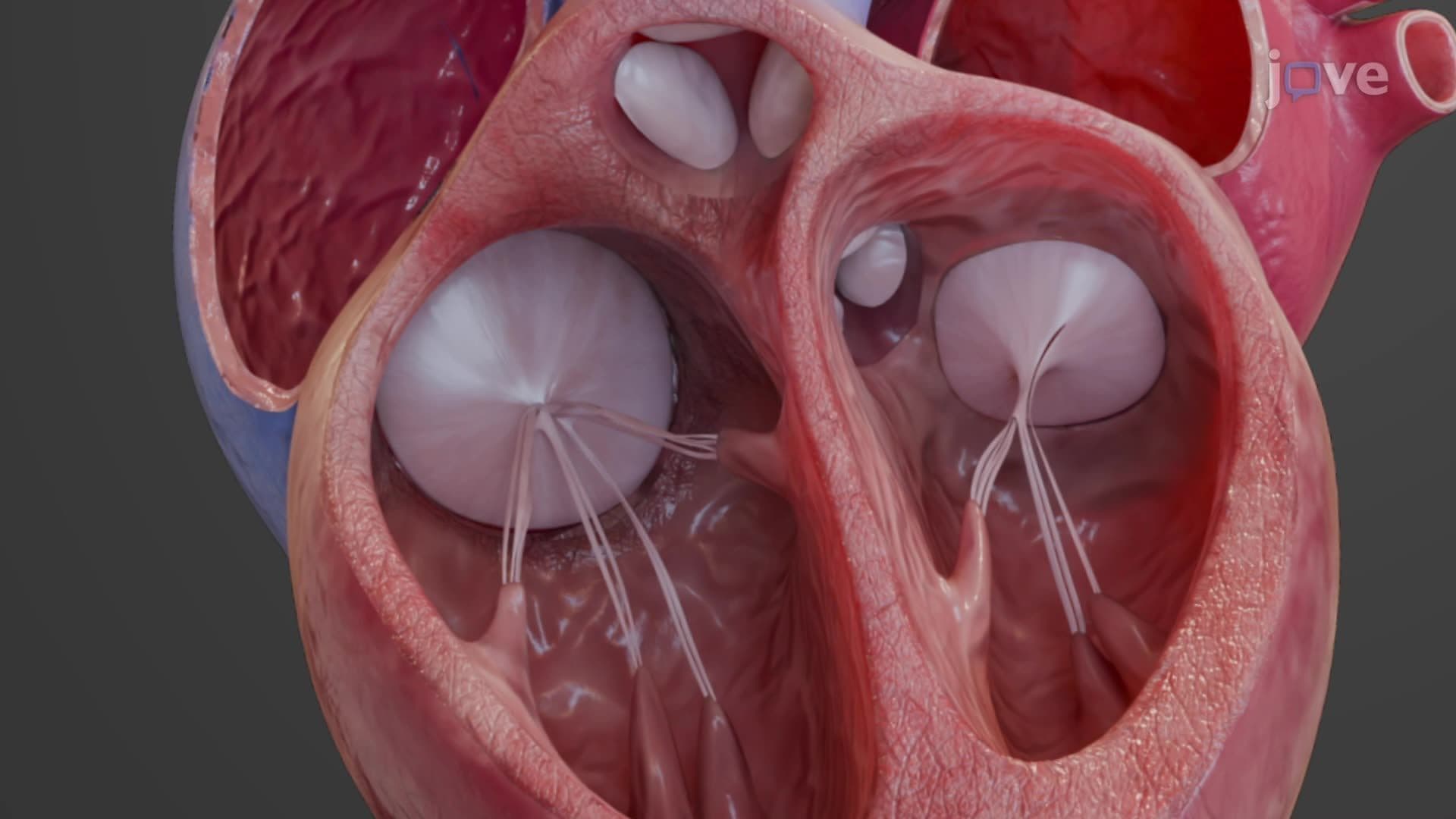
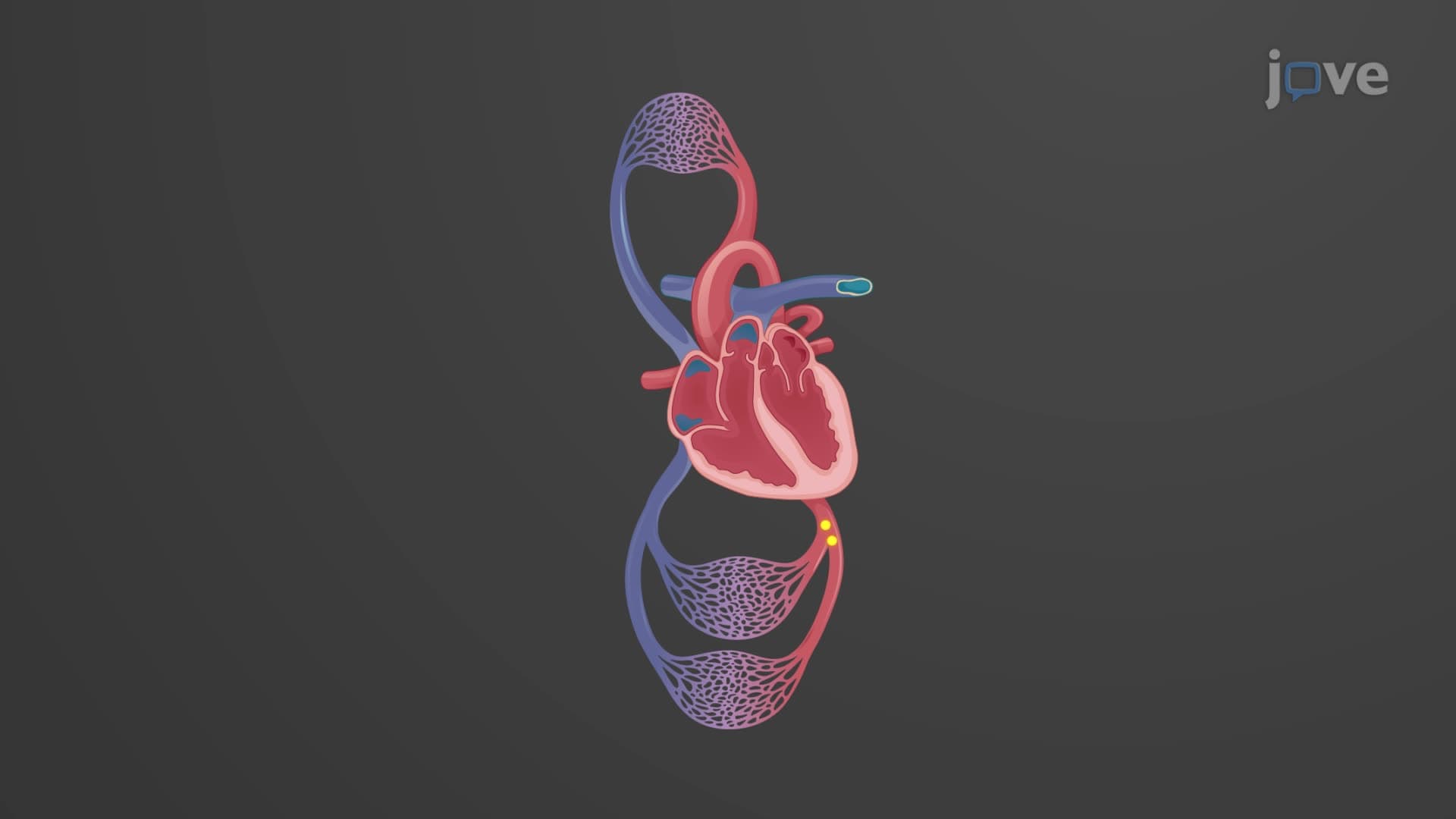
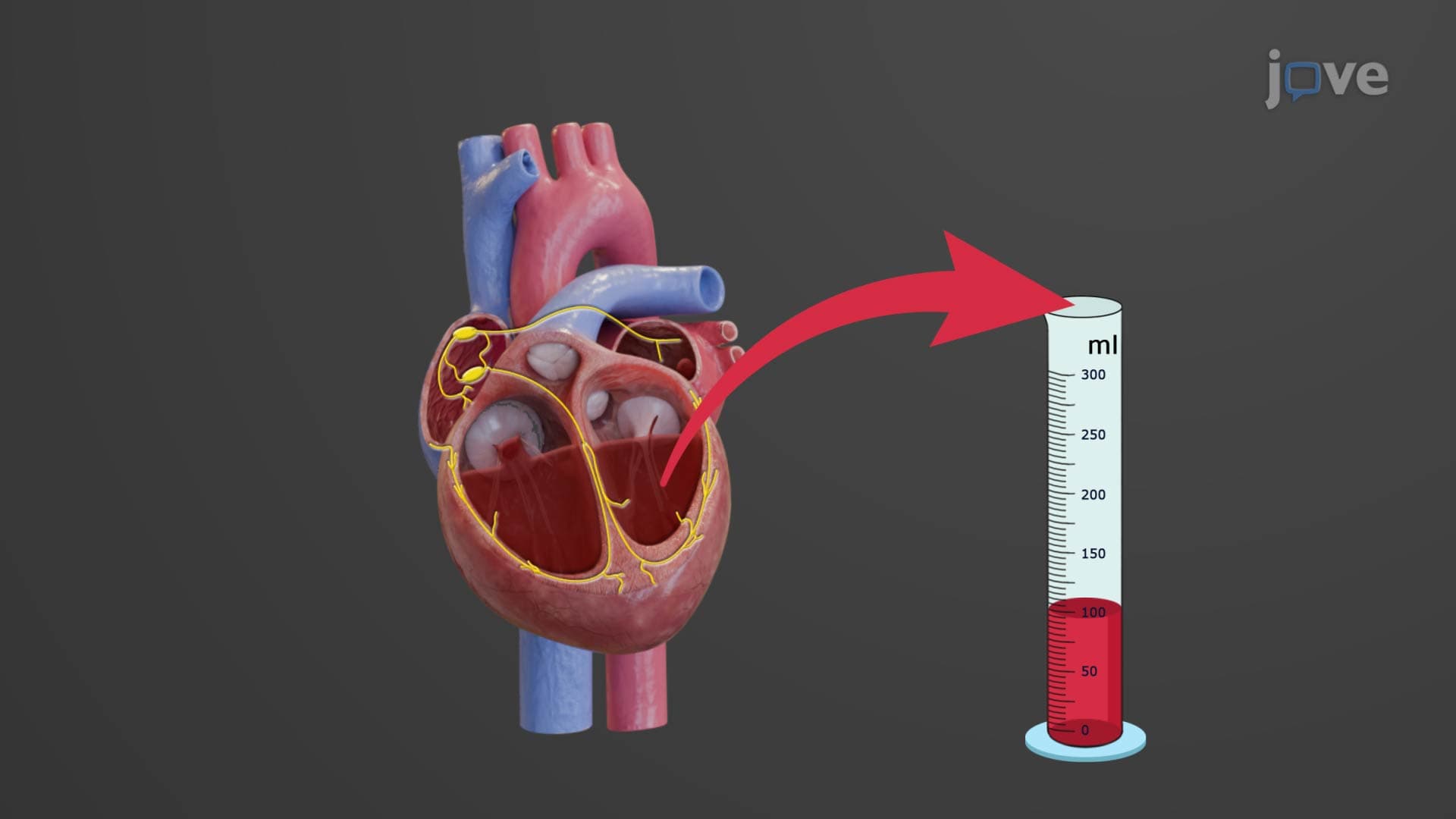
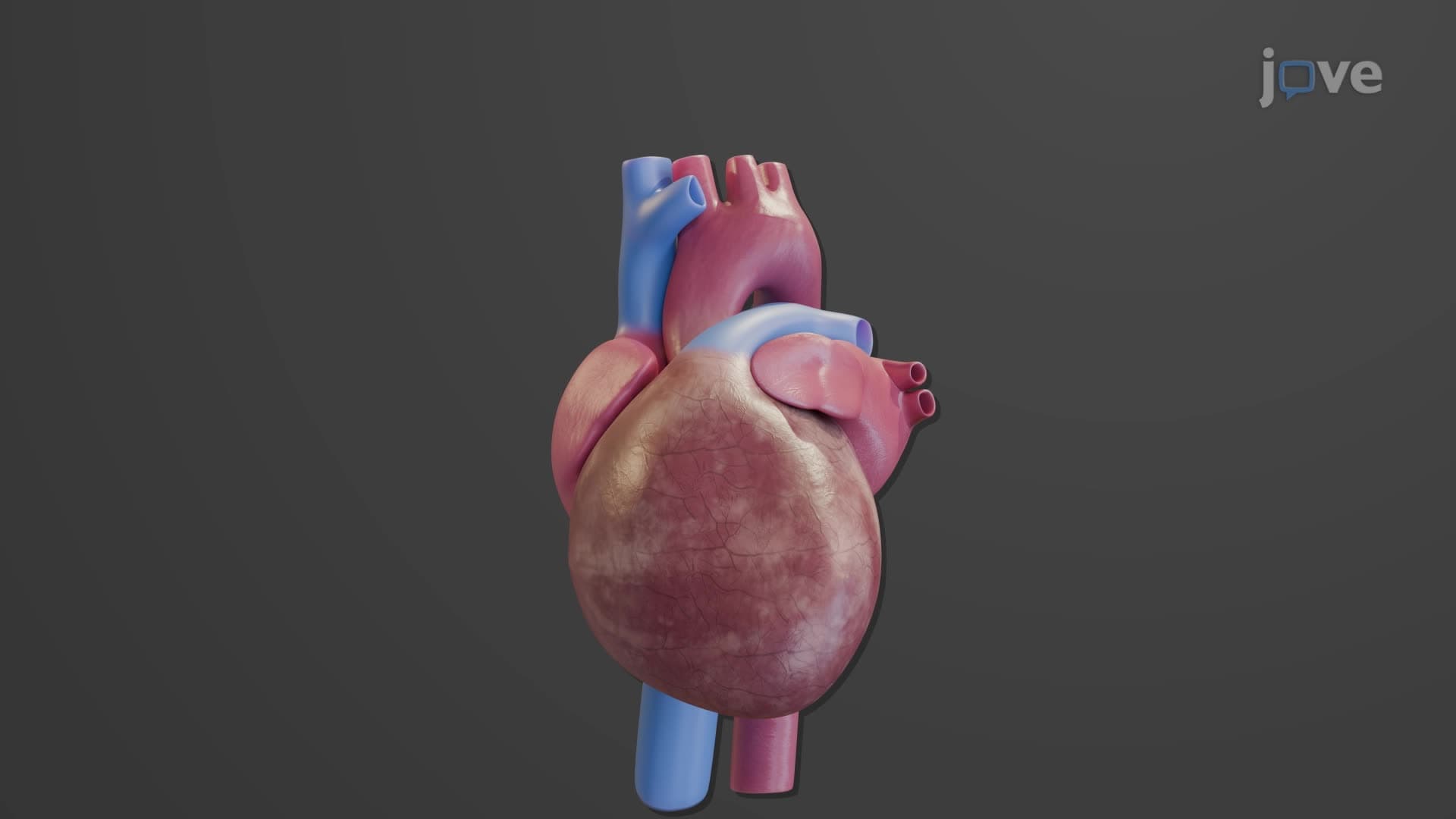
Cardiac output imbalances biology represents one of the most critical concepts in cardiovascular physiology. Cardiac output-the volume of blood pumped by the heart per minute-normally ranges from 4-8 liters in healthy adults. When this output becomes insufficient to meet the body's metabolic demands, we observe abnormal cardiac output explained through various pathological mechanisms.
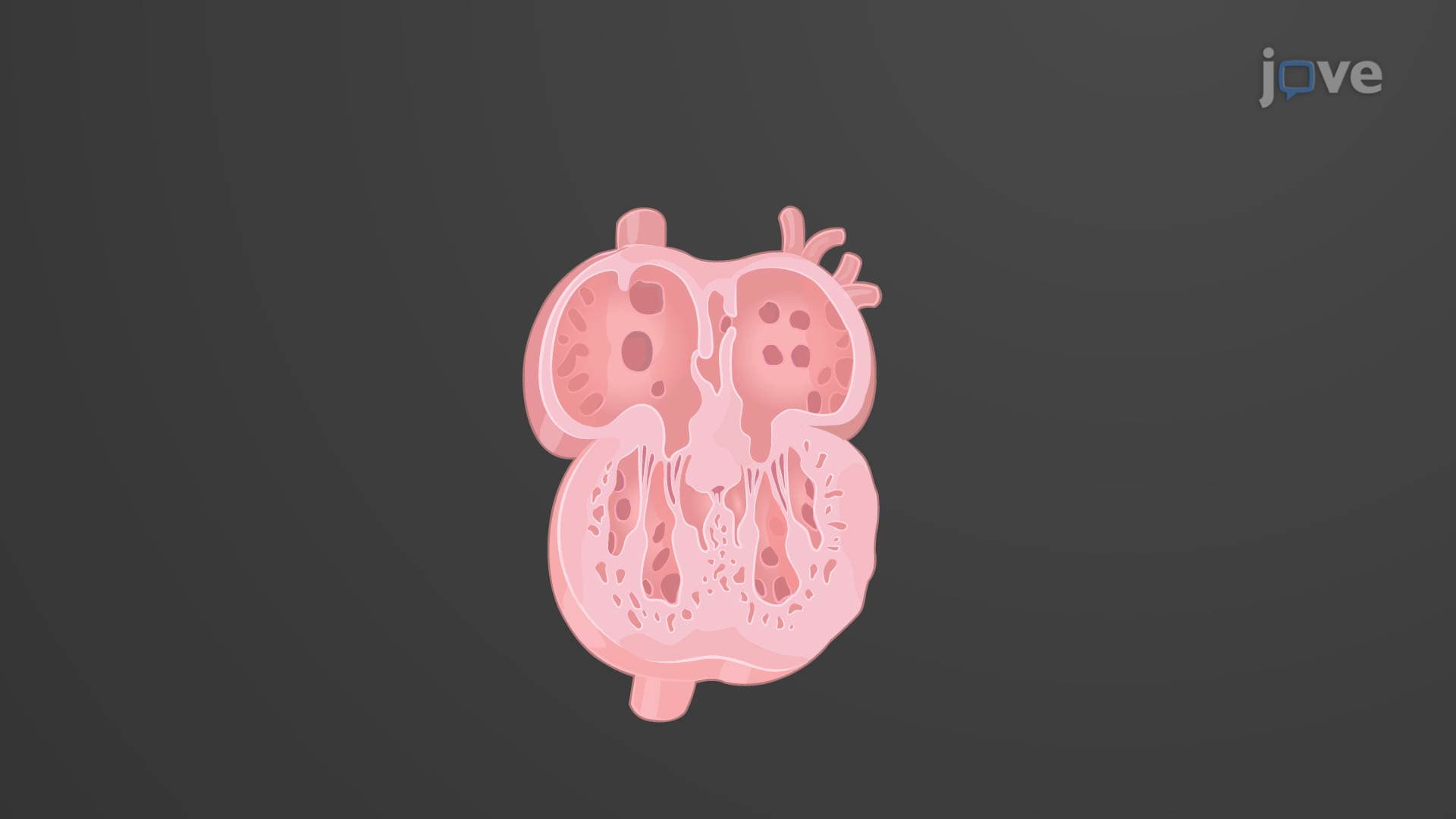
Heart failure reduced CO occurs when the heart cannot pump blood effectively, creating a cascade of compensatory mechanisms that ultimately worsen the condition. In the United States, over 6 million adults live with heart failure, with the condition contributing to approximately 379,000 deaths annually according to the American Heart Association.
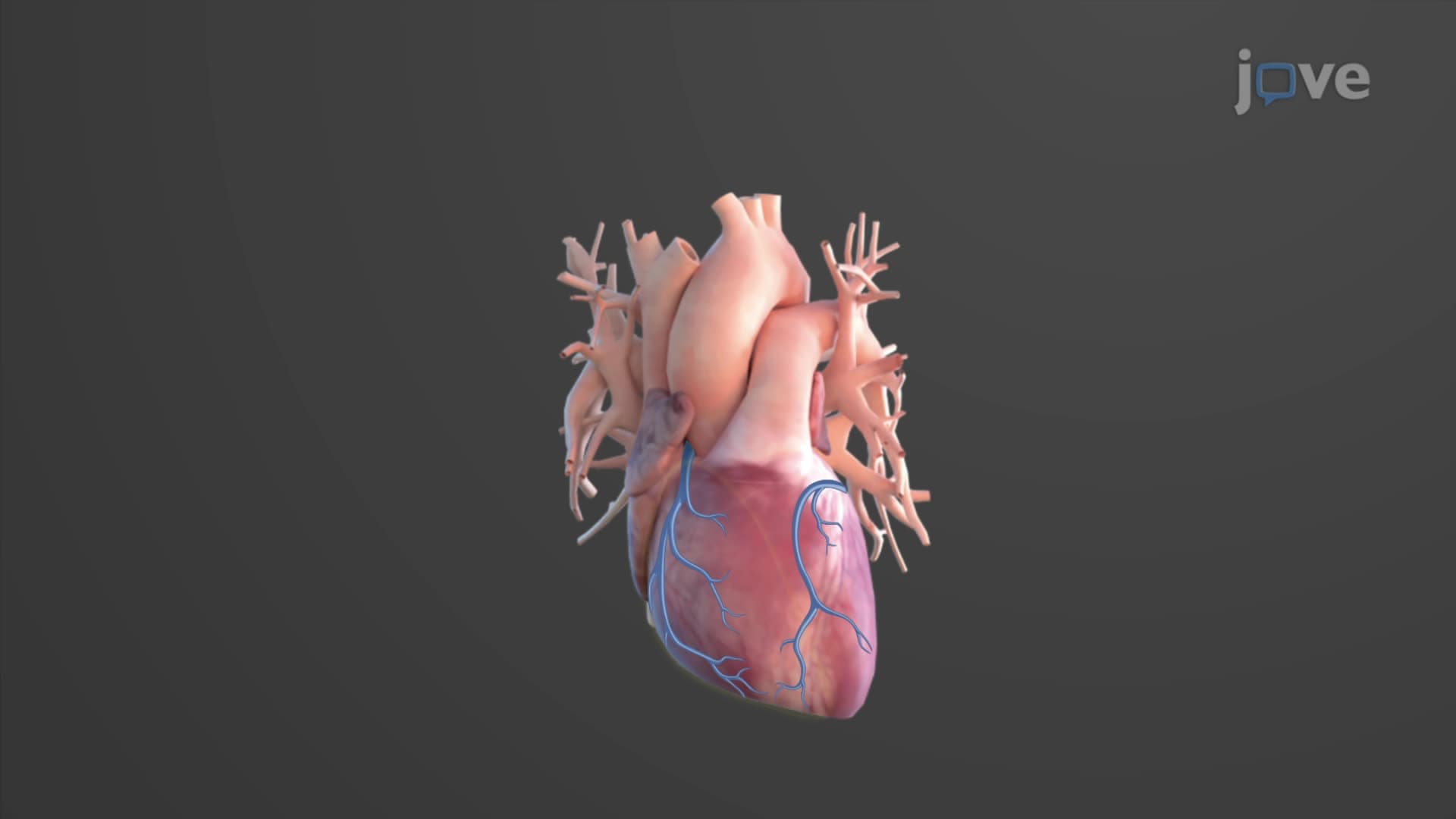
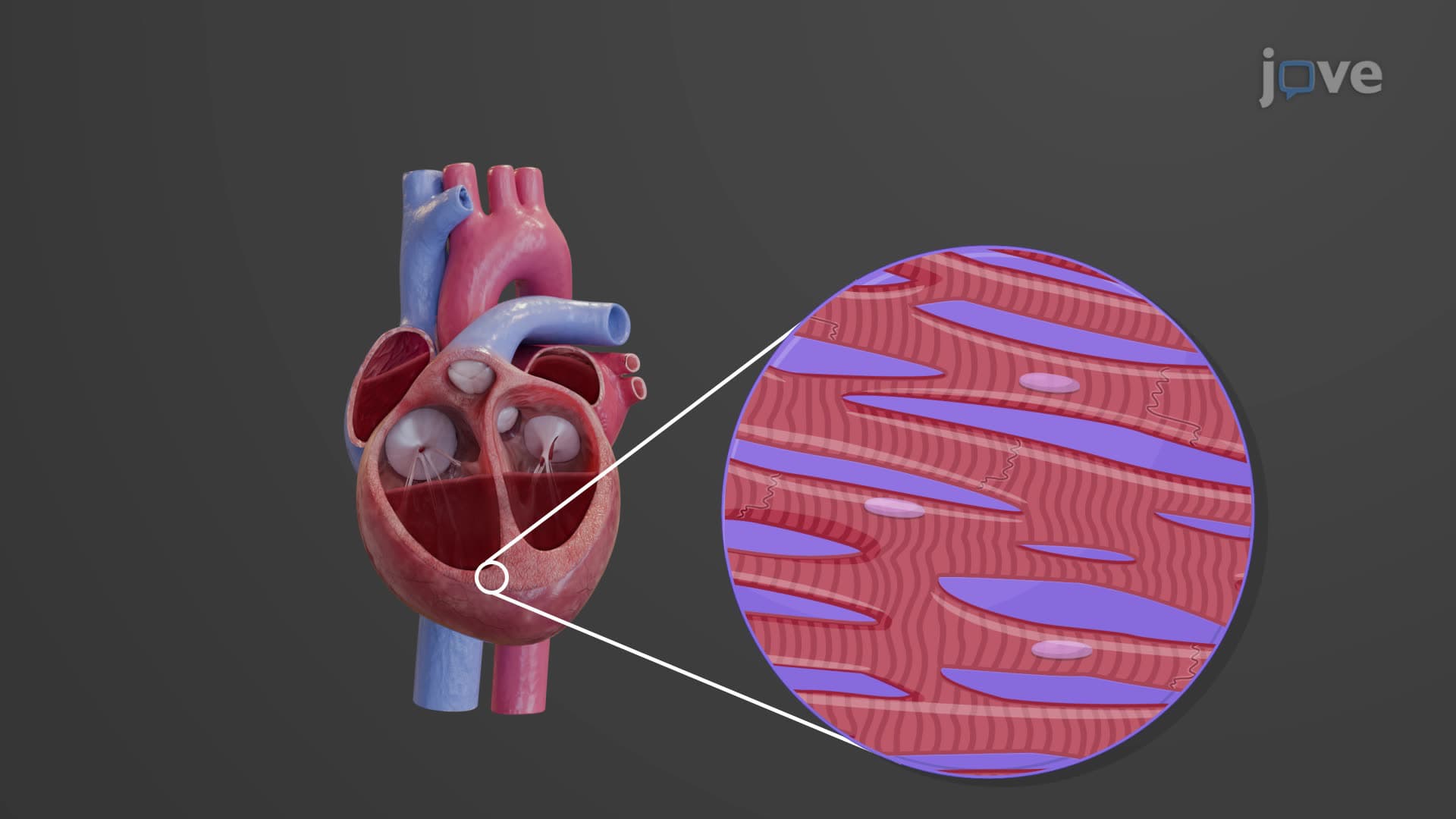
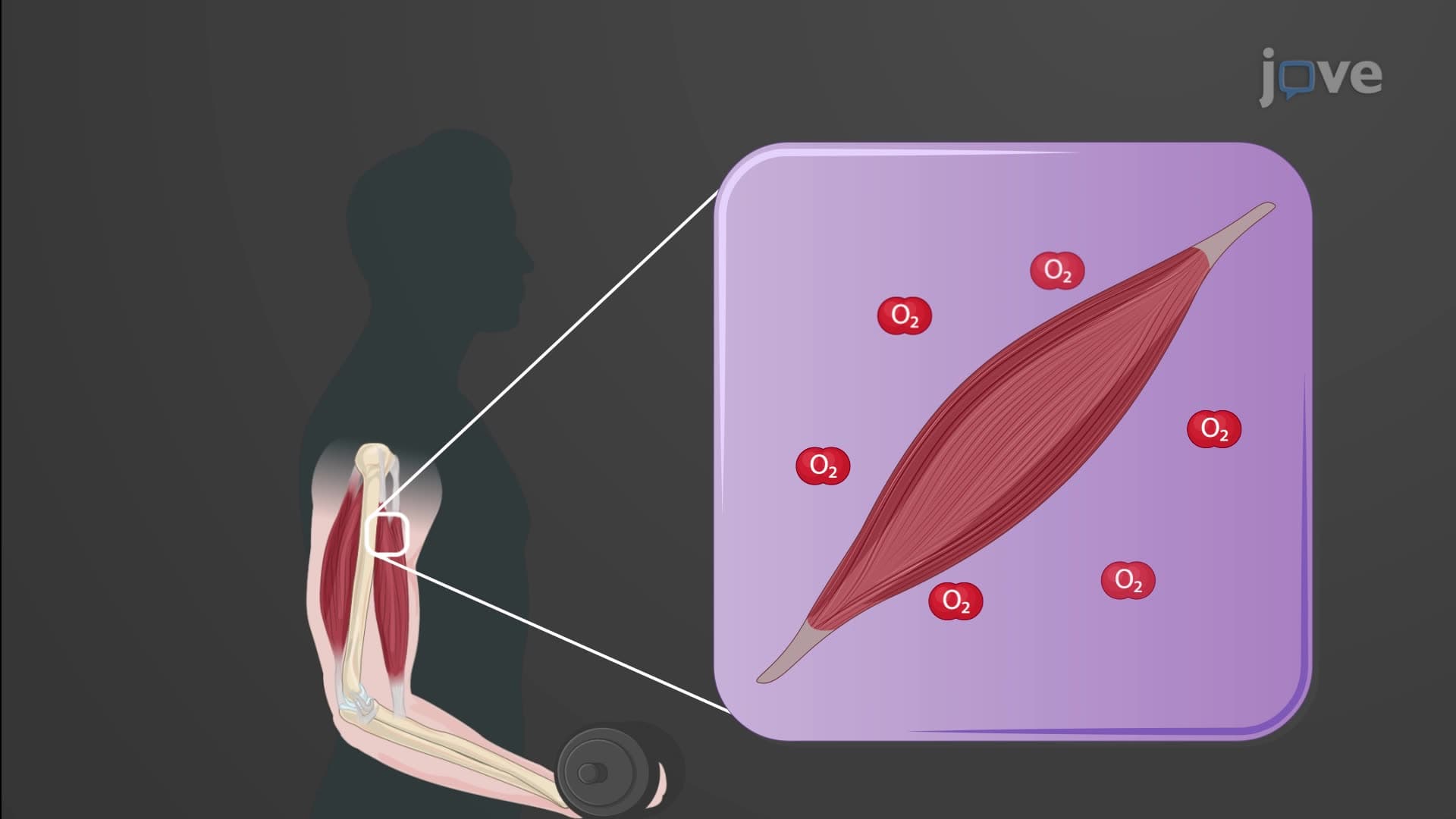
The most common cause involves coronary atherosclerosis, where fatty plaques accumulate in coronary arteries supplying the myocardium. Major US hospitals like Mayo Clinic report that this process reduces oxygen delivery to heart muscle, weakening contractility. When a myocardial infarction occurs, dead cardiac tissue becomes replaced by non-contractile scar tissue, permanently reducing the heart's pumping capacity.
Understanding the distinct presentations helps students excel on exams like the MCAT and AP Biology. Left-sided heart failure creates cardiogenic shock low output scenarios where blood backs up into pulmonary circulation. Patients develop pulmonary edema-fluid accumulation in lung alveoli-causing severe breathing difficulties. Emergency departments across the US frequently treat these life-threatening presentations.
Right-sided heart failure produces different symptoms. When the right ventricle fails, venous blood cannot efficiently enter pulmonary circulation, causing peripheral congestion. Patients develop edema in ankles, legs, and abdomen as fluid accumulates in tissues.
While most cardiac output disorder cases involve reduced output, high output failure can occur in conditions like hyperthyroidism or severe anemia. These states force the heart to work harder despite normal contractility, eventually leading to failure through different mechanisms than traditional low-output scenarios.
For AP Biology and college physiology courses, understanding how preload, afterload, and contractility interact becomes crucial. Excessive preload from fluid overload initially increases cardiac output through the Frank-Starling mechanism, but eventually overextends myocardial fibers, reducing efficiency-a key concept frequently tested on standardized exams.
Related Micro-courses