Loading video…


 19 Concepts
 112.2K views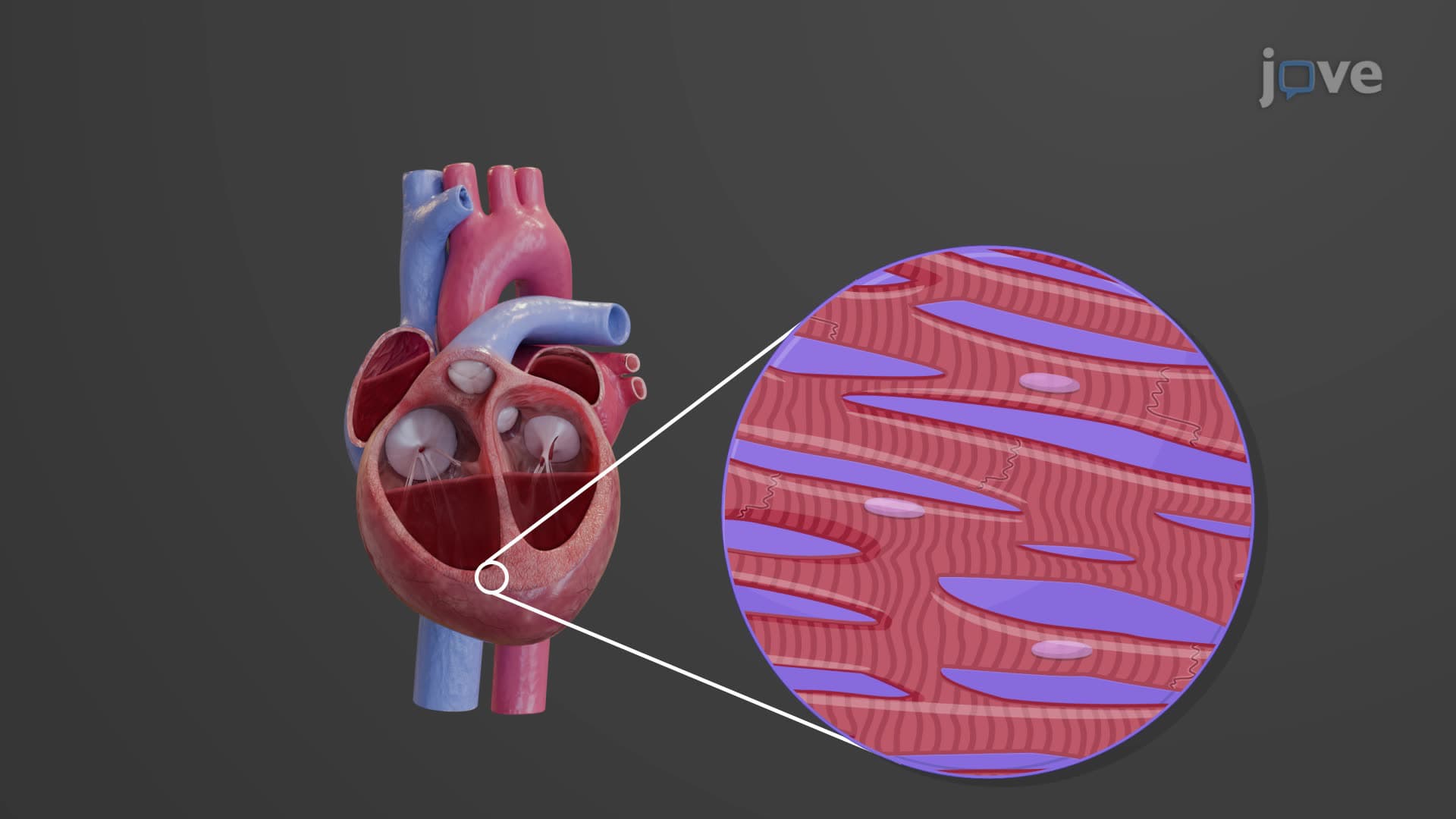

Video Summary: What Is Regulation of Stroke Volume
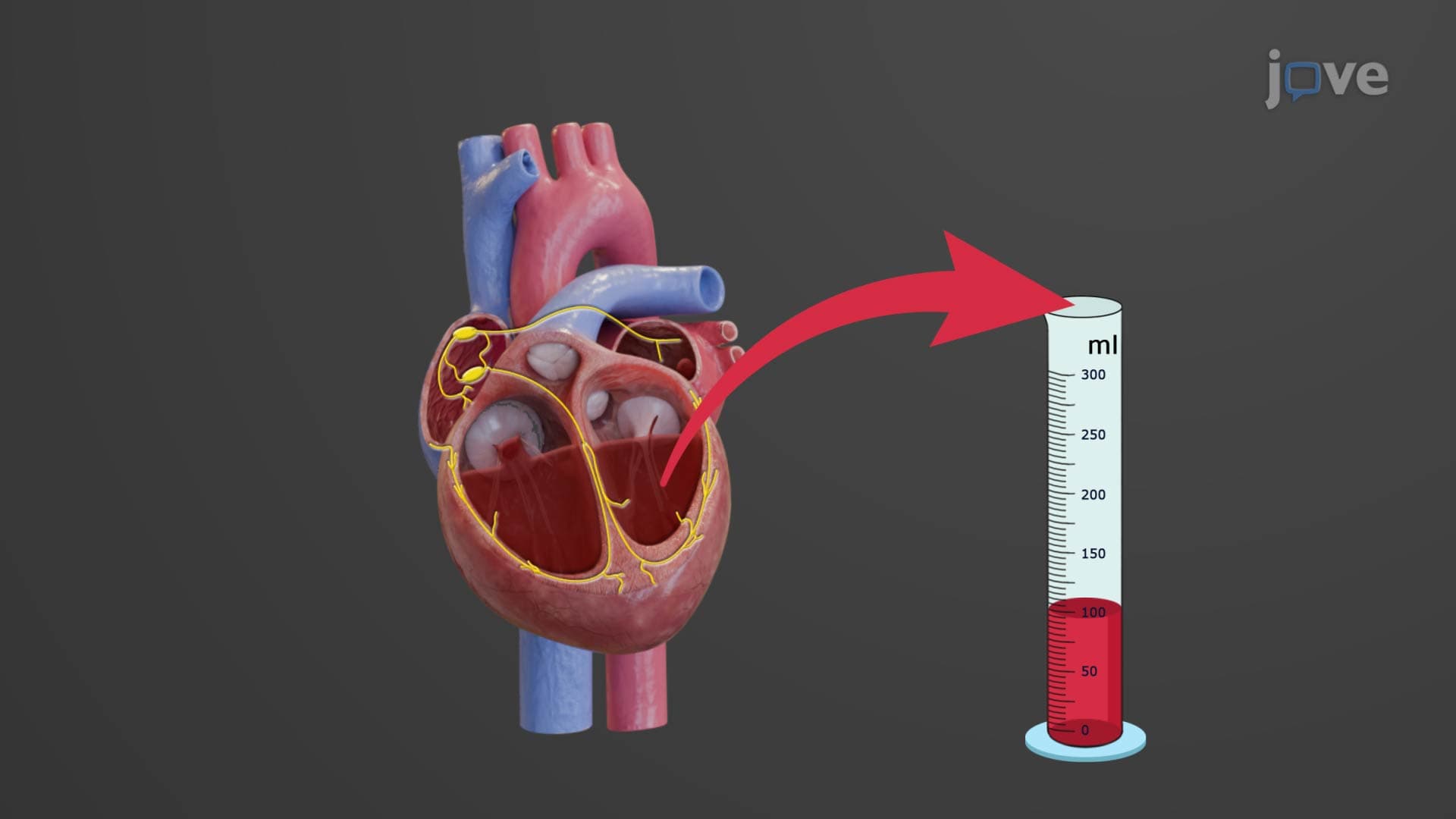
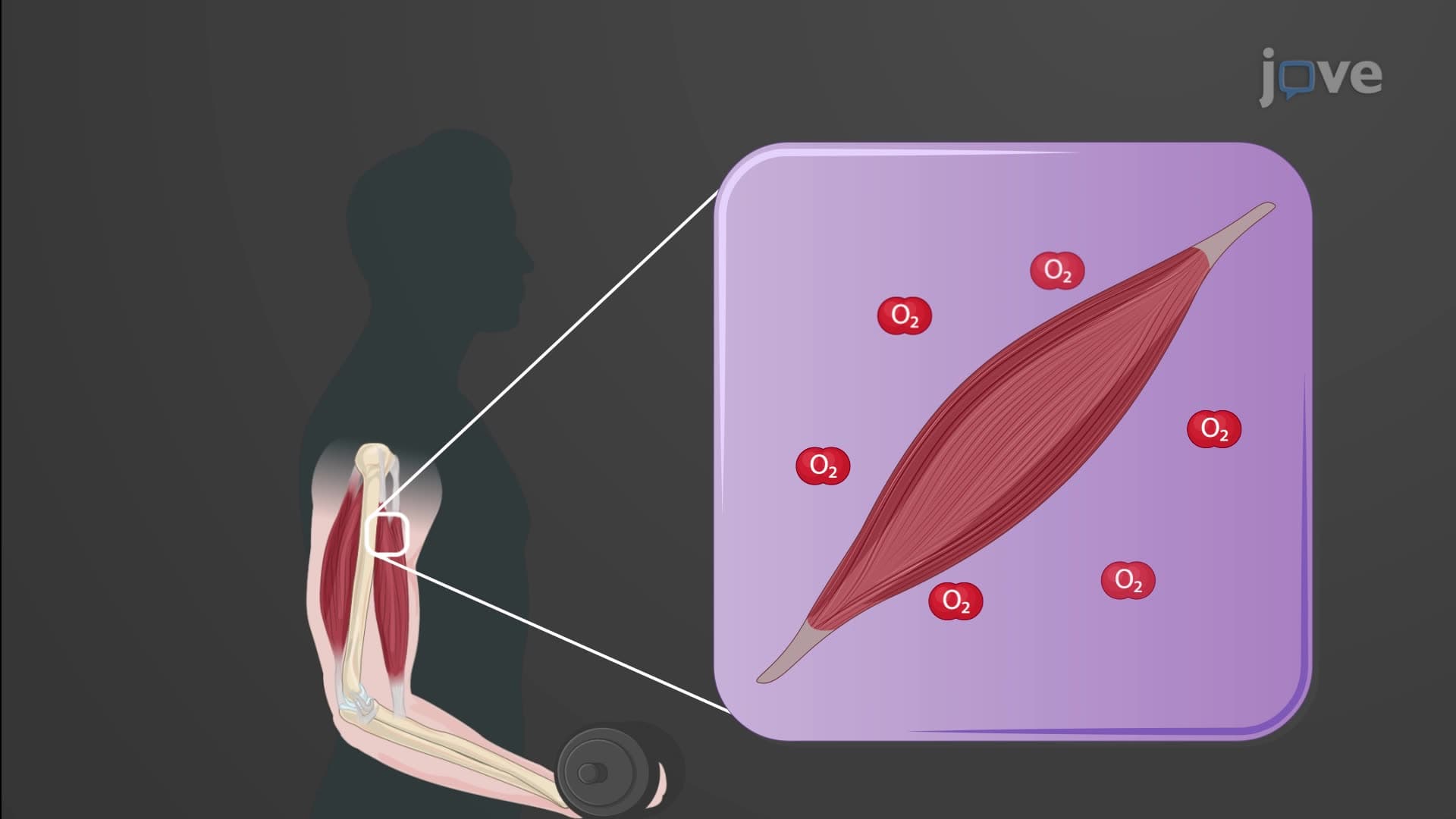
Ever wonder why your heart pumps harder during exercise? Stroke volume regulation physiology determines how much blood your heart ejects with each beat, controlled by three critical mechanisms. When a marathon runner like those competing in the Boston Marathon needs more oxygen, their heart automatically adjusts stroke volume through preload, contractility, and afterload changes. Understanding what is regulation of stroke volume reveals how your cardiovascular system adapts to daily demands, from climbing stairs to intense workouts. Watch the full video on JoVE Coach to master this concept with expert-led visuals and step-by-step explanations.
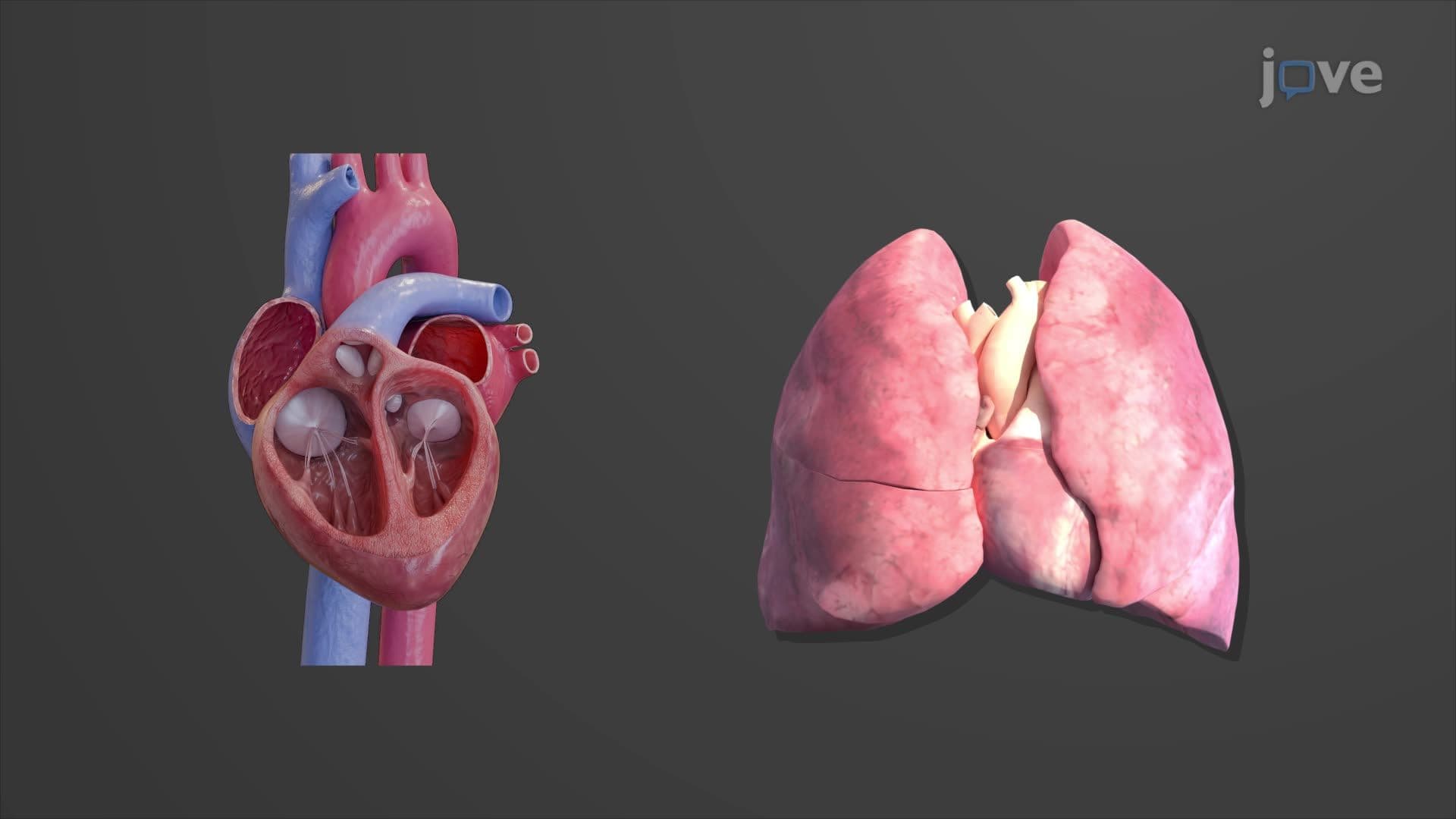
What is regulation of stroke volume encompasses the body's sophisticated control system that adjusts cardiac output to meet metabolic demands. This regulation operates through three interconnected mechanisms that work continuously to optimize heart performance, whether you're studying for the MCAT or simply walking to class.
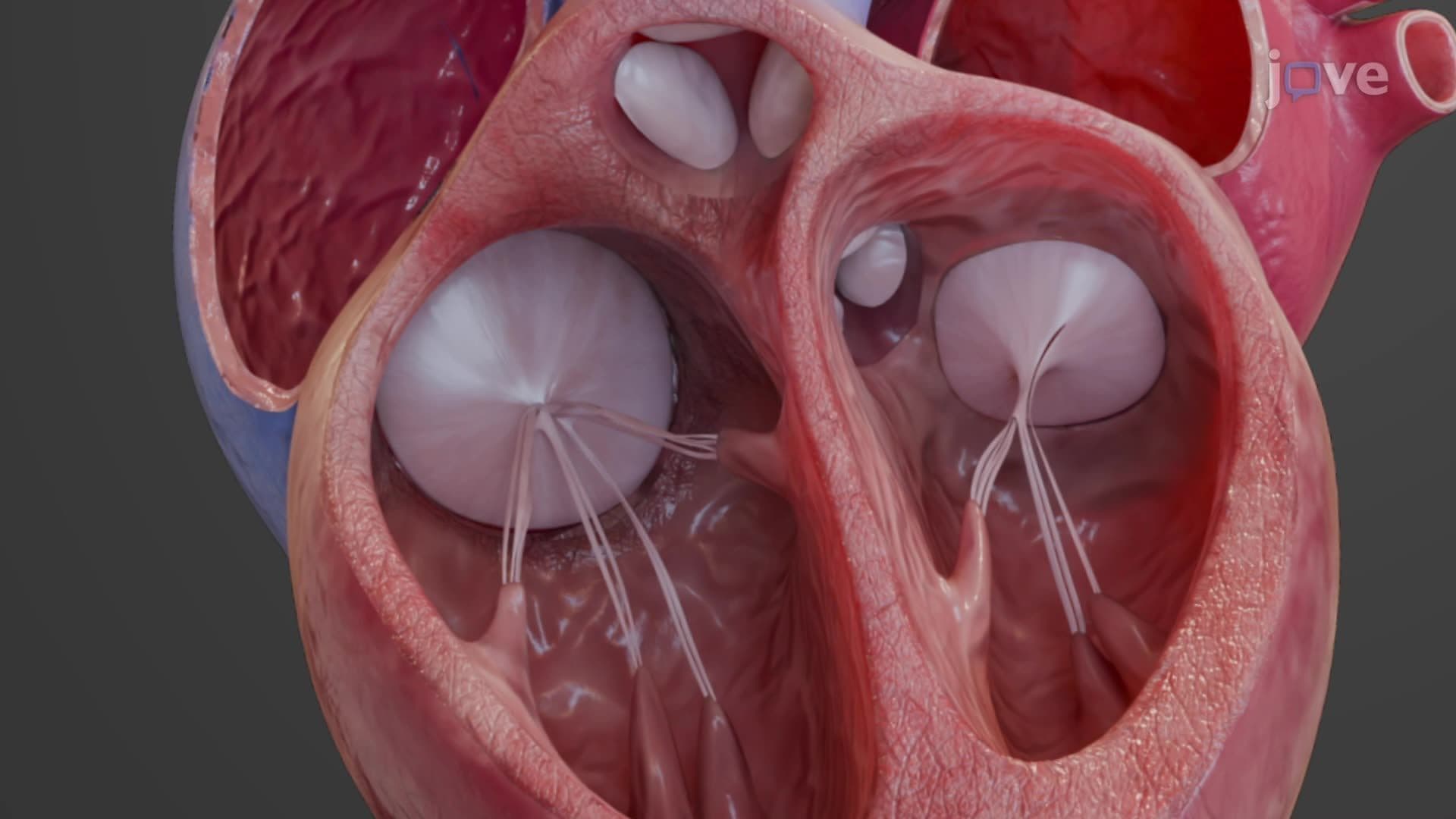
Preload represents the initial stretching of cardiac muscle fibers before contraction, directly related to venous return and end-diastolic volume. The preload Starling mechanism demonstrates that increased ventricular filling creates greater muscle fiber stretch, generating more forceful contractions. Consider a student athlete during basketball practice-as exercise increases venous return, elevated preload automatically enhances stroke volume without nervous system intervention.
This Frank Starling law heart relationship proves crucial for AP Biology students understanding cardiac physiology. The mechanism explains why patients receiving IV fluids show increased cardiac output, or conversely, why dehydration reduces stroke volume. Medical school entrance exams frequently test this concept through scenarios involving blood loss, fluid therapy, or exercise physiology.
Contractility stroke volume relationships involve the heart's intrinsic ability to contract at any given preload level. Positive inotropic agents like epinephrine enhance calcium availability, increasing contractility and stroke volume-explaining why emergency medications can rapidly improve cardiac output in critical patients at hospitals like Johns Hopkins or Mayo Clinic.
Negative inotropic influences, including certain medications or heart disease, reduce contractility regardless of preload. Understanding these stroke volume regulation factors helps students grasp why heart failure patients may have normal filling pressures but reduced ejection fractions.
Afterload vascular resistance creates the pressure threshold ventricles must overcome during ejection. Elevated afterload, common in hypertensive patients throughout the US healthcare system, forces the heart to work harder while reducing stroke volume efficiency. This concept frequently appears on USMLE Step 1 examinations through hypertension case studies.
Clinical examples include aortic stenosis patients, where increased afterload significantly impacts stroke volume, or antihypertensive medications that reduce afterload to improve cardiac performance. College physiology courses emphasize these relationships when teaching cardiovascular pathophysiology and therapeutic interventions.
Related Micro-courses