Loading subject page…


34,747 views

Video Summary: Carbohydrates Dietary Sources and Requirements Explained
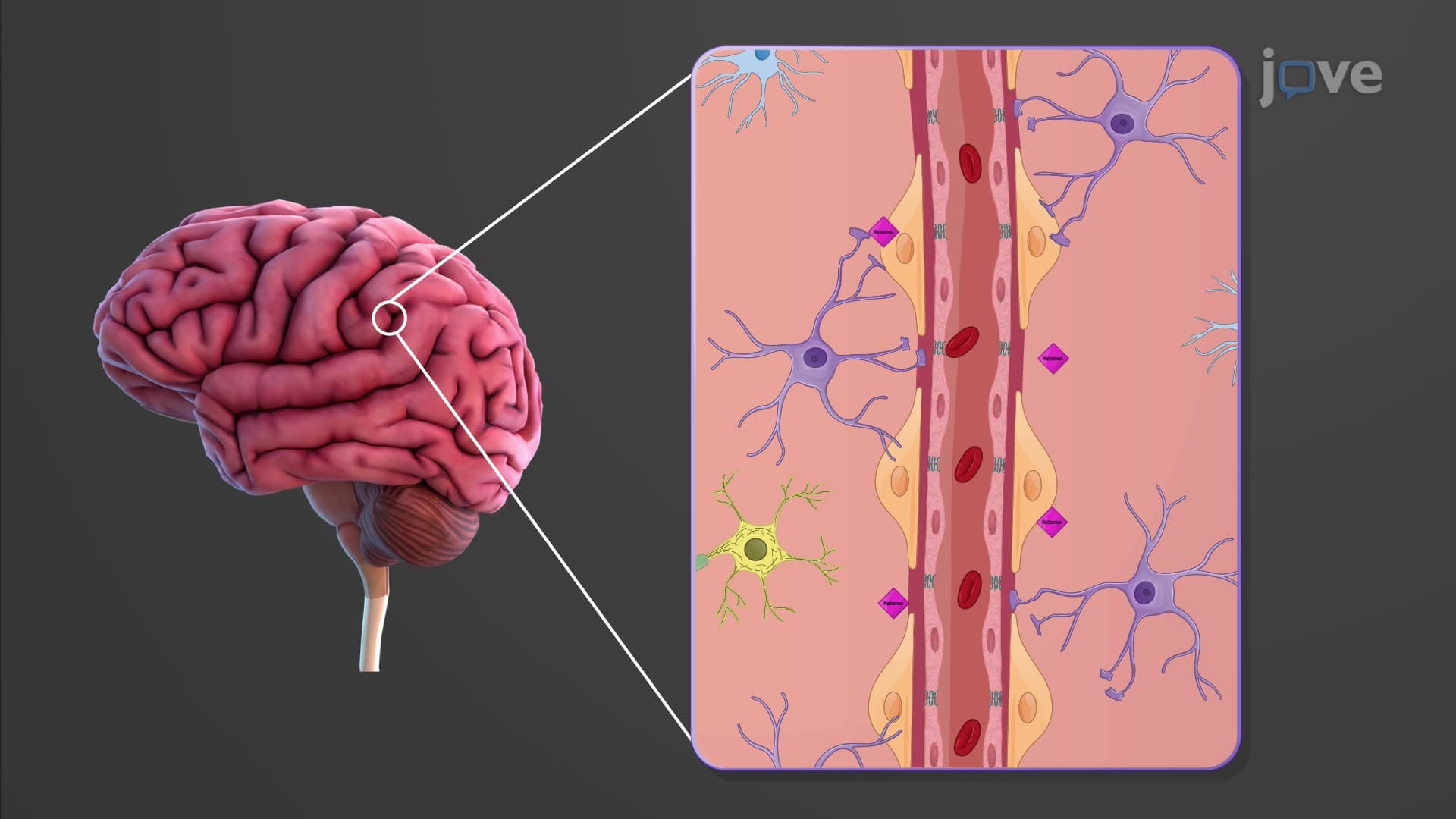
Did you know that your brain alone consumes about 20% of your daily carbohydrate intake, making dietary carbohydrates sources requirements essential for optimal cognitive function? From the glucose in a typical American breakfast cereal to the fiber in whole wheat bread, understanding carbohydrates dietary sources and requirements explained helps you make informed nutritional choices that fuel cellular processes and maintain health. Watch the full video on JoVE Coach to master this concept with expert-led visuals and step-by-step explanations.
Carbohydrates represent the body's preferred energy source, contributing 4 calories per gram and serving as the foundation of proper nutrition. The human body requires a steady supply of carbohydrates to fuel brain function, muscle contractions, and cellular metabolism. Understanding where these nutrients originate and how much we need becomes crucial for students preparing for AP Biology exams or college-level nutrition courses.
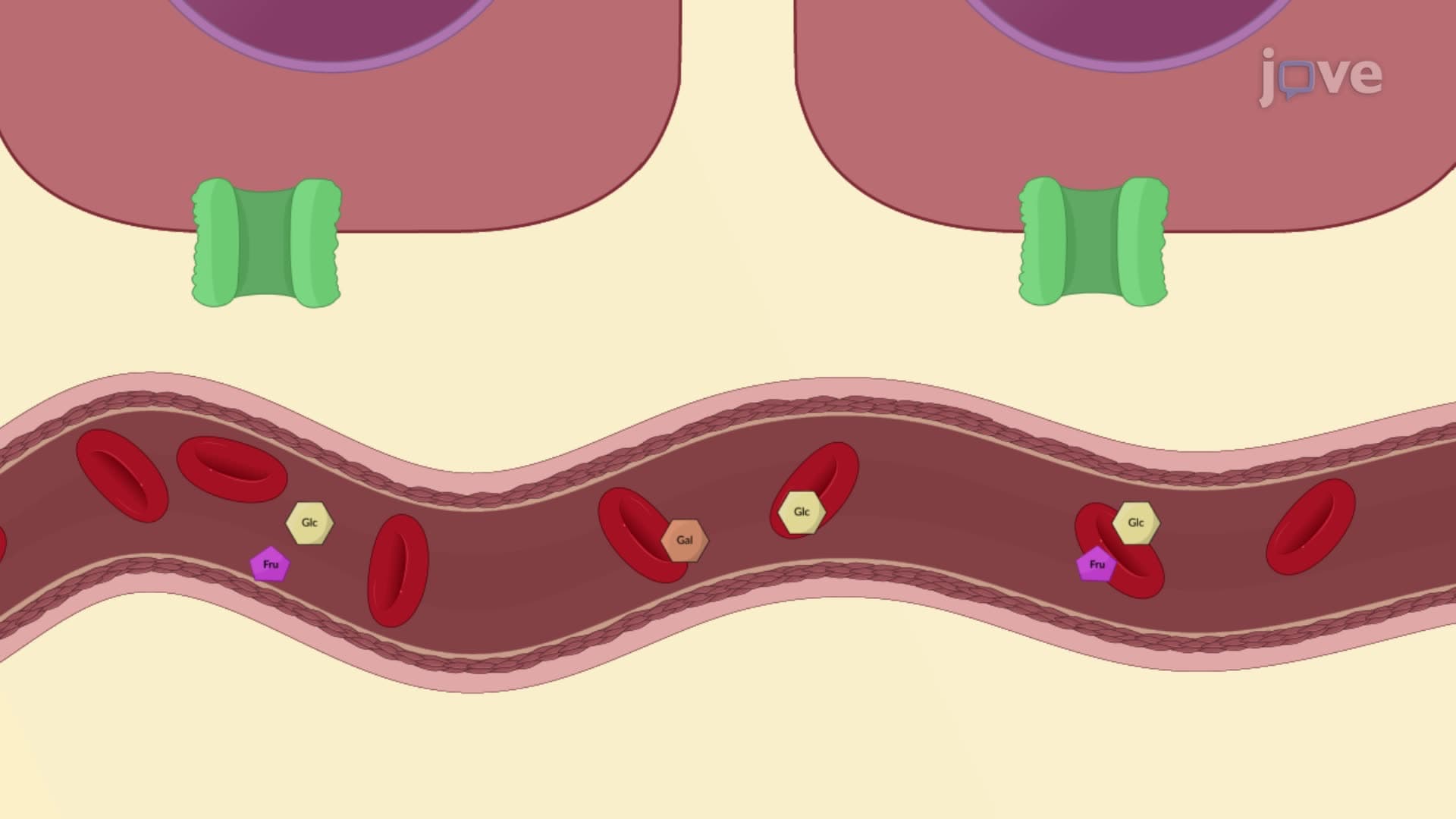
Simple carbohydrates provide quick energy through easily digestible sugars. Monosaccharides like glucose, fructose, and galactose are found naturally in fruits such as California oranges and Georgia peaches. American honey contains predominantly fructose and glucose, while milk provides lactose, a disaccharide combining glucose and galactose. Sucrose from Louisiana sugar cane represents another common disaccharide in the typical American diet. These simple sugars rapidly enter the bloodstream, making them ideal for immediate energy needs but potentially problematic for sustained energy or blood sugar control.
Complex carbohydrates offer sustained energy release and additional health benefits. Starch, found abundantly in Idaho potatoes, Iowa corn, and Kansas wheat, provides glucose molecules linked in long chains that require enzymatic breakdown. This slower digestion creates steady blood sugar levels, explaining why nutritionists recommend complex carbohydrates for 45-65% of total caloric intake.
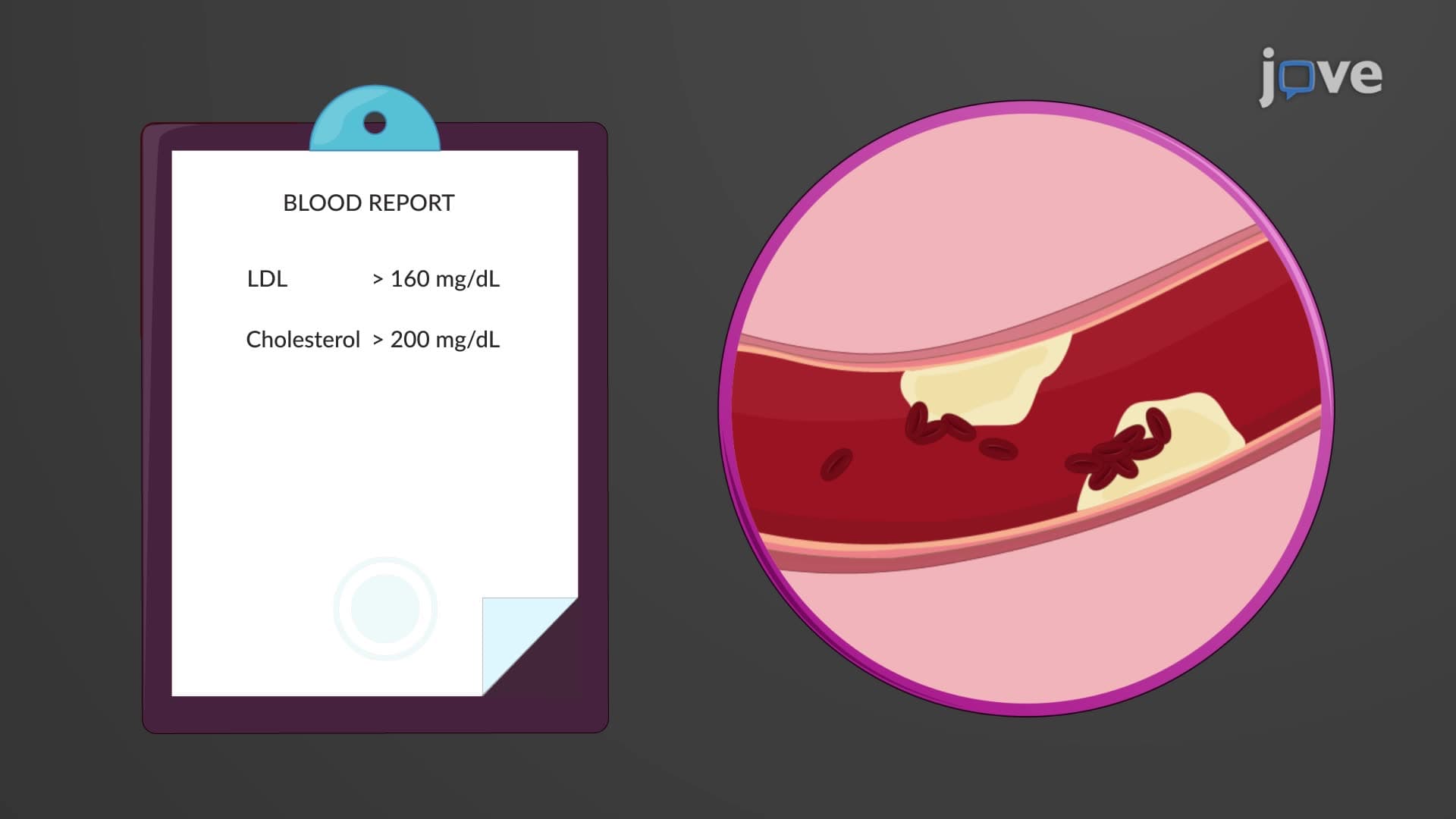
Dietary fiber, though technically indigestible, plays vital roles in health. Insoluble fiber from cellulose in spinach and kale promotes healthy digestion and prevents constipation. Soluble fiber, particularly pectin from Washington apples and Florida citrus fruits, binds cholesterol in the digestive tract, potentially reducing cardiovascular disease risk-a concept frequently tested on MCAT biochemistry sections.
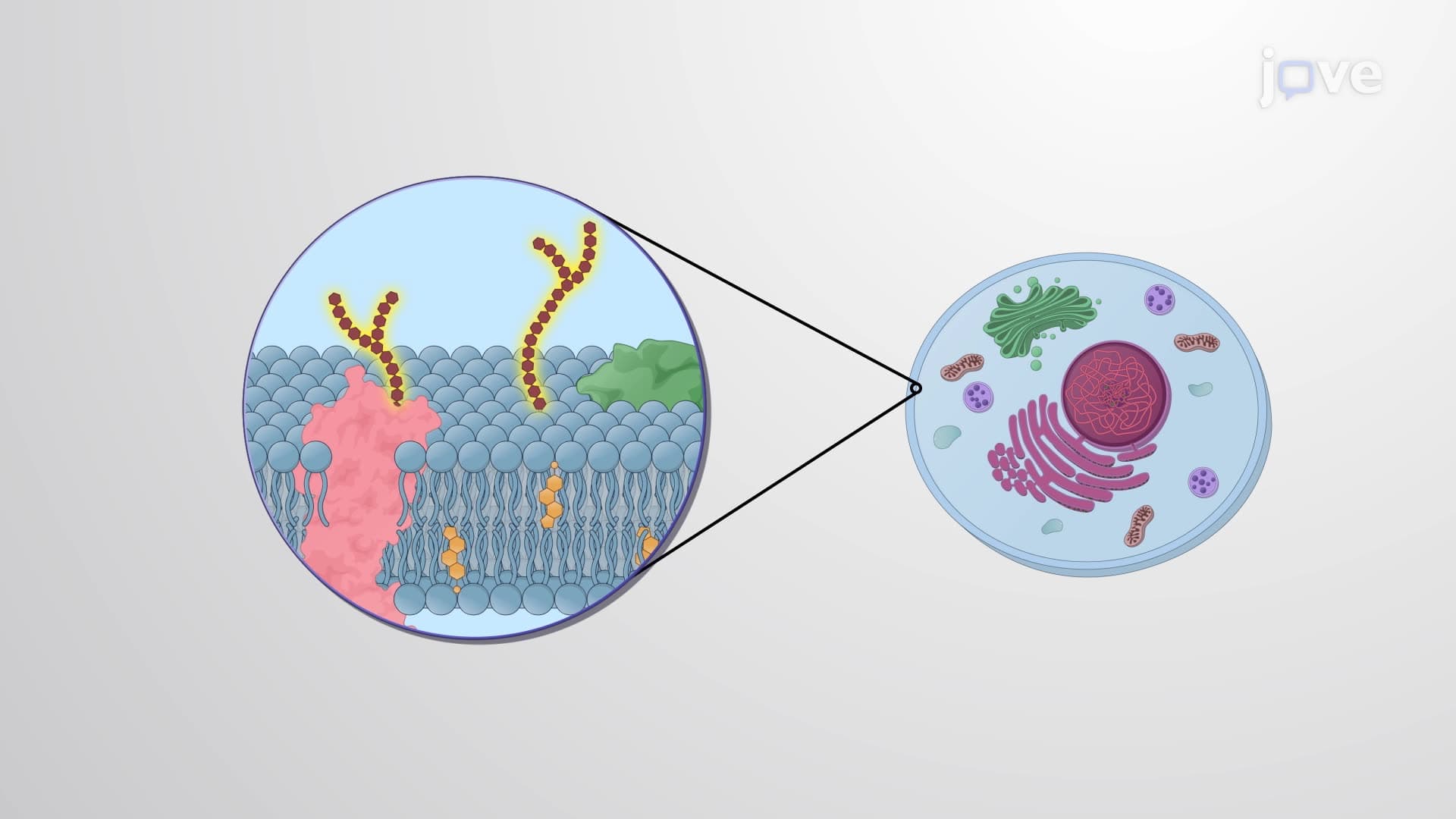
Beyond energy provision, carbohydrates serve structural and regulatory functions. Pentose sugars like ribose and deoxyribose form the backbone of RNA and DNA respectively, making them essential for genetic material synthesis. Additionally, glycoproteins and glycolipids on cell membranes facilitate cellular recognition and communication, concepts commonly explored in college cell biology courses and AP Biology free-response questions.
Related Micro-courses