Loading subject page…

34,747 views

Video Summary: Metabolic States Body Fasting and Starvation Explained
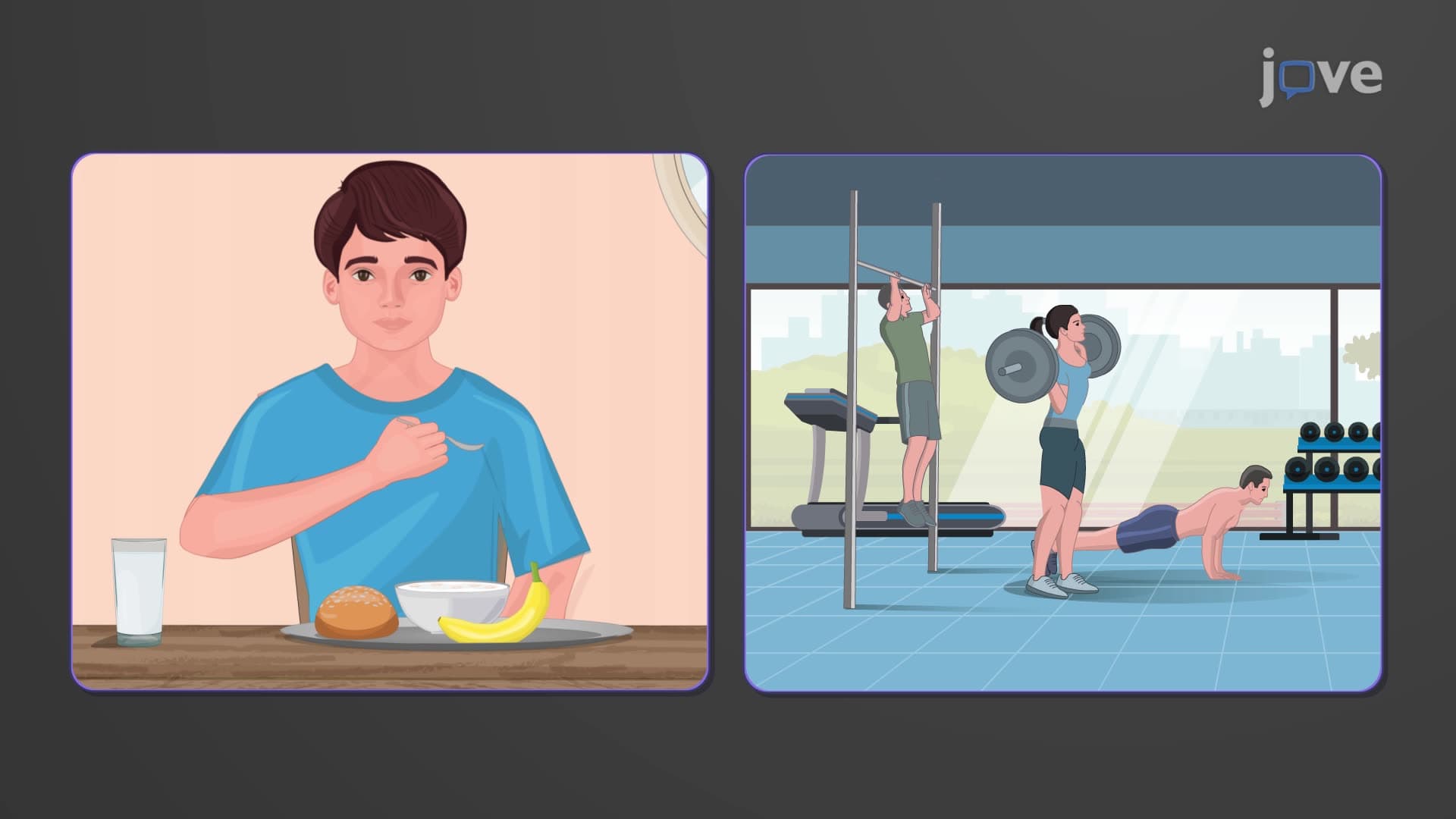
When someone skips breakfast for just 12 hours, their body already begins shifting into a completely different metabolic state than after eating a meal. The fasting starvation metabolic state represents your body's remarkable ability to survive without food by switching fuel sources-from glucose to fat to ketones. Consider how patients preparing for surgery must fast for 8-12 hours, triggering these same metabolic adaptations that sustained early humans through food scarcity. Watch the full video on JoVE Coach to master this concept with expert-led visuals and step-by-step explanations.
The human body's response to food deprivation represents one of the most sophisticated metabolic adaptations in physiology. Unlike simple energy depletion, fasting and starvation trigger coordinated biochemical shifts that prioritize survival by efficiently utilizing stored energy reserves. These metabolic states are clinically relevant-from pre-surgical fasting protocols at major US hospitals to understanding eating disorders treated at institutions like Johns Hopkins and Mayo Clinic.
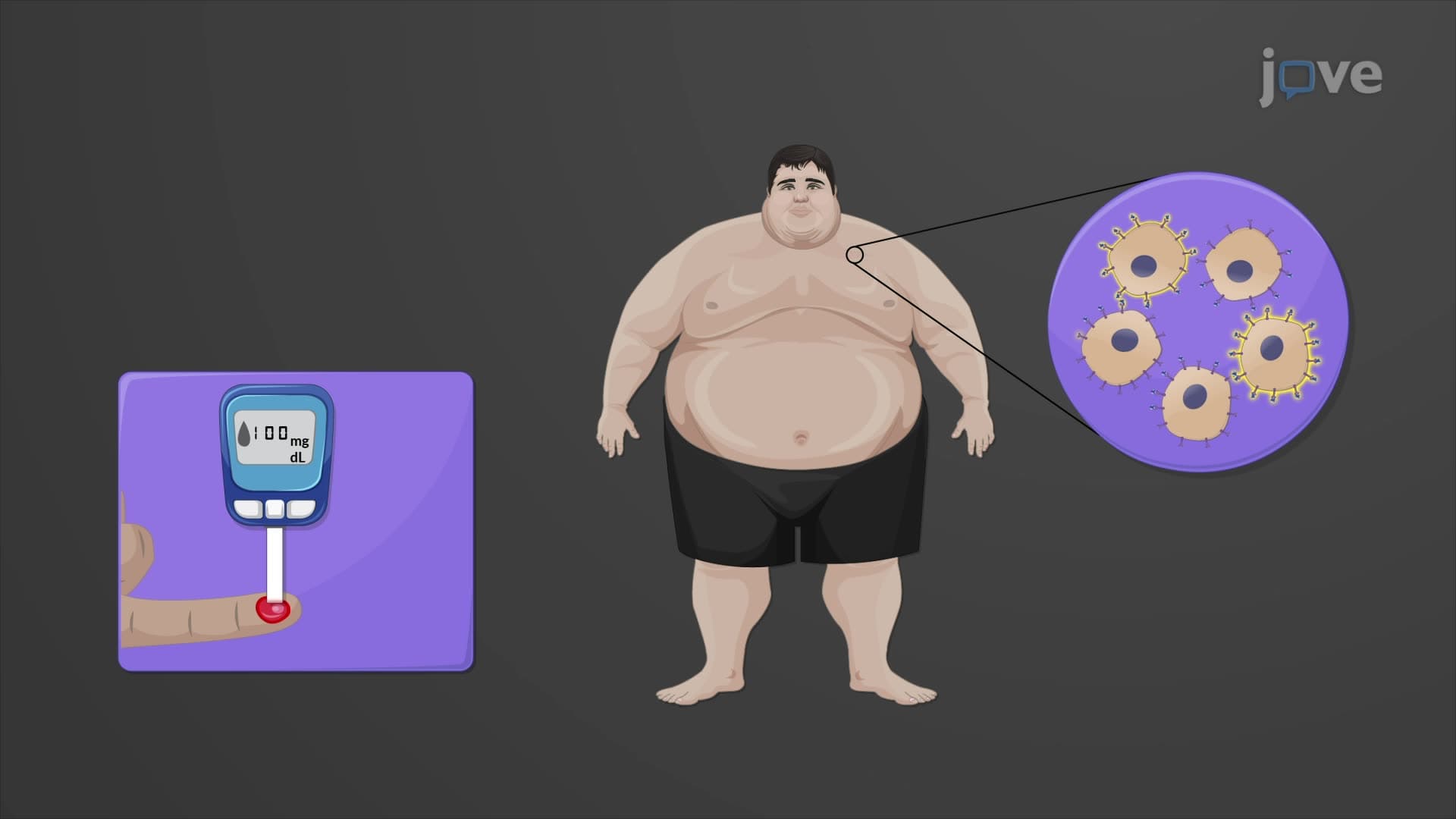
During the initial fasting period, your body rapidly depletes hepatic and muscle glycogen stores, which typically contain only 1,500-2,000 calories total. This explains why patients fasting before procedures at hospitals like Cleveland Clinic experience hunger pangs within 12-16 hours. As glycogen reserves diminish, the liver initiates gluconeogenesis-converting non-carbohydrate substrates into glucose to maintain blood sugar levels between 70-100 mg/dL. This process becomes crucial for AP Biology students studying metabolic pathways and frequently appears on MCAT biochemistry sections.
The second phase marks a dramatic metabolic shift as adipose tissue becomes the primary fuel source. Hormone-sensitive lipase breaks down stored triglycerides, releasing glycerol for gluconeogenesis and free fatty acids for direct energy production. Muscle fibers and organs like the heart preferentially oxidize these fatty acids through beta-oxidation, sparing glucose for glucose-dependent tissues. This adaptation explains how individuals can maintain energy during extended fasts, a concept regularly tested in undergraduate biochemistry courses at universities like Stanford and MIT.
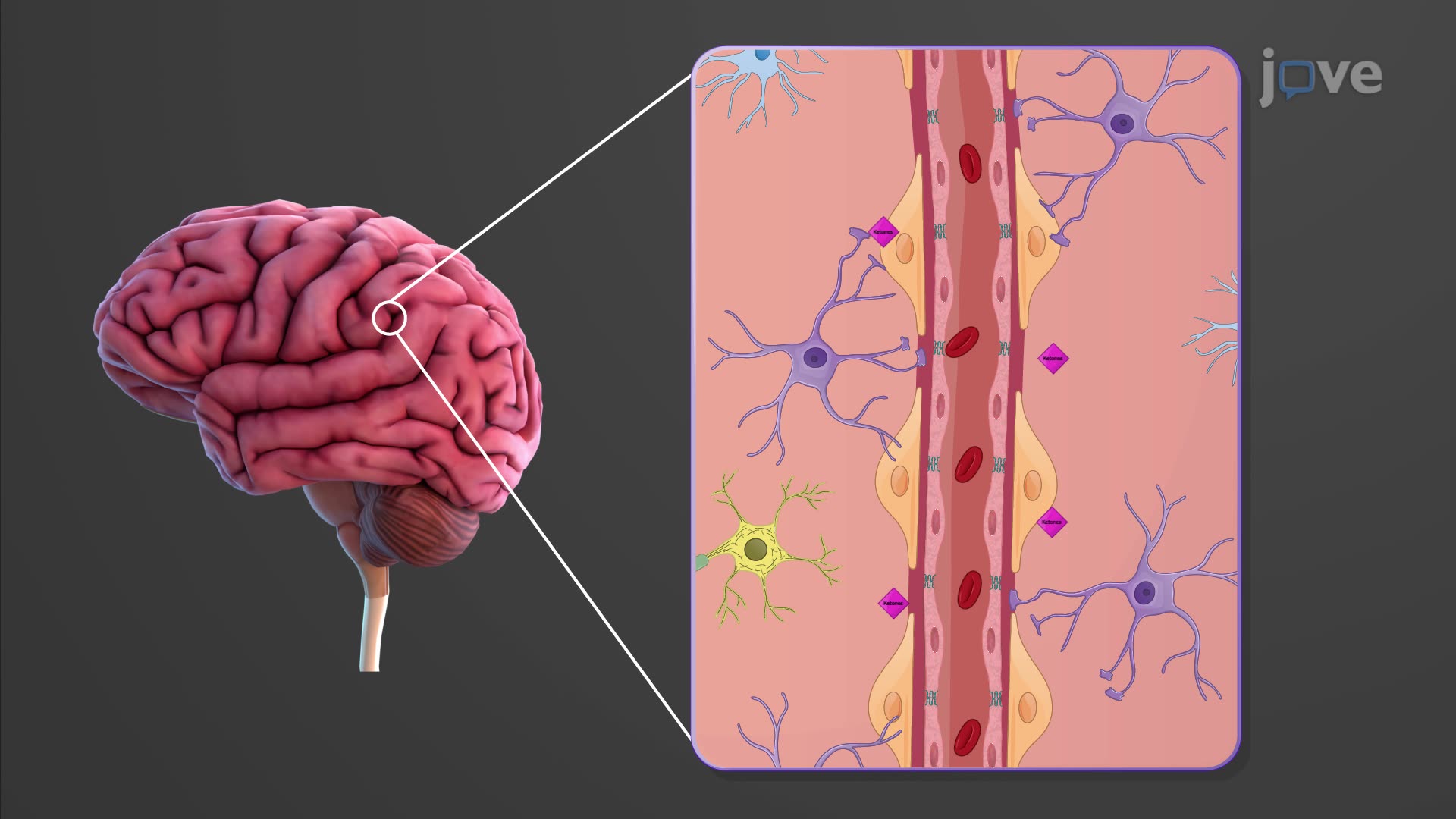
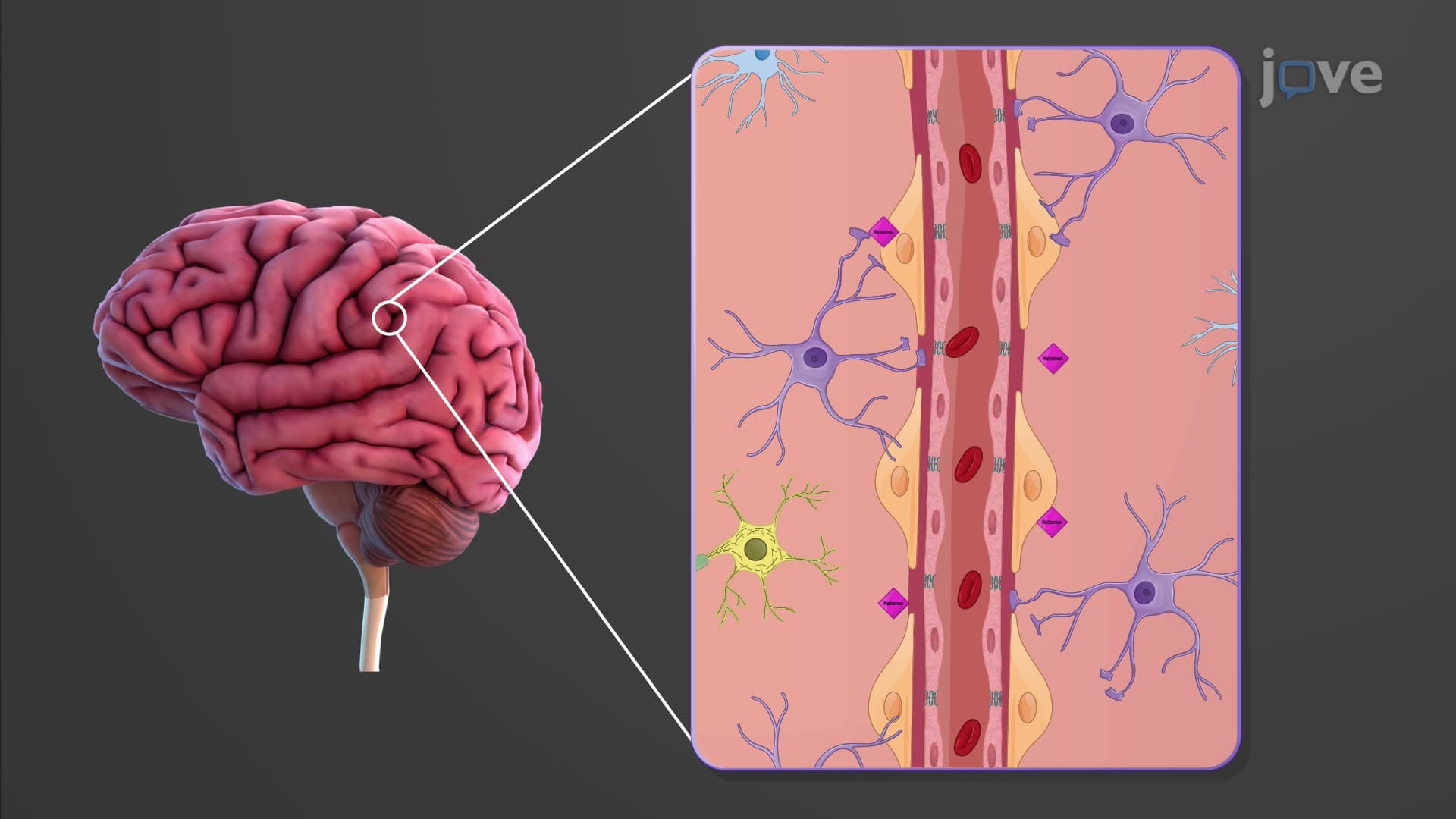
Prolonged food deprivation forces the body into protein catabolism, breaking down muscle proteins to provide amino acids for gluconeogenesis. However, this process cannot continue indefinitely without severe consequences. The body's evolutionary solution involves ramping up ketogenesis-converting fatty acids into ketone bodies (acetoacetate, beta-hydroxybutyrate, and acetone) in the liver. These water-soluble compounds cross the blood-brain barrier, allowing neural tissue to derive up to 70% of its energy from fat-derived sources rather than glucose. This metabolic flexibility proves essential for survival and represents a key concept in medical school curricula, particularly for USMLE Step 1 preparation.
Related Micro-courses