Loading subject page…

- Anatomy and Physiology
- Absorption of Nutrients
- Metabolic States of the Body: The Absorptive State
Micro-course: Absorption of Nutrients
34,747 views
Learn key concepts and earn your certificate.






Metabolic States of the Body: The Absorptive State


00:00
01:25
Video Summary: Metabolic States Body the Absorptive State Explained
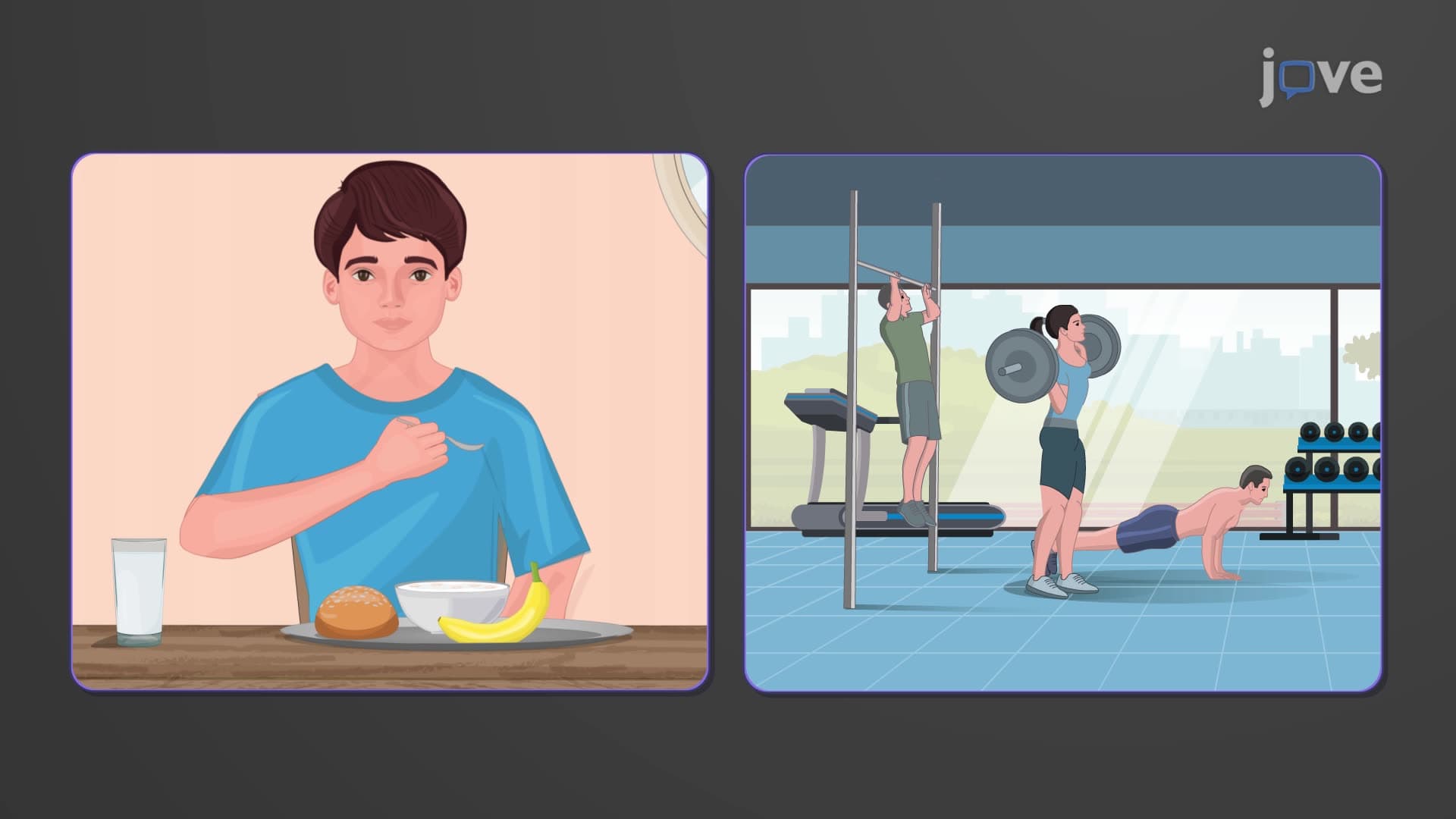
Ever wondered why you feel sleepy after Thanksgiving dinner? The absorptive metabolic state biology reveals how your body transforms that turkey and stuffing into usable energy and stored reserves. During this critical 4-hour window following any meal, your digestive system breaks down nutrients while insulin orchestrates their distribution throughout your body. The Metabolic States Body The Absorptive State Explained demonstrates how glucose gets stored as glycogen in your liver while excess carbohydrates convert to fat for long-term storage. Watch the full video on JoVE Coach to master this concept with expert-led visuals and step-by-step explanations.
- Understand the Metabolic States Body The Absorptive State Explained as the 4-hour post-meal period when nutrients are absorbed and processed
- Identify the three main macronutrients (carbohydrates, proteins, lipids) and their breakdown products during absorption
- Analyze how insulin regulates glucose uptake, glycogen synthesis, and inhibits gluconeogenesis during the fed state
- Compare immediate energy use versus storage mechanisms for absorbed nutrients in different tissues
- Evaluate the role of the liver in converting monosaccharides to glucose, glycogen, and VLDLs
- Apply knowledge of amino acid deamination and keto acid production for ATP synthesis
- Recognize how adipose tissue stores triglycerides delivered by very low-density lipoproteins
- Explore the metabolic integration between liver, muscle, and fat tissue during nutrient abundance
Understanding the Metabolic States Body The Absorptive State Explained
The absorptive state metabolism explained represents one of two major metabolic phases your body cycles through daily. Unlike the fasting state, this anabolic period prioritizes storage and immediate energy needs when nutrients are abundant. Think of it as your body's "savings mode", depositing nutrients into various tissue banks for future withdrawal.
Nutrient Processing and Absorption Pathways
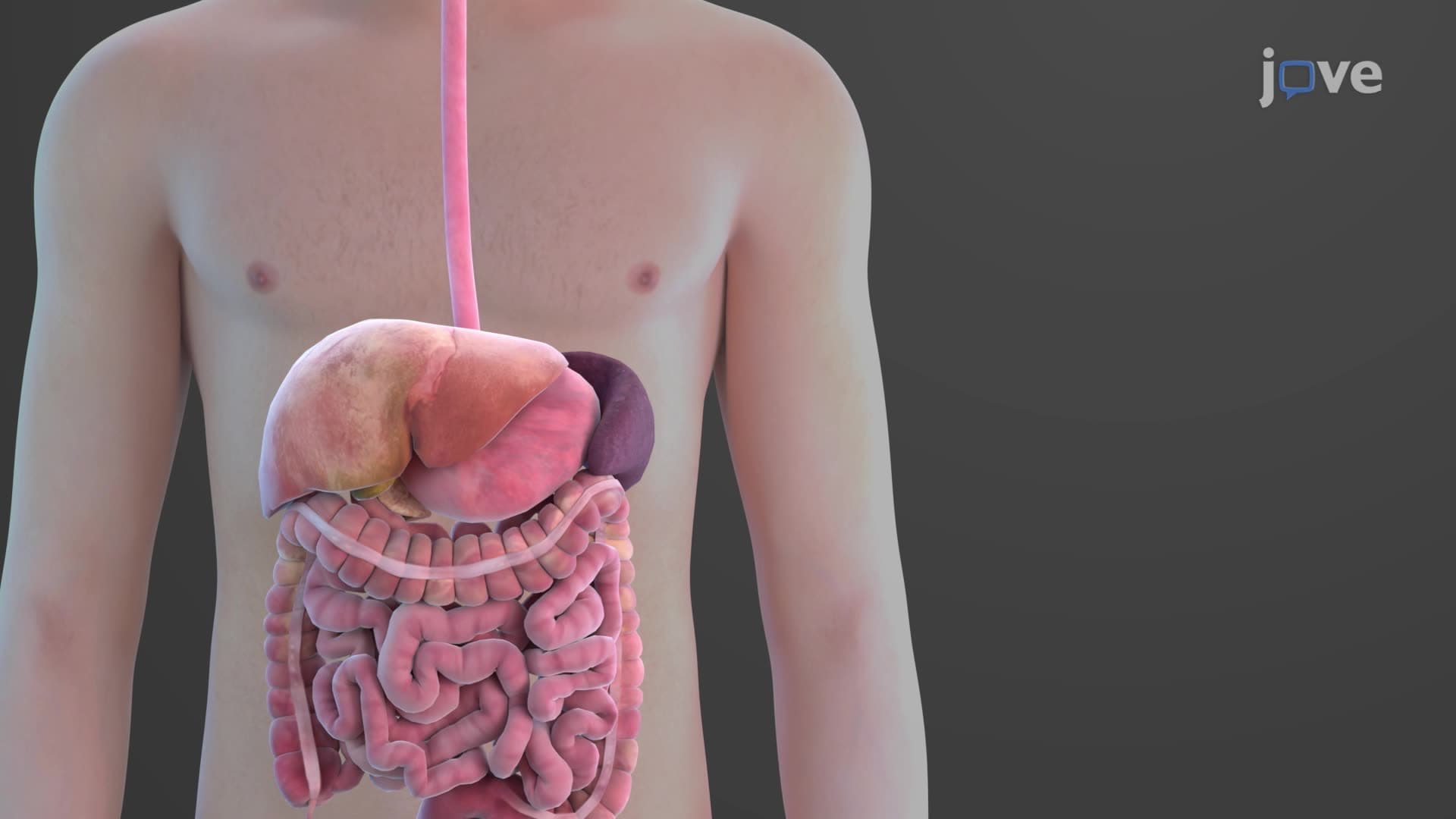
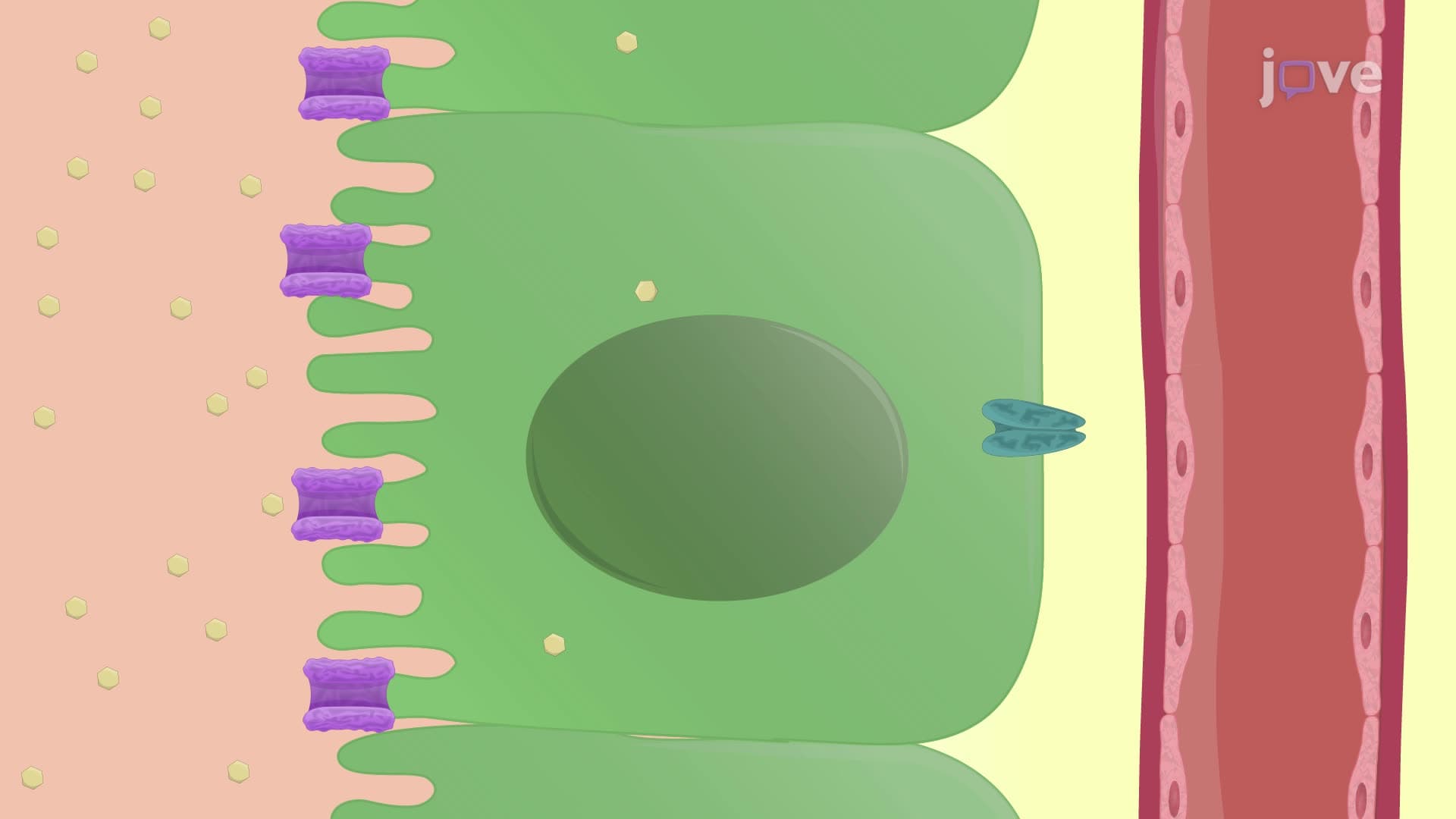
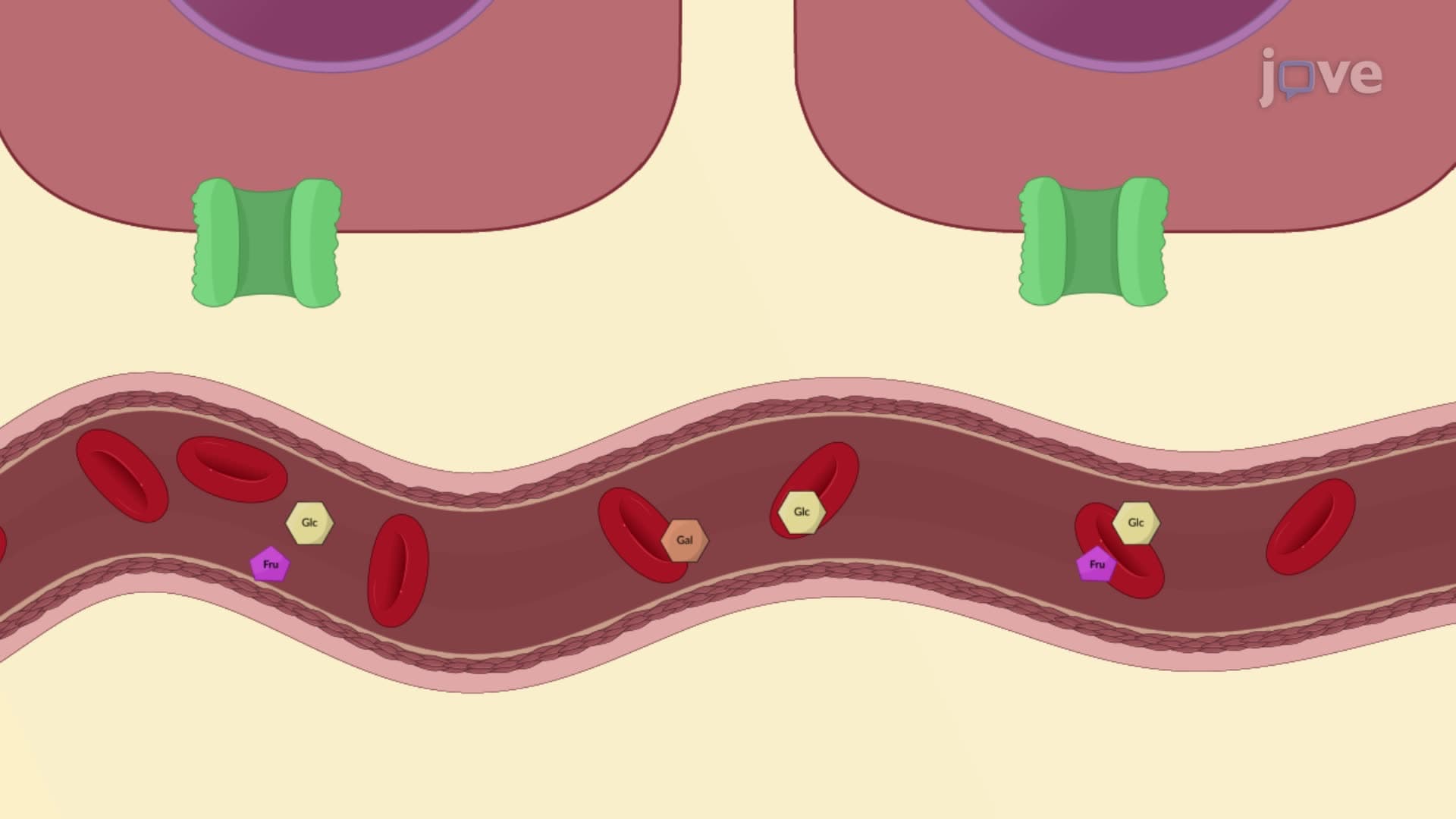
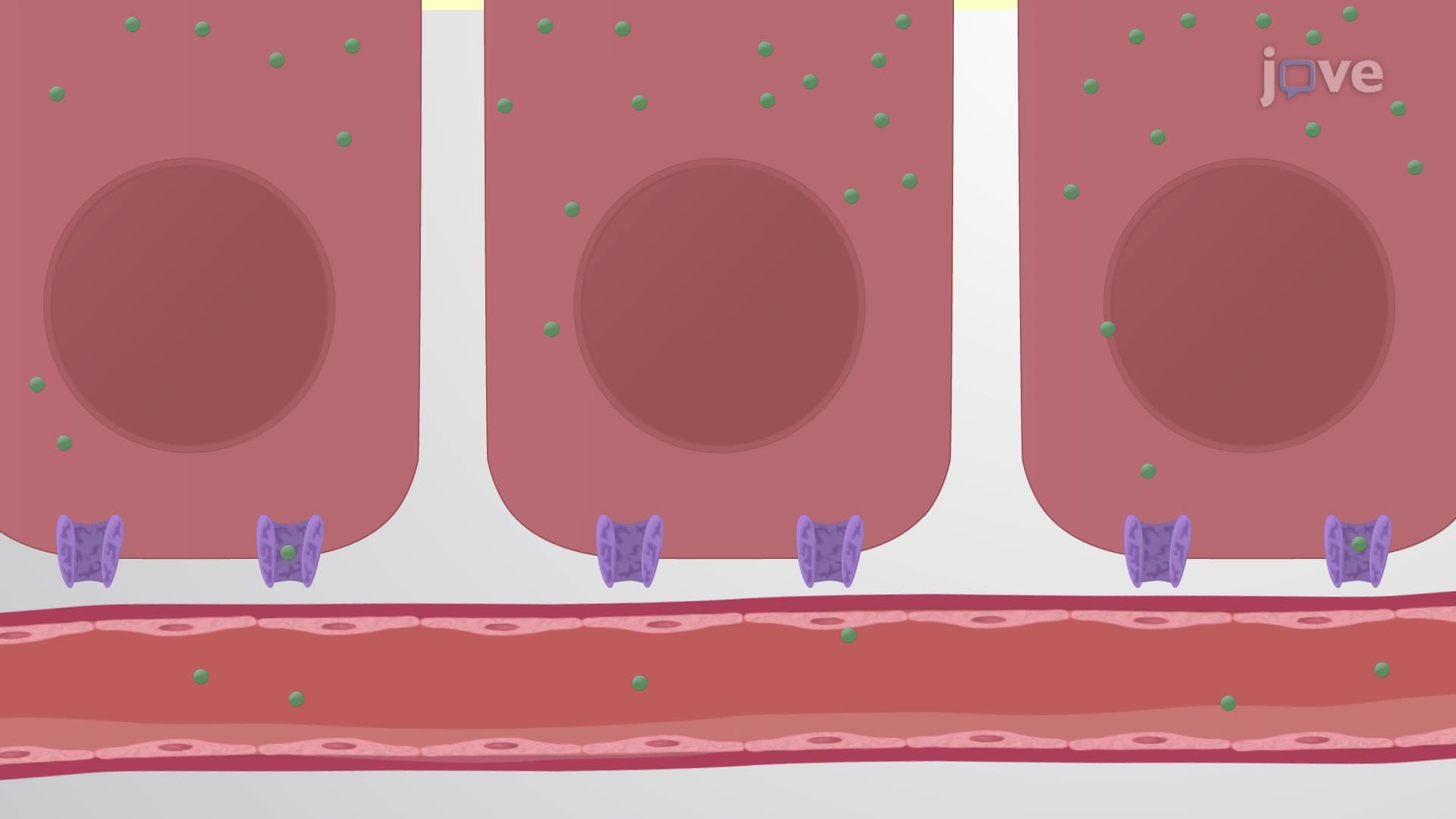
During the post-meal absorptive state, your gastrointestinal tract becomes a nutrient processing facility. Carbohydrates break down into simple sugars like glucose, fructose, and galactose. Proteins fragment into individual amino acids, while dietary fats split into free fatty acids and monoglycerides. This systematic breakdown ensures maximum absorption efficiency across your intestinal wall.
Students preparing for the AP Biology exam should note how this process exemplifies cellular transport mechanisms. The small intestine's villi create massive surface area, roughly equivalent to a tennis court, enabling rapid nutrient uptake into your bloodstream.
Insulin's Central Role in Metabolic Regulation
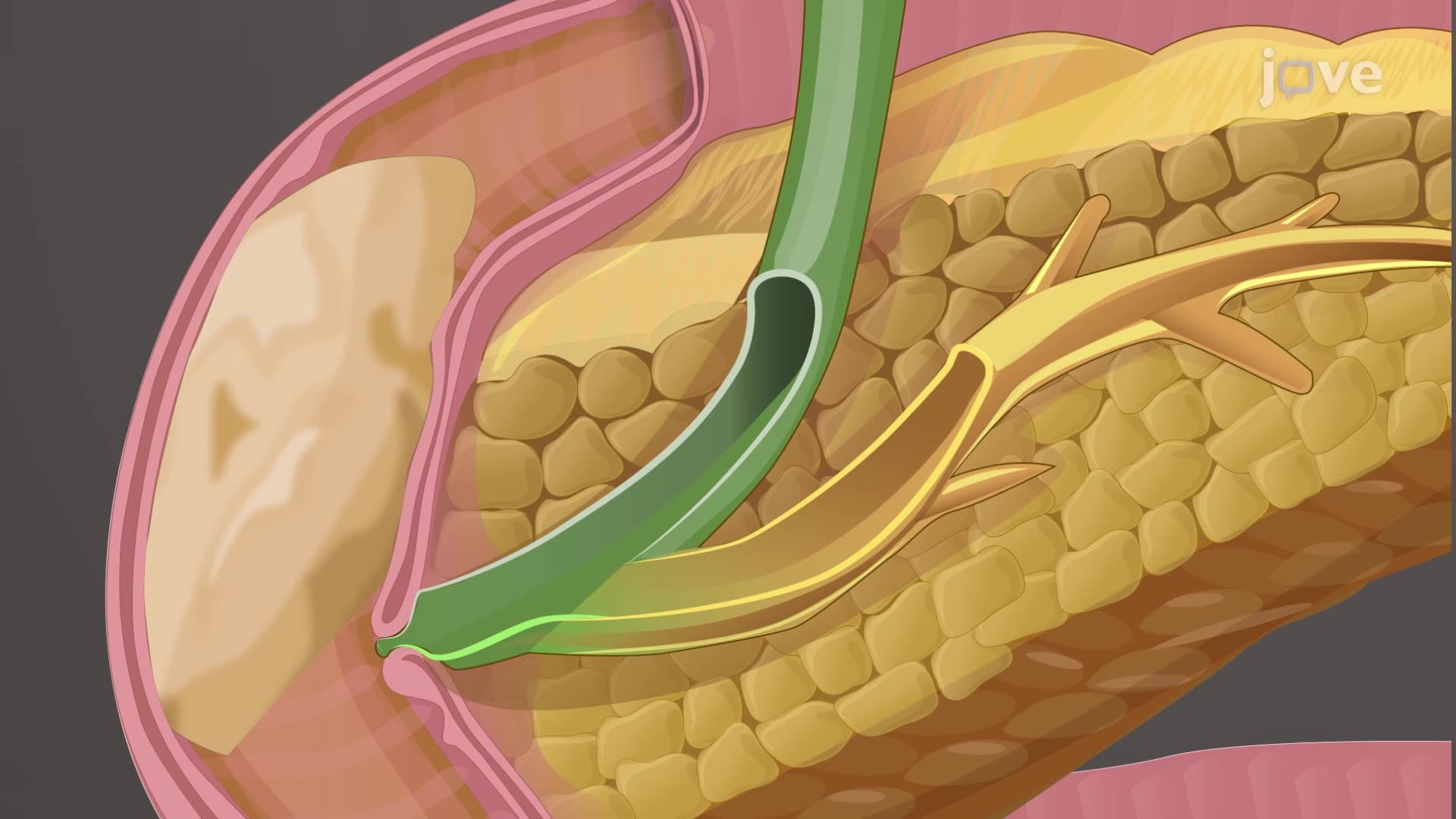
What is the absorptive state in body metabolism without considering insulin's orchestrating role? This pancreatic hormone acts like a metabolic conductor, directing nutrients to appropriate destinations. Rising blood glucose triggers beta cells in your pancreas to release insulin, which then promotes glucose uptake in muscle and adipose tissue while inhibiting glucose production in your liver.
For MCAT preparation, remember that insulin anabolism absorptive processes include glycogen synthesis (glycogenesis), fat synthesis (lipogenesis), and protein synthesis. Insulin essentially flips your metabolic switch from breakdown to building up.
Tissue-Specific Metabolic Responses
Your liver serves as metabolic headquarters during the fed metabolic absorptive state. Excess glucose converts to glycogen through glycogenesis, creating readily available energy stores. When glycogen capacity reaches maximum, surplus carbohydrates transform into fatty acids, packaged as VLDLs for transport to adipose tissue.
Meanwhile, fat storage absorptive state mechanisms activate in your adipose tissue. Insulin stimulates lipoprotein lipase, enabling fat cells to extract triglycerides from circulating VLDLs. This process explains why consistent overeating leads to weight gain, your body efficiently stores excess calories as fat regardless of their original macronutrient source.
College biochemistry courses often test understanding of amino acid metabolism during absorption. Some amino acids undergo deamination in your liver, producing keto acids that either generate ATP immediately or serve as precursors for glucose and fatty acid synthesis.
Frequently Asked Questions
The absorptive state is the 4-hour period following a meal when your body actively absorbs and processes nutrients from food. During this anabolic phase, insulin promotes glucose uptake, glycogen synthesis, and fat storage while inhibiting glucose production. Your body prioritizes immediate energy needs and stores excess nutrients for later use.
The absorptive state alternates with the postabsorptive (fasting) state in a daily cycle. While the absorptive state focuses on storage and anabolism, the postabsorptive state emphasizes breakdown and catabolism. Understanding this transition helps explain how your body maintains glucose homeostasis between meals.
The AP Biology exam frequently includes questions about metabolic states, particularly insulin's role in glucose regulation. MCAT Biological and Biochemical Foundations sections test absorptive state concepts extensively. College-level anatomy and physiology courses, nursing school entrance exams (HESI A2, TEAS), and USMLE Step 1 all include this topic.
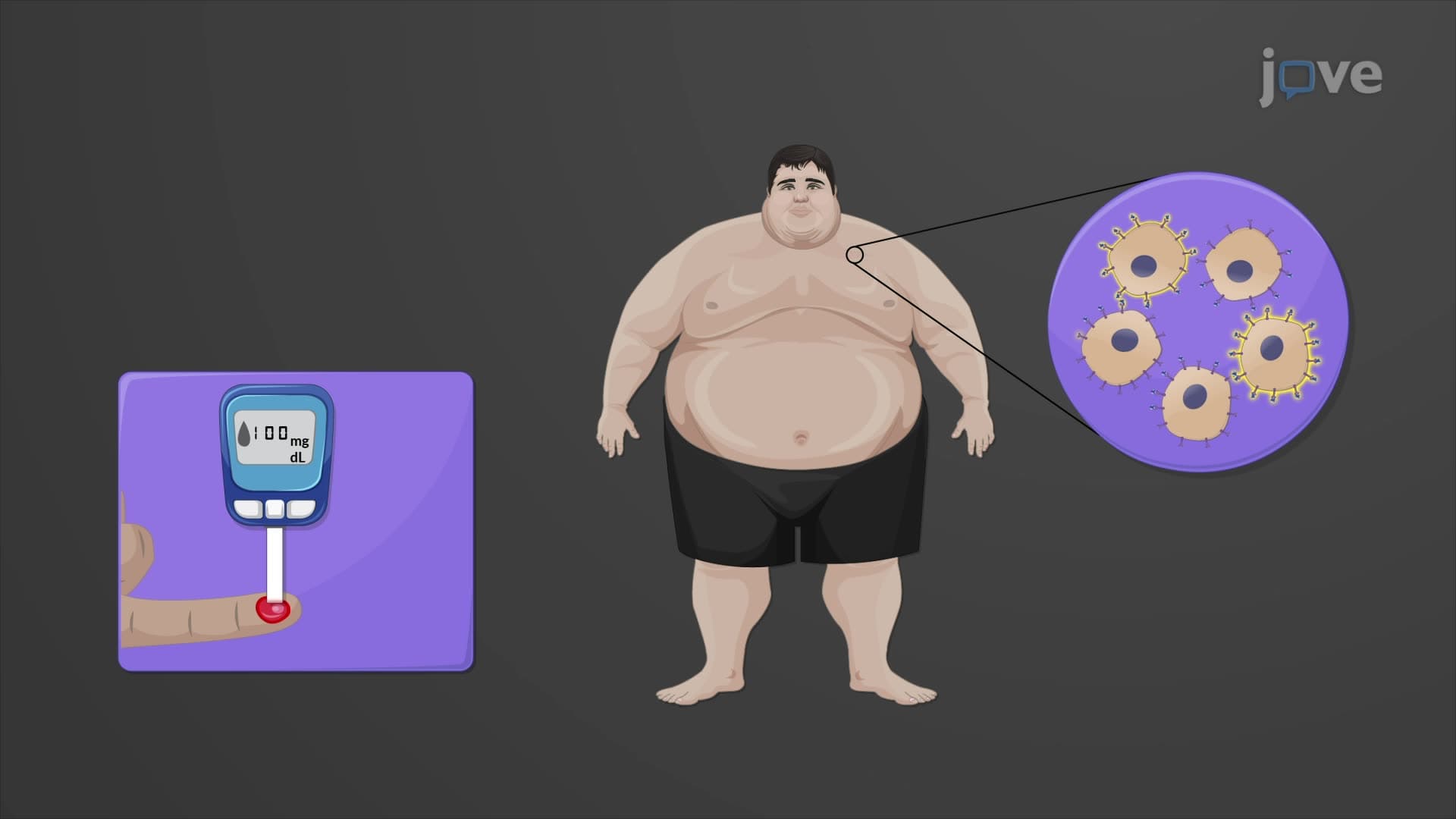
Healthcare professionals use this knowledge to understand diabetes pathophysiology, where insulin resistance disrupts normal absorptive state processes. Dietitians apply these principles when designing meal plans for metabolic disorders. This concept also explains why post-meal glucose monitoring is crucial for diabetic patients.
Imagine eating a peanut butter sandwich: the bread's carbohydrates become glucose for immediate energy or liver glycogen storage, the peanut butter's proteins provide amino acids for tissue repair or glucose synthesis, and its fats either fuel cellular processes or get stored in adipose tissue as triglycerides.
Basic high school biology and chemistry concepts provide sufficient foundation for understanding absorptive state processes. While knowing molecular structures helps, focus on understanding the big picture: nutrients get absorbed, processed, and either used immediately or stored for later. The specific biochemical pathways can be learned progressively.
Create concept maps linking insulin to its various effects: glucose uptake, glycogen synthesis, fat storage, and gluconeogenesis inhibition. Practice drawing the flow of nutrients from intestines through blood to liver, muscle, and adipose tissue. Use real meal examples to trace macronutrient fates through metabolic pathways.
Study the postabsorptive state to understand how your body maintains glucose during fasting periods. Explore glucagon's opposing effects to insulin, then investigate metabolic disorders like diabetes mellitus. Advanced students can examine metabolic integration across different tissues and hormonal regulation of metabolism.
Related Micro-courses

25 Concepts

20 Concepts

37 Concepts