Loading subject page…

- Anatomy and Physiology
- Absorption of Nutrients
- Metabolic States of the Body: The Postabsorptive State
Micro-course: Absorption of Nutrients
34,747 views
Learn key concepts and earn your certificate.



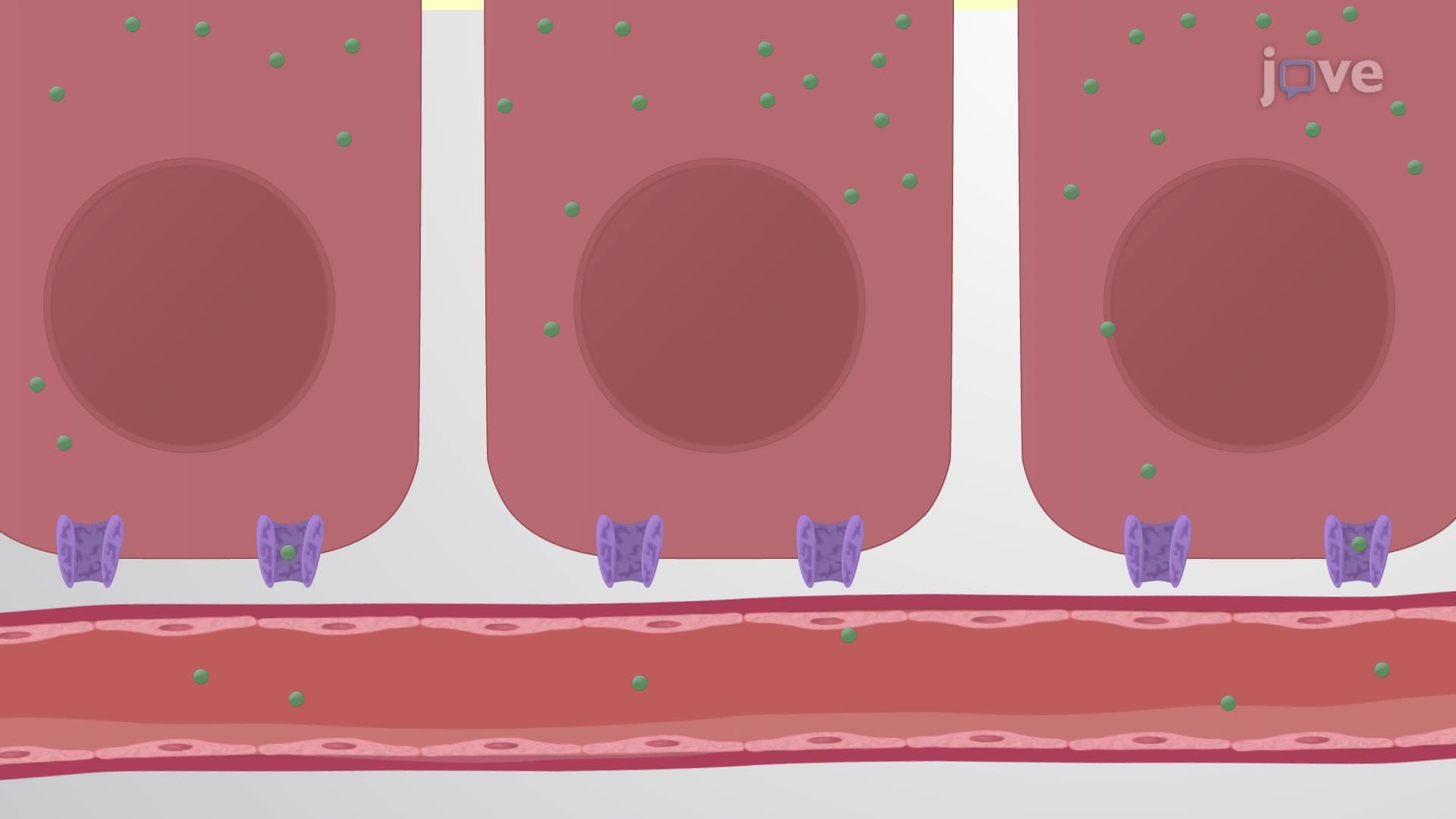
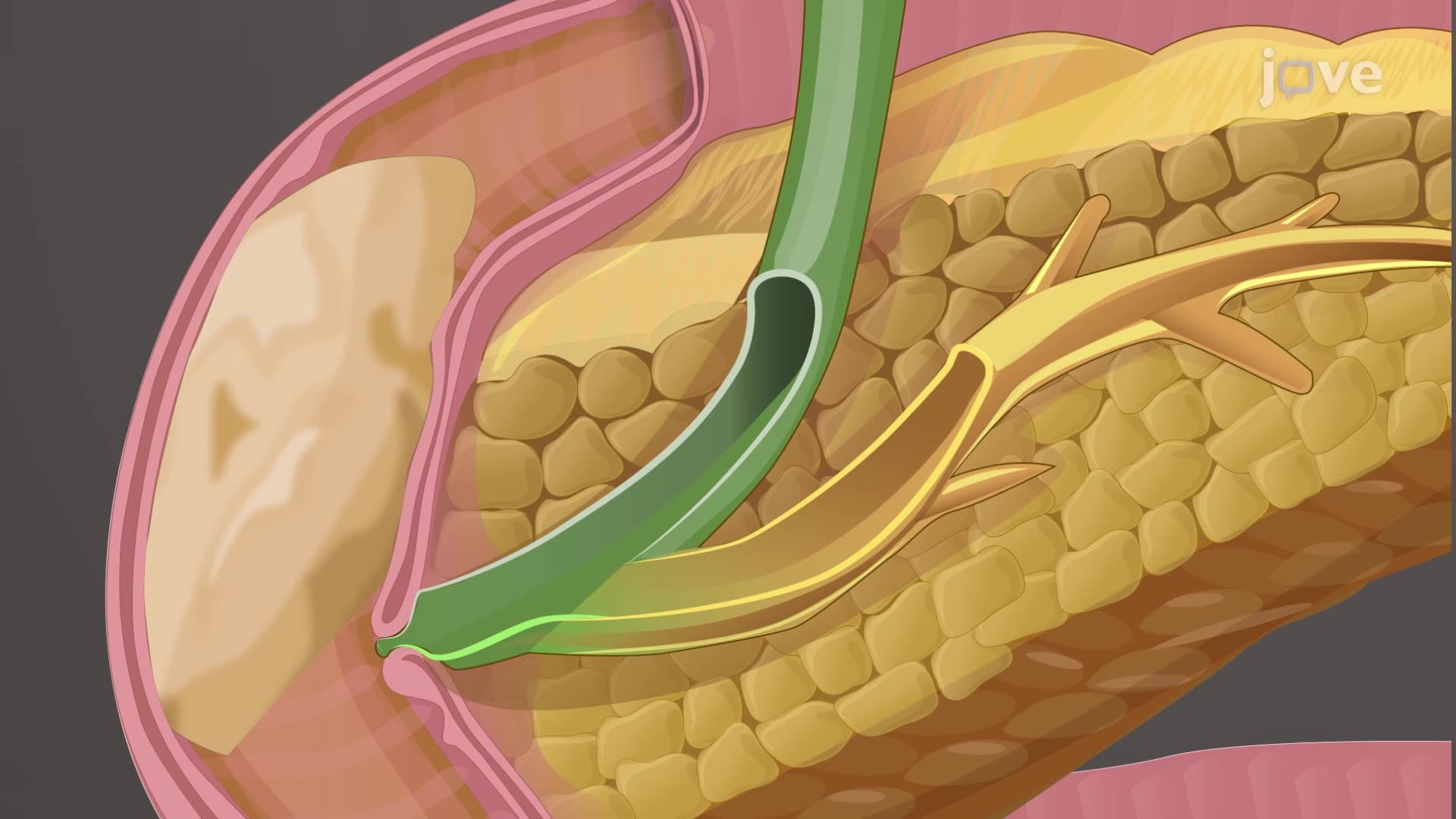


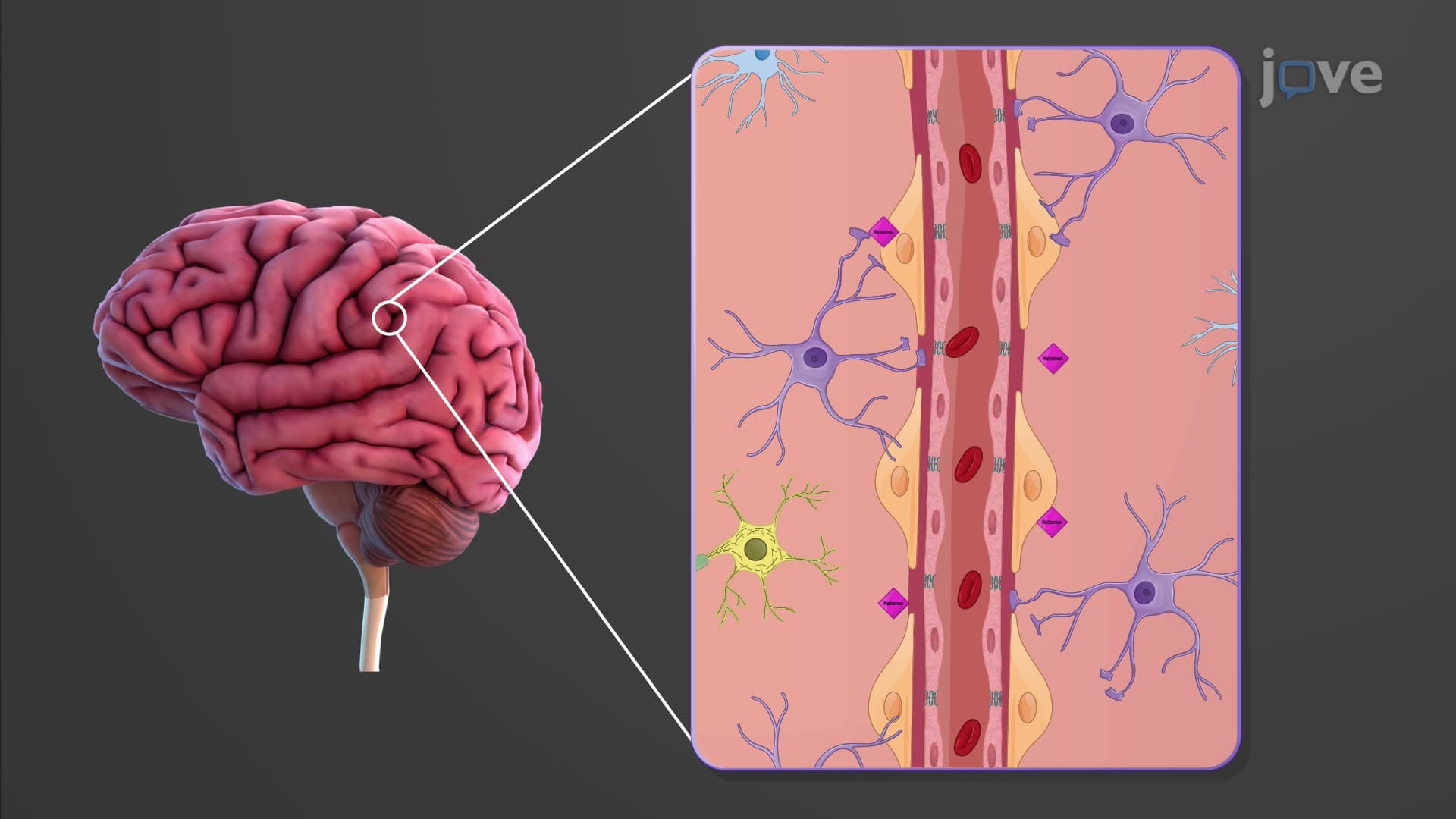




Metabolic States of the Body: The Postabsorptive State


00:00
01:18
Video Summary: Metabolic States Body the Postabsorptive State Explained
Ever wonder why you don't collapse from low blood sugar between meals? The postabsorptive metabolic state biology reveals your body's remarkable survival strategy during the 12+ hours Americans typically fast overnight. When a Stanford University student skips breakfast after their last meal at 8 PM, their body seamlessly transitions into the Metabolic States Body The Postabsorptive State Explained-a complex metabolic shift that maintains energy without food intake. Through coordinated hormone signaling and fuel mobilization, your body becomes a metabolic powerhouse. Watch the full video on JoVE Coach to master this concept with expert-led visuals and step-by-step explanations.
- Understand the Metabolic States Body The Postabsorptive State Explained as the period 4+ hours after eating when stored energy maintains blood glucose levels
- Identify the sequential breakdown of glycogen, triglycerides, and proteins as the body's hierarchical fuel utilization strategy
- Analyze how glucagon secretion triggers glycogenolysis and gluconeogenesis to preserve blood glucose concentrations
- Compare glucose-sparing mechanisms that redirect non-essential tissues to fatty acid metabolism while protecting brain function
- Evaluate the metabolic shift from absorptive anabolism to postabsorptive catabolism in maintaining homeostatic balance
- Apply knowledge of liver gluconeogenesis using glycerol and amino acids as non-carbohydrate glucose precursors
- Recognize the critical role of adipose tissue lipolysis in providing alternative fuel sources during fasting states
- Explore hormonal coordination between pancreatic alpha cells and target tissues in metabolic regulation
Understanding the Metabolic States Body The Postabsorptive State Explained
The postabsorptive state represents one of metabolism's most elegant survival mechanisms. Unlike the fed state where nutrients flood your bloodstream, this phase demonstrates your body's metabolic independence. Beginning approximately 4 hours post-meal, this state can persist 12-18 hours-covering your entire overnight fast and morning period before breakfast.
Hierarchical Fuel Mobilization Strategy
Your body follows a precise energy hierarchy during the fasting postabsorptive state. First, hepatic glycogen stores provide immediate glucose through glycogenolysis postabsorptive processes. The liver contains roughly 100-120g of glycogen, sufficient for 12-16 hours of brain glucose needs. Simultaneously, fat mobilization postabsorptive begins as hormone-sensitive lipase breaks down adipose triglycerides into free fatty acids and glycerol.
This sequence mirrors what happens to nursing students during long hospital shifts at institutions like Johns Hopkins or UCLA Medical Center-their bodies systematically access stored energy reserves to maintain cognitive function during demanding 12-hour rotations.
Hormonal Orchestration and Glucose-Sparing
Glucagon catabolism postabsorptive represents the key regulatory mechanism. As blood glucose dips below 90 mg/dL, pancreatic alpha cells release glucagon, stimulating both glycogen breakdown and gluconeogenesis. This hormone essentially "tells" your liver to manufacture glucose from non-carbohydrate sources-glycerol from fat breakdown and amino acids from muscle protein.
The glucose-sparing strategy protects your brain and red blood cells, which depend exclusively on glucose. Other tissues-skeletal muscle, heart, liver-switch to fatty acid oxidation, preserving precious glucose for neural function. This metabolic flexibility explains how medical residents maintain mental acuity during lengthy procedures despite limited food access.
Clinical and Academic Applications
Understanding what is the postabsorptive state in body metabolism appears frequently on AP Biology exams, MCAT biochemistry sections, and nursing school assessments like HESI A2. Students at institutions like Harvard Medical School or University of California San Francisco study this concept when learning diabetes pathophysiology-Type 1 diabetics cannot properly regulate this state due to insufficient insulin and glucagon balance.
The between meals metabolic state also explains why dietitians at institutions like Cornell University emphasize meal timing and composition for optimal metabolic health.
Frequently Asked Questions
The postabsorptive state is your body's metabolic phase beginning 4+ hours after eating, when stored energy reserves maintain blood glucose levels instead of dietary nutrients. During this period, your liver breaks down glycogen while fat cells release fatty acids to fuel non-essential tissues. This coordinated response ensures brain function continues during overnight fasting or between meals.
MCAT biochemistry sections frequently test glucagon's role in stimulating glycogenolysis and gluconeogenesis during fasting states. AP Biology exams emphasize the glucose-sparing mechanism and hormonal regulation between fed and fasted states. College biochemistry courses at universities like Stanford or MIT include detailed metabolic pathway questions about liver glucose production from non-carbohydrate sources.
Nursing exams emphasize clinical applications-recognizing hypoglycemic symptoms, understanding diabetic ketoacidosis development, and medication timing relative to meal absorption. The postabsorptive state helps explain why insulin administration must align with food intake patterns. NCLEX questions often focus on patient education about meal timing and blood glucose monitoring during different metabolic states.
Healthcare providers at institutions like Mayo Clinic use postabsorptive state knowledge to optimize diabetic management protocols. Type 1 diabetics cannot properly regulate glucagon during fasting, leading to dangerous blood sugar fluctuations. Understanding normal postabsorptive physiology helps nurses and physicians anticipate patient needs during surgical fasting or illness-related appetite loss.
Basic high school biology and introductory chemistry provide sufficient foundation for understanding this concept. While advanced biochemistry courses at universities like UC Berkeley delve deeper into enzymatic mechanisms, the fundamental principles-hormone signaling, energy storage, and glucose regulation-build on familiar concepts. Most students successfully master this topic with consistent review and application practice.
Create metabolic pathway flowcharts showing the transition from fed to fasted states, including specific hormones and target tissues. Practice with case studies involving overnight fasting or prolonged exercise scenarios. Use active recall by explaining the glucose-sparing strategy without notes, then verify accuracy against your textbook or reliable sources.
Athletes at universities like University of Texas or UCLA understand that morning workouts occur during peak postabsorptive state, when fat oxidation is elevated and glycogen stores are depleted. Sports nutritionists use this knowledge to optimize pre-competition fueling strategies. The body's natural glucose-sparing during fasting enhances fat burning capacity, explaining why some endurance athletes train in fasted states.
Progress to studying metabolic disorders like diabetes mellitus, metabolic syndrome, and eating disorders where normal postabsorptive regulation becomes disrupted. Advanced biochemistry courses explore detailed enzymatic regulation of gluconeogenesis and ketogenesis. Clinical applications include studying how medications, surgery, and critical illness affect normal metabolic transitions between fed and fasted states.
Related Micro-courses

25 Concepts

20 Concepts

37 Concepts