Loading subject page…

- Anatomy and Physiology
- Absorption of Nutrients
- Mineral, Vitamin and Water Absorption
Micro-course: Absorption of Nutrients
34,747 views
Learn key concepts and earn your certificate.



Mineral, Vitamin and Water Absorption

00:00
01:27
Video Summary: Mineral Vitamin and Water Absorption Explained
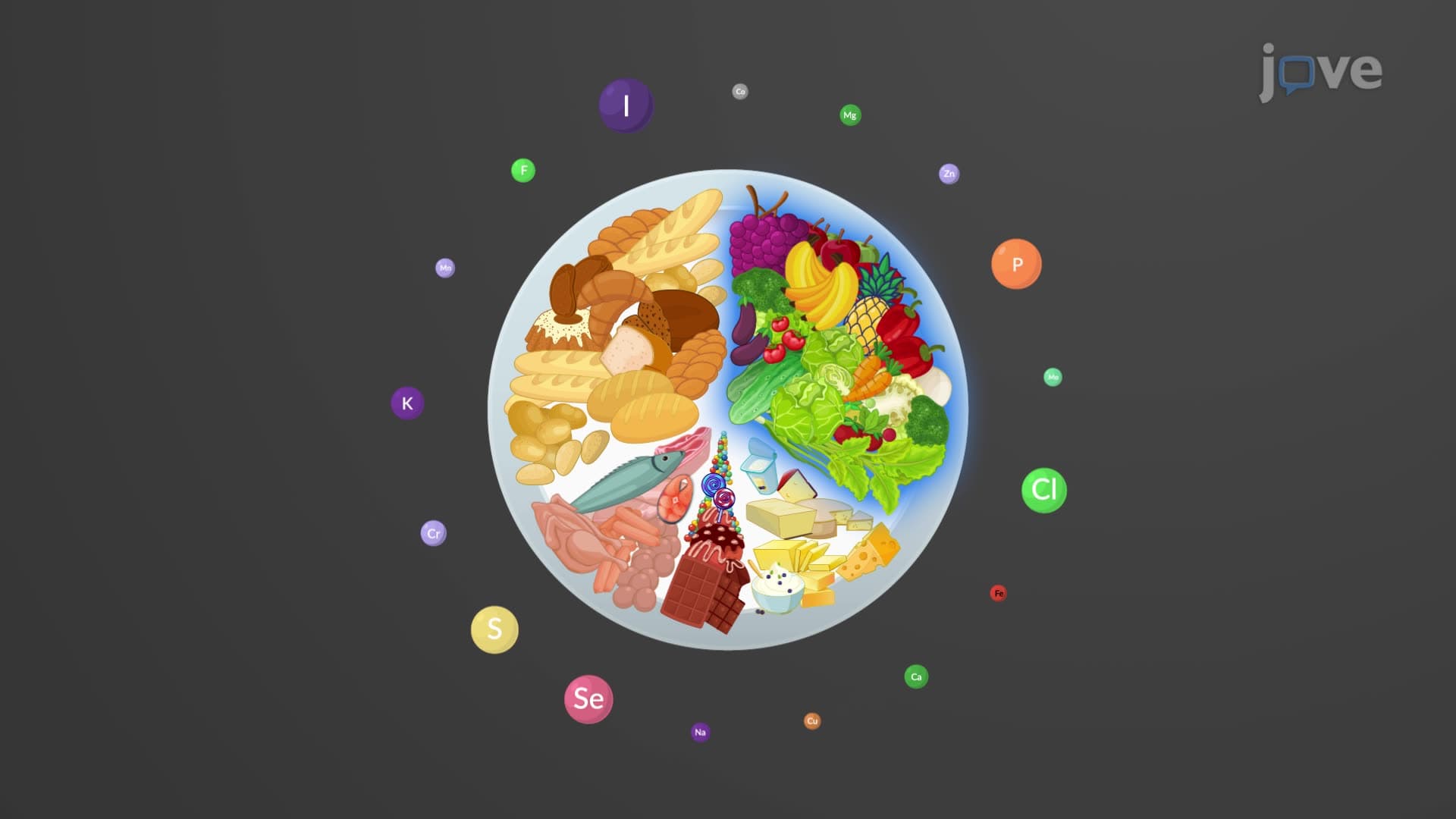
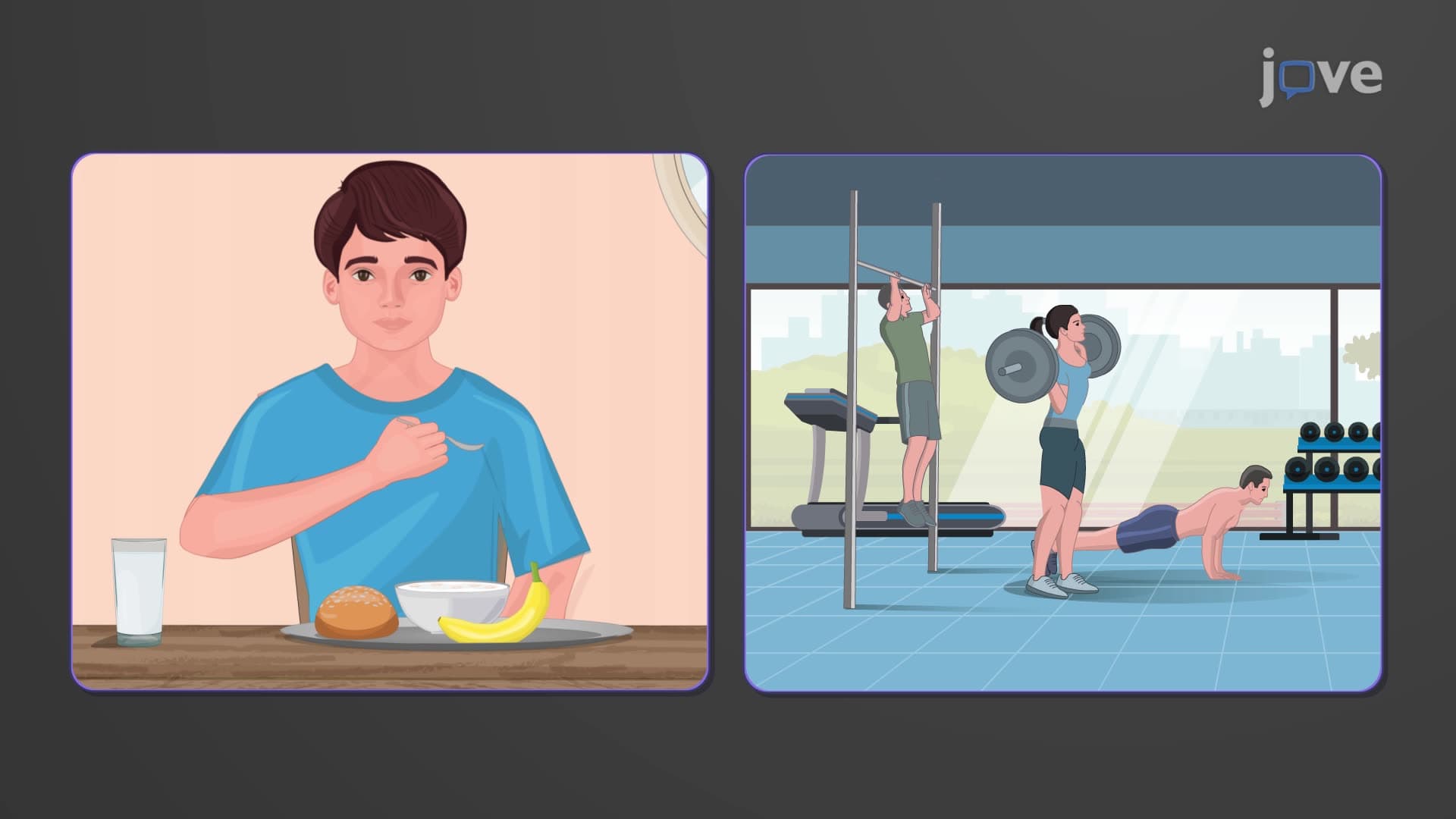
Ever wonder why athletes drink sports drinks during marathons instead of just water? Mineral vitamin water absorption involves complex processes where your small intestine selectively uptakes essential nutrients through specialized transporters and passive diffusion. For instance, when a marathon runner in Boston consumes an electrolyte drink, sodium and chloride ions are actively transported across intestinal cells while water follows osmotically. Understanding Mineral Vitamin And Water Absorption Explained reveals how your body maintains hydration and nutrient balance during physical stress. Watch the full video on JoVE Coach to master this concept with expert-led visuals and step-by-step explanations.
- Understand the fundamental mechanisms behind Mineral Vitamin And Water Absorption Explained and how different nutrients require distinct transport pathways across intestinal membranes
- Identify the specific locations where minerals like iron (duodenum only) and calcium (duodenum and jejunum) are absorbed versus electrolytes absorbed throughout the small intestine
- Analyze the difference between active transport mechanisms for minerals like sodium-potassium pumps and passive diffusion processes for water-soluble vitamins
- Compare fat-soluble vitamin absorption (A, D, E, K) requiring micelle formation versus water-soluble vitamin absorption (B, C) through simple diffusion
- Evaluate the role of specialized transporters, concentration gradients, and osmotic forces in micronutrient water absorption explained
- Apply knowledge of mineral-vitamin interactions to predict absorption efficiency in different physiological states like exercise or disease
- Recognize clinical implications when absorption processes fail, leading to deficiencies despite adequate dietary intake
- Explore how gut bacteria contribute essential vitamins K and B in the large intestine, supplementing dietary sources
Understanding Mineral Vitamin And Water Absorption Explained
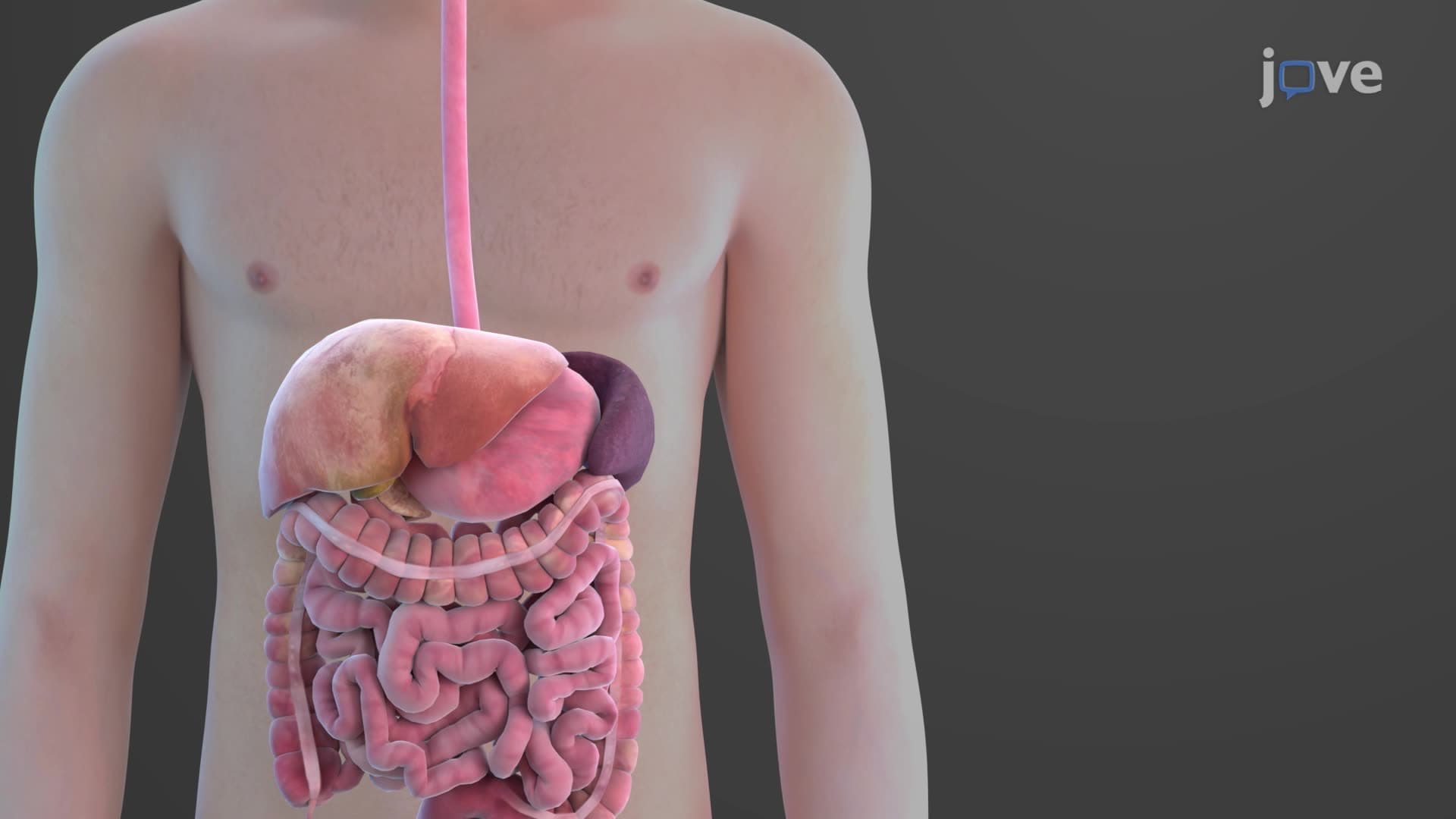
The human digestive system orchestrates a sophisticated ballet of mineral vitamin water absorption that sustains life through precisely coordinated transport mechanisms. Unlike simple nutrient uptake, this process involves multiple specialized pathways operating simultaneously across different intestinal regions, each optimized for specific nutrient classes.
Essential Mineral Absorption: Location-Specific Uptake
Iron calcium mineral absorption demonstrates remarkable anatomical specificity that medical students encounter on the MCAT and college physiology exams. Iron absorption occurs exclusively in the duodenum, where acidic conditions from gastric juice maintain iron in its absorbable ferrous form. This explains why patients taking proton pump inhibitors like omeprazole often develop iron deficiency-reduced stomach acid impairs iron bioavailability.
Calcium absorption occurs in both duodenum and jejunum, regulated by vitamin D and parathyroid hormone. When calcium levels drop, parathyroid hormone triggers increased vitamin D activation, enhancing calcium absorption efficiency from 30% to 60%. This mechanism explains why vitamin D deficiency leads to calcium malabsorption despite adequate dietary intake-a concept frequently tested in AP Biology and college biochemistry courses.
Electrolyte Transport: Active and Passive Mechanisms
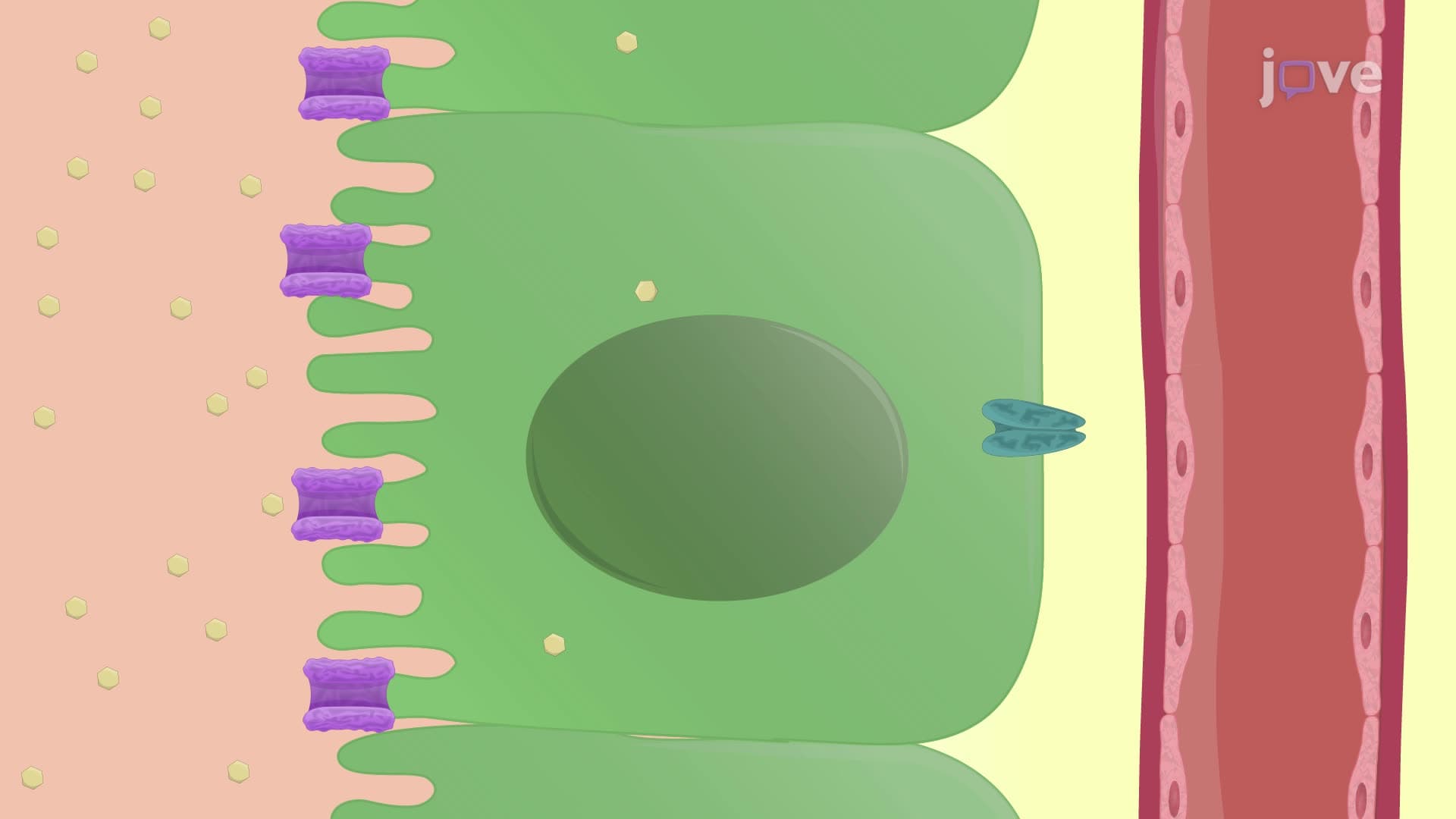
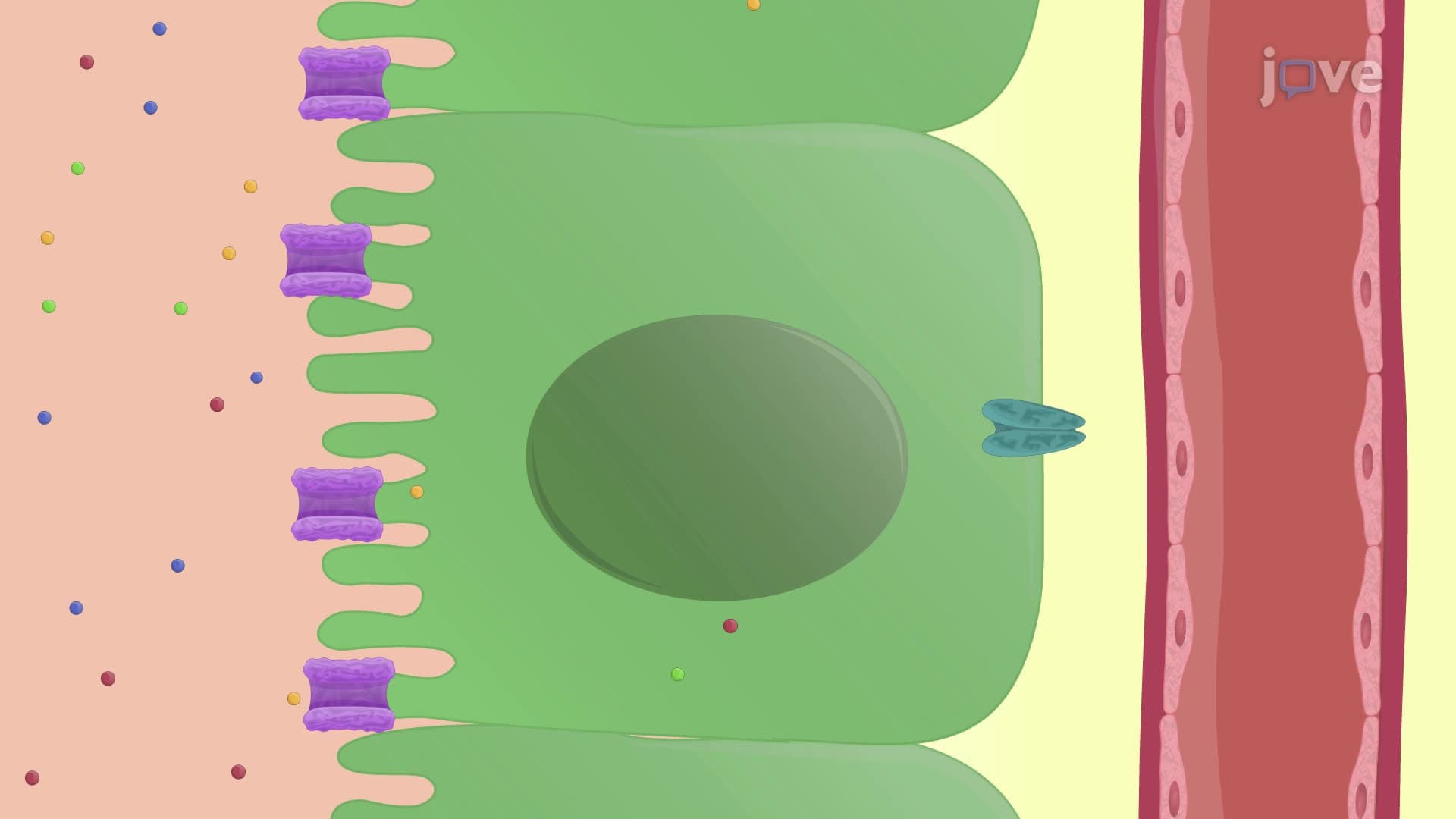
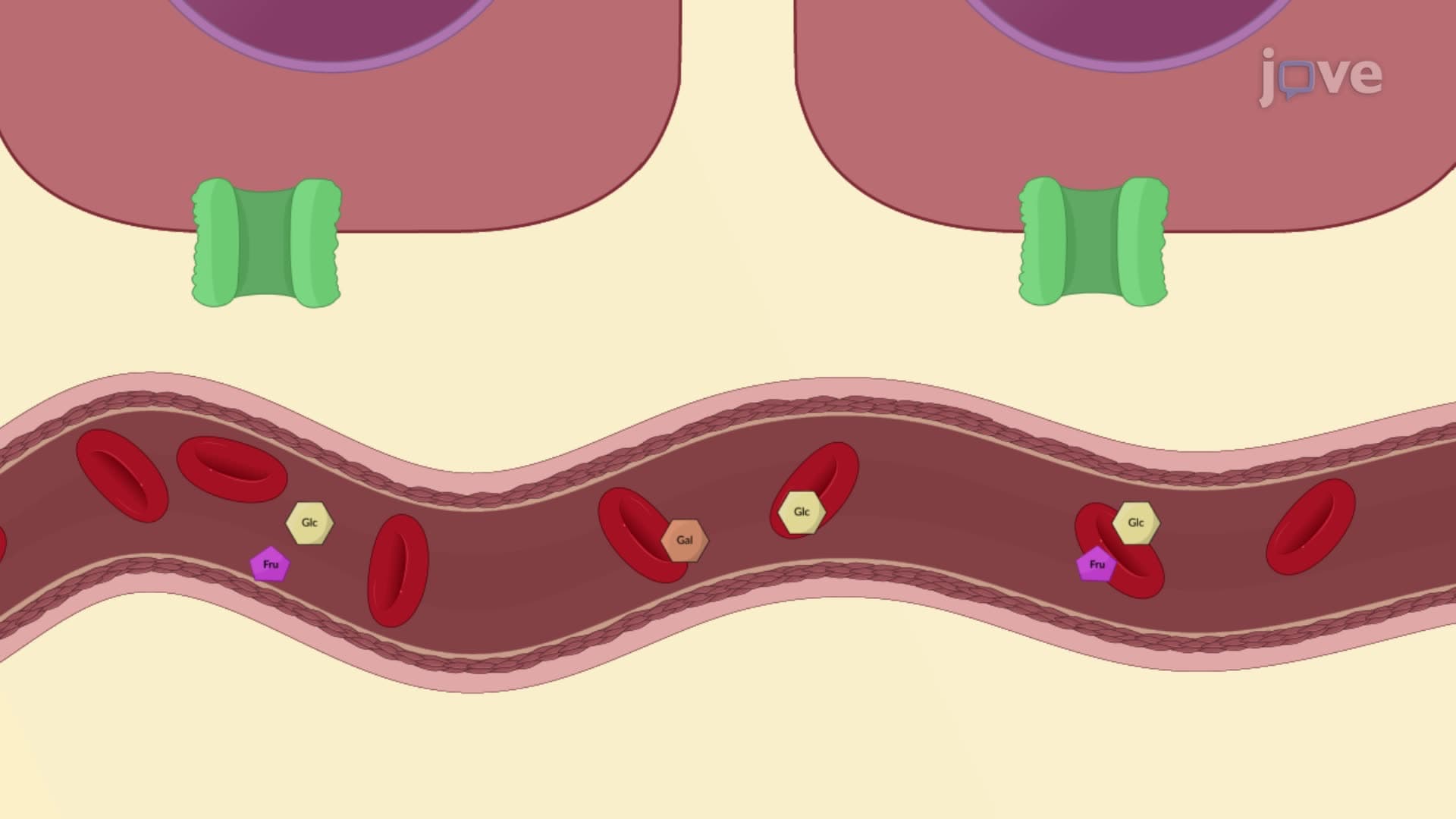
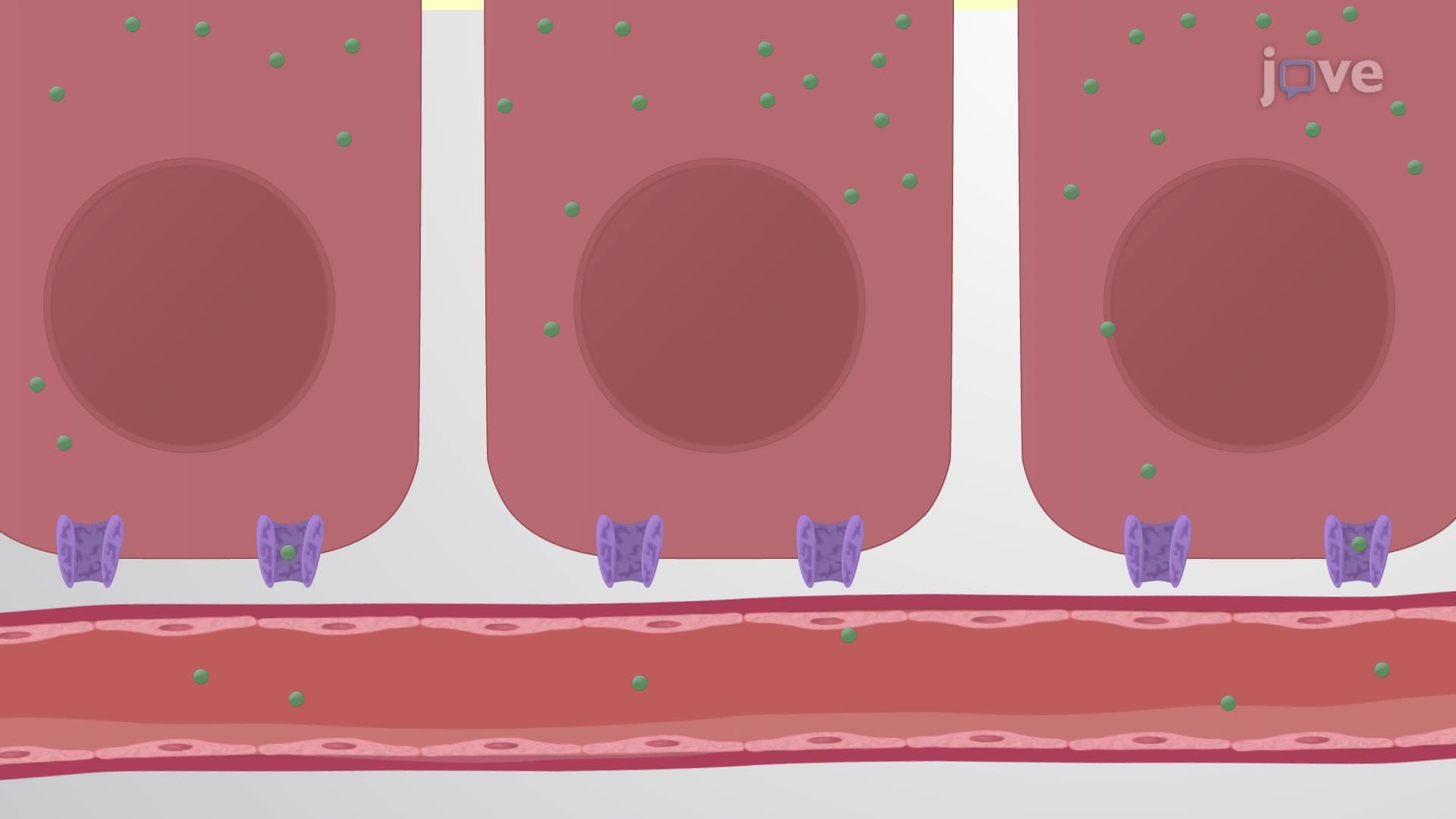
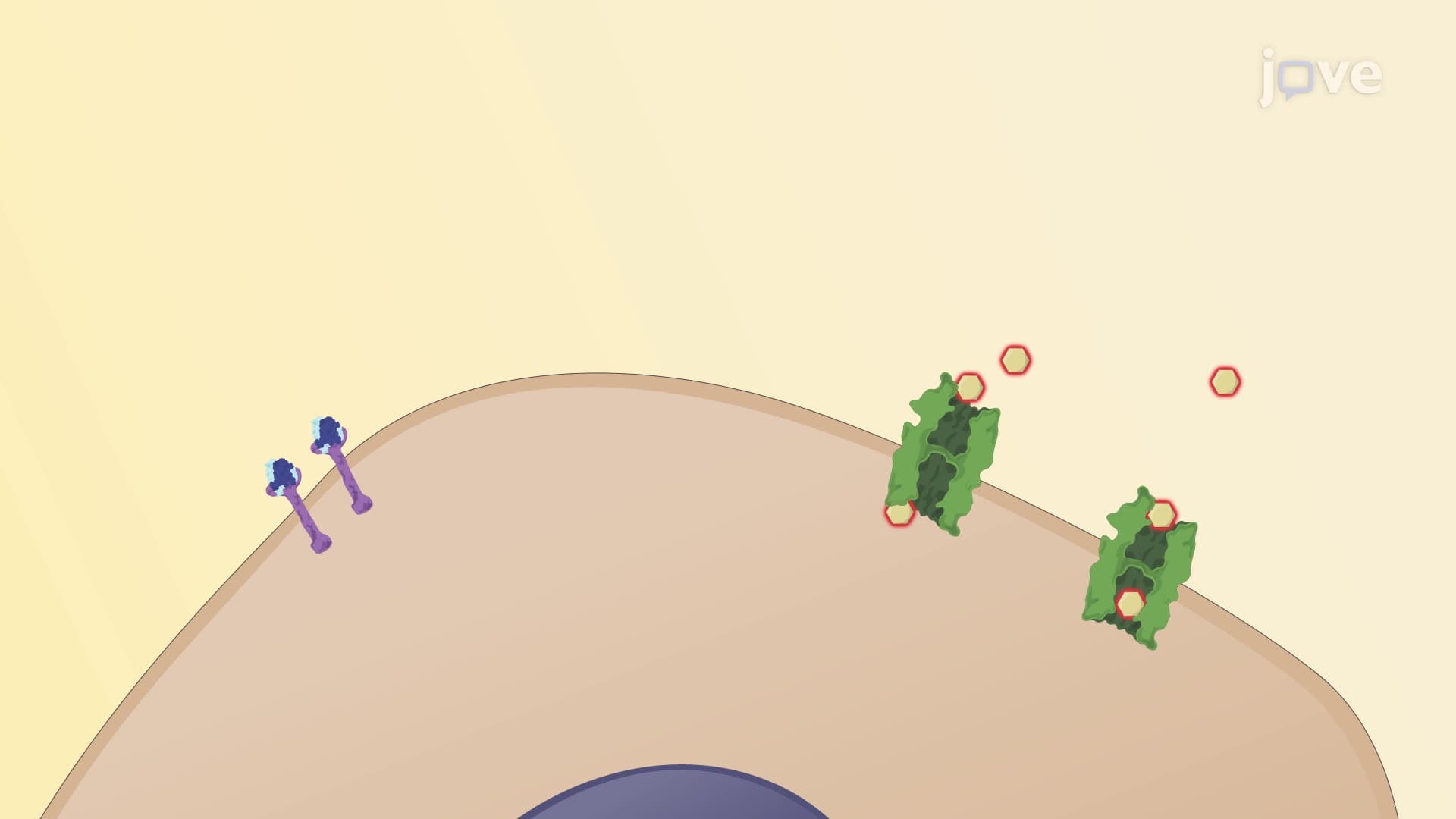
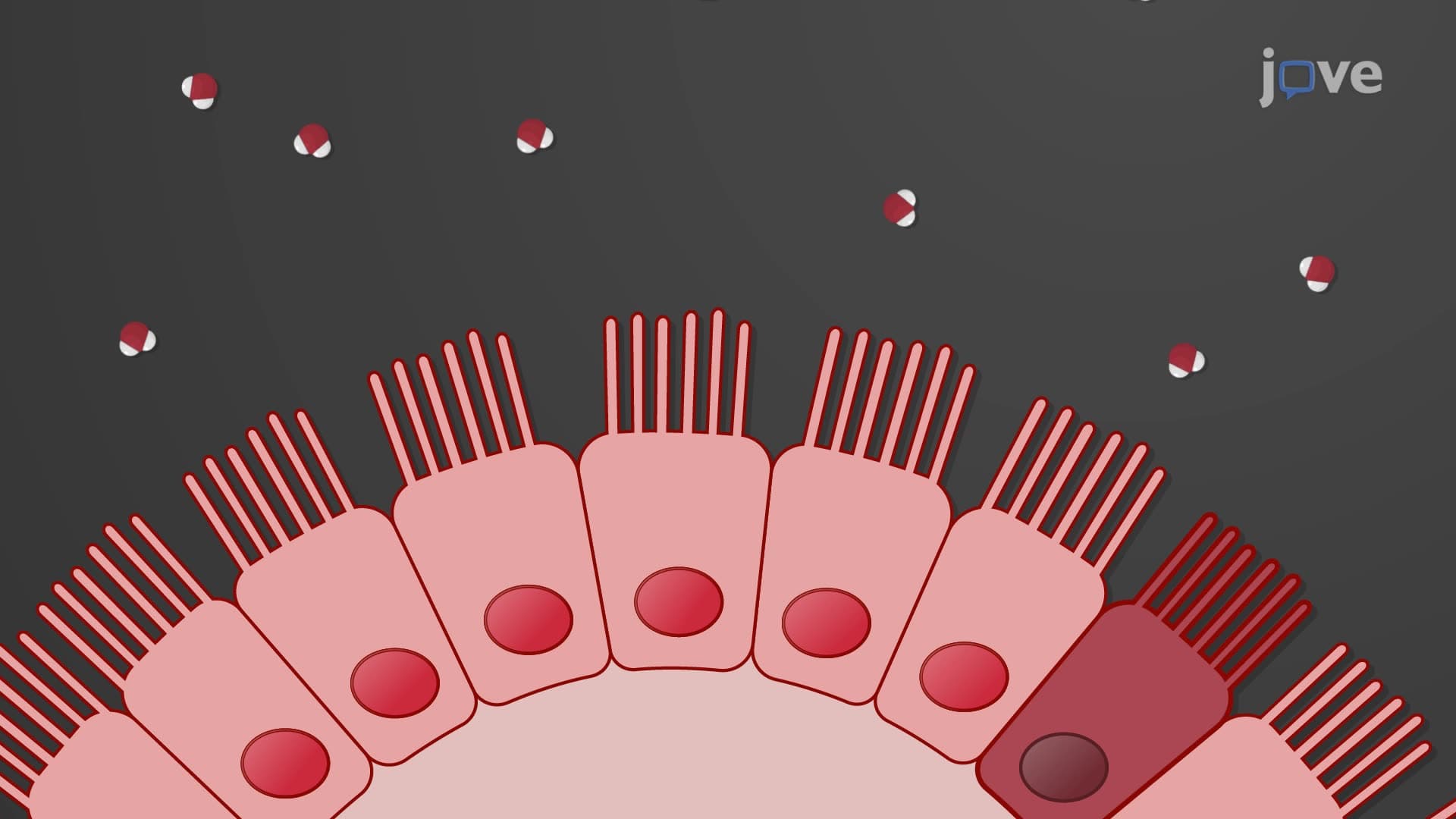
Sodium absorption exemplifies active transport complexity in how minerals vitamins and water are absorbed. After entering enterocytes through apical sodium channels, basolateral sodium-potassium pumps actively transport sodium into interstitial fluid. Chloride ions follow passively, maintaining electrochemical balance. This coupled transport creates the osmotic gradient driving water absorption-explaining why oral rehydration therapy works for treating dehydration in emergency medicine.
Potassium utilizes facilitated diffusion, moving down concentration gradients through specific channels. This explains why hyperkalemia patients must limit dietary potassium-their kidneys cannot adequately clear excess potassium absorbed through these passive channels.
Vitamin Absorption: Fat-Soluble Versus Water-Soluble Pathways
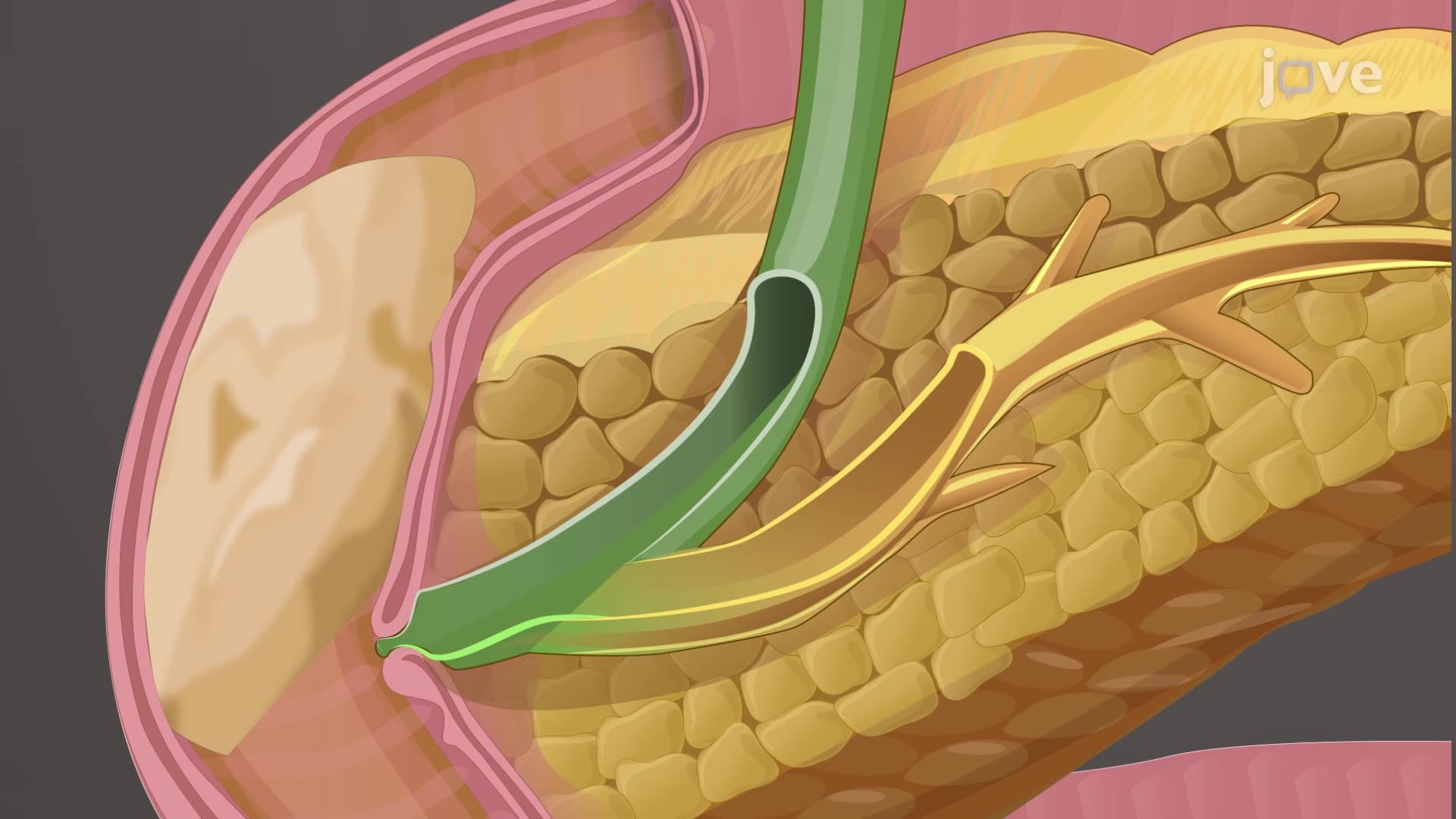
Fat soluble vitamin absorption requires micelle formation with dietary fats, explaining why fat malabsorption diseases like cystic fibrosis cause fat-soluble vitamin deficiencies. Vitamins A, D, E, and K incorporate into mixed micelles containing bile salts, phospholipids, and fatty acids before absorption in the jejunum.
Water-soluble vitamins (B-complex and C) use passive diffusion, except vitamin B12, which requires intrinsic factor binding for active transport in the terminal ileum. This unique mechanism explains why gastric bypass patients develop B12 deficiency-surgical removal of intrinsic factor-producing stomach cells impairs B12 absorption despite adequate dietary intake.
Frequently Asked Questions
Mineral vitamin water absorption encompasses the complex processes by which your intestines uptake essential nutrients from food through specialized transport mechanisms. This process maintains electrolyte balance, supports cellular metabolism, enables proper hydration, and prevents nutritional deficiencies. Without efficient absorption, even adequate dietary intake cannot meet physiological needs, leading to conditions like iron-deficiency anemia or dehydration.
MCAT questions often focus on transport mechanisms, asking students to predict absorption changes when transporters are blocked or concentration gradients altered. AP Biology exams emphasize membrane transport principles, requiring students to explain why fat-soluble vitamins need different absorption pathways than water-soluble ones. Both exams test understanding of anatomical locations where specific nutrients are absorbed and clinical implications of malabsorption.
Human physiology, biochemistry, and nutrition science courses extensively cover these concepts at the undergraduate level. Medical school physiology and pathophysiology courses build upon this foundation for clinical applications. Many pre-health students encounter this material in prerequisite courses like general biology, organic chemistry, and anatomy & physiology required for health professional programs.
Emergency departments use oral rehydration therapy based on sodium-glucose co-transport to treat dehydration without IV fluids. Gastroenterologists diagnose celiac disease partly through fat-soluble vitamin deficiencies indicating intestinal damage. Surgeons must consider absorption changes after gastric bypass, often requiring lifelong B12 supplementation due to altered intrinsic factor availability and modified intestinal anatomy.
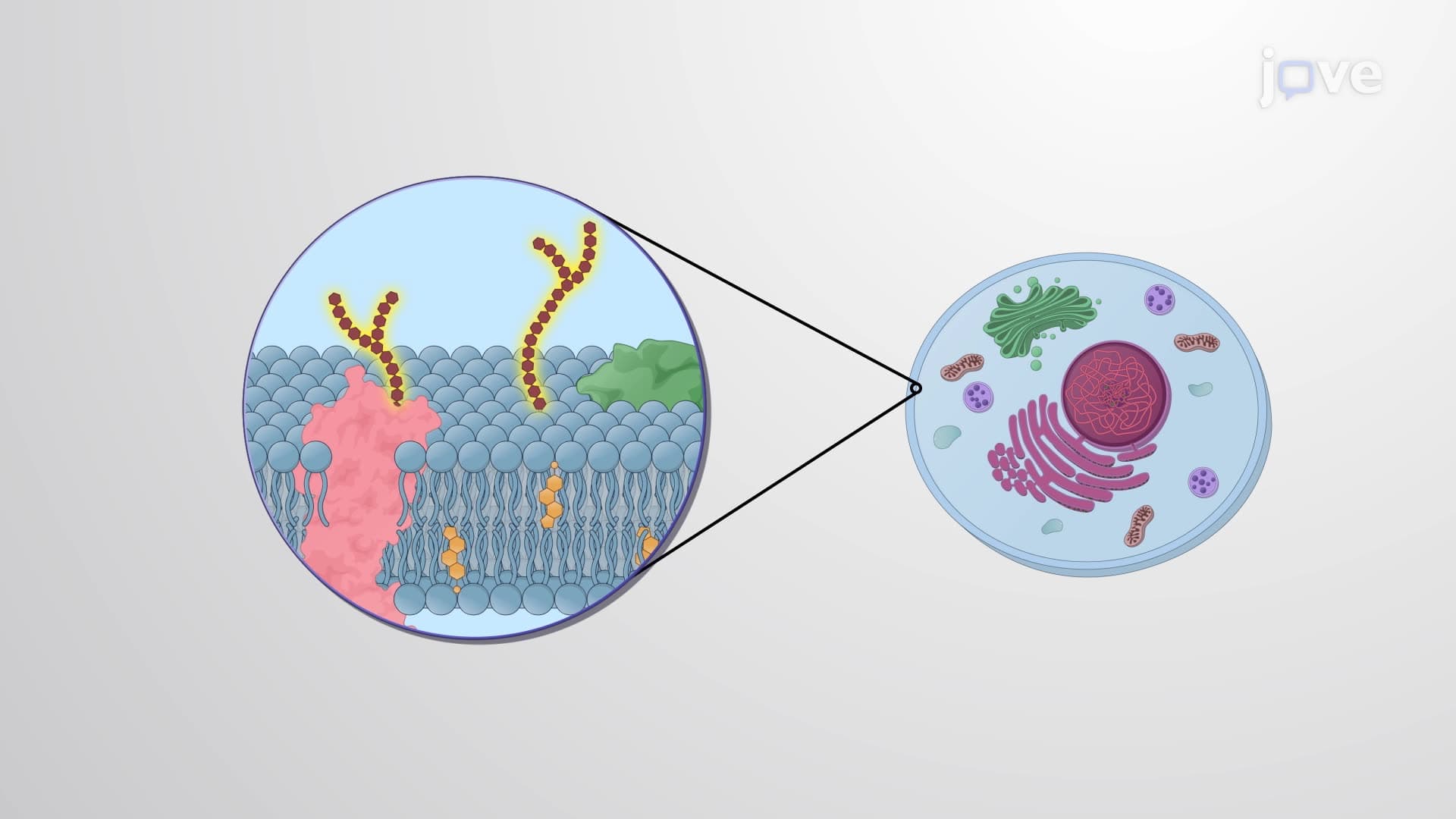
This topic builds naturally on basic cell membrane concepts taught in introductory biology courses. Students with solid understanding of diffusion, osmosis, and active transport can master these absorption mechanisms. The key is connecting transport principles to specific nutrients and anatomical locations. Visual aids showing intestinal cross-sections and transport proteins help students visualize these molecular processes effectively.
Create comparison charts organizing nutrients by absorption location, transport mechanism, and clinical significance. Practice drawing intestinal cross-sections showing different transport pathways. Use mnemonics like "Iron Does Duodenum" to remember location-specific absorption. Focus on connecting absorption mechanisms to real clinical scenarios-this helps with both memorization and application questions on standardized exams.
Students can explore pathophysiology of malabsorption syndromes, pharmacology of absorption-affecting medications, and nutritional biochemistry showing how absorbed nutrients function in metabolic pathways. Advanced physiology courses cover hormonal regulation of absorption, while clinical nutrition programs examine therapeutic applications. Research opportunities exist in studying absorption efficiency variations among different populations and disease states.
Water absorption colon primarily occurs through passive osmosis following sodium absorption, concentrating fecal matter for elimination. Unlike small intestine absorption driven by nutrient transport, colonic water absorption responds to aldosterone regulation and varies with transit time. The colon absorbs approximately 1-2 liters daily, while the small intestine handles 8-9 liters, making small intestine absorption quantitatively more significant for hydration status.
Related Micro-courses

25 Concepts

20 Concepts

37 Concepts