Loading subject page…

- Anatomy and Physiology
- Absorption of Nutrients
- Proteins: Dietary Sources and Requirements
Micro-course: Absorption of Nutrients
34,747 views
Learn key concepts and earn your certificate.










Proteins: Dietary Sources and Requirements

00:00
01:28
Video Summary: Proteins Dietary Sources and Requirements Explained
Did you know that eating rice and beans together creates a complete protein equivalent to eating a steak? Understanding dietary protein sources requirements becomes crucial when you realize that over 40% of American college students don't meet their daily protein needs, leading to fatigue and poor concentration during finals week. From the chicken breast in your campus dining hall to the quinoa in your dorm room, proteins dietary sources and requirements explained reveals how strategic food combinations can optimize your body's cellular repair and growth. Watch the full video on JoVE Coach to master this concept with expert-led visuals and step-by-step explanations.
- Understand how proteins dietary sources and requirements explained form the foundation for optimal human nutrition and cellular function
- Identify complete versus incomplete protein sources and their role in meeting essential amino acid requirements
- Analyze the difference between animal-based and plant-based protein sources in terms of amino acid profiles and health implications
- Compare positive, negative, and balanced nitrogen states and their physiological significance for tissue growth and repair
- Evaluate daily protein requirements based on body weight, activity level, and life stage for optimal health outcomes
- Apply food combination strategies to create complete proteins from plant-based sources in meal planning
- Recognize the consequences of inadequate protein intake on growth, immune function, and overall health
- Explore how protein quality and quantity affect cardiovascular health and weight management in different populations
Understanding Proteins Dietary Sources and Requirements Explained
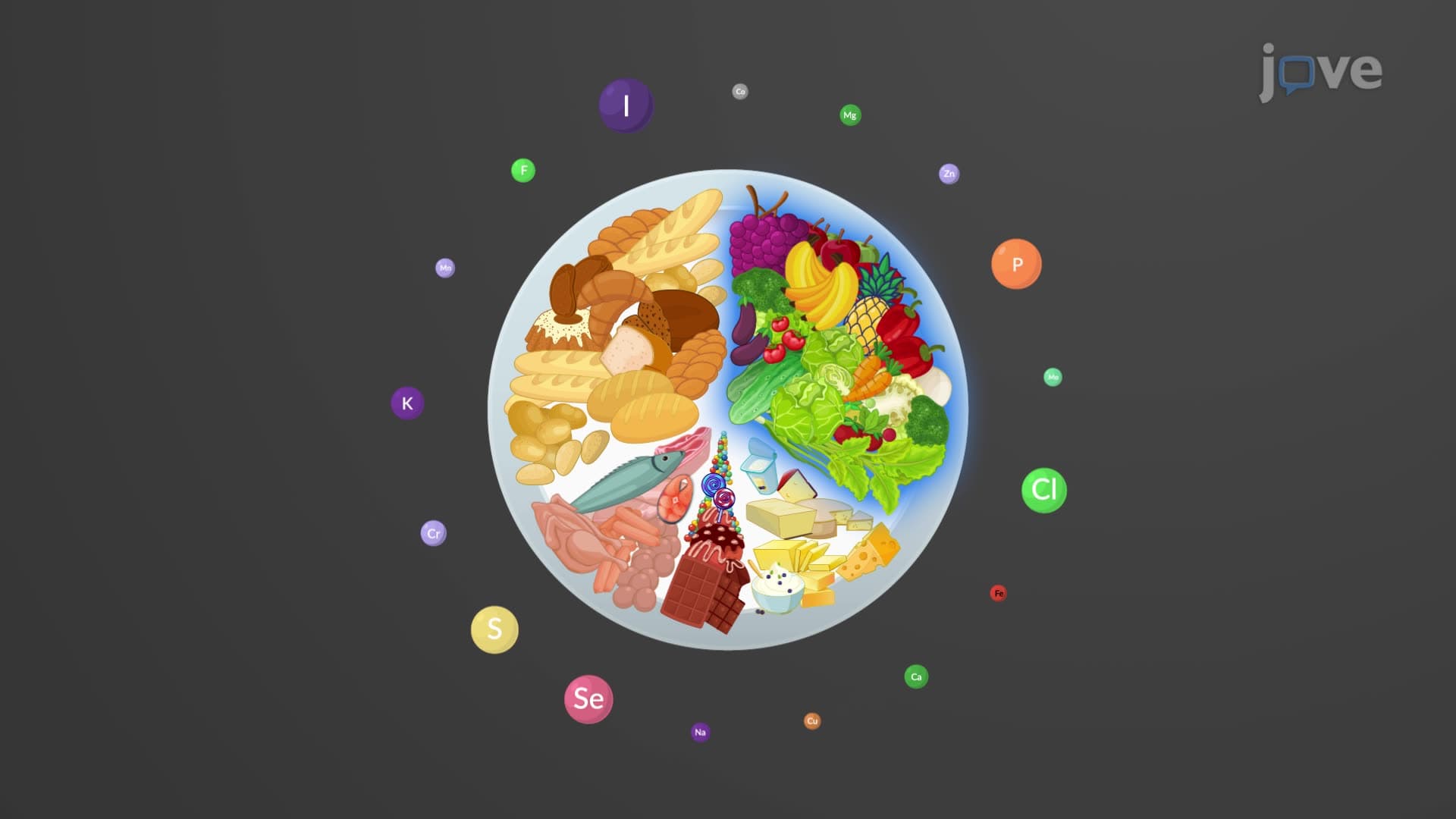
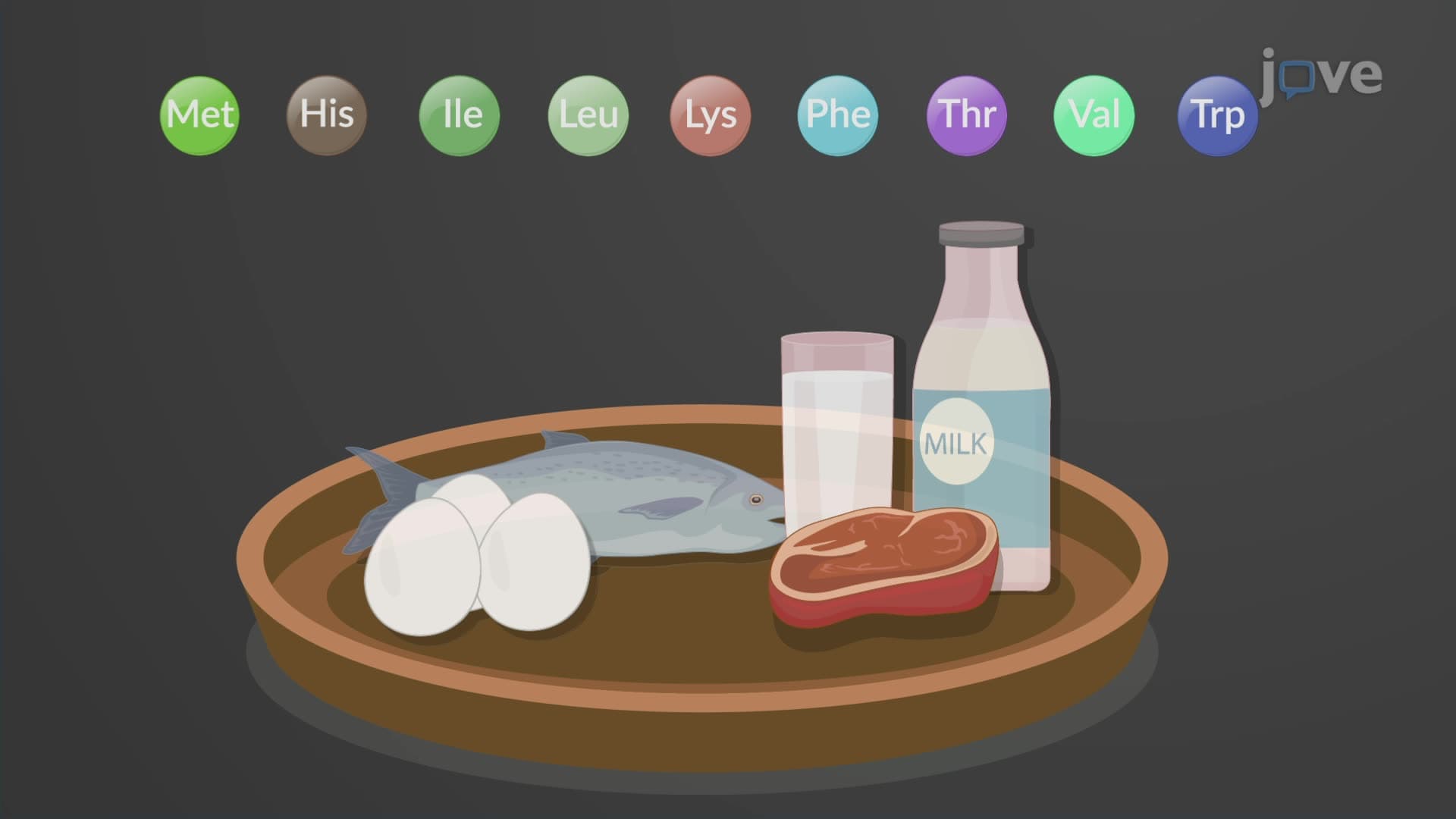
Protein stands as one of the three essential macronutrients, serving dual roles as both structural building blocks and functional molecules in human physiology. Unlike carbohydrates and fats, proteins contain nitrogen, making them irreplaceable for synthesizing enzymes, hormones, antibodies, and structural components like collagen and keratin. The human body requires 20 different amino acids, with nine classified as essential because our cells cannot synthesize them independently.
Complete vs. Incomplete Protein Food Sources
The concept of protein completeness revolves around amino acid profiles. Complete proteins contain all nine essential amino acids in adequate proportions for human needs. Animal-derived sources-including beef, chicken, fish, eggs, and dairy products-consistently provide complete proteins. For example, a 3.5-ounce serving of grilled salmon delivers approximately 25 grams of complete protein along with omega-3 fatty acids.
Incomplete proteins, primarily found in plant sources, lack one or more essential amino acids. However, strategic food combinations can overcome this limitation. The classic American example of rice and beans demonstrates protein complementation-rice provides methionine but lacks lysine, while beans supply lysine but are low in methionine. Together, they form a complete amino acid profile rivaling animal proteins.
Daily Protein Requirements and Nitrogen Balance
The Recommended Dietary Allowance (RDA) for protein is 0.8 grams per kilogram of body weight for sedentary adults, translating to approximately 56 grams daily for a 154-pound male and 46 grams for a 126-pound female. However, athletes, growing adolescents, and individuals recovering from illness require higher intakes-sometimes up to 2.0 grams per kilogram.
Nitrogen balance serves as a clinical indicator of protein status. Positive nitrogen balance occurs when protein synthesis exceeds breakdown, typical during growth periods, pregnancy, or muscle building. Negative nitrogen balance indicates protein catabolism exceeding synthesis, often seen in illness, stress, or inadequate protein intake. This concept frequently appears on MCAT biochemistry sections and AP Biology exams.
Health Implications of Protein Source Selection
While meeting protein requirements is essential, source selection impacts long-term health outcomes. Animal proteins often accompany saturated fats, potentially increasing cardiovascular disease risk when consumed excessively. The landmark Nurses' Health Study, following over 80,000 American women, demonstrated that replacing red meat with plant proteins reduced heart disease risk by 13%.
Conversely, plant-based proteins like legumes, nuts, and seeds provide additional benefits including fiber, antioxidants, and beneficial plant compounds. However, plant-based eaters must carefully plan their diets to ensure adequate protein intake and prevent deficiencies in vitamin B12, iron, and zinc-considerations important for college students adopting vegetarian lifestyles.
Frequently Asked Questions
Protein dietary sources include animal products (meat, fish, eggs, dairy) and plant foods (beans, nuts, grains), while requirements vary from 0.8-2.0 grams per kilogram of body weight depending on age and activity level. Adequate protein intake ensures proper muscle maintenance, immune function, and cellular repair. Meeting these requirements becomes especially crucial during periods of growth, stress, or increased physical activity.
MCAT biochemistry sections frequently present scenarios involving protein metabolism during different physiological states. You'll encounter questions about calculating daily protein needs, interpreting nitrogen balance studies, or analyzing amino acid deficiency effects on protein synthesis. Practice identifying whether clinical scenarios represent positive, negative, or balanced nitrogen states based on patient symptoms and laboratory values.
AP Biology Unit 1 (Chemistry of Life) covers protein structure and function, while Unit 7 (Natural Selection) may include questions about nutritional adaptations. Expect questions about amino acid structures, protein synthesis requirements, and how dietary limitations affect cellular processes. The AP exam often includes data interpretation problems involving protein deficiency studies or amino acid supplementation experiments.
Eggs, canned tuna, dried beans, lentils, and peanut butter provide the most protein per dollar spent. A combination of rice and beans costs under $2 per day while delivering 30+ grams of complete protein. Greek yogurt, when on sale, offers 15-20 grams of protein per serving and can be purchased in bulk for significant savings.
Basic high school chemistry helps, but no advanced prerequisites are required. Understanding protein nutrition primarily involves learning food sources, calculating daily needs based on body weight, and recognizing deficiency symptoms. Most concepts build logically from simple arithmetic and common-sense nutrition principles that any motivated student can master.
Create mnemonics for the nine essential amino acids (histidine, isoleucine, leucine, lysine, methionine, phenylalanine, threonine, tryptophan, valine). Focus on understanding which foods complement each other rather than memorizing individual amino acid content. Practice calculating daily protein requirements using your own body weight to make the math personally relevant and memorable.
Growing teenagers need 0.85-1.0 grams per kilogram, pregnant women require an additional 25 grams daily, and athletes may need 1.2-2.0 grams per kilogram depending on training intensity. Elderly adults often need higher protein intake (1.0-1.2 g/kg) to prevent muscle loss. Illness, surgery, or wound healing temporarily increases requirements by 50-100% above normal levels.
Explore protein quality scoring systems (PDCAAS, DIAAS), protein timing for athletic performance, and the role of specific amino acids like leucine in muscle protein synthesis. Advanced topics include protein metabolism disorders, therapeutic applications of modified protein diets, and emerging research on plant protein bioavailability enhancement through food processing techniques.
Related Micro-courses

25 Concepts

20 Concepts

37 Concepts