Loading video…


 25 Concepts
 34.8K views

Video Summary: What are Mechanisms of Heat Transfer
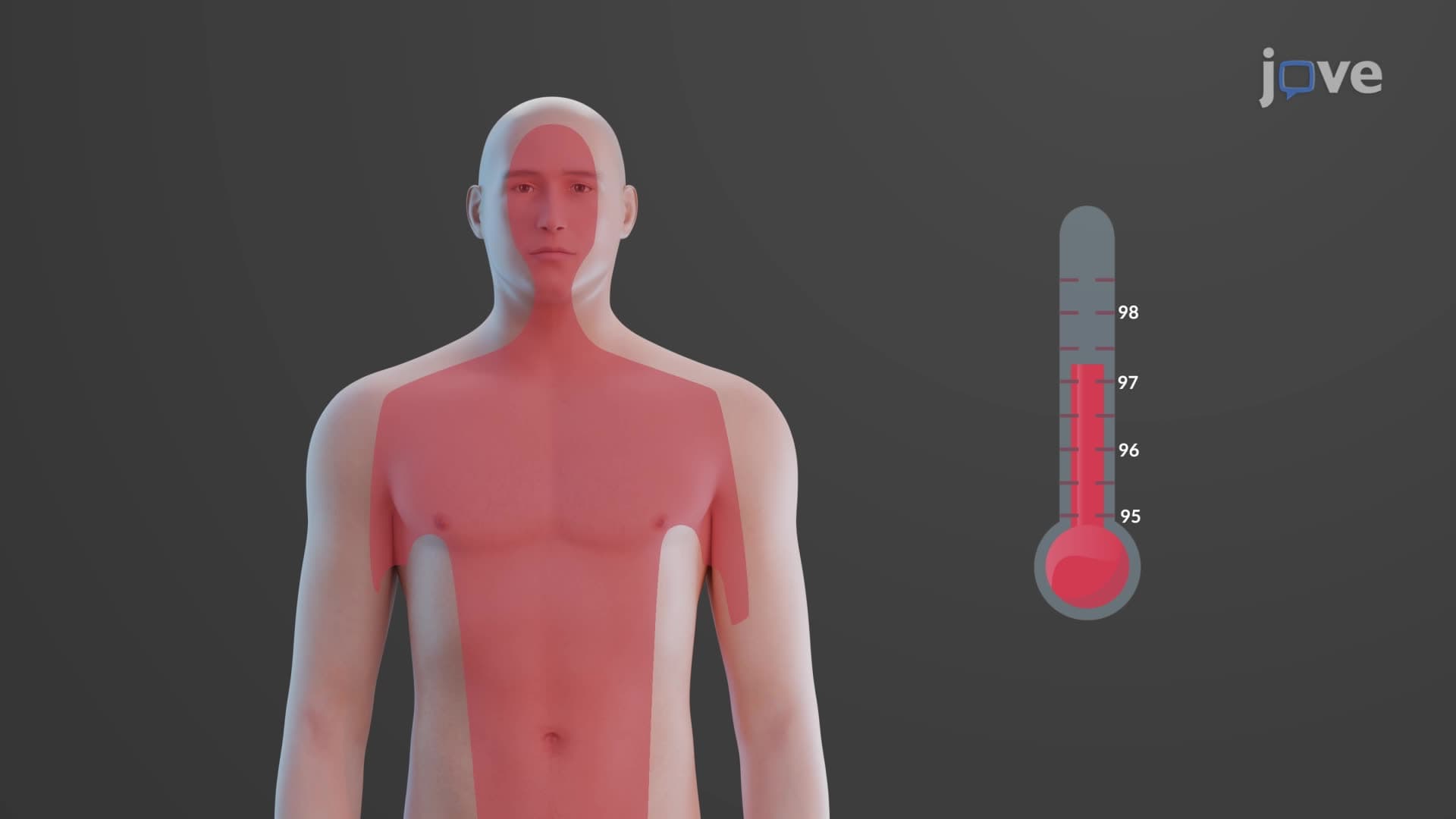
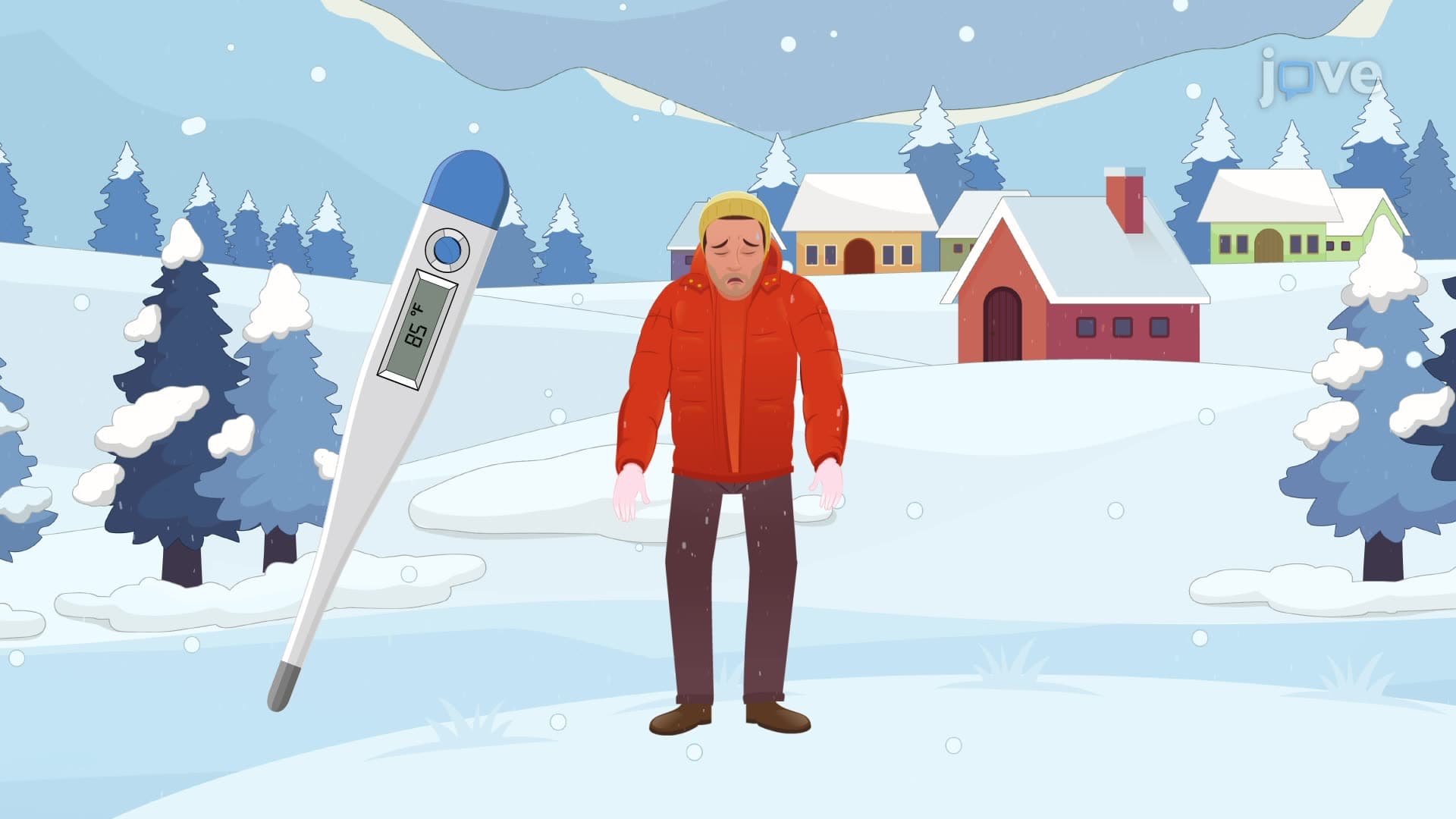
Did you know your body loses heat equivalent to a 100-watt lightbulb even while resting? Heat transfer mechanisms biology governs how your body maintains its core temperature of 98.6°F through four distinct processes. When a swimmer jumps into Lake Michigan's 65°F water, their body immediately begins transferring heat through conduction, convection, radiation, and evaporation. Understanding what are mechanisms of heat transfer is crucial for grasping human thermoregulation and survival physiology. Watch the full video on JoVE Coach to master this concept with expert-led visuals and step-by-step explanations.
The human body functions as a sophisticated thermal regulation system, constantly managing heat exchange with the environment through four primary heat transfer mechanism body processes. These mechanisms work simultaneously to maintain homeostasis, making them essential topics in AP Biology, human physiology courses, and pre-med curricula.
Radiation conduction convection heat transfer begins with conduction, where thermal energy moves directly between molecules in contact. When a football player sits on a cold metal bench during a December game in Green Bay, heat flows from their warmer body (98.6°F) to the cooler metal surface. This process explains why hypothermia develops rapidly in cold water - water conducts heat 25 times faster than air. Medical students studying for the MCAT frequently encounter questions about conductive heat loss in clinical scenarios, such as patients on cold operating tables or newborns in incubators.
Convection involves heat transfer through moving fluids - air or water. During a marathon in Phoenix, runners benefit from body surface heat transfer as moving air carries away the heated air layer surrounding their skin. This mechanism explains why wind chill factors make temperatures feel colder than actual readings. Emergency room physicians rely on convection principles when treating hyperthermia patients, using fans and cool air circulation to enhance heat dissipation.
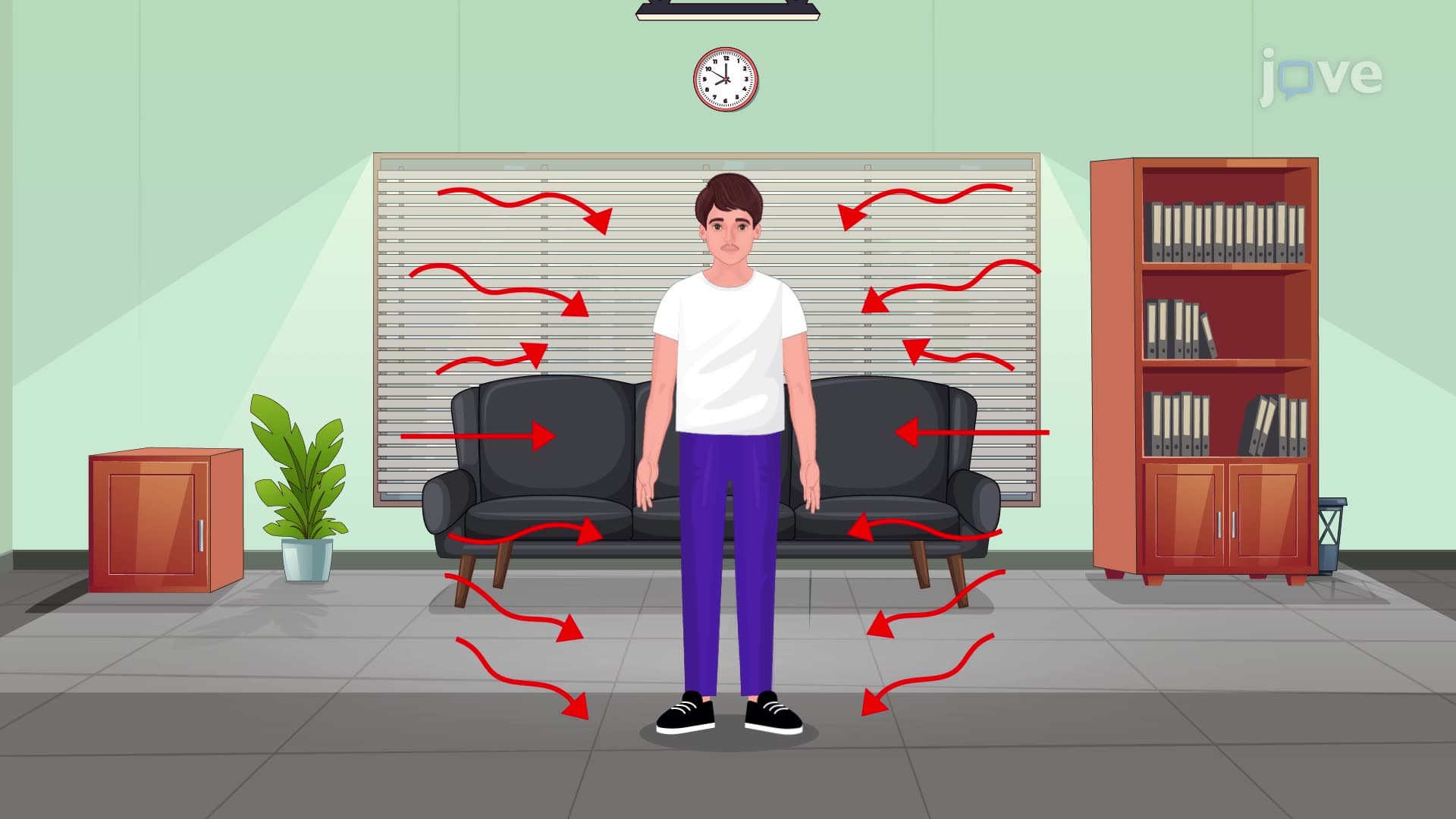
Radiation transfers heat through electromagnetic waves without requiring direct contact. A sunbather in Miami absorbs infrared radiation from the sun, warming their skin surface. Conversely, the body radiates heat to cooler surroundings, accounting for approximately 60% of heat loss in comfortable indoor environments.
Evaporation heat loss body represents the most efficient cooling mechanism, where liquid water transforms to vapor, removing substantial thermal energy. Sweating evaporative heat can dissipate up to 600 calories per liter of sweat. Even at rest, insensible water loss through skin and respiratory surfaces contributes 20-25% of total heat loss, making this concept crucial for understanding fluid balance in nursing programs and NCLEX preparation.
Related Micro-courses