Loading subject page…


34,747 views

Video Summary: What Is Cholesterol Significance and Regulation
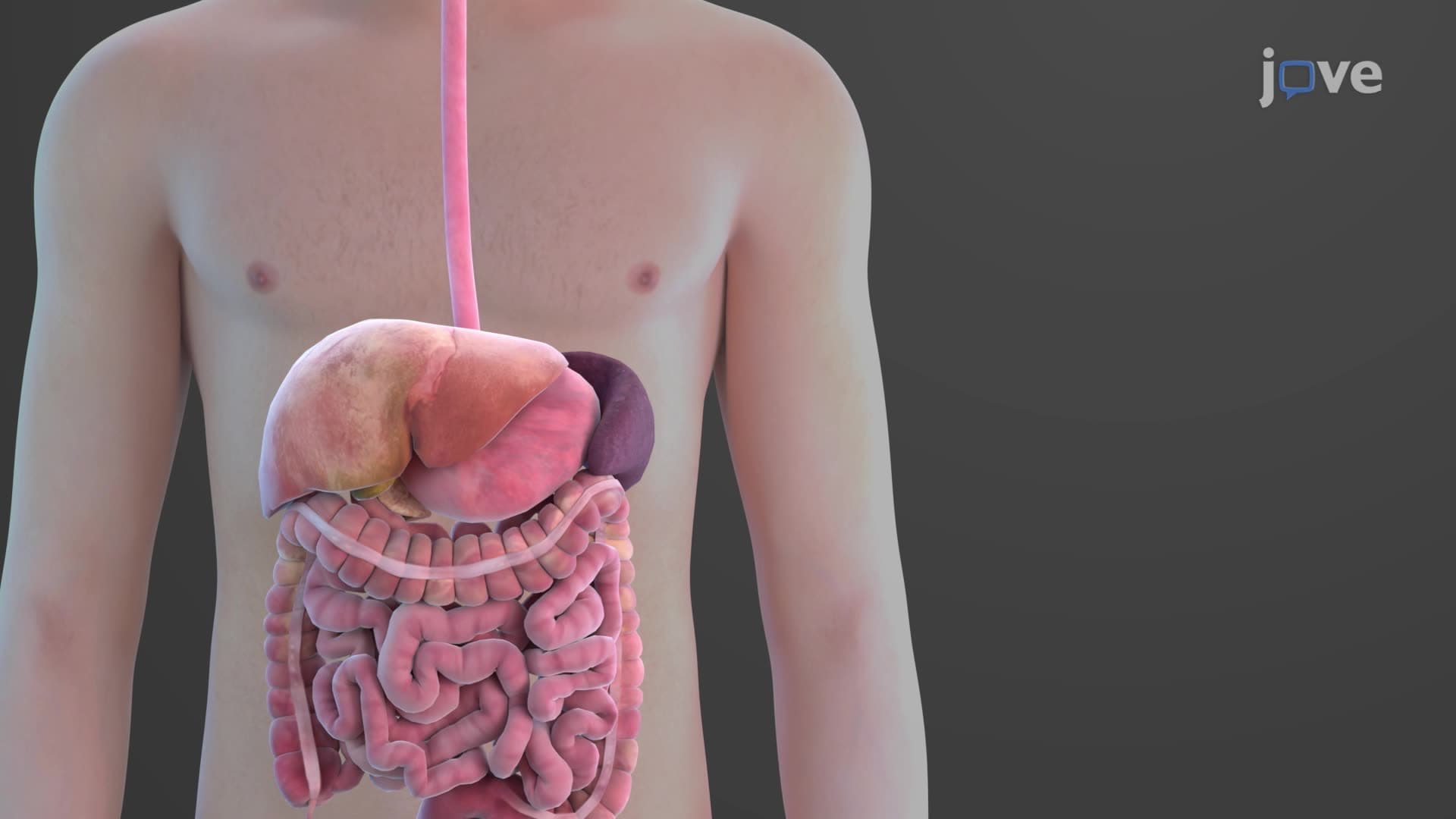
Did you know that your liver produces about 80% of your body's cholesterol, regardless of what you eat? Understanding cholesterol significance and regulation reveals how this essential molecule affects everything from cell membranes to heart disease risk. The American Heart Association reports that nearly 94 million US adults have high cholesterol, making this biological process critically important for public health. This complex system involves specialized transport proteins that shuttle cholesterol throughout your body, with some protecting your arteries while others can clog them. Watch the full video on JoVE Coach to master this concept with expert-led visuals and step-by-step explanations.
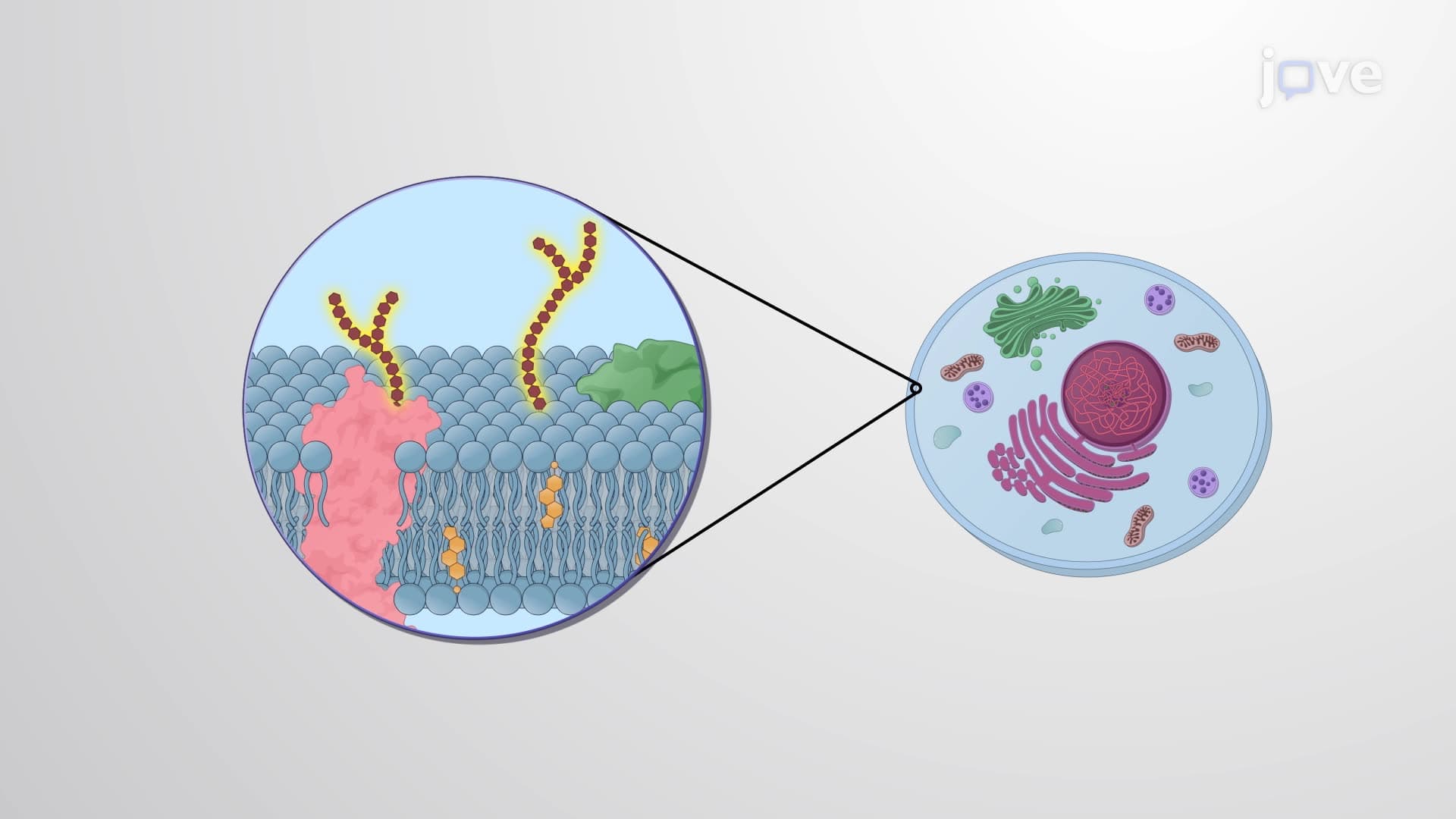
Cholesterol significance and regulation represents one of biochemistry's most clinically relevant topics, directly impacting millions of Americans through cardiovascular disease. This waxy, lipid molecule serves dual roles: an essential building block for cell membranes and hormones, yet a potential contributor to arterial disease when dysregulated.
The liver orchestrates cholesterol homeostasis regulation through a sophisticated feedback system. Beginning with acetyl CoA-the same molecule produced from glucose breakdown-hepatic cells construct cholesterol through a 30-step enzymatic pathway. The rate-limiting enzyme, HMG-CoA reductase, becomes the target of statin medications prescribed to over 40 million Americans annually.
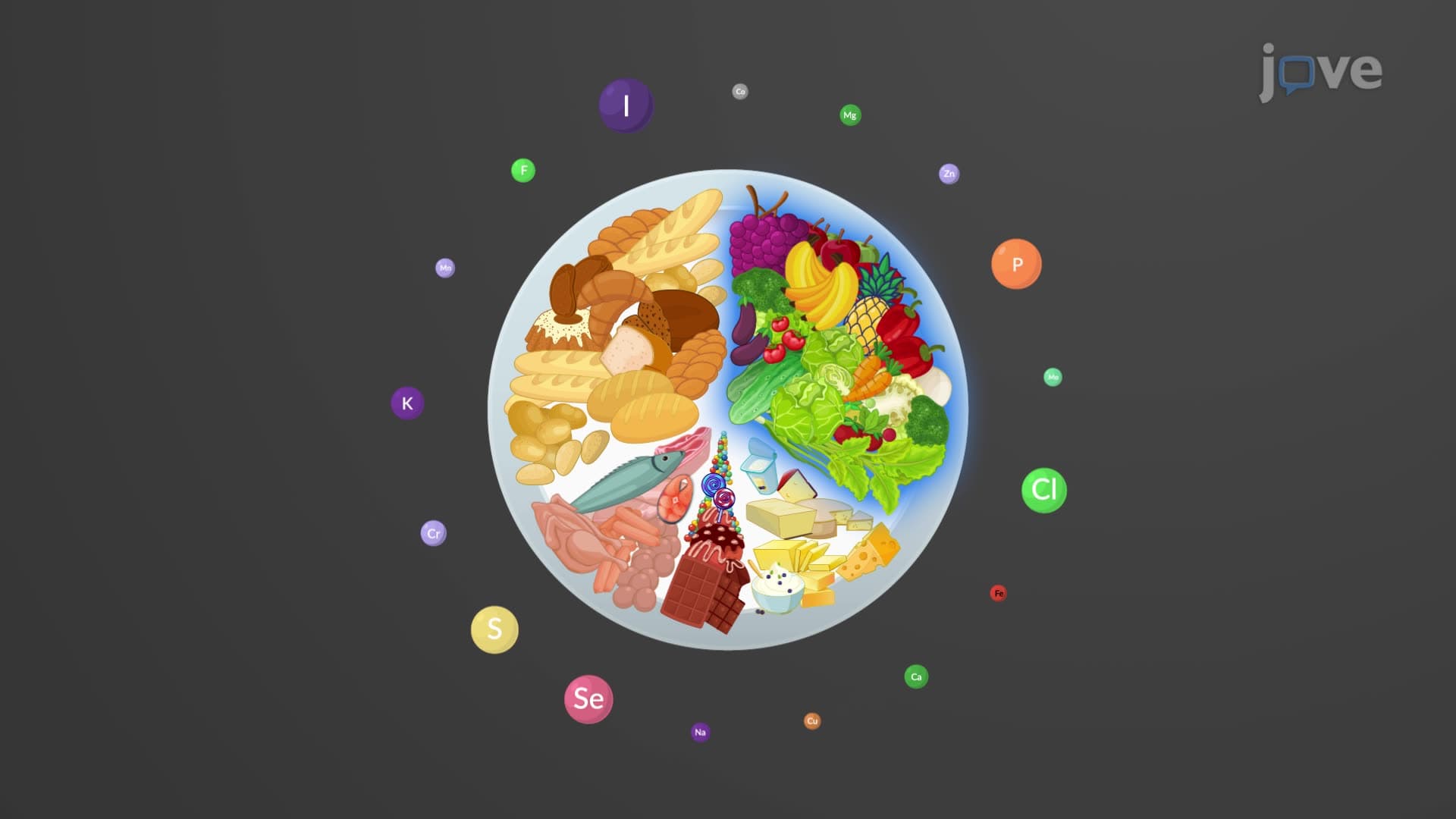
Cholesterol synthesis liver activity responds dynamically to dietary intake. When you consume saturated fats (think bacon, butter, or coconut oil), your liver increases cholesterol production. Conversely, unsaturated fats from sources like olive oil or salmon promote cholesterol breakdown into bile acids, facilitating elimination through the digestive tract.
Understanding LDL HDL cholesterol requires grasping the lipoprotein transport network. Very-low-density lipoproteins (VLDLs) begin this journey, carrying triglycerides from liver to adipose tissue. As VLDLs shed triglycerides, they transform into low-density lipoproteins (LDLs)-the infamous "bad cholesterol."
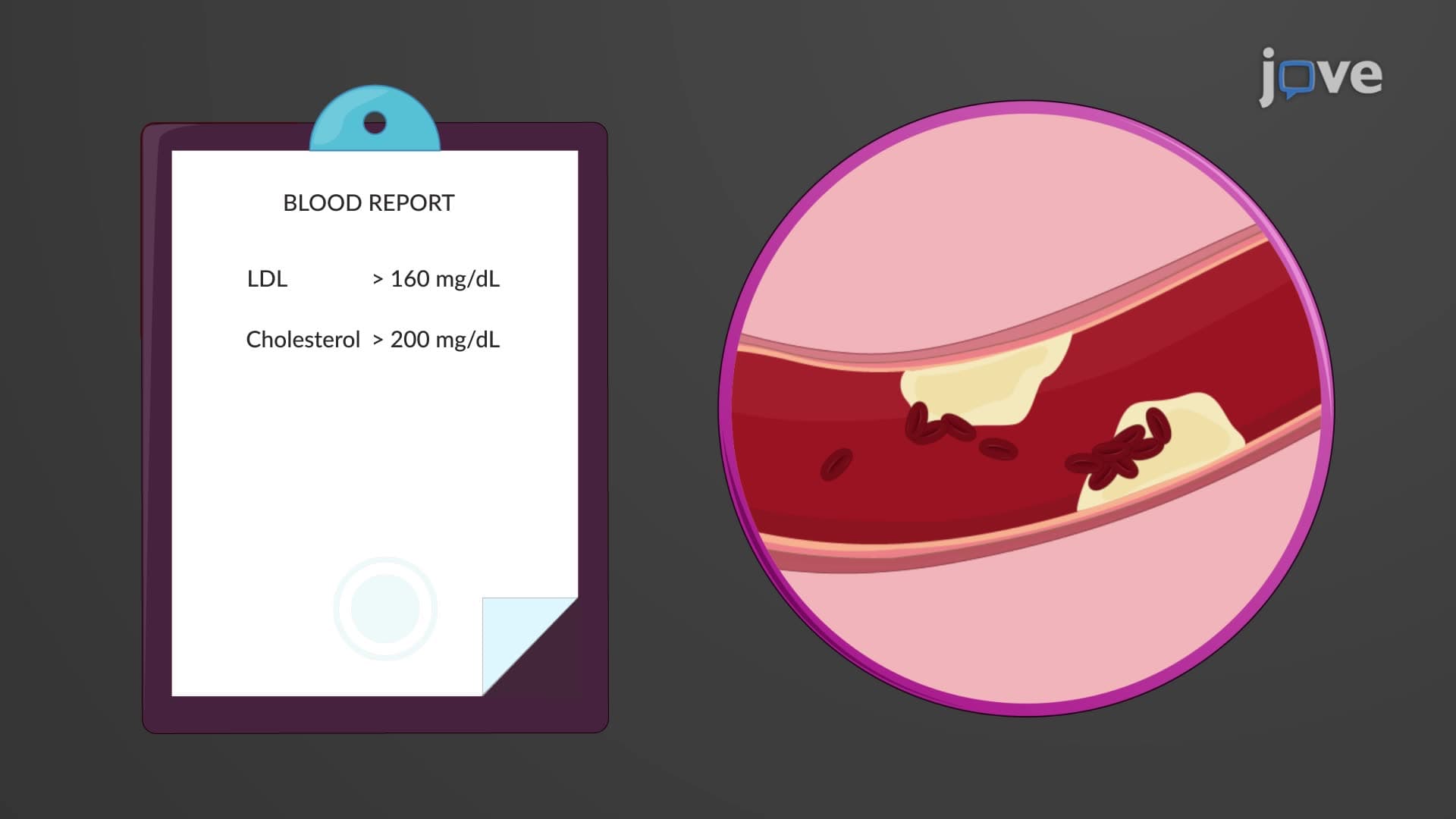
LDLs deliver cholesterol to peripheral tissues for hormone synthesis (testosterone, estrogen, cortisol) and cholesterol membrane structure maintenance. However, when LDL levels exceed 160 mg/dL, these particles infiltrate arterial walls, triggering inflammatory responses that create atherosclerotic plaques.
High-density lipoproteins (HDLs) perform "reverse cholesterol transport," extracting excess cholesterol from arterial walls and peripheral tissues. This protective mechanism explains why HDL levels above 60 mg/dL correlate with reduced heart disease risk, earning HDL its "good cholesterol" designation.
For AP Biology students, cholesterol regulation exemplifies negative feedback mechanisms and membrane biology. MCAT test-takers encounter cholesterol questions in biochemistry and physiology sections, particularly regarding lipid metabolism and cardiovascular pathophysiology. Pre-med students studying for the USMLE Step 1 must master cholesterol's role in atherosclerosis development and statin mechanism of action.
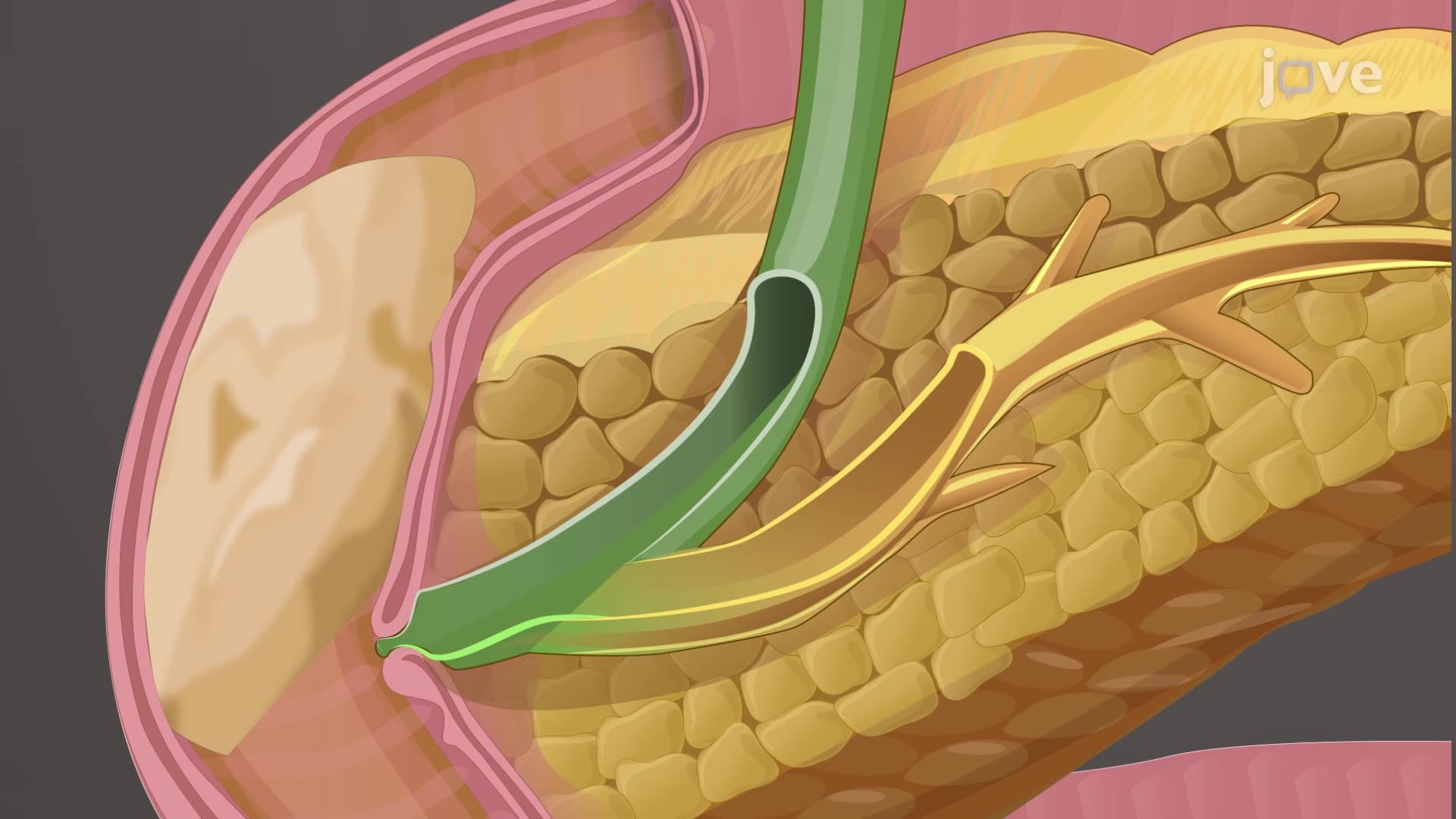
Bile acid cholesterol conversion represents a crucial elimination pathway, where cholesterol transforms into bile salts essential for fat digestion. This process removes approximately 500mg of cholesterol daily, highlighting the liver's central role in maintaining cholesterol balance.
Related Micro-courses