Loading subject page…

- Anatomy and Physiology
- Absorption of Nutrients
- Homeostatic Imbalances in Body Temperature
Micro-course: Absorption of Nutrients
34,747 views
Learn key concepts and earn your certificate.



Homeostatic Imbalances in Body Temperature

00:00
01:19
Video Summary: What Is Homeostatic Imbalances
Ever wonder why marathon runners in Arizona sometimes collapse despite being elite athletes? Homeostatic imbalances biology reveals how our body's regulatory systems can fail under extreme conditions. When the Golden State Warriors played in scorching Sacramento heat, several players experienced heat exhaustion-a prime example of what is homeostatic imbalances in action. These disruptions occur when normal physiological control mechanisms break down, leading to dangerous positive feedback loops. Watch the full video on JoVE Coach to master this concept with expert-led visuals and step-by-step explanations.
- Understand what is homeostatic imbalances and how they differ from normal regulatory responses in healthy individuals
- Identify the key mechanisms behind hyperthermia, fever, and hypothermia as examples of temperature regulation failures
- Analyze the difference between negative feedback (normal) and positive feedback loops (pathological) in disease states
- Compare controlled hyperthermic responses like fever versus uncontrolled hyperthermia in heat stroke patients
- Evaluate the physiological consequences when core body temperature exceeds critical thresholds of 105°F or drops below 70°F
- Apply knowledge of homeostatic disruption to predict outcomes in clinical scenarios involving electrolyte imbalances
- Recognize early warning signs of homeostatic failure in real-world situations like sports medicine emergencies
- Explore how multiple organ systems become compromised when homeostatic control mechanisms break down
Understanding What is Homeostatic Imbalances
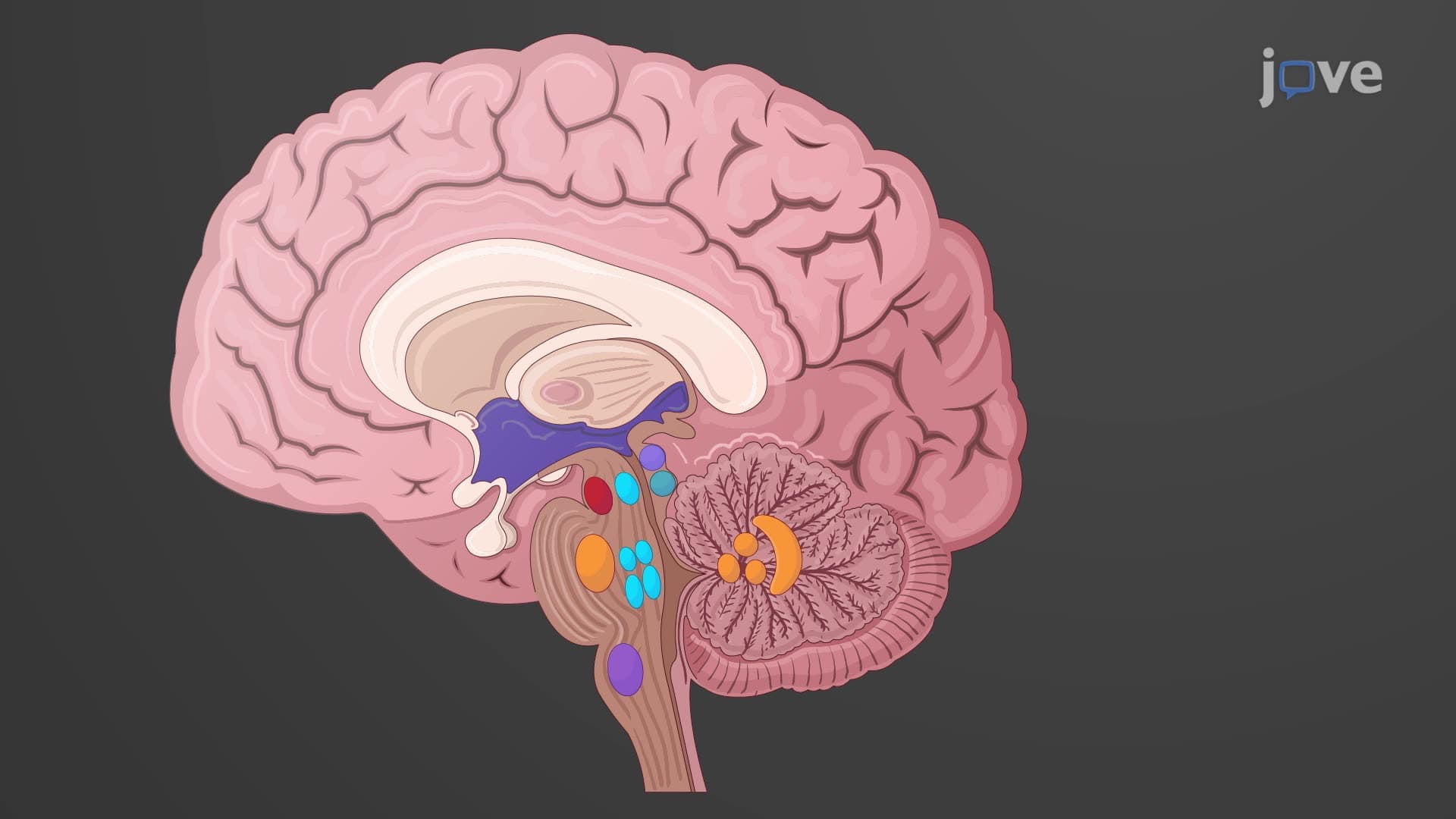
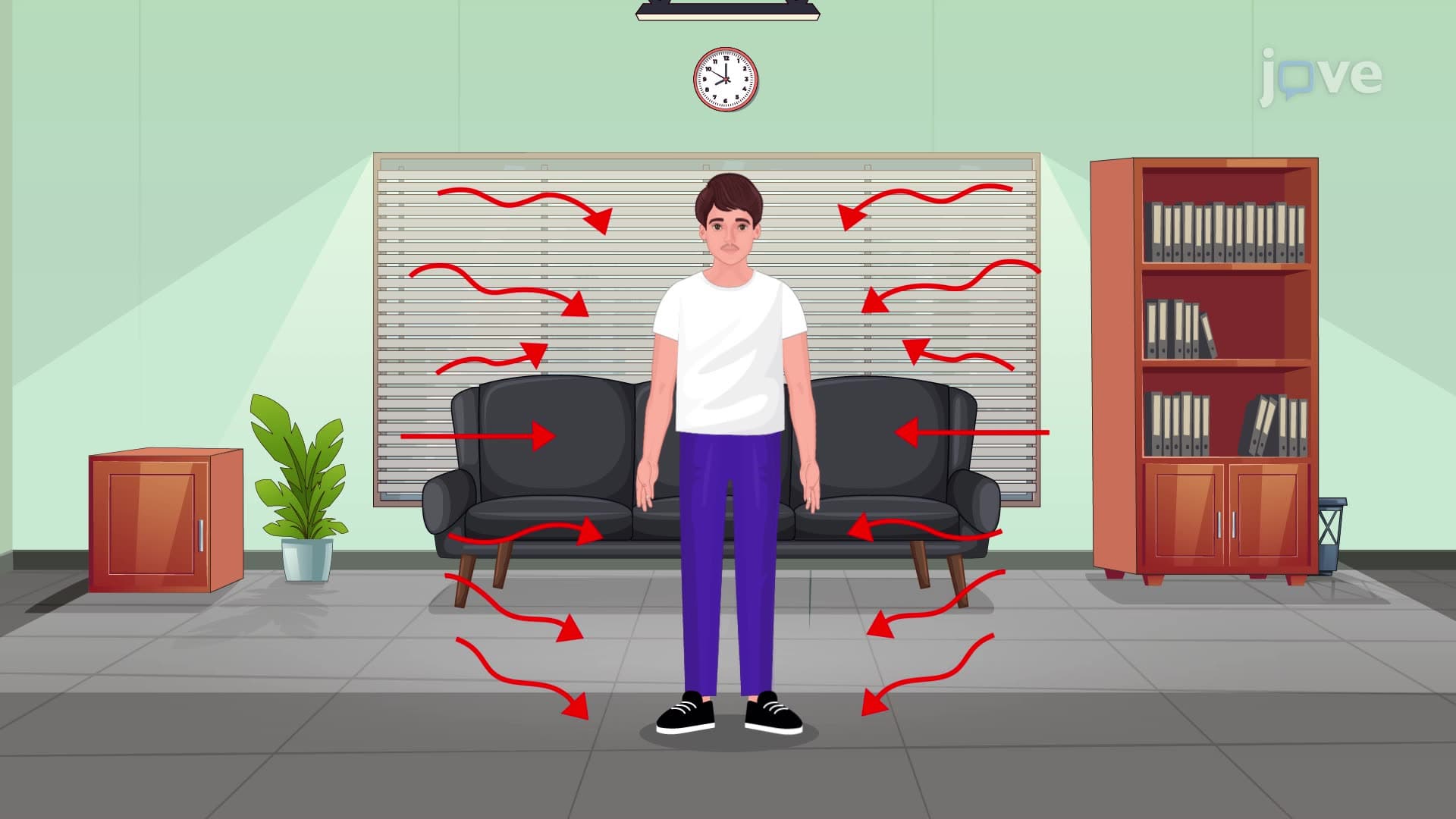
Body homeostasis imbalances explained begin with understanding that homeostasis represents our body's ability to maintain stable internal conditions despite external changes. When these regulatory mechanisms fail, disease homeostatic failure occurs, leading to potentially life-threatening conditions. Unlike normal fluctuations that our body easily corrects, true homeostatic imbalances involve loss of homeostasis body systems that spiral out of control.
Temperature Regulation Failures: The Most Common Imbalances
Hyperthermia represents a classic example of physiological imbalance type where heat production overwhelms dissipation mechanisms. In the United States, heat-related illnesses affect approximately 600,000 people annually, with construction workers and athletes at highest risk. Heat exhaustion begins as the body loses excessive water and electrolytes through sweating, but when core temperature reaches 105°F, a dangerous positive feedback imbalance emerges. This creates a deadly cycle: higher temperature increases metabolic rate, generating more heat, which further elevates temperature.
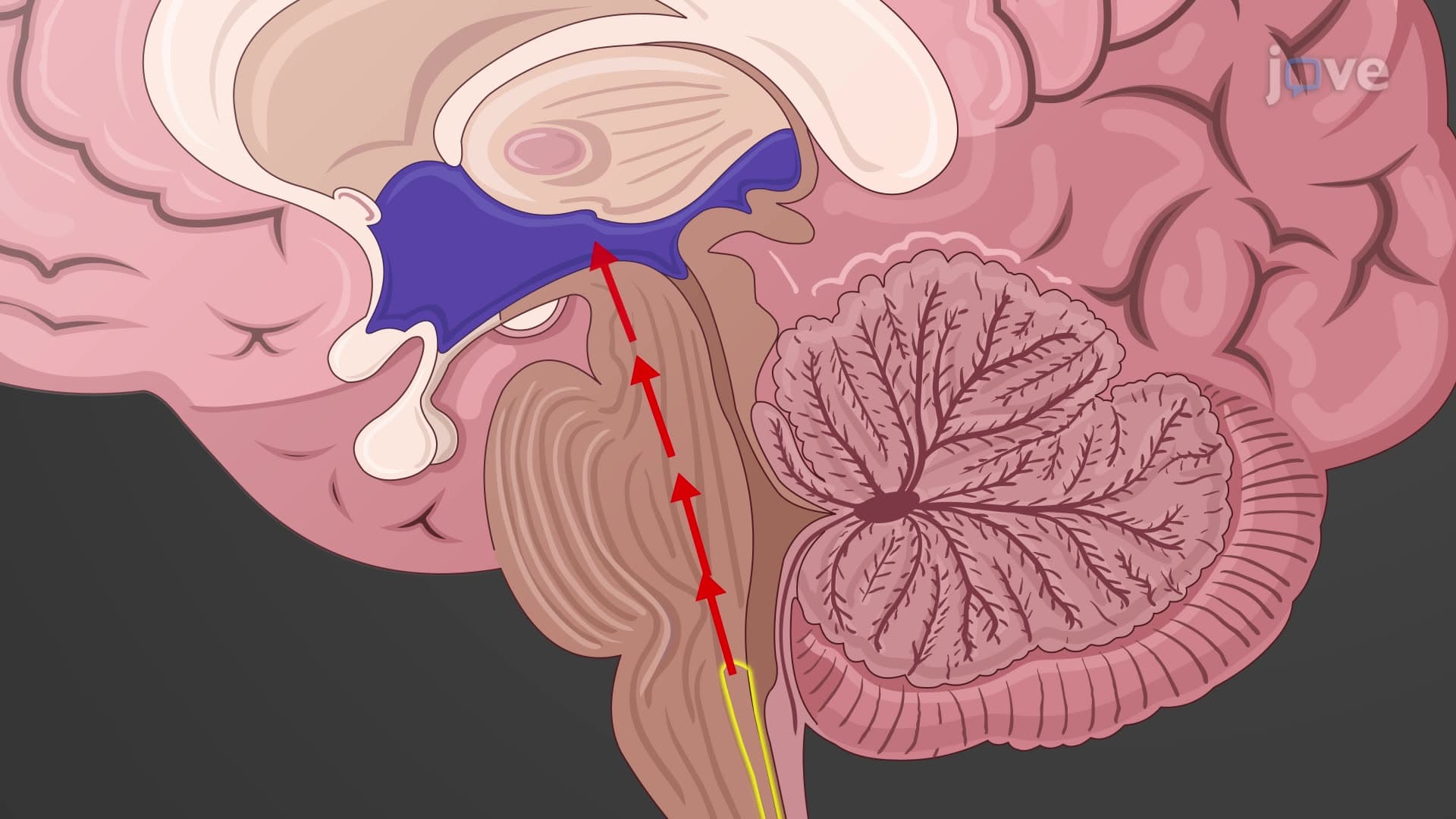
Fever differs fundamentally from hyperthermia because it represents a controlled response. When immune cells detect infection, they release pyrogenic cytokines that reset the body's thermostat. This controlled elevation helps fight pathogens but can become dangerous if unmanaged.
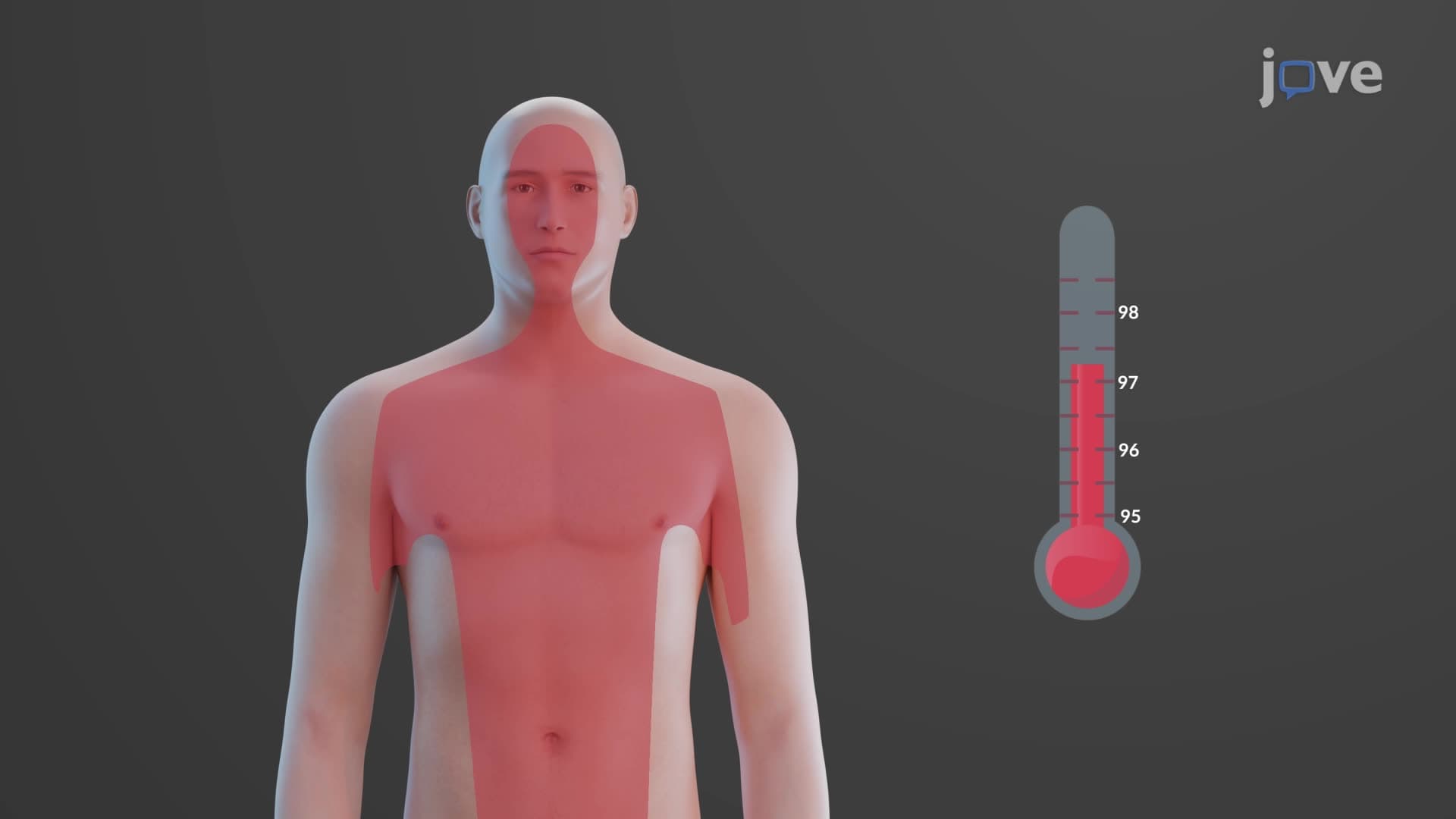
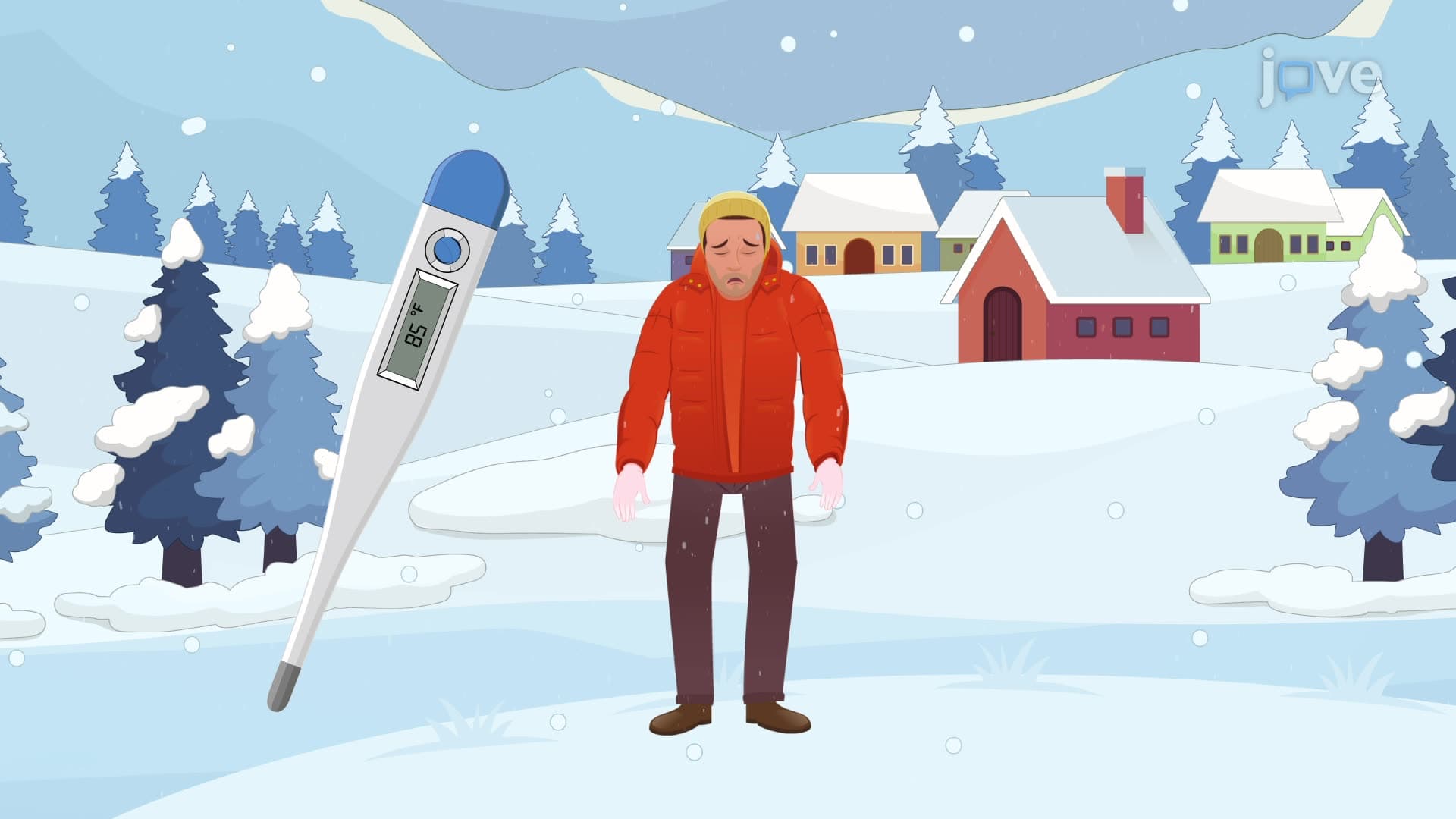
Hypothermia presents the opposite challenge, occurring when heat loss exceeds production. In states like Alaska and Minnesota, hypothermia causes hundreds of deaths annually. As core temperature drops, enzyme function decreases, slowing metabolic processes and creating another dangerous feedback loop toward complete system shutdown.
Clinical Significance and Homeostasis Disruption Disease
Healthcare professionals across America encounter homeostatic imbalances daily. Emergency departments see heat stroke victims during summer months, while hypothermia cases spike during harsh winters. These conditions require immediate intervention because what are homeostatic imbalances in physiology often involves multiple organ systems failing simultaneously.
For students preparing for the MCAT or AP Biology exams, understanding these concepts proves crucial. The College Board frequently tests homeostatic regulation, while medical school admissions committees expect deep comprehension of physiological control mechanisms. Nursing students taking the NCLEX-RN encounter questions about temperature regulation disorders, making this knowledge essential for healthcare careers.
The key insight for academic success involves recognizing that homeostatic imbalances represent system-wide failures, not isolated problems. When studying for college physiology courses, focus on the interconnected nature of these disruptions and their cascading effects throughout the body.
Frequently Asked Questions
Homeostatic imbalances occur when the body's regulatory systems fail to maintain stable internal conditions, unlike normal fluctuations that are quickly corrected. These imbalances involve positive feedback loops that amplify problems rather than correcting them. Examples include heat stroke, where rising temperature increases metabolic rate and generates even more heat, or severe hypothermia, where dropping temperature slows all body functions progressively.
The MCAT frequently tests temperature regulation, fluid balance, and feedback mechanisms in its Biological and Biochemical Foundations section. AP Biology emphasizes negative versus positive feedback loops, often using thermoregulation as examples. Students should focus on understanding the mechanisms behind imbalances rather than memorizing symptoms. Practice identifying whether a scenario represents normal homeostasis or pathological disruption.
NCLEX-RN commonly tests heat-related illnesses, hypothermia management, and fluid/electrolyte imbalances in clinical scenarios. Questions often involve prioritizing interventions for patients experiencing temperature emergencies. Focus on recognizing early signs of imbalance and appropriate nursing interventions. HESI A2 and TEAS exams emphasize the basic physiology behind these concepts.
Emergency departments in Phoenix regularly treat construction workers for heat exhaustion during summer months when temperatures exceed 115°F. Minnesota hospitals see hypothermia cases when homeless individuals are exposed to subzero temperatures. Hurricane Katrina demonstrated massive homeostatic failures when displaced populations faced extreme heat without adequate cooling, while Texas winter storms cause hypothermia when power grids fail.
Basic high school chemistry provides sufficient background for understanding homeostatic imbalances at the introductory level. You should understand enzyme function, pH basics, and simple molecular interactions. Most concepts focus on physiological processes rather than complex biochemistry. Students can master these topics with standard biology and chemistry prerequisites from grades 9-12.
Create flowcharts showing normal homeostasis versus imbalanced states, focusing on feedback loop differences. Practice with case studies involving real scenarios like athletes in heat or hikers in cold weather. Use active recall techniques by explaining concepts aloud without notes. Many students benefit from drawing temperature regulation pathways and identifying where breakdowns occur in disease states.
Build on temperature concepts by exploring blood glucose regulation and diabetes as examples of metabolic homeostatic failure. Study fluid and electrolyte balance, particularly how dehydration creates cascading imbalances. Blood pressure regulation offers another excellent example of homeostatic control and its failures in hypertension. These topics frequently appear together on comprehensive physiology exams.
Homeostatic imbalances integrate with cell biology (membrane transport), genetics (inherited disorders), and evolution (adaptation mechanisms). They also connect to ecology through environmental stressors and population health. Understanding these connections helps students see biology as interconnected systems rather than isolated topics, which proves valuable for standardized tests and advanced coursework.
Related Micro-courses

25 Concepts

20 Concepts

37 Concepts