Loading subject page…


34,747 views

Video Summary: What Is Inborn Errors of Metabolism
Did you know that 1 in 2,500 US newborns are born with a genetic condition that affects how their body processes food? Inborn errors metabolism biology represent genetic disruptions in normal metabolic pathways that can lead to serious health complications if left untreated. These metabolic genetic disorders explained include conditions like PKU, which affects thousands of Americans and requires lifelong dietary management. Watch the full video on JoVE Coach to master this concept with expert-led visuals and step-by-step explanations.
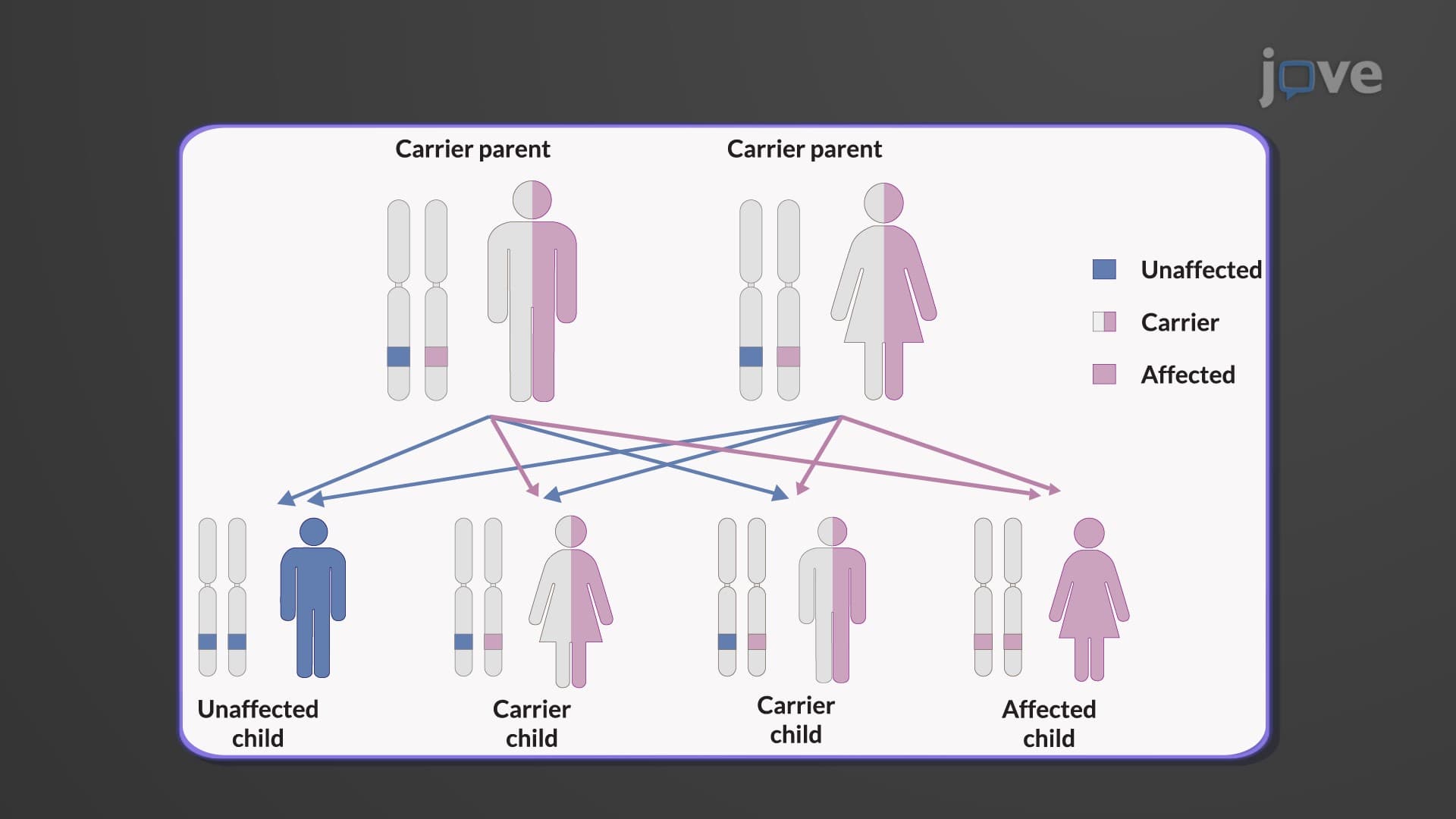
What is inborn errors of metabolism? These conditions represent a diverse group of genetic disorders where single gene mutations disrupt essential biochemical pathways. Unlike acquired metabolic disorders, these hereditary metabolic disorder conditions are present from birth and typically follow autosomal recessive inheritance patterns, meaning both parents must carry the mutation for a child to be affected.
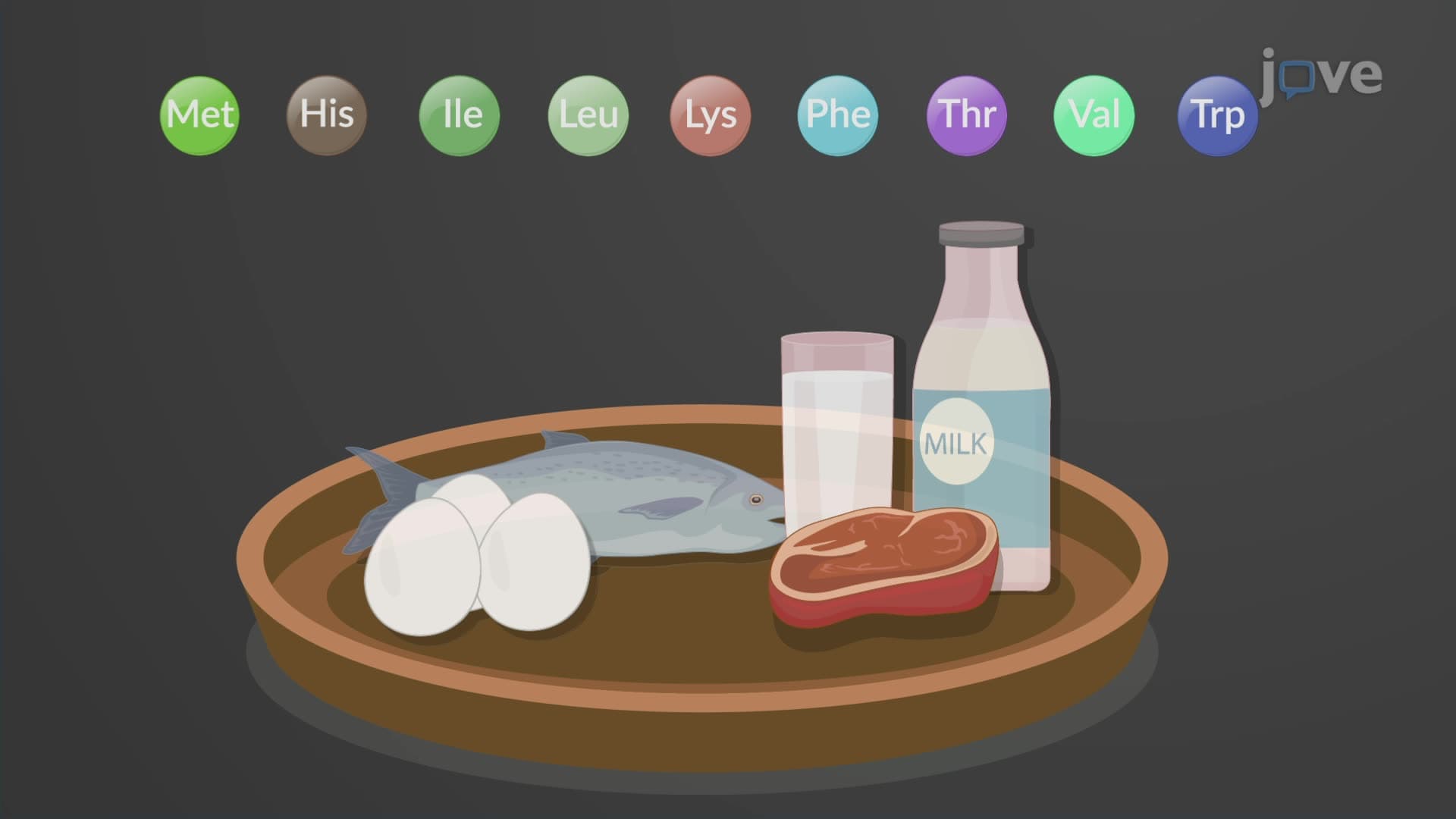
PKU phenylketonuria metabolism serves as the classic example of protein metabolism dysfunction. This enzyme deficiency metabolic condition results from mutations in the PAH gene, which encodes phenylalanine hydroxylase. Without functional enzyme, phenylalanine accumulates to toxic levels, causing the characteristic musty odor, fair skin, and if untreated, severe intellectual disability. The success of PKU management through phenylalanine-restricted diets has made it a cornerstone case study in AP Biology courses and pre-med curricula across US universities.
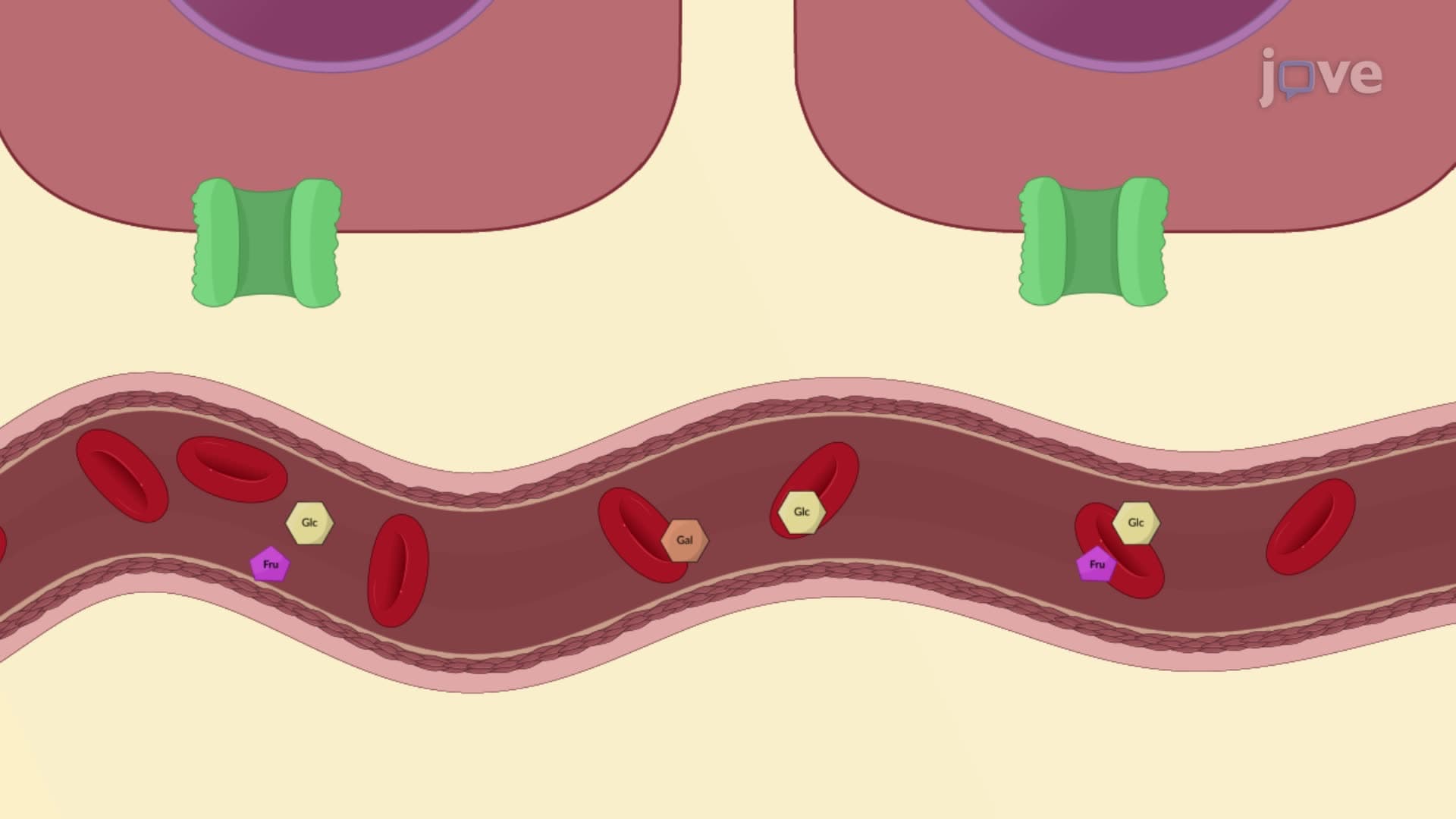
Galactosemia inborn error demonstrates how carbohydrate metabolism can go awry. The most severe form, classic galactosemia, stems from GALT gene mutations affecting galactose-1-phosphate uridyltransferase. Even with immediate lactose restriction, patients may develop ovarian dysfunction and learning disabilities, highlighting that some metabolic error genetic cause effects cannot be completely prevented through dietary intervention alone.
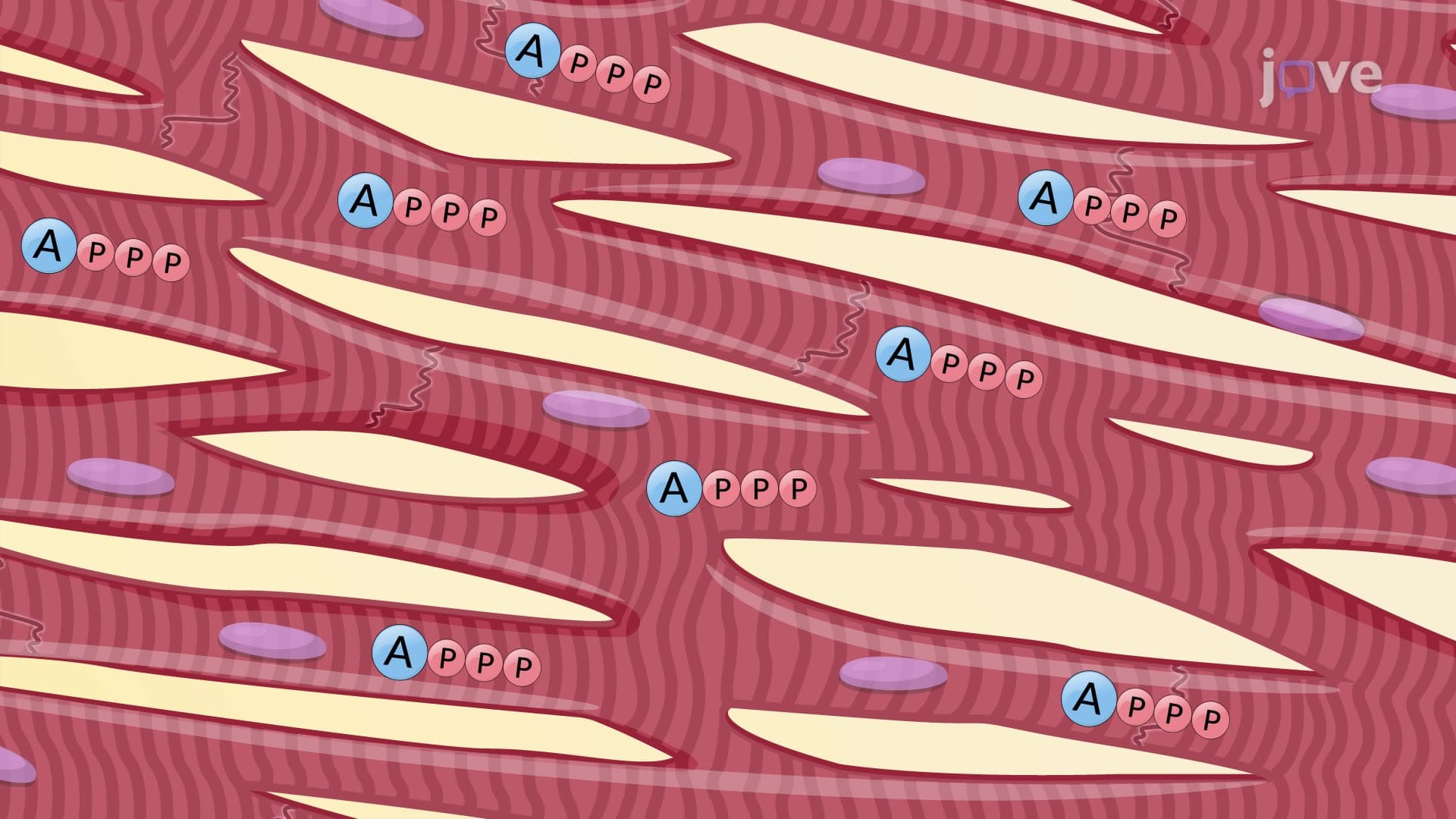
Glycogen storage diseases illustrate how metabolic disruptions can cause physical tissue changes. When glycogen breakdown pathways fail, excess storage leads to hepatomegaly (enlarged liver) and muscle weakness. These conditions frequently appear on MCAT biochemistry sections and USMLE Step 1 examinations, emphasizing the clinical relevance of understanding metabolic pathways.
The early detection of these conditions through mandatory newborn screening programs in all 50 US states has revolutionized outcomes, preventing thousands of cases of intellectual disability annually.
Related Micro-courses